
Outlining a story might seem daunting at first, especially if you’re new to writing. But it’s one of the most valuable tools in a writer’s toolkit. An outline serves as a roadmap, guiding you from the beginning of your story to its conclusion. Outlining can help you structure your ideas, stay on track, and avoid those dreaded moments of writer’s block, whether you’re writing a novel, short story, or screenplay. Let me walk you through how to outline a story effectively and make the process feel less intimidating.

1. The Purpose of an Outline
At its core, an outline is a blueprint for your story. It organizes your ideas, helps you identify gaps in the plot, and ensures your story has a clear structure. It’s important to remember that an outline isn’t set in stone. You can—AND SHOULD—adapt it as you write. Think of it as a flexible guide rather than a rigid set of instructions.
The benefits of outlining include:
- Clarity: You’ll have a clear direction for your story, which helps prevent getting lost in the weeds.
- Structure: An outline forces you to think about the story’s pacing, character development, and plot points.
- Motivation: Knowing what comes next keeps you moving forward when you sit down to write.
2. Decide on the Type of Outline
There’s no “one size fits all” approach to outlining. Different writers prefer different methods, and that’s perfectly okay. Here are a few common types of outlines:
- The Snowflake Method: This method starts with a simple concept and gradually expands it into a detailed outline. First, you write a one-sentence summary of your story, then expand that sentence into a full paragraph, and so on. It’s ideal for writers who prefer to develop their story gradually, refining the details as they go.
- The Three-Act Structure: A widely-used framework that breaks a story into three acts—Set-Up, Confrontation, and Resolution. This method helps you focus on the major plot points and ensures your story has a strong, well-paced structure. It’s a great option for beginners because of its simplicity.
- Chapter-by-Chapter Outline: For those who like specifics, this method involves outlining each chapter or scene of your story in detail. This type of outline gives you a clear sense of what needs to happen at each stage of the story.
- The Hero’s Journey: This method, rooted in Joseph Campbell’s monomyth, is particularly helpful for stories involving a protagonist’s transformation. It involves specific stages like “The Call to Adventure,” “Refusal of the Call,” and “The Return.” It’s a fantastic framework for fantasy, adventure, and other high-stakes genres.
- Loose Bullet Points: For the more free-spirited writers, some prefer to jot down key plot points and character moments as simple bullet points. This is a more flexible approach and allows room for creativity as the story unfolds.

3. The Building Blocks of a Story Outline
Regardless of the method you choose, there are key elements every story outline should address. Here are the main building blocks you’ll need to consider:
1. The Premise
The premise is the seed of your story. What is your story about? What is the central conflict or question that drives your plot? This is where you should define the “what if” that makes your story compelling. For example:
- What if magic was real, but only for a select few?
- What if a dystopian society controlled all information?
Spend some time refining your premise before moving on. It will act as the foundation for everything else.
2. The Main Characters
Your characters are the heart of your story. In your outline, make sure to note the following about your protagonist, antagonist, and key supporting characters:
- Who are they? Consider their backstory, motivations, desires, and flaws.
- What do they want? This is the driving force behind their actions. Your protagonist might want justice, love, freedom, or survival.
- What’s at stake? What happens if they fail? This is essential for creating tension and suspense.
3. The Major Plot Points
In order to outline your plot, break it down into key events. These are the moments that move the story forward and change the direction of the narrative. A few important plot points include:
- The Inciting Incident: The event that starts the story. This is where your character is thrust into the conflict, whether it’s the discovery of a hidden power or the moment a dystopian society begins to crack.
- The Rising Action: The buildup of conflict and challenges that lead toward the climax. This is where your character faces obstacles, grows, and learns more about themselves or the world around them.
- The Climax: The turning point or high point of the story. The protagonist confronts the primary conflict in a dramatic and pivotal way.
- The Resolution: How the story concludes. Whether the protagonist succeeds or fails, there must be closure and consequences to their actions.
4. The Setting and World-Building
For genres like urban fantasy and dystopian fiction, the setting is crucial. Your outline should include:
- Where does the story take place? Is it a magical version of New York, or a desolate post-apocalyptic world? Define the environment, rules, and atmosphere.
- What’s the world’s history? In dystopian stories, especially, understanding the past is vital to understanding the present. Was there a war? An economic collapse? A technological breakthrough gone wrong?
- What are the stakes within the setting? How do the world’s rules affect the characters and their choices?
5. The Theme
What is the deeper meaning or message of your story? Is it about the fight for freedom, the power of love, or the dangers of unchecked technology? In your outline, think about how you can weave this theme throughout the plot, characters, and setting.
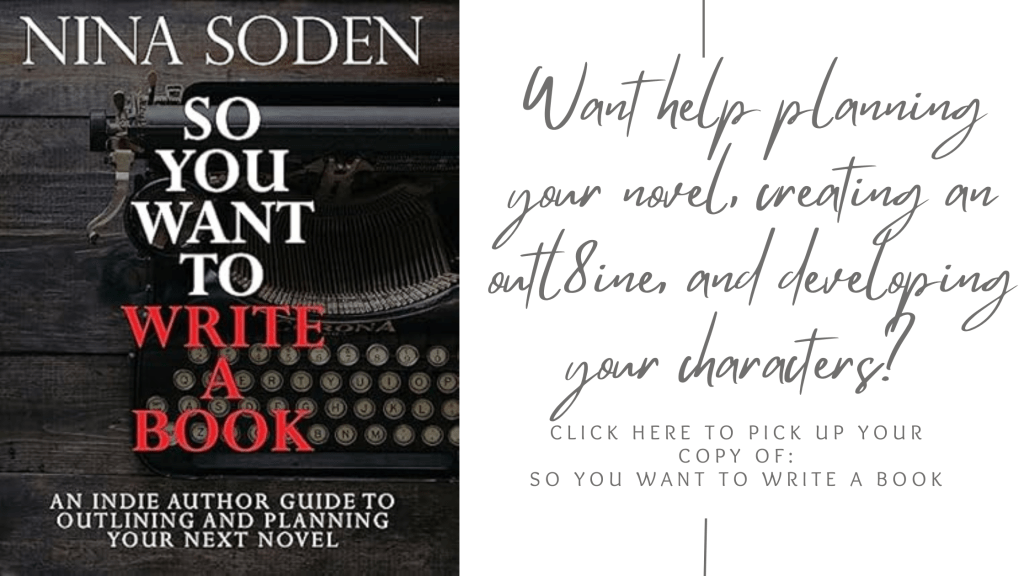
4. Flesh Out Your Outline
Now that you’ve got your main components outlined, it’s time to expand on them. Flesh out the scenes and events that will happen in your story. Here are a few tips to make the outlining process easier:
- Start with the Big Picture: Begin by outlining the broad strokes—major plot points and character arcs. Where do you want your characters to start, and where do you want them to end? This will help keep your narrative cohesive.
- Go Scene by Scene: If you prefer more detail, break your outline down into individual scenes or chapters. Write down the purpose of each scene and what needs to happen in it—whether it’s a character development moment, a revelation, or a dramatic plot twist.
- Think About Pacing: As you lay out each scene, consider how fast the action should move. Are there moments of high tension? Are there quiet, reflective scenes? Mix things up to create variety and keep the reader engaged.
- Use Visual Aids: Some writers find it helpful to create visual outlines—whether it’s through storyboarding, mind maps, or index cards. These tools can help you see the structure of your story from a new angle.
5. Stay Flexible
The outline isn’t the end-all-be-all. Once you begin writing, you might find that new ideas emerge, characters evolve, or your plot takes a surprising turn. And that’s perfectly okay! Writing is a dynamic process, and oftentimes, the best stories grow from unexpected twists. Don’t be afraid to change your outline as you go along.
6. Final Thoughts
Outlining is a tool, not a rule. It’s there to help you organize your thoughts and bring your story to life with intention. Whether you’re writing a fast-paced thriller, a deep philosophical dystopia, or an epic urban fantasy, outlining gives you the roadmap to reach your destination. The key is to find the approach that works best for you.
Remember, your outline is just a starting point—let your creativity flow, and don’t be afraid to adjust your plan as the story evolves. The more you practice, the easier the outlining process will become. Good luck, and happy writing!
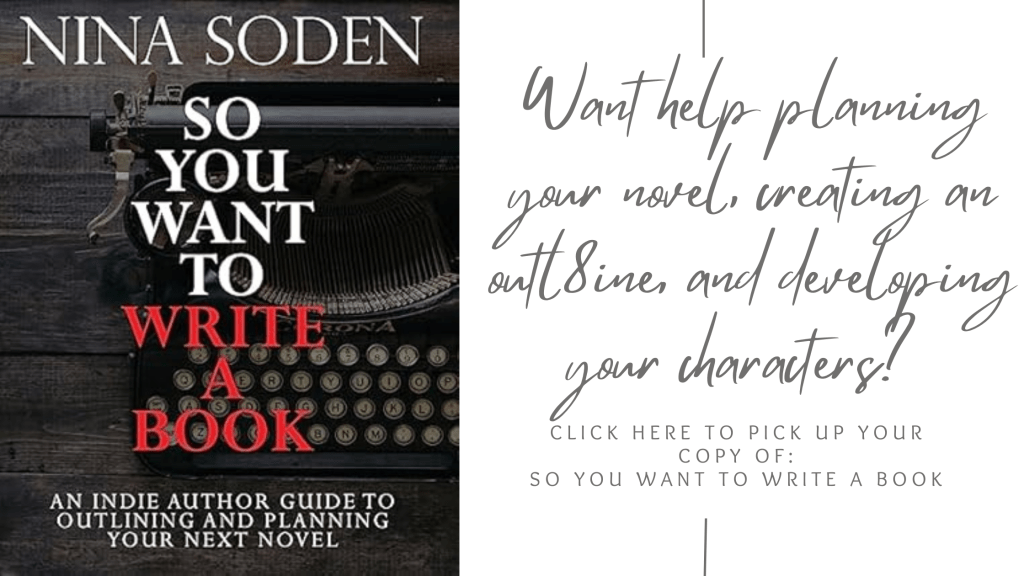
 Nina Soden
Interesting. https://beyondthecanvas13.wordpress.com/2024/12/17/what-doesnt-kill-you-makes-you-stronger/comment-page-1/?unapproved=1&moderation-hash=17caa843d6aa51123f9d1081ba451c9e#respond
LikeLike