Hazel Grace is intelligent, guarded, and determined not to become an emotional burden to the people around her. Augustus is charming and theatrical, but his confidence hides a profound fear of being forgotten. Their relationship is romantic without erasing the physical and emotional realities of illness. The dialogue can occasionally feel more polished than natural teenage speech, yet the characters’ vulnerability gives the story genuine power.
One of my favorite things about directing theatre is watching someone become someone else.
Actors step onto a stage carrying their own worries, their own responsibilities, and their own stories. Then, for two hours, they become another person entirely.
Writers do the same thing.
Every time I sit down at my keyboard, I spend a little while living inside someone else’s life.
It’s funny how pretending can provide so much comfort.
The best stories help us relax… imagine… and forget the stress of our day to day lives; and still, they help us understand it.
Know someone who would like to receive the weekly Theatre Happenings Newsletter? Share this link so they can subscribe today!https://forms.gle/rqXDP3UhCHGaJQ7b9
Disclaimer: Theatre Happenings has never and will never sell or share your information with anyone. All information you provide via the links (Submission Form, Giveaway Entry Form, and Feedback Form) within this newsletter is used solely for the purposes of Theatre Happenings and its moderator (Nina Soden) to ensure the best experience possible.
A LITTLE ABOUT ME
GIVEAWAY WINNER ANNOUNCED
PRODUCTIONS
EVENT
GROUP
LOCATION
DATE
Chicka Chicka Boom Boom the Musical
Broadway Theatre League
Von Braun Center Concert Hall
10/22
Belles of Whitechapel: The Victims of Jack the Ripper Speak
Front Row Theatre Troupe
Main Street Café
10/22-10/25
The Addams Family Musical
Dream Weavers Theatre Company
The Princess Theatre
10/23-10/25
Comic Science Improv Halloweenish Hilarity
Comic Science Improv
Shenanigans Comedy Theater
10/30
Come From Away
IMP
Sandra Moon Performing Arts Center
11/19-11/22
Black Tie America
The Whole Backstage Theatre
1120 Rayburn Ave., Guntersville, AL 35976
11/11-11/15
Georgiana & Kitty: Christmas at Pemberley
Theatre Huntsville
Von Braun Center Playhouse
11/13-11/22
The Neil Diamond Musical: A Beautiful Noise
Broadway Theatre League
Von Braun Center Concert Hall
11/20-11/22
How The Grinch Stole Christmas
Shoals Community Theater
123 North Seminary St , Florence , AL 35630
11/19-11/22
Big Band Swingin’ Christmas
The Whole Backstage Theatre
1120 Rayburn Ave., Guntersville, AL 35976
12/17-12/20/2027
Come From Away
Theatre Huntsville
Von Braun Center Playhouse
1/22-2/7/2027
The WIZ
Broadway Theatre League
Von Braun Center Concert Hall
2/9-2/14/27
Smoke on the Mountain
The Whole Backstage Theatre
1120 Rayburn Ave., Guntersville, AL 35976
2/12-2/21/27
Love Rewritten
Front Row Theatre Troupe
Main Street Cafe
2/25-2/28/27
The Notebook – The Musical
Broadway Theatre League
Von Braun Center Concert Hall
3/2-3/7/27
Beauty and the Beast
Broadway Theatre League
Von Braun Center Concert Hall
3/24-3/27/27
Shark Dive
Broadway Theatre League
Von Braun Center Concert Hall
4/1/2027
Agatha Christie’s Murder on the Orient Express
Theatre Huntsville
Von Braun Center Playhouse
4/2-4/11/2027
Harvey
The Whole Backstage Theatre
1120 Rayburn Ave., Guntersville, AL 35976
4/16-4/25/27
Cheeseburger in a Casket
Front Row Theatre Troupe
Main Street Café
4/22-4/25 & 4/29-5/1
Hairspray
The Whole Backstage Theatre
1120 Rayburn Ave., Guntersville, AL 35976
6/11-6/20/27
Sister Act: The Musical
Theatre Huntsville
Von Braun Center Playhouse
6/11-6/27/2027
Kismet
Front Row Theatre Troupe
Main Street Café
6/24-6/27 & 7/1-7/3
TBD
Front Row Theatre Troupe
Main Street Café
8/26-8/29 & 9/2-9/4
TBD
Front Row Theatre Troupe
Main Street Café
10/21-10/24 & 10/28-10/30
TBD
Front Row Theatre Troupe
Main Street Café
12/1, 12/8, & 12/15
OTHER EVENTS
DETAILS
GROUP/ETC
LOCATION
DATE
Indie Author Enchanted Book Fair
Witches Collegium
Lowe Mill Arts & Entertainment Center
10/31
Great Big Book Festival
HSV Public Library
HSV Public Library
11/7
PLAYWRIGHTS WANTED
Front Row Theatre Troupe
Madison, AL
Ongoing
Audition/Casting Call – Murder on the Orient Express
Theatre Huntsville
TH Scene Shop
11/15-11/16
Audition/Casting Call – Sister Act
Theatre Huntsville
TH Scene Shop
1/23-1/24
SUBMISSION REQUESTS
MONTHLY GIVEAWAY DETAILS
ABOUT ME:Opening the Doors
One of my favorite moments at dinner theatre happens before the performance even starts. The doors open and guests begin arriving. Suddenly, something we’ve worked on for months belongs to the audience.
Listing a home feels surprisingly similar. Sellers spend time preparing, cleaning, repairing, staging, and getting everything just right. Then we officially put it on the market and open the doors.
Preparation matters because you only get one debut. Whether it’s opening night or listing day, I want that first impression to count.
Nina Soden (Associate Broker, The Soden Team of LEGEND REALTY)
ninasodenbooks@gmail.com | 256-520-9640
NEW LISTING
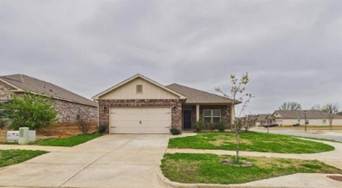
Looking to buy a new home or maybe a rental property in North Alabama? Check out these great homes:
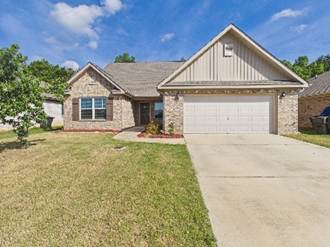
564 Farmingdale Road, Huntsville, AL 35803
Welcome to a spacious split-level home in South Huntsville offering a flexible floor plan for comfortable everyday living! Upstairs, the private primary suite includes its own bath, while a convenient half bath serves guests. The living room with fireplace flows into the kitchen and breakfast nook, creating an inviting space for relaxing or entertaining. On the ground level, you’ll find 2 additional bedrooms and a full bath, offering great separation for family, guests, or a home office, plus direct access to the attached garage. Conveniently located near shopping, dining, schools, parks, and all that South Huntsville has to offer. A wonderful place to call home sweet home!
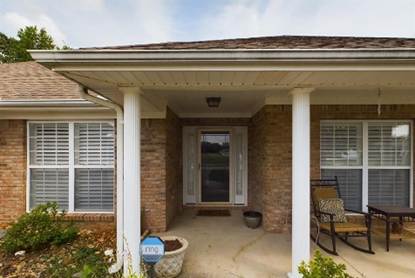
Move-in ready with space to make it your own! This charming 3BR/2BA home sits on .4 acres in an established neighborhood and features a NEW ROOF & HVAC SYSTEM, both installed in 2024! The main-level owner’s suite offers privacy with an en-suite bath, while upstairs you’ll find 2 additional bedrooms and a full bath—ideal for family, guests, or a home office. An attached 2-car garage (includes a removable soundproof studio) adds convenience, while the spacious lot offers endless possibilities for outdoor entertaining, gardening, pets, or play. A wonderful opportunity to enjoy space, comfort, and valuable updates!
Welcome to 208 Green Garden Drive in Harvest! Offering approximately 2,621 square feet, this spacious home provides plenty of room to spread out, entertain, work from home, & enjoy everyday living. Thoughtfully designed living spaces offer flexibility for any lifestyle, while the Harvest location puts you within convenient reach of shopping, dining, schools, & the growing Huntsville/Madison area. Whether you’re gathering w/friends, enjoying a quiet evening at home, or simply looking for more space without giving up convenience, this property offers the versatility you’ve been searching for. This home is ready for its next chapter & its next owner. Come see what makes this home worth a look.
Synopsis: Based on the beloved children’s book (copyright 1989) by Bill Martin Jr. and John Archambault, with illustrations by Lois Ehlert, Chicka Chicka Boom Boom: The Musical brings the iconic alphabet adventure to life in a vibrant theatrical celebration of language, music, & imagination. The production is written and directed by Nina Meehan, with original music by Austin Zumbro, produced by Third Wish Productions.
When the letters of the alphabet race up the coconut tree, chaos, comedy, and rhythm take over the stage. Loved by generations of families and educators, Chicka Chicka Boom Boom has sold more than 30 million copies worldwide and remains a cornerstone of early childhood literacy.
In this lively stage adaptation, a troupe of playful Players brings the story to life through toe-tapping songs, physical comedy, and dance. Along the way, audiences join the fun by clapping, calling back, filling in the blanks, and even helping the letters pick themselves up after their famous crash. With surprises like the pop-star group LMNOP, the capital-letter parents rushing to the rescue, and the always-last little z, each moment invites audiences to play along.
Perfect for family series and school matinees, Chicka Chicka Boom Boom: The Musical delights younger audiences while entertaining older students and parents with musical variety, theatrical comedy, and clever wordplay.
The musical premiered at Seattle Children’s Theatre in September 2025, quickly becoming a hit with families and school audiences.
Performed at: Von Braun Center Concert Hall (700 Monroe Street SW, Huntsville, AL)
The Belles of Whitechapel:The Victims of Jack the Ripper Speak
By WJR Miller
Dinner and a Performance
Dates:
October 22nd – 24th, 2026 at 6:00PM
October 29th – 31st, 2026 at 6:00PM
Synopsis: In this powerful and haunting production, the women known to history only as victims are finally given a voice. Through humor, heartbreak, resilience, and humanity, the women of Whitechapel share their stories and challenge the myths surrounding one of history’s most infamous killers.
Cast List:
Jacquelyn Bernard as Annie Millwood
Joy Whitt as Martha Tabraum
Tanja Miller as Polly Nichols
Stephanie Hyatt as Dark Annie Chapman
Sharon Firschein as Long Liz Stride
Stacy Neuberger-von Hoffman as Kate Eddowes
Alexandria Robinson as Kate Eddowes (October 10/23/2026)
Valerie Clemons as Sarah Lewis
Nina Soden as Mary Jane Kelly
Performed at: Main Street Café (101 Main Street, Madison, AL 35758)
Looking to buy a new home or maybe a rental property in North Alabama? Check out these great homes:
105 Liverpool Drive, Madison, AL
3 Bed | 2 Bath | 1,966 SQFT
This beautiful home is in the heart of Madison (35758). Schools: Columbia Elementary, Liberty Middle, and James Clemens High School. Built in 2003, this full brick ranch-style home has a formal dining room, eat-in kitchen, in-home office, and a secluded primary suite. Interested in the details? Call me at 256-520-9640
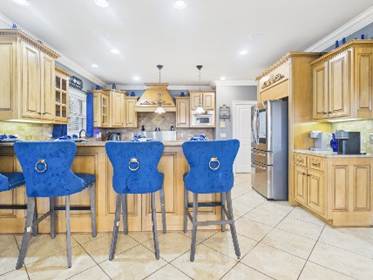
Beautiful, freshly painted 2-story brick w/finished walk-out basement. Outstanding finishes throughout. Primary on main level w/glamour bath featuring granite, ceramic tile, large tile shower & plant ledge. Heavy crown molding throughout, columns, & French doors to the office. The Kitchen offers a commercial gas stove w/ double ovens, granite, & walk-in pantry. 2-story family room. 2-bedrooms upstairs w/private baths & walk in closets. Finished basement has a 2nd kitchen, large dining area, bonus room, private bedroom & bath, & large cinderblock-walled storage room. Covered deck and patio off the back of the house. Walk-out attic storage on the second level.
Synopsis: THE ADDAMS FAMILY, a comical feast that embraces the wackiness in every family, features an original story and a dilemma that’s every father’s nightmare: Wednesday Addams, the ultimate princess of darkness, has grown up and fallen in love with a sweet, smart young man from a respectable family—a man her parents have never met. And if that wasn’t upsetting enough, Wednesday confides in her father and begs him not to tell her mother. Now, Gomez Addams must do something he’s never done before—keep a secret from his beloved wife, Morticia. Everything will change for the whole family on the fateful night they host a dinner for Wednesday’s “normal” boyfriend and his parents.
Performed at: The Princess Theatre (112 2nd Ave. NE, Decatur, AL 35601)
Tickets: $18 – Students, Veterans, & Seniors | $20 – Adults The Princess Theatre website: https://princesstheatre.org/ Or at the box office
Added 9/14/2026
Comic Science Improv
Comic Science Improv Halloweenish Hilarity
Dates: October 30, 2026 at 7pm
Synopsis: Join Comic Science Improv on the night before Halloween for an evening of kinda Halloweenish hilarity in Huntsville! We’ll do our normal awesome improv games, but we’ll wear really lazy costumes when we do. You give us the suggestions; we act them out in the funniest possible way allowed by law! Come laugh with us… or at us! Improv comedy for all audiences!
Performed at: Shenanigans Comedy Theater (2650 Leeman Ferry Road, Unit A, Huntsville, AL 35805)
Performed at: Sandra Moon Performing Arts Center (7901 Bailey Cove Rd SE, Huntsville, AL 35802)
SUMMARY:Come From Away is a critically acclaimed musical featuring a culturally relevant script accompanied by a deeply moving score by Irene Sankoff and David Hein. The show has earned global success with 37 award nominations, 13 of which resulted in wins, most notably Best New Musical at the 2019 Olivier Awards and Outstanding Musical at the 2017 Drama Desk Awards. The show’s global presence resonates across all audiences as an uplifting reminder of humanity’s ability to come together, no matter what the circumstances.
Come From Away is based on the true story of the time when the isolated community of Gander, Newfoundland, played host to the world. What started as an average day in a small town turned into an international sleepover, when 38 planes, carrying thousands of people from around the globe, were diverted to Gander’s airstrip on September 11, 2001. Undaunted by culture clashes and language barriers, the people of Gander cheered the stranded travelers with music, an open bar and the recognition that we’re all part of a global family.
Come From Away gives theatres the opportunity to contribute to its worldwide impact by spreading the show’s message of kindness, unity, and resilience with their communities. With a flexible cast size and possibilities for technical creativity, Come From Away is guaranteed to be a show for audiences to remember.
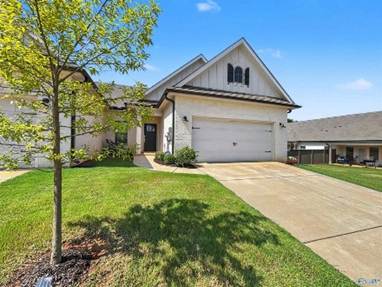
Beautiful full-brick, single-level townhome in desirable Clift Farm! This 3BR/2BA home offers almost 1900 sq ft with an open floor plan, gourmet kitchen featuring quartz countertops, backsplash, large island, and abundant cabinetry. The private owner’s suite includes a soaking tub, separate shower, and walk-in closet. Enjoy the screened-in porch and fenced backyard for added privacy, plus numerous upgrades throughout. Amenities include a pool, clubhouse, fitness center, playground, new pickleball courts, dog park, and golf cart-friendly streets, all near shopping and dining.
Synopsis: This coming November, opening on Veterans Day for a five-day run, I will have the privilege of producing and directing an “America 250 Edition” of my choral revue, Black Tie America.
On Independence Day, July 4, 2026, America marked its 250th birthday, the Semi quincentennial of the Declaration of Independence. This production is our opportunity to reflect, remember, and celebrate that milestone through music and storytelling.
A 100-voice choir will raise the roof of the Dot Moore Theatre in a powerful celebration of America’s 250th birthday. Our opening night, on Veterans Day, will be especially meaningful as we honor all who have served, recognizing their dedication and sacrifice, regardless of where or how they served.
Performed at: 1120 Rayburn Ave/Dot Moore Way, Guntersville, AL 35976
Tickets: 256-582-7469 | office@wholebackstage.com
Added 8/21/2026
Theatre Huntsville
Georgiana & Kitty: Christmas at Pemberley
Dates: November 13-22, 2026
Synopsis: Jane Austen fans, rejoice: this witty holiday sequel catches up with the Bennet and Darcy families years after “Pride and Prejudice,” as youngest sister Kitty and shy Georgiana Darcy navigate love, family expectations, and a very eventful Christmas at Pemberley. Sharp dialogue and period charm make it a cozy seasonal delight even if you’ve never read a page of Austen.
Performed at: Von Braun Center Playhouse (700 Monroe Street SW, Huntsville, AL)
Tickets: Adults: $28 | Students, Seniors, Active Military $26
Added 9/8/2026
Broadway Theatre League
The Neil Diamond Musical – A Beautiful Noise
Dates: November 20-22, 2026
Synopsis: Created in collaboration with Neil Diamond himself, A BEAUTIFUL NOISE is the uplifting true story of how a kid from Brooklyn became a chart-busting, show-stopping American rock icon. With 120 million albums sold, a catalogue of classics like “America,” “Forever in Blue Jeans,” and “Sweet Caroline,” an induction into the Songwriters and Rock and Roll Halls of Fame, a Grammy® Lifetime Achievement Award, and sold-out concerts around the world that made him bigger than Elvis, Neil Diamond’s story was made to shine on Broadway-and head out on the road across America.
Performed at: Von Braun Center Concert Hall (700 Monroe Street SW, Huntsville, AL)
Performed at: Shoals Community Theater (123 North Seminary St, Florence, AL 35630)
SYNOPSIS: How the Grinch Stole Christmas! is a classic tale about a bitter, solitary creature who despises Christmas and plans to steal it from the cheerful Whos of Whoville. Disguised as Santa Claus, he steals all presents and decorations, only to realize that Christmas is not about material goods, causing his heart to grow and prompting him to return everything.
Tickets: $12-$15 email info@shoalstheatre.org or call 256-764-1700
Added 4/7/2026
The Whole Backstage Theatre – HOLIDAY FUNDRAISER
Big Band Swingin’ Christmas
Dates: December 17-20, 2026
Synopsis: MORE INFORMATION TO COME
Performed at: 1120 Rayburn Ave/Dot Moore Way, Guntersville, AL 35976
Tickets: 256-582-7469 | office@wholebackstage.com
Added 8/21/2026
HOMES FOR SALE
Looking to buy a new home or maybe a rental property in North Alabama? Check out these great homes:
Step into comfort & style in this stunning 5BR/5BA home of thoughtfully designed living space. The open floor plan features a gourmet kitchen w granite counters, SS appliances, gas cooktop, & a lg island that flows into the spacious LR with cozy FP, perfect for everyday living & entertaining. A private in-law suite with full BA is conveniently located on the main level, ideal for guests or multi-gen living. Upstairs, the spacious primary suite offers a relaxing retreat with a sitting area, fireplace & a spa-inspired bath. Add’l BRs and flexible living space provide room for work, play, or hobbies. Enjoy outdoor living with covered patios and a backyard FP perfect for year-round gatherings.
Move-in ready and better than new, this one-level home sits on a desirable corner lot with a spacious open-concept layout perfect for everyday living and entertaining. The kitchen features quartz countertops, a large island, and walk-in pantry, flowing seamlessly into the dining and living areas. The isolated primary suite offers a double vanity and generous space. Enjoy a covered front porch and extended rear patio, ideal for relaxing or hosting guests. Located in a private 52-acre community with walking trails, pool, cabana, and outdoor grill, just minutes from Huntsville, Madison, Toyota, and Redstone Arsenal, with easy access to major roads and nearby conveniences.
Synopsis: Based on the astonishing true story of the small Newfoundland town that welcomed 7,000 stranded travelers when U.S. airspace shut down on 9/11, this Tony-nominated musical turns an unimaginable day into an unforgettable celebration of humanity and hospitality. Told through interwoven true stories and toe-tapping music, it’s a reminder of the good people are capable of in the worst of times.
Performed at: Von Braun Center Playhouse (700 Monroe Street SW, Huntsville, AL)
Tickets: Adults: $32 | Students, Seniors, Active Military $30
Added 9/8/2026
Broadway Theatre League
The WIZ
Dates: February 9-14, 2027
Synopsis: The Tony® Award-winning Best Musical that took the world by storm is back.
THE WIZ returns “home” to stages across America in an all-new tour, direct from Broadway.
This groundbreaking twist on The Wizard of Oz changed the face of Broadway—from its iconic score packed with soul, gospel, rock, and 70s funk to its stirring tale of Dorothy’s journey to find her place in a contemporary world.
Performed at: Von Braun Center Concert Hall (700 Monroe Street SW, Huntsville, AL)
Tickets: Tickets go on sale Thursday, September 3, 2026
Added 9/1/2026
The Whole Backstage Theatre
Smoke on the Mountain
Dates: February 12-21, 2027
Synopsis: MORE INFORMATION TO COME
Performed at: 1120 Rayburn Ave/Dot Moore Way, Guntersville, AL 35976
Tickets: 256-582-7469 | office@wholebackstage.com
Added 8/21/2026
Front Row Theatre Troupe
Love Rewritten
By Stacy Kingsley and Nina Soden
Dinner and a Performance
Dates: February 25 – 27, 2027 at 6:00 PM & February 28th at 1:00 PM
Synopsis: What happens when opening night arrives, the audience is seated, and the playwright hasn’t even written the play? Complete theatrical chaos!
In this hilarious, heartwarming romantic comedy, a procrastinating playwright unknowingly brings her stories to life as she desperately searches for the perfect love story. From dramatic goodbyes and tragic romances to an unexpected connection over books and coffee, each new idea sends the cast scrambling to keep up. With outrageous improvisation, audience participation, and plenty of laughs, Love Rewritten reminds us that love doesn’t always need a grand, dramatic beginning. Sometimes the best stories begin with the simplest moments.
Performed at: Main Street Café (101 Main Street, Madison, AL 35758)
Synopsis: Based on the best-selling novel that inspired the iconic film, THE NOTEBOOK tells the story of Allie and Noah, both from different worlds, who share a lifetime of love despite the forces that threaten to pull them apart. “Full of butterfly-inducing highs and beautiful songs” (Entertainment Weekly), THE NOTEBOOK is a deeply moving portrait of the enduring power of love.
Chris Jones of The Chicago Tribune says THE NOTEBOOK is “absolutely gorgeous, not to be missed,” and The New York Daily News calls it “a love story for the ages.”
THE NOTEBOOK is directed by Michael Greif (Dear Evan Hansen, Next to Normal, RENT) and Schele Williams (The Wiz, Aida), and features music and lyrics by multi-platinum singer-songwriter Ingrid Michaelson, book by Bekah Brunstetter (NBC’s “This Is Us”), and choreography by Katie Spelman.
Performed at: Von Braun Center Concert Hall (700 Monroe Street SW, Huntsville, AL)
Tickets: Tickets will go on sale Thursday, September 17, 2026
Added 9/1/2026
Broadway Theatre League
Beauty and the Beast – The Musical
Dates: March 24-27, 2027
Synopsis: Be Our Guest at BEAUTY AND THE BEAST, Disney’s first North American touring production of the beloved musical in over 25 years. This enchanting and timeless tale, filled with the romance and grandeur audiences know and love, has been brought to life like never before, with spectacular new sets and dazzling costumes. The show boasts the Oscar®-winning and Tony Award®-nominated score, including the classic songs “Be Our Guest” and “Beauty and the Beast.”
Reuniting to create this new production are members of the original Tony Award®-winning artistic team, including composer Alan Menken, lyricist Tim Rice, book writer Linda Woolverton, with direction and choreography by Matt West, scenic design by Stanley A. Meyer, costume design by Ann Hould-Ward and lighting design by Natasha Katz. BEAUTY AND THE BEAST is the beloved musical that will fill your heart with joy and Disney magic.
Performed at: Von Braun Center Concert Hall (700 Monroe Street SW, Huntsville, AL)
Tickets: Tickets will go on sale Thursday, October 20, 2026
Added 9/1/2026
Broadway Theatre League
Shark Dive
Dates: April 1, 2027
Synopsis: It’s a shark dive, but not as you know it!
Delve deep to discover what swims beneath the surface. Come face to face with an array of enchanting sea life that has existed from deep within our prehistoric past to the rich biodiversity that now inhabits the world’s oceans.
Presented as a live poetic documentary, the exquisite puppets of Erth’s Shark Dive will enchant and delight, and challenge you to reconsider our own role in protecting these much maligned magnificent creatures.
You won’t encounter any Hollywood jump scares here: you will be surprised at how beautiful these creatures actually are. Take the risk and have your expectations turned upside down!
Encounter bull sharks, grey nurses and the majestic great white shark in this tantalising underwater experience from one of Australia’s foremost visual theatre companies.
Erth’s Shark Dive was originally commissioned for the Australian Museum, and has been presented at the Australian National Maritime Museum, Sydney Festival and Brisbane Festival before touring the USA.
Erth’s Shark Dive new stage show will debut at the Sydney Opera House in October 2026.
Performed at: Von Braun Center Concert Hall (700 Monroe Street SW, Huntsville, AL)
Synopsis: When a snowbound train becomes the scene of a shocking murder, legendary detective Hercule Poirot must unravel a car full of suspects, secrets, and alibis before the killer strikes again. Agatha Christie’s most famous whodunit comes to life on stage with sharp wit, stylish intrigue, and a twist you won’t see coming.
Performed at: Von Braun Center Playhouse (700 Monroe Street SW, Huntsville, AL)
Tickets: Adults: $28 | Students, Seniors, Active Military $26
Added 9/8/2026
The Whole Backstage Theatre
Harvey by Mary Chase
Dates: April 16-25, 2027
Synopsis: Harvey follows Elwood P. Dowd, a polite man whose best friend is an invisible, six-foot-one-and-a-half-inch tall rabbit named Harvey. This “pooka” is a mischievous spirit from Irish folklore. Elwood’s embarrassed sister, Veta, tries to commit him to a sanitarium. After a chaotic mix-up, the doctors accidentally lock Veta up instead of Elwood. The story explores whether Elwood’s gentle delusion is better than the cynical reality of the world.
Performed at: 1120 Rayburn Ave/Dot Moore Way, Guntersville, AL 35976
Tickets: 256-582-7469 | office@wholebackstage.com
Added 8/21/2026
Front Row Theatre Troupe
Cheeseburger in a Casket
By LeeAnn Treece
Dinner and a Performance
Dates: April 22nd – 24th at 6:00 PM, April 25th at 1:00 PM, and April 29th – May 1st at 6:00 PM
Synopsis:A Hilarious Southern Comedy
Bless their hearts… these ladies are just dying for a little gossip!
When three funerals take place at the same time in a small Southern town, Margaret Ann, Sue Ellen, and Euna May simply can’t resist stopping by to “pay their respects.” But between questionable funeral fashions, outrageous family secrets, unusual casket accessories, and a cheeseburger where no cheeseburger should ever be, these well-meaning busybodies turn a solemn occasion into a laugh-out-loud spectacle. Packed with Southern charm, sharp-tongued humor, and enough gossip to wake the dead, Cheeseburger in a Casket proves that in the South, even death can’t stop the drama!
Performed at: Main Street Café (101 Main Street, Madison, AL 35758)
Synopsis: Set in 1962 Baltimore, Hairspray follows Tracy Turnblad, an optimistic teenager with big hair and a big heart. She dreams of dancing on the local teenage music program, The Corny Collins Show. After winning a spot on the show, Tracy becomes an overnight celebrity. She uses her newfound fame to launch a campaign to racially integrate the broadcast, challenging the show’s producer and societal norms.
Performed at: 1120 Rayburn Ave/Dot Moore Way, Guntersville, AL 35976
Tickets: 256-582-7469 | office@wholebackstage.com
Added 8/21/2026
Theatre Huntsville
Sister Act: The Musical
Dates: June 11 – 27, 2027
Synopsis: When a disco diva witnesses a crime and gets hidden away in a convent for her own protection, she turns a struggling choir and the whole sisterhood into a soul-powered sensation. Bursting with glitter, gospel, and unstoppable energy, this feel-good musical is a joyful night out for audiences of every background.
Performed at: Von Braun Center Playhouse (700 Monroe Street SW, Huntsville, AL)
Tickets: Adults: $32 | Students, Seniors, Active Military $30
Added 9/8/2026
Front Row Theatre Troupe
Kismet
By Joy Whitt
Dinner and a Performance
Dates: June 24th – 26th at 6:00 PM, June 27th at 1:00 PM, and July 1st – 3rd at 6:00 PM
Synopsis: What if one ordinary evening brought together the people who were always meant to find each other?
In this touching, funny, and heartwarming drama, three seemingly unrelated stories unfold inside a small-town restaurant. A chance reunion stirs memories of a love lost long ago, a young couple discovers that true love requires more than grand gestures, and a family celebration brings unexpected surprises. As laughter, heartbreak, second chances, and long-held secrets intertwine, one extraordinary evening reminds us that life has a way of bringing people together when they least expect it.
Kismet is a beautiful story about love, family, forgiveness, and the mysterious ways fate can change our lives forever.
Performed at: Main Street Café (101 Main Street, Madison, AL 35758)
The 5th annual Witches Collegium™ Indie Author Enchanted Book Fair (also called the Enchanted Author Market) is a spooky literary event taking place on Halloween day. [1, 2]
Event Details
Date: Saturday, October 31, 2026
Time: 11:00 AM – 4:00 PM (or extending up to 5:00 PM depending on the space)
This specialized fair is being hosted in conjunction with the broader Witches Collegium weekend festival sponsored by Sparkle Studios. While the full festival features a 47-studio scavenger hunt, free classes, a costume Witch’s Walk, and door prizes, the Enchanted Author Market specifically acts as an immersive destination for readers who love darker, mystical tales.
You will have the opportunity to meet local independent authors and purchase books directly across spooky, magical genres including:
Fantasy & Romantasy
Dark Fantasy & Gothic Fiction
Horror & Thrillers
Paranormal Romance
Pagan-inspired Fiction & Folklore
Huntsville Public Library
The Great Big Book Festival
Celebrate a full day of reading, writing, and connection at the Huntsville-Madison County Public Library! We’re thrilled to present the inaugural Great Big Book Festival on Saturday, November 7, 2026, from 9:00 a.m. – 5:00 p.m. at the Downtown Huntsville Public Library. This exciting new all-day event brings together authors, book lovers, and anyone who enjoys all things literary. It’s the perfect opportunity to discover new stories, meet fellow readers, and connect at Your Library.
The GBBF features a robust lineup of free programming, including an author panel, book signings, and a selection of bookish vendors. Be sure to join us for our ticketed keynote event with best-selling author Ariel Lawhon, discussing her acclaimed novel The Pirate Queen, at 12:30 p.m. & 3:00 p.m.
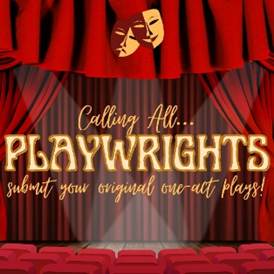
CALLING ALL PLAYWRIGHTS – CALL FOR ORIGINAL ONE-ACT PLAYS
We’re seeking original one-act plays (45–60 minutes) for our upcoming season.
We are looking for:
• Original, unpublished works
• No more than 6 characters
• Minimal set requirements
• Modern-day costuming
• Limited props
• Comedy, dark comedy, drama, or mystery
• Optional light audience interaction
Our productions will take place in an intimate dinner theatre setting with up to 36 guests per performance. We’re especially interested in scripts that lean into strong dialogue, compelling characters, and storytelling that thrives in close proximity.
Selected works will receive a fully staged production before a live audience and promotion through our marketing efforts.
If you’re a local playwright who would love to see your story come to life in an immersive setting, we would love to read your work.
To submit:Email your contact information, a brief synopsis, character breakdown, and a completed script OR 10–15-page sample to: NinaSodenBooks@gmail.com
Subject line:PLAY SUBMISSION – (PLAY NAME)
Theatre Huntsville
Auditions – Murder on the Orient Express
Dates: November 15-16, 2026 at 6:00 PM
Synopsis: Theatre Huntsville invites you to audition for Murder on the Orient Express, Ken Ludwig’s clever and thrilling stage adaptation of the Agatha Christie classic.
Location: Theatre Huntsville Scene Shop and Rehearsal Space (500 Plummer Road Huntsville, al 35806)
Added 8/5/2026
Theatre Huntsville
AUDITIONS: Sister Act: The Musical
Dates: January 23-24, 2027 at 1PM
Synopsis: Ready to raise the roof? Sister Act: The Musical is coming to Theatre Huntsville, and we’re looking for talented, enthusiastic performers to help bring this joyful, high-energy musical comedy to the stage.
Whether you’re a seasoned performer or ready to make your community theatre debut, we want to see what you’ve got.
Come audition, bring your personality, your voice, and maybe a little divine intervention and let’s make some musical magic!
Location: TH Scene Shop & Rehearsal Space (500 Plummer Road)
If you know someone in the North Alabama area (or surrounding areas) who would be interested in receiving the weekly Theatre Happenings Newsletter, please share this email with them so they can subscribe today! https://forms.gle/rqXDP3UhCHGaJQ7b9
My goal is to do regular giveaways… That’s right, I want you all to have a chance to win free event tickets…
WE ARE ALWAYS LOOKING FOR THE NEXT TICKET GIVEAWAY… If you are a part of an upcoming theatre production or theatre/arts event and would like to donate 2 tickets, please give me a call at 256-520-9640 or email me the details at ninasodenbooks@gmail.com.
Want to know your home’s value? Give me a call at 256-520-9640 or CLICK HERE!
Tris Prior develops from an uncertain girl into someone willing to challenge the identities society assigns to her. Her courage grows through fear rather than replacing it, making her progression satisfying. Four is appealing because he combines strength with emotional restraint and vulnerability. The faction system is fascinating even when its logic is imperfect. Fast pacing, training sequences, romance, and political conspiracy make the novel highly entertaining.
Have you ever looked at your calendar and wondered where all the hours went?
That’s been me this week… a lot of weeks.
Somehow I convinced myself I could fit real estate appointments, coaching sessions, theatre rehearsals, family time, writing, laundry, grocery shopping, and sleep into the same twenty-four hours.
Spoiler alert…
I couldn’t. I’ve actually tried several times over the last 6-7 years and I’ve never been successful… not more than a day or two in a row.
I’m slowly learning that writing doesn’t always need an entire free afternoon. Sometimes it only needs twenty quiet minutes before the phone starts ringing again. Sometimes it only needs a small burst of inspiration while standing in line at the store.
Those small moments add up.
Maybe novels aren’t written in giant bursts of inspiration after all.
Know someone who would like to receive the weekly Theatre Happenings Newsletter? Share this link so they can subscribe today!https://forms.gle/rqXDP3UhCHGaJQ7b9
Disclaimer: Theatre Happenings has never and will never sell or share your information with anyone. All information you provide via the links (Submission Form, Giveaway Entry Form, and Feedback Form) within this newsletter is used solely for the purposes of Theatre Happenings and its moderator (Nina Soden) to ensure the best experience possible.
A LITTLE ABOUT ME
GIVEAWAY WINNER ANNOUNCED
PRODUCTIONS
EVENT
GROUP
LOCATION
DATE
Sordid Lives
Shoals Community Theater
123 North Seminary St, Florence, AL 35630
10/15-10/18
Dear Evan Hansen
IMP
Sandra Moon Performing Arts Center
10/16-10/18
Chicka Chicka Boom Boom the Musical
Broadway Theatre League
Von Braun Center Concert Hall
10/22
Belles of Whitechapel: The Victims of Jack the Ripper Speak
Front Row Theatre Troupe
Main Street Café
10/22-10/25
The Addams Family Musical
Dream Weavers Theatre Company
The Princess Theatre
10/23-10/25
Comic Science Improv Halloweenish Hilarity
Comic Science Improv
Shenanigans Comedy Theater
10/30
Come From Away
IMP
Sandra Moon Performing Arts Center
11/19-11/22
Black Tie America
The Whole Backstage Theatre
1120 Rayburn Ave., Guntersville, AL 35976
11/11-11/15
Georgiana & Kitty: Christmas at Pemberley
Theatre Huntsville
Von Braun Center Playhouse
11/13-11/22
The Neil Diamond Musical: A Beautiful Noise
Broadway Theatre League
Von Braun Center Concert Hall
11/20-11/22
How The Grinch Stole Christmas
Shoals Community Theater
123 North Seminary St , Florence , AL 35630
11/19-11/22
Big Band Swingin’ Christmas
The Whole Backstage Theatre
1120 Rayburn Ave., Guntersville, AL 35976
12/17-12/20/2027
Come From Away
Theatre Huntsville
Von Braun Center Playhouse
1/22-2/7/2027
The WIZ
Broadway Theatre League
Von Braun Center Concert Hall
2/9-2/14/27
Smoke on the Mountain
The Whole Backstage Theatre
1120 Rayburn Ave., Guntersville, AL 35976
2/12-2/21/27
The Notebook – The Musical
Broadway Theatre League
Von Braun Center Concert Hall
3/2-3/7/27
Beauty and the Beast
Broadway Theatre League
Von Braun Center Concert Hall
3/24-3/27/27
Shark Dive
Broadway Theatre League
Von Braun Center Concert Hall
4/1/2027
Agatha Christie’s Murder on the Orient Express
Theatre Huntsville
Von Braun Center Playhouse
4/2-4/11/2027
Harvey
The Whole Backstage Theatre
1120 Rayburn Ave., Guntersville, AL 35976
4/16-4/25/27
Hairspray
The Whole Backstage Theatre
1120 Rayburn Ave., Guntersville, AL 35976
6/11-6/20/27
Sister Act: The Musical
Theatre Huntsville
Von Braun Center Playhouse
6/11-6/27/2027
OTHER EVENTS
DETAILS
GROUP/ETC
LOCATION
DATE
Indie Author Enchanted Book Fair
Witches Collegium
Lowe Mill Arts & Entertainment Center
10/31
PLAYWRIGHTS WANTED
Front Row Theatre Troupe
Madison, AL
Ongoing
Audition/Casting Call – Murder on the Orient Express
Theatre Huntsville
TH Scene Shop
11/15-11/16
Audition/Casting Call – Sister Act
Theatre Huntsville
TH Scene Shop
1/23-1/24
SUBMISSION REQUESTS
MONTHLY GIVEAWAY DETAILS
ABOUT ME:Why I Love a Full House
Few things make a theatre producer happier than looking around before a performance and realizing every table or seat is filled. A full house represents people who chose to spend their evening supporting live theatre—and I never take that for granted.
In real estate, a different kind of “full house” makes me happy: a home filled with people, memories, laughter, pets, celebrations, and ordinary Tuesday nights.
I sell houses for a living, but I’ve never believed I’m really selling four walls and a roof. I’m helping people find the place where life is going to happen.
Nina Soden (Associate Broker, The Soden Team of LEGEND REALTY)
ninasodenbooks@gmail.com | 256-520-9640
NEW LISTING
Looking to buy a new home or maybe a rental property in North Alabama? Check out these great homes:
564 Farmingdale Road, Huntsville, AL 35803
Welcome to a spacious split-level home in South Huntsville offering a flexible floor plan for comfortable everyday living! Upstairs, the private primary suite includes its own bath, while a convenient half bath serves guests. The living room with fireplace flows into the kitchen and breakfast nook, creating an inviting space for relaxing or entertaining. On the ground level, you’ll find 2 additional bedrooms and a full bath, offering great separation for family, guests, or a home office, plus direct access to the attached garage. Conveniently located near shopping, dining, schools, parks, and all that South Huntsville has to offer. A wonderful place to call home sweet home!
Move-in ready with space to make it your own! This charming 3BR/2BA home sits on .4 acres in an established neighborhood and features a NEW ROOF & HVAC SYSTEM, both installed in 2024! The main-level owner’s suite offers privacy with an en-suite bath, while upstairs you’ll find 2 additional bedrooms and a full bath—ideal for family, guests, or a home office. An attached 2-car garage (includes a removable soundproof studio) adds convenience, while the spacious lot offers endless possibilities for outdoor entertaining, gardening, pets, or play. A wonderful opportunity to enjoy space, comfort, and valuable updates!
Welcome to 208 Green Garden Drive in Harvest! Offering approximately 2,621 square feet, this spacious home provides plenty of room to spread out, entertain, work from home, & enjoy everyday living. Thoughtfully designed living spaces offer flexibility for any lifestyle, while the Harvest location puts you within convenient reach of shopping, dining, schools, & the growing Huntsville/Madison area. Whether you’re gathering w/friends, enjoying a quiet evening at home, or simply looking for more space without giving up convenience, this property offers the versatility you’ve been searching for. This home is ready for its next chapter & its next owner. Come see what makes this home worth a look.
Dates: October 15 – 18, 2026 7:30pm nightly and 2pm on Sunday
Synopsis: Get ready for a hilariously chaotic dive into small-town Southern life with Sordid Lives, the award-winning “black comedy about white trash” by Del Shores. When Peggy, the family matriarch, meets her untimely demise in a freak accident, her dysfunctional Texas family is forced to reunite for her funeral. What follows is a sidesplitting, heartwarming, and sometimes outrageous exploration of love, acceptance, and forgiveness
Performed at: 123 North Seminary St , Florence, AL 35630
Tickets: $12 – $15 Go to theshoalstheatre.org or call 256-764-1700
Added 6/8/2026
Available Home
Looking to buy a new home or maybe a rental property in North Alabama? Check out these great homes:
105 Liverpool Drive, Madison, AL
3 Bed | 2 Bath | 1,966 SQFT
This beautiful home is in the heart of Madison (35758). Schools: Columbia Elementary, Liberty Middle, and James Clemens High School. Built in 2003, this full brick ranch-style home has a formal dining room, eat-in kitchen, in-home office, and a secluded primary suite. Interested in the details? Call me at 256-520-9640
Performed at: Sandra Moon Performing Arts Center (7901 Bailey Cove Rd SE, Huntsville, AL 35802)
SUMMARY:Featuring a Tony Award-winning book by Steven Levenson (Fosse/Verdon), and a score by Grammy®, Tony®, Emmy® and Academy Award® winners Benj Pasek and Justin Paul (The Greatest Showman, La La Land, Dogfight, James and the Giant Peach), Dear Evan Hansen is a new classic, with a message that has resonated with audiences around the world: “You Will Be Found.”
Seventeen-year-old Evan Hansen has felt invisible his entire life. But when a tragedy shocks his community and thrusts him into the center of a rapidly evolving controversy, Evan is given the opportunity of a lifetime: the chance to be somebody else. As his web of well-intentioned lies begins to unravel, though, Evan is forced to confront the fact that the price of belonging may be far steeper than he bargained for.
The show opened at the Music Box Theatre to rave reviews and struck an emotional chord with critics and audiences alike. It went on to win six 2017 Tony Awards, including Best Musical, the Drama League Award for Outstanding Musical Production, two Obie Awards, a Drama Desk Award, two Outer Critics Circle Awards and two Helen Hayes Awards.
Synopsis: Based on the beloved children’s book (copyright 1989) by Bill Martin Jr. and John Archambault, with illustrations by Lois Ehlert, Chicka Chicka Boom Boom: The Musical brings the iconic alphabet adventure to life in a vibrant theatrical celebration of language, music, & imagination. The production is written and directed by Nina Meehan, with original music by Austin Zumbro, produced by Third Wish Productions.
When the letters of the alphabet race up the coconut tree, chaos, comedy, and rhythm take over the stage. Loved by generations of families and educators, Chicka Chicka Boom Boom has sold more than 30 million copies worldwide and remains a cornerstone of early childhood literacy.
In this lively stage adaptation, a troupe of playful Players brings the story to life through toe-tapping songs, physical comedy, and dance. Along the way, audiences join the fun by clapping, calling back, filling in the blanks, and even helping the letters pick themselves up after their famous crash. With surprises like the pop-star group LMNOP, the capital-letter parents rushing to the rescue, and the always-last little z, each moment invites audiences to play along.
Perfect for family series and school matinees, Chicka Chicka Boom Boom: The Musical delights younger audiences while entertaining older students and parents with musical variety, theatrical comedy, and clever wordplay.
The musical premiered at Seattle Children’s Theatre in September 2025, quickly becoming a hit with families and school audiences.
Performed at: Von Braun Center Concert Hall (700 Monroe Street SW, Huntsville, AL)
The Belles of Whitechapel:The Victims of Jack the Ripper Speak
By WJR Miller
Dinner and a Performance
Dates:
October 22nd – 24th, 2026 at 6:00PM
October 29th – 31st, 2026 at 6:00PM
Synopsis: In this powerful and haunting production, the women known to history only as victims are finally given a voice. Through humor, heartbreak, resilience, and humanity, the women of Whitechapel share their stories and challenge the myths surrounding one of history’s most infamous killers.
Cast List:
Jacquelyn Bernard as Annie Millwood
Joy Whitt as Martha Tabraum
Tanja Miller as Polly Nichols
Stephanie Hyatt as Dark Annie Chapman
Sharon Firschein as Long Liz Stride
Stacy Neuberger-von Hoffman as Kate Eddowes
Alexandria Robinson as Kate Eddowes (October 10/23/2026)
Valerie Clemons as Sarah Lewis
Nina Soden as Mary Jane Kelly
Performed at: Main Street Café (101 Main Street, Madison, AL 35758)
Beautiful full-brick, single-level townhome in desirable Clift Farm! This 3BR/2BA home offers almost 1900 sq ft with an open floor plan, gourmet kitchen featuring quartz countertops, backsplash, large island, and abundant cabinetry. The private owner’s suite includes a soaking tub, separate shower, and walk-in closet. Enjoy the screened-in porch and fenced backyard for added privacy, plus numerous upgrades throughout. Amenities include a pool, clubhouse, fitness center, playground, new pickleball courts, dog park, and golf cart-friendly streets, all near shopping and dining.
Beautiful, freshly painted 2-story brick w/finished walk-out basement. Outstanding finishes throughout. Primary on main level w/glamour bath featuring granite, ceramic tile, large tile shower & plant ledge. Heavy crown molding throughout, columns, & French doors to the office. The Kitchen offers a commercial gas stove w/ double ovens, granite, & walk-in pantry. 2-story family room. 2-bedrooms upstairs w/private baths & walk in closets. Finished basement has a 2nd kitchen, large dining area, bonus room, private bedroom & bath, & large cinderblock-walled storage room. Covered deck and patio off the back of the house. Walk-out attic storage on the second level.
Synopsis: THE ADDAMS FAMILY, a comical feast that embraces the wackiness in every family, features an original story and a dilemma that’s every father’s nightmare: Wednesday Addams, the ultimate princess of darkness, has grown up and fallen in love with a sweet, smart young man from a respectable family—a man her parents have never met. And if that wasn’t upsetting enough, Wednesday confides in her father and begs him not to tell her mother. Now, Gomez Addams must do something he’s never done before—keep a secret from his beloved wife, Morticia. Everything will change for the whole family on the fateful night they host a dinner for Wednesday’s “normal” boyfriend and his parents.
Performed at: The Princess Theatre (112 2nd Ave. NE, Decatur, AL 35601)
Tickets: $18 – Students, Veterans, & Seniors | $20 – Adults The Princess Theatre website: https://princesstheatre.org/ Or at the box office
Added 9/14/2026
Comic Science Improv
Comic Science Improv Halloweenish Hilarity
Dates: October 30, 2026 at 7pm
Synopsis: Join Comic Science Improv on the night before Halloween for an evening of kinda Halloweenish hilarity in Huntsville! We’ll do our normal awesome improv games, but we’ll wear really lazy costumes when we do. You give us the suggestions; we act them out in the funniest possible way allowed by law! Come laugh with us… or at us! Improv comedy for all audiences!
Performed at: Shenanigans Comedy Theater (2650 Leeman Ferry Road, Unit A, Huntsville, AL 35805)
Performed at: Sandra Moon Performing Arts Center (7901 Bailey Cove Rd SE, Huntsville, AL 35802)
SUMMARY:Come From Away is a critically acclaimed musical featuring a culturally relevant script accompanied by a deeply moving score by Irene Sankoff and David Hein. The show has earned global success with 37 award nominations, 13 of which resulted in wins, most notably Best New Musical at the 2019 Olivier Awards and Outstanding Musical at the 2017 Drama Desk Awards. The show’s global presence resonates across all audiences as an uplifting reminder of humanity’s ability to come together, no matter what the circumstances.
Come From Away is based on the true story of the time when the isolated community of Gander, Newfoundland, played host to the world. What started as an average day in a small town turned into an international sleepover, when 38 planes, carrying thousands of people from around the globe, were diverted to Gander’s airstrip on September 11, 2001. Undaunted by culture clashes and language barriers, the people of Gander cheered the stranded travelers with music, an open bar and the recognition that we’re all part of a global family.
Come From Away gives theatres the opportunity to contribute to its worldwide impact by spreading the show’s message of kindness, unity, and resilience with their communities. With a flexible cast size and possibilities for technical creativity, Come From Away is guaranteed to be a show for audiences to remember.
Synopsis: This coming November, opening on Veterans Day for a five-day run, I will have the privilege of producing and directing an “America 250 Edition” of my choral revue, Black Tie America.
On Independence Day, July 4, 2026, America marked its 250th birthday, the Semi quincentennial of the Declaration of Independence. This production is our opportunity to reflect, remember, and celebrate that milestone through music and storytelling.
A 100-voice choir will raise the roof of the Dot Moore Theatre in a powerful celebration of America’s 250th birthday. Our opening night, on Veterans Day, will be especially meaningful as we honor all who have served, recognizing their dedication and sacrifice, regardless of where or how they served.
Performed at: 1120 Rayburn Ave/Dot Moore Way, Guntersville, AL 35976
Tickets: 256-582-7469 | office@wholebackstage.com
Added 8/21/2026
Theatre Huntsville
Georgiana & Kitty: Christmas at Pemberley
Dates: November 13-22, 2026
Synopsis: Jane Austen fans, rejoice: this witty holiday sequel catches up with the Bennet and Darcy families years after “Pride and Prejudice,” as youngest sister Kitty and shy Georgiana Darcy navigate love, family expectations, and a very eventful Christmas at Pemberley. Sharp dialogue and period charm make it a cozy seasonal delight even if you’ve never read a page of Austen.
Performed at: Von Braun Center Playhouse (700 Monroe Street SW, Huntsville, AL)
Tickets: Adults: $28 | Students, Seniors, Active Military $26
Added 9/8/2026
Broadway Theatre League
The Neil Diamond Musical – A Beautiful Noise
Dates: November 20-22, 2026
Synopsis: Created in collaboration with Neil Diamond himself, A BEAUTIFUL NOISE is the uplifting true story of how a kid from Brooklyn became a chart-busting, show-stopping American rock icon. With 120 million albums sold, a catalogue of classics like “America,” “Forever in Blue Jeans,” and “Sweet Caroline,” an induction into the Songwriters and Rock and Roll Halls of Fame, a Grammy® Lifetime Achievement Award, and sold-out concerts around the world that made him bigger than Elvis, Neil Diamond’s story was made to shine on Broadway-and head out on the road across America.
Performed at: Von Braun Center Concert Hall (700 Monroe Street SW, Huntsville, AL)
Performed at: Shoals Community Theater (123 North Seminary St, Florence, AL 35630)
SYNOPSIS: How the Grinch Stole Christmas! is a classic tale about a bitter, solitary creature who despises Christmas and plans to steal it from the cheerful Whos of Whoville. Disguised as Santa Claus, he steals all presents and decorations, only to realize that Christmas is not about material goods, causing his heart to grow and prompting him to return everything.
Tickets: $12-$15 email info@shoalstheatre.org or call 256-764-1700
Added 4/7/2026
The Whole Backstage Theatre – HOLIDAY FUNDRAISER
Big Band Swingin’ Christmas
Dates: December 17-20, 2026
Synopsis: MORE INFORMATION TO COME
Performed at: 1120 Rayburn Ave/Dot Moore Way, Guntersville, AL 35976
Tickets: 256-582-7469 | office@wholebackstage.com
Added 8/21/2026
HOMES FOR SALE
Looking to buy a new home or maybe a rental property in North Alabama? Check out these great homes:
Step into comfort & style in this stunning 5BR/5BA home of thoughtfully designed living space. The open floor plan features a gourmet kitchen w granite counters, SS appliances, gas cooktop, & a lg island that flows into the spacious LR with cozy FP, perfect for everyday living & entertaining. A private in-law suite with full BA is conveniently located on the main level, ideal for guests or multi-gen living. Upstairs, the spacious primary suite offers a relaxing retreat with a sitting area, fireplace & a spa-inspired bath. Add’l BRs and flexible living space provide room for work, play, or hobbies. Enjoy outdoor living with covered patios and a backyard FP perfect for year-round gatherings.
Move-in ready and better than new, this one-level home sits on a desirable corner lot with a spacious open-concept layout perfect for everyday living and entertaining. The kitchen features quartz countertops, a large island, and walk-in pantry, flowing seamlessly into the dining and living areas. The isolated primary suite offers a double vanity and generous space. Enjoy a covered front porch and extended rear patio, ideal for relaxing or hosting guests. Located in a private 52-acre community with walking trails, pool, cabana, and outdoor grill, just minutes from Huntsville, Madison, Toyota, and Redstone Arsenal, with easy access to major roads and nearby conveniences.
Synopsis: Based on the astonishing true story of the small Newfoundland town that welcomed 7,000 stranded travelers when U.S. airspace shut down on 9/11, this Tony-nominated musical turns an unimaginable day into an unforgettable celebration of humanity and hospitality. Told through interwoven true stories and toe-tapping music, it’s a reminder of the good people are capable of in the worst of times.
Performed at: Von Braun Center Playhouse (700 Monroe Street SW, Huntsville, AL)
Tickets: Adults: $32 | Students, Seniors, Active Military $30
Added 9/8/2026
Broadway Theatre League
The WIZ
Dates: February 9-14, 2027
Synopsis: The Tony® Award-winning Best Musical that took the world by storm is back.
THE WIZ returns “home” to stages across America in an all-new tour, direct from Broadway.
This groundbreaking twist on The Wizard of Oz changed the face of Broadway—from its iconic score packed with soul, gospel, rock, and 70s funk to its stirring tale of Dorothy’s journey to find her place in a contemporary world.
Performed at: Von Braun Center Concert Hall (700 Monroe Street SW, Huntsville, AL)
Tickets: Tickets go on sale Thursday, September 3, 2026
Added 9/1/2026
The Whole Backstage Theatre
Smoke on the Mountain
Dates: February 12-21, 2027
Synopsis: MORE INFORMATION TO COME
Performed at: 1120 Rayburn Ave/Dot Moore Way, Guntersville, AL 35976
Tickets: 256-582-7469 | office@wholebackstage.com
Added 8/21/2026
Broadway Theatre League
The Notebook
Dates: March 2-7, 2027
Synopsis: Based on the best-selling novel that inspired the iconic film, THE NOTEBOOK tells the story of Allie and Noah, both from different worlds, who share a lifetime of love despite the forces that threaten to pull them apart. “Full of butterfly-inducing highs and beautiful songs” (Entertainment Weekly), THE NOTEBOOK is a deeply moving portrait of the enduring power of love.
Chris Jones of The Chicago Tribune says THE NOTEBOOK is “absolutely gorgeous, not to be missed,” and The New York Daily News calls it “a love story for the ages.”
THE NOTEBOOK is directed by Michael Greif (Dear Evan Hansen, Next to Normal, RENT) and Schele Williams (The Wiz, Aida), and features music and lyrics by multi-platinum singer-songwriter Ingrid Michaelson, book by Bekah Brunstetter (NBC’s “This Is Us”), and choreography by Katie Spelman.
Performed at: Von Braun Center Concert Hall (700 Monroe Street SW, Huntsville, AL)
Tickets: Tickets will go on sale Thursday, September 17, 2026
Added 9/1/2026
Broadway Theatre League
Beauty and the Beast – The Musical
Dates: March 24-27, 2027
Synopsis: Be Our Guest at BEAUTY AND THE BEAST, Disney’s first North American touring production of the beloved musical in over 25 years. This enchanting and timeless tale, filled with the romance and grandeur audiences know and love, has been brought to life like never before, with spectacular new sets and dazzling costumes. The show boasts the Oscar®-winning and Tony Award®-nominated score, including the classic songs “Be Our Guest” and “Beauty and the Beast.”
Reuniting to create this new production are members of the original Tony Award®-winning artistic team, including composer Alan Menken, lyricist Tim Rice, book writer Linda Woolverton, with direction and choreography by Matt West, scenic design by Stanley A. Meyer, costume design by Ann Hould-Ward and lighting design by Natasha Katz. BEAUTY AND THE BEAST is the beloved musical that will fill your heart with joy and Disney magic.
Performed at: Von Braun Center Concert Hall (700 Monroe Street SW, Huntsville, AL)
Tickets: Tickets will go on sale Thursday, October 20, 2026
Added 9/1/2026
Broadway Theatre League
Shark Dive
Dates: April 1, 2027
Synopsis: It’s a shark dive, but not as you know it!
Delve deep to discover what swims beneath the surface. Come face to face with an array of enchanting sea life that has existed from deep within our prehistoric past to the rich biodiversity that now inhabits the world’s oceans.
Presented as a live poetic documentary, the exquisite puppets of Erth’s Shark Dive will enchant and delight, and challenge you to reconsider our own role in protecting these much maligned magnificent creatures.
You won’t encounter any Hollywood jump scares here: you will be surprised at how beautiful these creatures actually are. Take the risk and have your expectations turned upside down!
Encounter bull sharks, grey nurses and the majestic great white shark in this tantalising underwater experience from one of Australia’s foremost visual theatre companies.
Erth’s Shark Dive was originally commissioned for the Australian Museum, and has been presented at the Australian National Maritime Museum, Sydney Festival and Brisbane Festival before touring the USA.
Erth’s Shark Dive new stage show will debut at the Sydney Opera House in October 2026.
Performed at: Von Braun Center Concert Hall (700 Monroe Street SW, Huntsville, AL)
Synopsis: When a snowbound train becomes the scene of a shocking murder, legendary detective Hercule Poirot must unravel a car full of suspects, secrets, and alibis before the killer strikes again. Agatha Christie’s most famous whodunit comes to life on stage with sharp wit, stylish intrigue, and a twist you won’t see coming.
Performed at: Von Braun Center Playhouse (700 Monroe Street SW, Huntsville, AL)
Tickets: Adults: $28 | Students, Seniors, Active Military $26
Added 9/8/2026
The Whole Backstage Theatre
Harvey by Mary Chase
Dates: April 16-25, 2027
Synopsis: Harvey follows Elwood P. Dowd, a polite man whose best friend is an invisible, six-foot-one-and-a-half-inch tall rabbit named Harvey. This “pooka” is a mischievous spirit from Irish folklore. Elwood’s embarrassed sister, Veta, tries to commit him to a sanitarium. After a chaotic mix-up, the doctors accidentally lock Veta up instead of Elwood. The story explores whether Elwood’s gentle delusion is better than the cynical reality of the world.
Performed at: 1120 Rayburn Ave/Dot Moore Way, Guntersville, AL 35976
Tickets: 256-582-7469 | office@wholebackstage.com
Added 8/21/2026
The Whole Backstage Theatre
Hairspray
Dates: June 11-20, 2027
Synopsis: Set in 1962 Baltimore, Hairspray follows Tracy Turnblad, an optimistic teenager with big hair and a big heart. She dreams of dancing on the local teenage music program, The Corny Collins Show. After winning a spot on the show, Tracy becomes an overnight celebrity. She uses her newfound fame to launch a campaign to racially integrate the broadcast, challenging the show’s producer and societal norms.
Performed at: 1120 Rayburn Ave/Dot Moore Way, Guntersville, AL 35976
Tickets: 256-582-7469 | office@wholebackstage.com
Added 8/21/2026
Theatre Huntsville
Sister Act: The Musical
Dates: June 11 – 27, 2027
Synopsis: When a disco diva witnesses a crime and gets hidden away in a convent for her own protection, she turns a struggling choir and the whole sisterhood into a soul-powered sensation. Bursting with glitter, gospel, and unstoppable energy, this feel-good musical is a joyful night out for audiences of every background.
Performed at: Von Braun Center Playhouse (700 Monroe Street SW, Huntsville, AL)
Tickets: Adults: $32 | Students, Seniors, Active Military $30
Added 9/8/2026
OTHER EVENTS:
Witches Collegium
INDIE AUTHOR ENCHANTED BOOK FAIR
The 5th annual Witches Collegium™ Indie Author Enchanted Book Fair (also called the Enchanted Author Market) is a spooky literary event taking place on Halloween day. [1, 2]
Event Details
Date: Saturday, October 31, 2026
Time: 11:00 AM – 4:00 PM (or extending up to 5:00 PM depending on the space)
This specialized fair is being hosted in conjunction with the broader Witches Collegium weekend festival sponsored by Sparkle Studios. While the full festival features a 47-studio scavenger hunt, free classes, a costume Witch’s Walk, and door prizes, the Enchanted Author Market specifically acts as an immersive destination for readers who love darker, mystical tales.
You will have the opportunity to meet local independent authors and purchase books directly across spooky, magical genres including:
Fantasy & Romantasy
Dark Fantasy & Gothic Fiction
Horror & Thrillers
Paranormal Romance
Pagan-inspired Fiction & Folklore
Front Row Theatre Troupe
CALLING ALL PLAYWRIGHTS – CALL FOR ORIGINAL ONE-ACT PLAYS
We’re seeking original one-act plays (45–60 minutes) for our upcoming season.
We are looking for:
• Original, unpublished works
• No more than 6 characters
• Minimal set requirements
• Modern-day costuming
• Limited props
• Comedy, dark comedy, drama, or mystery
• Optional light audience interaction
Our productions will take place in an intimate dinner theatre setting with up to 36 guests per performance. We’re especially interested in scripts that lean into strong dialogue, compelling characters, and storytelling that thrives in close proximity.
Selected works will receive a fully staged production before a live audience and promotion through our marketing efforts.
If you’re a local playwright who would love to see your story come to life in an immersive setting, we would love to read your work.
To submit:Email your contact information, a brief synopsis, character breakdown, and a completed script OR 10–15-page sample to: NinaSodenBooks@gmail.com
Subject line:PLAY SUBMISSION – (PLAY NAME)
Theatre Huntsville
Auditions – Murder on the Orient Express
Dates: November 15-16, 2026 at 6:00 PM
Synopsis: Theatre Huntsville invites you to audition for Murder on the Orient Express, Ken Ludwig’s clever and thrilling stage adaptation of the Agatha Christie classic.
Location: Theatre Huntsville Scene Shop and Rehearsal Space (500 Plummer Road Huntsville, al 35806)
Added 8/5/2026
Theatre Huntsville
AUDITIONS: Sister Act: The Musical
Dates: January 23-24, 2027 at 1PM
Synopsis: Ready to raise the roof? Sister Act: The Musical is coming to Theatre Huntsville, and we’re looking for talented, enthusiastic performers to help bring this joyful, high-energy musical comedy to the stage.
Whether you’re a seasoned performer or ready to make your community theatre debut, we want to see what you’ve got.
Come audition, bring your personality, your voice, and maybe a little divine intervention and let’s make some musical magic!
Location: TH Scene Shop & Rehearsal Space (500 Plummer Road)
If you know someone in the North Alabama area (or surrounding areas) who would be interested in receiving the weekly Theatre Happenings Newsletter, please share this email with them so they can subscribe today! https://forms.gle/rqXDP3UhCHGaJQ7b9
My goal is to do regular giveaways… That’s right, I want you all to have a chance to win free event tickets…
WE ARE ALWAYS LOOKING FOR THE NEXT TICKET GIVEAWAY… If you are a part of an upcoming theatre production or theatre/arts event and would like to donate 2 tickets, please give me a call at 256-520-9640 or email me the details at ninasodenbooks@gmail.com.
Want to know your home’s value? Give me a call at 256-520-9640 or CLICK HERE!
Anita Blake is confident, skilled, and refreshingly difficult to intimidate. Her work raising the dead and consulting on supernatural crimes gives the story a strong mystery foundation. The tension between Anita and vampire leader Jean-Claude introduces future romantic complications without overwhelming the first plot. Some dialogue and attitudes reflect the era in which it was written, but the book remains an influential example of action-oriented urban fantasy.
ENJOY A DINNER THEATRE EXPERIENCE UNLIKE ANYTHING YOU’VE SEEN BEFORE!
Front Row Theatre Troupe in partnership with Main Street Cafe Present…
The Belles of Whitechapel: The Victims of Jack the Ripper Speak
by WJR Miller
SYNOPSIS: Everyone has heard the name Jack the Ripper. But how many, other than True Crime enthusiasts who’ve studied the case, can name even one of the Ripper’s victims? THE BELLES OF WHITECHAPEL: THE VICTIMS OF JACK THE RIPPER SPEAK gives these women back their voices. Through a series of monologues, it shows that each was a unique individual with thoughts, feelings, and her own story. Far more than just numbers on the hit list of history’s most infamous serial killer, they were real people, united in death by the hand of their murderer. The audience will learn all the salient facts concerning the Ripper case, yes, but more importantly will come to know the women whose lives were tragically cut short and who have largely been forgotten—until now.
PERFORMANCE LOCATION: Main Street Cafe (101 Main St, Madison, AL 35758)
All tickets are $65 and include dinner and the performance
DATES/TIMES:
October 22nd at 6:00 PM
October 23rd at 6:00 PM
October 24th at 6:00 PM
October 29th at 6:00 PM
October 30th at 6:00 PM
October 31st at 6:00 PM (OVERFLOW DATE IF OTHER DATES SELL OUT)
ORDER TICKETS BY SCANNING THE QR CODE BELOW!
MEET THE AUTHOR:
WJR MILLER
A lifelong native of Alabama, WJR MILLER has been writing since childhood. He has written, directed, produced (and occasionally performed in) over two-dozen stage plays, running the gamut from Horror and True Crime (his specialties) to musicals, children’s plays, comedies, and even the historical biography of a murderous shark.
MEET THE DIRECTOR / PRODUCER:
NINA SODEN
Nina Soden is a director, producer, and performer with a lifelong passion for theatre. She holds a degree in Theatre Arts and Communications from Eastern Michigan University and has worked extensively both onstage and behind the scenes in directing, acting, stage management, and technical production.
Her directing credits include beloved productions such as The Importance of Being Earnest, Arsenic and Old Lace, and You Can’t Take It With You, among others. Nina has brought compelling performances to life in roles ranging from classic drama to contemporary comedy. As the founder of Front Row Theatre Troupe, Nina is dedicated to creating immersive, engaging theatrical experiences that bring stories to life, showcase local talent, and build community.
Jacquelyn Bernard is delighted to be back on stage with Front Row Theatre Troupe, this time in The Belles of Whitechapel: The Victims of Jack the Ripper. Jacquelyn has performed with Fantasy Playhouse, Madison Community Chorus/Ovation Arts, Renaissance Theatre, and Asbury Church in productions including The Sound of Music, The King and I, Little Orphan Annie, and Swiss Family Robinson. After taking a few years away from the stage, she is thrilled to be acting again and especially grateful for the opportunity to be part of a production that gives voice to the women behind a story that has too often focused only on their killer. She hopes you enjoy the evening—and leave with a little more understanding of the women who were so much more than the names history remembers.
JOY WHITTas Martha Tabram
Joy Whitt is a local actor, writer, and barbecue cook. Wayne’s version of Martha Tabram is her favorite of the Belles and she is so very happy to be here to show you Martha’s heart and soul. These women all deserve to be heard. It’s a beautiful thing to be able to share them with you all today. Check Joy out on Instagram @jeri_legg_
Tanja Miller as Polly Nichols
Tanja Lewis Miller is honored to play a part in the newly formed Front Row Theatre Troupe. As Membership Director for Broadway Theatre League and Co-Owner of Evil Cheez Productions, the performance arts consume pretty much 99% of her life, and she wouldn’t have it any other way. So much love to Nina, her sis from another miss, for including her in this dream project. Love to the cast and crew and to Wayne (her Shmoo) the playwright for his ridiculous talent. And thank YOU, the audience, for making all this possible!
STEPHANIE HYATT as Dark Annie Chapman
Stephanie Hyatt is thrilled for this opportunity to bring Dark Annie Chapman to life, to tell her story, even if just for a brief moment in time! Her theater jaunts around Huntsville have been numerous, acting in shows with Theatre Huntsville, Fantasy Playhouse, and the beloved but defunct Renaissance Theatre. Lately, she’s been more busy costuming than acting, but is excited, for the third time this year to share this stage with friends for Front Row Theatre Troupe!
SHARON FIRSCHEIN as Long Liz Stride
Sharon is thrilled to be returning to the stage after a long hiatus. It is just her luck to have her Rocket City debut with Front Row Theatre Troupe and performing with such talented Belles. Sharon has acted both on stage and on camera as well as directed and produced in both mediums. She has died and been murdered in dinner theatre in Las Vegas and one of her favorite roles was Georgeanne in Five Women Wearing the Same Dress. During her hiatus, she was blessed to raise four sons. The role of Mom has been her favorite part to play. Sharon is grateful to return – killin’ her performance and rippin’ into this role.
STACY NEUBERGER as Kate Eddows
Stacy Neuberger-von Hoffman has done many parts in the theater world – acting, writing, assistant directing, directing, scene design, and many other acts behind the scenes. Stacy is excited to be acting again for Front Row Theatre Troupe as Kate Eddows.
VALERIE CLEMONS as Sarah Lewis
Valerie is excited to once again portray a Belle of Whitechapel and is looking forward to performing at the venue in Madison. Comedy is usually her go-to, so a drama is a nice challenge every so often. Valerie lives in Albertville with her fur children, Chloe and Robert Anne.
NINA SODEN as Mary Jane Kelly
As a performer, Nina has taken on roles spanning classic theatre, drama, comedy, and murder mysteries, and she especially enjoys the connection that live theatre creates between actors and audiences. Whether stepping into a dramatic role or embracing the timing and unpredictability of comedy, she loves the challenge of discovering what makes each character unique.
Mary Jane Kelly is one of Nina’s favorite roles and she is grateful that Wayne Miller has once again given her the opportunity to bring her to life.
Don’t Miss Our Next Production!
Love Rewritten
An Interactive Romantic Comedy
Written by Stacy Kingsley and Nina Soden
What happens when the audience is seated, the show is about to begin, and the playwright hasn’t actually written the play?
In Love Rewritten, a dinner theatre production takes an unexpected turn when the producer discovers that her playwright/director, Nancy Kilgore, has arrived without a finished script and no actors. With an audience waiting and no actors in sight, the producer and her quick-witted assistant must somehow keep the show going.
As Nancy begins writing, her imagination comes to life right before the audience’s eyes. From a dramatic military farewell to a complicated family romance filled with secrets and heartbreak, each new story brings unexpected challenges, hilarious interruptions, and increasingly frustrated performers. But when Nancy finally discovers a charming little bookstore, two strangers, and a shared love of coffee and Stephen King novels, she may have stumbled upon the perfect love story after all.
Filled with laugh-out-loud moments, playful audience participation, and plenty of theatrical chaos, Love Rewritten is a heartwarming comedy about the unpredictable nature of love, the magic of storytelling, and the realization that sometimes the best romances are found in life’s simplest moments.
I sat down this week determined to finish a chapter I’d been wrestling with.
Instead, I rewrote the same three pages… over and over.
At one point I seriously considered deleting the whole thing and pretending it had never existed.
I’ve learned something about writing over the years.
The chapters that fight back usually matter the most.
They’re asking me to dig a little deeper. To understand my characters a little better. To stop rushing toward the finish line and listen to what the story is trying to become.
It’s frustrating.
It’s exhausting.
But maybe that’s how good stories are made—not by writing quickly, but by refusing to give up on the difficult parts.
Know someone who would like to receive the weekly Theatre Happenings Newsletter? Share this link so they can subscribe today!https://forms.gle/rqXDP3UhCHGaJQ7b9
Disclaimer: Theatre Happenings has never and will never sell or share your information with anyone. All information you provide via the links (Submission Form, Giveaway Entry Form, and Feedback Form) within this newsletter is used solely for the purposes of Theatre Happenings and its moderator (Nina Soden) to ensure the best experience possible.
A LITTLE ABOUT ME
GIVEAWAY WINNER ANNOUNCED
PRODUCTIONS
EVENT
GROUP
LOCATION
DATE
The Rook and the Sinister Urge
Evil Cheez Productions
Ravenwood Meadery at Lowe Mill
10/9-10/10
Sordid Lives
Shoals Community Theater
123 North Seminary St, Florence, AL 35630
10/15-10/18
Dear Evan Hansen
IMP
Sandra Moon Performing Arts Center
10/16-10/18
Chicka Chicka Boom Boom the Musical
Broadway Theatre League
Von Braun Center Concert Hall
10/22
Belles of Whitechapel: The Victims of Jack the Ripper Speak
Front Row Theatre Troupe
Main Street Café
10/22-10/25
The Addams Family Musical
Dream Weavers Theatre Company
The Princess Theatre
10/23-10/25
Comic Science Improv Halloweenish Hilarity
Comic Science Improv
Shenanigans Comedy Theater
10/30
Come From Away
IMP
Sandra Moon Performing Arts Center
11/19-11/22
Black Tie America
The Whole Backstage Theatre
1120 Rayburn Ave., Guntersville, AL 35976
11/11-11/15
Georgiana & Kitty: Christmas at Pemberley
Theatre Huntsville
Von Braun Center Playhouse
11/13-11/22
The Neil Diamond Musical: A Beautiful Noise
Broadway Theatre League
Von Braun Center Concert Hall
11/20-11/22
How The Grinch Stole Christmas
Shoals Community Theater
123 North Seminary St , Florence , AL 35630
11/19-11/22
Big Band Swingin’ Christmas
The Whole Backstage Theatre
1120 Rayburn Ave., Guntersville, AL 35976
12/17-12/20/2027
Come From Away
Theatre Huntsville
Von Braun Center Playhouse
1/22-2/7/2027
The WIZ
Broadway Theatre League
Von Braun Center Concert Hall
2/9-2/14/27
Smoke on the Mountain
The Whole Backstage Theatre
1120 Rayburn Ave., Guntersville, AL 35976
2/12-2/21/27
The Notebook – The Musical
Broadway Theatre League
Von Braun Center Concert Hall
3/2-3/7/27
Beauty and the Beast
Broadway Theatre League
Von Braun Center Concert Hall
3/24-3/27/27
Shark Dive
Broadway Theatre League
Von Braun Center Concert Hall
4/1/2027
Agatha Christie’s Murder on the Orient Express
Theatre Huntsville
Von Braun Center Playhouse
4/2-4/11/2027
Harvey
The Whole Backstage Theatre
1120 Rayburn Ave., Guntersville, AL 35976
4/16-4/25/27
Hairspray
The Whole Backstage Theatre
1120 Rayburn Ave., Guntersville, AL 35976
6/11-6/20/27
Sister Act: The Musical
Theatre Huntsville
Von Braun Center Playhouse
6/11-6/27/2027
OTHER EVENTS
DETAILS
GROUP/ETC
LOCATION
DATE
PLAYWRIGHTS WANTED
Front Row Theatre Troupe
Madison, AL
Ongoing
Audition/Casting Call – Murder on the Orient Express
Theatre Huntsville
TH Scene Shop
11/15-11/16
Audition/Casting Call – Sister Act
Theatre Huntsville
TH Scene Shop
1/23-1/24
SUBMISSION REQUESTS
MONTHLY GIVEAWAY DETAILS
ABOUT ME:
The Audition Room
Auditions are fascinating because sometimes the person you pictured for a role isn’t the person who ultimately walks through the door. Then someone reads, and suddenly you can’t imagine anyone else playing that character.
I’ve watched buyers experience that exact thing with houses. They send me a list of what they think they want—and then unexpectedly fall in love with something completely different.
That’s why I encourage buyers to know their non-negotiables but leave a little room for surprise. Sometimes the house you never would have chosen from the photos becomes the one you can’t stop thinking about.Nina Soden (Associate Broker/Realtor, The Soden Team at LEGEND REALTY)
Looking to buy a new home or maybe a rental property in North Alabama? Check out these great homes:
564 Farmingdale Road, Huntsville, AL 35803
Welcome to a spacious split-level home in South Huntsville offering a flexible floor plan for comfortable everyday living! Upstairs, the private primary suite includes its own bath, while a convenient half bath serves guests. The living room with fireplace flows into the kitchen and breakfast nook, creating an inviting space for relaxing or entertaining. On the ground level, you’ll find 2 additional bedrooms and a full bath, offering great separation for family, guests, or a home office, plus direct access to the attached garage. Conveniently located near shopping, dining, schools, parks, and all that South Huntsville has to offer. A wonderful place to call home sweet home!
Move-in ready with space to make it your own! This charming 3BR/2BA home sits on .4 acres in an established neighborhood and features a NEW ROOF & HVAC SYSTEM, both installed in 2024! The main-level owner’s suite offers privacy with an en-suite bath, while upstairs you’ll find 2 additional bedrooms and a full bath—ideal for family, guests, or a home office. An attached 2-car garage (includes a removable soundproof studio) adds convenience, while the spacious lot offers endless possibilities for outdoor entertaining, gardening, pets, or play. A wonderful opportunity to enjoy space, comfort, and valuable updates!
You’ve won two tickets to the Shoals Community Theatre production of Sordid Lives October 15th – 18th. A representative will reachout to you shortly to get your tickets scheduled.
Check out the upcoming giveaways below. The next winner will be announced on Tuesday, October 27, 2026. It could be you!
UPCOMING GIVEAWAYS:
Sponsor: Theatre Huntsville Production: Georgiana & Kitty: Christmas at Pemberley Ticket Dates: November 13 – 22, 2026 WINNER ANNOUNCED: October 27, 2026
Sponsor: Shoals Community Theatre Production: How The Grinch Stole Christmas Ticket Dates: November 19-22, 2026 WINNER ANNOUNCED: November 10, 2026
Sponsor: Theatre Huntsville Production: Come From Away Ticket Dates: January 22 – February 7, 2027 WINNER ANNOUNCED: January 5, 2027
Sponsor: Broadway Theatre League Production: The Wiz Ticket Dates: February 9, 2027 WINNER ANNOUNCED: February 2, 2027
Sponsor: Broadway Theatre League Production: The Notebook Ticket Dates: March 2, 2027 WINNER ANNOUNCED: February 23, 2027
Sponsor: Theatre Huntsville Production: Agatha Christie’s Murder on the Orient Express Ticket Dates: April 2 – 11, 2027 WINNER ANNOUNCED: March 23, 2027
Sponsor: Theatre Huntsville Production: Sister Act: The Musical Ticket Dates: June 11 – 27, 2027 WINNER ANNOUNCED: May 25, 2027
Welcome to 208 Green Garden Drive in Harvest! Offering approximately 2,621 square feet, this spacious home provides plenty of room to spread out, entertain, work from home, & enjoy everyday living. Thoughtfully designed living spaces offer flexibility for any lifestyle, while the Harvest location puts you within convenient reach of shopping, dining, schools, & the growing Huntsville/Madison area. Whether you’re gathering w/friends, enjoying a quiet evening at home, or simply looking for more space without giving up convenience, this property offers the versatility you’ve been searching for. This home is ready for its next chapter & its next owner. Come see what makes this home worth a look.
Synopsis: Evil Cheez Productions Presents: The Rook and the Sinister Urge! The year is 1960, and a new scourge plagues American society: the smut racket! What’s even worse, this epidemic has inspired a mysterious serial killer dubbed the CENTERFOLD SLASHER! Who is this malefactor, and what connection does he/she/they have to the world’s greatest master criminal, The Rook? Dark secrets and unholy motivations abound in this stylish, cheeky gothic-noir Murder Mystery. Can YOU solve the puzzle? Can YOU unmask the killer? Can YOU outwit…The Rook? (Probably not…but you’ll have a lot of fun trying!)
Performed at: Ravenwood Meadery at Lowe Mill (2211 Seminole Drive RR 7, Huntsville, AL 35805)
Tickets: $15 – At the door
Added 9/29/2026
Shoals Community Theater
Sordid Lives
Dates: October 15 – 18, 2026 7:30pm nightly and 2pm on Sunday
Synopsis: Get ready for a hilariously chaotic dive into small-town Southern life with Sordid Lives, the award-winning “black comedy about white trash” by Del Shores. When Peggy, the family matriarch, meets her untimely demise in a freak accident, her dysfunctional Texas family is forced to reunite for her funeral. What follows is a sidesplitting, heartwarming, and sometimes outrageous exploration of love, acceptance, and forgiveness
Performed at: 123 North Seminary St , Florence, AL 35630
Tickets: $12 – $15 Go to theshoalstheatre.org or call 256-764-1700
Added 6/8/2026
Available Home
Looking to buy a new home or maybe a rental property in North Alabama? Check out these great homes:
105 Liverpool Drive, Madison, AL
3 Bed | 2 Bath | 1,966 SQFT
This beautiful home is in the heart of Madison (35758). Schools: Columbia Elementary, Liberty Middle, and James Clemens High School. Built in 2003, this full brick ranch-style home has a formal dining room, eat-in kitchen, in-home office, and a secluded primary suite. Interested in the details? Call me at 256-520-9640
Performed at: Sandra Moon Performing Arts Center (7901 Bailey Cove Rd SE, Huntsville, AL 35802)
SUMMARY:Featuring a Tony Award-winning book by Steven Levenson (Fosse/Verdon), and a score by Grammy®, Tony®, Emmy® and Academy Award® winners Benj Pasek and Justin Paul (The Greatest Showman, La La Land, Dogfight, James and the Giant Peach), Dear Evan Hansen is a new classic, with a message that has resonated with audiences around the world: “You Will Be Found.”
Seventeen-year-old Evan Hansen has felt invisible his entire life. But when a tragedy shocks his community and thrusts him into the center of a rapidly evolving controversy, Evan is given the opportunity of a lifetime: the chance to be somebody else. As his web of well-intentioned lies begins to unravel, though, Evan is forced to confront the fact that the price of belonging may be far steeper than he bargained for.
The show opened at the Music Box Theatre to rave reviews and struck an emotional chord with critics and audiences alike. It went on to win six 2017 Tony Awards, including Best Musical, the Drama League Award for Outstanding Musical Production, two Obie Awards, a Drama Desk Award, two Outer Critics Circle Awards and two Helen Hayes Awards.
Synopsis: Based on the beloved children’s book (copyright 1989) by Bill Martin Jr. and John Archambault, with illustrations by Lois Ehlert, Chicka Chicka Boom Boom: The Musical brings the iconic alphabet adventure to life in a vibrant theatrical celebration of language, music, & imagination. The production is written and directed by Nina Meehan, with original music by Austin Zumbro, produced by Third Wish Productions.
When the letters of the alphabet race up the coconut tree, chaos, comedy, and rhythm take over the stage. Loved by generations of families and educators, Chicka Chicka Boom Boom has sold more than 30 million copies worldwide and remains a cornerstone of early childhood literacy.
In this lively stage adaptation, a troupe of playful Players brings the story to life through toe-tapping songs, physical comedy, and dance. Along the way, audiences join the fun by clapping, calling back, filling in the blanks, and even helping the letters pick themselves up after their famous crash. With surprises like the pop-star group LMNOP, the capital-letter parents rushing to the rescue, and the always-last little z, each moment invites audiences to play along.
Perfect for family series and school matinees, Chicka Chicka Boom Boom: The Musical delights younger audiences while entertaining older students and parents with musical variety, theatrical comedy, and clever wordplay.
The musical premiered at Seattle Children’s Theatre in September 2025, quickly becoming a hit with families and school audiences.
Performed at: Von Braun Center Concert Hall (700 Monroe Street SW, Huntsville, AL)
The Belles of Whitechapel:The Victims of Jack the Ripper Speak
By WJR Miller
Dinner and a Performance
Dates:
October 22nd – 24th, 2026 at 6:00PM
October 29th – 31st, 2026 at 6:00PM
Synopsis: In this powerful and haunting production, the women known to history only as victims are finally given a voice. Through humor, heartbreak, resilience, and humanity, the women of Whitechapel share their stories and challenge the myths surrounding one of history’s most infamous killers.
Cast List:
Jacquelyn Bernard as Annie Millwood
Joy Whitt as Martha Tabraum
Tanja Miller as Polly Nichols
Stephanie Hyatt as Dark Annie Chapman
Sharon Firschein as Long Liz Stride
Stacy Neuberger-von Hoffman as Kate Eddowes
Valerie Clemons as Sarah Lewis
Nina Soden as Mary Jane Kelly
Performed at: Main Street Café (101 Main Street, Madison, AL 35758)
Beautiful full-brick, single-level townhome in desirable Clift Farm! This 3BR/2BA home offers almost 1900 sq ft with an open floor plan, gourmet kitchen featuring quartz countertops, backsplash, large island, and abundant cabinetry. The private owner’s suite includes a soaking tub, separate shower, and walk-in closet. Enjoy the screened-in porch and fenced backyard for added privacy, plus numerous upgrades throughout. Amenities include a pool, clubhouse, fitness center, playground, new pickleball courts, dog park, and golf cart-friendly streets, all near shopping and dining.
Beautiful, freshly painted 2-story brick w/finished walk-out basement. Outstanding finishes throughout. Primary on main level w/glamour bath featuring granite, ceramic tile, large tile shower & plant ledge. Heavy crown molding throughout, columns, & French doors to the office. The Kitchen offers a commercial gas stove w/ double ovens, granite, & walk-in pantry. 2-story family room. 2-bedrooms upstairs w/private baths & walk in closets. Finished basement has a 2nd kitchen, large dining area, bonus room, private bedroom & bath, & large cinderblock-walled storage room. Covered deck and patio off the back of the house. Walk-out attic storage on the second level.
Synopsis: THE ADDAMS FAMILY, a comical feast that embraces the wackiness in every family, features an original story and a dilemma that’s every father’s nightmare: Wednesday Addams, the ultimate princess of darkness, has grown up and fallen in love with a sweet, smart young man from a respectable family—a man her parents have never met. And if that wasn’t upsetting enough, Wednesday confides in her father and begs him not to tell her mother. Now, Gomez Addams must do something he’s never done before—keep a secret from his beloved wife, Morticia. Everything will change for the whole family on the fateful night they host a dinner for Wednesday’s “normal” boyfriend and his parents.
Performed at: The Princess Theatre (112 2nd Ave. NE, Decatur, AL 35601)
Tickets: $18 – Students, Veterans, & Seniors | $20 – Adults The Princess Theatre website: https://princesstheatre.org/ Or at the box office
Added 9/14/2026
Comic Science Improv
Comic Science Improv Halloweenish Hilarity
Dates: October 30, 2026 at 7pm
Synopsis: Join Comic Science Improv on the night before Halloween for an evening of kinda Halloweenish hilarity in Huntsville! We’ll do our normal awesome improv games, but we’ll wear really lazy costumes when we do. You give us the suggestions; we act them out in the funniest possible way allowed by law! Come laugh with us… or at us! Improv comedy for all audiences!
Performed at: Shenanigans Comedy Theater (2650 Leeman Ferry Road, Unit A, Huntsville, AL 35805)
Performed at: Sandra Moon Performing Arts Center (7901 Bailey Cove Rd SE, Huntsville, AL 35802)
SUMMARY:Come From Away is a critically acclaimed musical featuring a culturally relevant script accompanied by a deeply moving score by Irene Sankoff and David Hein. The show has earned global success with 37 award nominations, 13 of which resulted in wins, most notably Best New Musical at the 2019 Olivier Awards and Outstanding Musical at the 2017 Drama Desk Awards. The show’s global presence resonates across all audiences as an uplifting reminder of humanity’s ability to come together, no matter what the circumstances.
Come From Away is based on the true story of the time when the isolated community of Gander, Newfoundland, played host to the world. What started as an average day in a small town turned into an international sleepover, when 38 planes, carrying thousands of people from around the globe, were diverted to Gander’s airstrip on September 11, 2001. Undaunted by culture clashes and language barriers, the people of Gander cheered the stranded travelers with music, an open bar and the recognition that we’re all part of a global family.
Come From Away gives theatres the opportunity to contribute to its worldwide impact by spreading the show’s message of kindness, unity, and resilience with their communities. With a flexible cast size and possibilities for technical creativity, Come From Away is guaranteed to be a show for audiences to remember.
Synopsis: This coming November, opening on Veterans Day for a five-day run, I will have the privilege of producing and directing an “America 250 Edition” of my choral revue, Black Tie America.
On Independence Day, July 4, 2026, America marked its 250th birthday, the Semi quincentennial of the Declaration of Independence. This production is our opportunity to reflect, remember, and celebrate that milestone through music and storytelling.
A 100-voice choir will raise the roof of the Dot Moore Theatre in a powerful celebration of America’s 250th birthday. Our opening night, on Veterans Day, will be especially meaningful as we honor all who have served, recognizing their dedication and sacrifice, regardless of where or how they served.
Performed at: 1120 Rayburn Ave/Dot Moore Way, Guntersville, AL 35976
Tickets: 256-582-7469 | office@wholebackstage.com
Added 8/21/2026
Theatre Huntsville
Georgiana & Kitty: Christmas at Pemberley
Dates: November 13-22, 2026
Synopsis: Jane Austen fans, rejoice: this witty holiday sequel catches up with the Bennet and Darcy families years after “Pride and Prejudice,” as youngest sister Kitty and shy Georgiana Darcy navigate love, family expectations, and a very eventful Christmas at Pemberley. Sharp dialogue and period charm make it a cozy seasonal delight even if you’ve never read a page of Austen.
Performed at: Von Braun Center Playhouse (700 Monroe Street SW, Huntsville, AL)
Tickets: Adults: $28 | Students, Seniors, Active Military $26
Added 9/8/2026
Broadway Theatre League
The Neil Diamond Musical – A Beautiful Noise
Dates: November 20-22, 2026
Synopsis: Created in collaboration with Neil Diamond himself, A BEAUTIFUL NOISE is the uplifting true story of how a kid from Brooklyn became a chart-busting, show-stopping American rock icon. With 120 million albums sold, a catalogue of classics like “America,” “Forever in Blue Jeans,” and “Sweet Caroline,” an induction into the Songwriters and Rock and Roll Halls of Fame, a Grammy® Lifetime Achievement Award, and sold-out concerts around the world that made him bigger than Elvis, Neil Diamond’s story was made to shine on Broadway-and head out on the road across America.
Performed at: Von Braun Center Concert Hall (700 Monroe Street SW, Huntsville, AL)
Performed at: Shoals Community Theater (123 North Seminary St, Florence, AL 35630)
SYNOPSIS: How the Grinch Stole Christmas! is a classic tale about a bitter, solitary creature who despises Christmas and plans to steal it from the cheerful Whos of Whoville. Disguised as Santa Claus, he steals all presents and decorations, only to realize that Christmas is not about material goods, causing his heart to grow and prompting him to return everything.
Tickets: $12-$15 email info@shoalstheatre.org or call 256-764-1700
Added 4/7/2026
The Whole Backstage Theatre – HOLIDAY FUNDRAISER
Big Band Swingin’ Christmas
Dates: December 17-20, 2026
Synopsis: MORE INFORMATION TO COME
Performed at: 1120 Rayburn Ave/Dot Moore Way, Guntersville, AL 35976
Tickets: 256-582-7469 | office@wholebackstage.com
Added 8/21/2026
HOMES FOR SALE
Looking to buy a new home or maybe a rental property in North Alabama? Check out these great homes:
Step into comfort & style in this stunning 5BR/5BA home of thoughtfully designed living space. The open floor plan features a gourmet kitchen w granite counters, SS appliances, gas cooktop, & a lg island that flows into the spacious LR with cozy FP, perfect for everyday living & entertaining. A private in-law suite with full BA is conveniently located on the main level, ideal for guests or multi-gen living. Upstairs, the spacious primary suite offers a relaxing retreat with a sitting area, fireplace & a spa-inspired bath. Add’l BRs and flexible living space provide room for work, play, or hobbies. Enjoy outdoor living with covered patios and a backyard FP perfect for year-round gatherings.
Move-in ready and better than new, this one-level home sits on a desirable corner lot with a spacious open-concept layout perfect for everyday living and entertaining. The kitchen features quartz countertops, a large island, and walk-in pantry, flowing seamlessly into the dining and living areas. The isolated primary suite offers a double vanity and generous space. Enjoy a covered front porch and extended rear patio, ideal for relaxing or hosting guests. Located in a private 52-acre community with walking trails, pool, cabana, and outdoor grill, just minutes from Huntsville, Madison, Toyota, and Redstone Arsenal, with easy access to major roads and nearby conveniences.
Synopsis: Based on the astonishing true story of the small Newfoundland town that welcomed 7,000 stranded travelers when U.S. airspace shut down on 9/11, this Tony-nominated musical turns an unimaginable day into an unforgettable celebration of humanity and hospitality. Told through interwoven true stories and toe-tapping music, it’s a reminder of the good people are capable of in the worst of times.
Performed at: Von Braun Center Playhouse (700 Monroe Street SW, Huntsville, AL)
Tickets: Adults: $32 | Students, Seniors, Active Military $30
Added 9/8/2026
Broadway Theatre League
The WIZ
Dates: February 9-14, 2027
Synopsis: The Tony® Award-winning Best Musical that took the world by storm is back.
THE WIZ returns “home” to stages across America in an all-new tour, direct from Broadway.
This groundbreaking twist on The Wizard of Oz changed the face of Broadway—from its iconic score packed with soul, gospel, rock, and 70s funk to its stirring tale of Dorothy’s journey to find her place in a contemporary world.
Performed at: Von Braun Center Concert Hall (700 Monroe Street SW, Huntsville, AL)
Tickets: Tickets go on sale Thursday, September 3, 2026
Added 9/1/2026
The Whole Backstage Theatre
Smoke on the Mountain
Dates: February 12-21, 2027
Synopsis: MORE INFORMATION TO COME
Performed at: 1120 Rayburn Ave/Dot Moore Way, Guntersville, AL 35976
Tickets: 256-582-7469 | office@wholebackstage.com
Added 8/21/2026
Broadway Theatre League
The Notebook
Dates: March 2-7, 2027
Synopsis: Based on the best-selling novel that inspired the iconic film, THE NOTEBOOK tells the story of Allie and Noah, both from different worlds, who share a lifetime of love despite the forces that threaten to pull them apart. “Full of butterfly-inducing highs and beautiful songs” (Entertainment Weekly), THE NOTEBOOK is a deeply moving portrait of the enduring power of love.
Chris Jones of The Chicago Tribune says THE NOTEBOOK is “absolutely gorgeous, not to be missed,” and The New York Daily News calls it “a love story for the ages.”
THE NOTEBOOK is directed by Michael Greif (Dear Evan Hansen, Next to Normal, RENT) and Schele Williams (The Wiz, Aida), and features music and lyrics by multi-platinum singer-songwriter Ingrid Michaelson, book by Bekah Brunstetter (NBC’s “This Is Us”), and choreography by Katie Spelman.
Performed at: Von Braun Center Concert Hall (700 Monroe Street SW, Huntsville, AL)
Tickets: Tickets will go on sale Thursday, September 17, 2026
Added 9/1/2026
Broadway Theatre League
Beauty and the Beast – The Musical
Dates: March 24-27, 2027
Synopsis: Be Our Guest at BEAUTY AND THE BEAST, Disney’s first North American touring production of the beloved musical in over 25 years. This enchanting and timeless tale, filled with the romance and grandeur audiences know and love, has been brought to life like never before, with spectacular new sets and dazzling costumes. The show boasts the Oscar®-winning and Tony Award®-nominated score, including the classic songs “Be Our Guest” and “Beauty and the Beast.”
Reuniting to create this new production are members of the original Tony Award®-winning artistic team, including composer Alan Menken, lyricist Tim Rice, book writer Linda Woolverton, with direction and choreography by Matt West, scenic design by Stanley A. Meyer, costume design by Ann Hould-Ward and lighting design by Natasha Katz. BEAUTY AND THE BEAST is the beloved musical that will fill your heart with joy and Disney magic.
Performed at: Von Braun Center Concert Hall (700 Monroe Street SW, Huntsville, AL)
Tickets: Tickets will go on sale Thursday, October 20, 2026
Added 9/1/2026
Broadway Theatre League
Shark Dive
Dates: April 1, 2027
Synopsis: It’s a shark dive, but not as you know it!
Delve deep to discover what swims beneath the surface. Come face to face with an array of enchanting sea life that has existed from deep within our prehistoric past to the rich biodiversity that now inhabits the world’s oceans.
Presented as a live poetic documentary, the exquisite puppets of Erth’s Shark Dive will enchant and delight, and challenge you to reconsider our own role in protecting these much maligned magnificent creatures.
You won’t encounter any Hollywood jump scares here: you will be surprised at how beautiful these creatures actually are. Take the risk and have your expectations turned upside down!
Encounter bull sharks, grey nurses and the majestic great white shark in this tantalising underwater experience from one of Australia’s foremost visual theatre companies.
Erth’s Shark Dive was originally commissioned for the Australian Museum, and has been presented at the Australian National Maritime Museum, Sydney Festival and Brisbane Festival before touring the USA.
Erth’s Shark Dive new stage show will debut at the Sydney Opera House in October 2026.
Performed at: Von Braun Center Concert Hall (700 Monroe Street SW, Huntsville, AL)
Synopsis: When a snowbound train becomes the scene of a shocking murder, legendary detective Hercule Poirot must unravel a car full of suspects, secrets, and alibis before the killer strikes again. Agatha Christie’s most famous whodunit comes to life on stage with sharp wit, stylish intrigue, and a twist you won’t see coming.
Performed at: Von Braun Center Playhouse (700 Monroe Street SW, Huntsville, AL)
Tickets: Adults: $28 | Students, Seniors, Active Military $26
Added 9/8/2026
The Whole Backstage Theatre
Harvey by Mary Chase
Dates: April 16-25, 2027
Synopsis: Harvey follows Elwood P. Dowd, a polite man whose best friend is an invisible, six-foot-one-and-a-half-inch tall rabbit named Harvey. This “pooka” is a mischievous spirit from Irish folklore. Elwood’s embarrassed sister, Veta, tries to commit him to a sanitarium. After a chaotic mix-up, the doctors accidentally lock Veta up instead of Elwood. The story explores whether Elwood’s gentle delusion is better than the cynical reality of the world.
Performed at: 1120 Rayburn Ave/Dot Moore Way, Guntersville, AL 35976
Tickets: 256-582-7469 | office@wholebackstage.com
Added 8/21/2026
The Whole Backstage Theatre
Hairspray
Dates: June 11-20, 2027
Synopsis: Set in 1962 Baltimore, Hairspray follows Tracy Turnblad, an optimistic teenager with big hair and a big heart. She dreams of dancing on the local teenage music program, The Corny Collins Show. After winning a spot on the show, Tracy becomes an overnight celebrity. She uses her newfound fame to launch a campaign to racially integrate the broadcast, challenging the show’s producer and societal norms.
Performed at: 1120 Rayburn Ave/Dot Moore Way, Guntersville, AL 35976
Tickets: 256-582-7469 | office@wholebackstage.com
Added 8/21/2026
Theatre Huntsville
Sister Act: The Musical
Dates: June 11 – 27, 2027
Synopsis: When a disco diva witnesses a crime and gets hidden away in a convent for her own protection, she turns a struggling choir and the whole sisterhood into a soul-powered sensation. Bursting with glitter, gospel, and unstoppable energy, this feel-good musical is a joyful night out for audiences of every background.
Performed at: Von Braun Center Playhouse (700 Monroe Street SW, Huntsville, AL)
Tickets: Adults: $32 | Students, Seniors, Active Military $30
Added 9/8/2026
OTHER EVENTS:
Front Row Theatre Troupe
CALLING ALL PLAYWRIGHTS – CALL FOR ORIGINAL ONE-ACT PLAYS
We’re seeking original one-act plays (45–60 minutes) for our upcoming season.
We are looking for:
• Original, unpublished works
• No more than 6 characters
• Minimal set requirements
• Modern-day costuming
• Limited props
• Comedy, dark comedy, drama, or mystery
• Optional light audience interaction
Our productions will take place in an intimate dinner theatre setting with up to 36 guests per performance. We’re especially interested in scripts that lean into strong dialogue, compelling characters, and storytelling that thrives in close proximity.
Selected works will receive a fully staged production before a live audience and promotion through our marketing efforts.
If you’re a local playwright who would love to see your story come to life in an immersive setting, we would love to read your work.
To submit:Email your contact information, a brief synopsis, character breakdown, and a completed script OR 10–15-page sample to: NinaSodenBooks@gmail.com
Subject line:PLAY SUBMISSION – (PLAY NAME)
Theatre Huntsville
Auditions – Murder on the Orient Express
Dates: November 15-16, 2026 at 6:00 PM
Synopsis: Theatre Huntsville invites you to audition for Murder on the Orient Express, Ken Ludwig’s clever and thrilling stage adaptation of the Agatha Christie classic.
Location: Theatre Huntsville Scene Shop and Rehearsal Space (500 Plummer Road Huntsville, al 35806)
Added 8/5/2026
Theatre Huntsville
AUDITIONS: Sister Act: The Musical
Dates: January 23-24, 2027 at 1PM
Synopsis: Ready to raise the roof? Sister Act: The Musical is coming to Theatre Huntsville, and we’re looking for talented, enthusiastic performers to help bring this joyful, high-energy musical comedy to the stage.
Whether you’re a seasoned performer or ready to make your community theatre debut, we want to see what you’ve got.
Come audition, bring your personality, your voice, and maybe a little divine intervention and let’s make some musical magic!
Location: TH Scene Shop & Rehearsal Space (500 Plummer Road)
If you know someone in the North Alabama area (or surrounding areas) who would be interested in receiving the weekly Theatre Happenings Newsletter, please share this email with them so they can subscribe today! https://forms.gle/rqXDP3UhCHGaJQ7b9
My goal is to do regular giveaways… That’s right, I want you all to have a chance to win free event tickets…
WE ARE ALWAYS LOOKING FOR THE NEXT TICKET GIVEAWAY… If you are a part of an upcoming theatre production or theatre/arts event and would like to donate 2 tickets, please give me a call at 256-520-9640 or email me the details at ninasodenbooks@gmail.com.
Want to know your home’s value? Give me a call at 256-520-9640 or CLICK HERE!




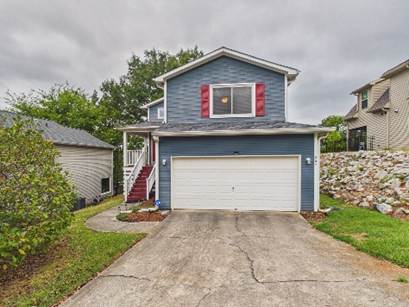

 GIVEAWAY WINNER: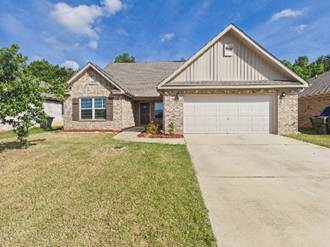

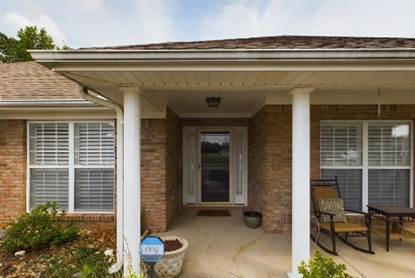
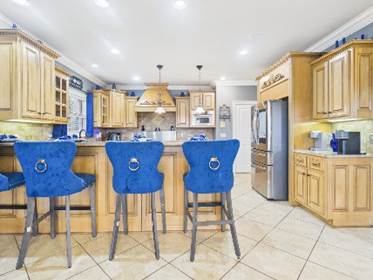
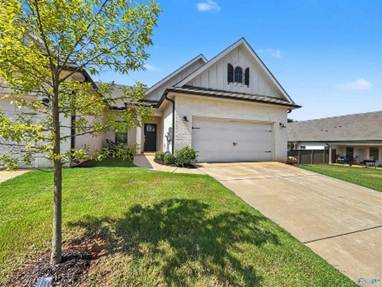

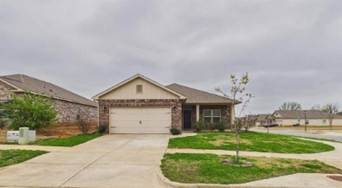

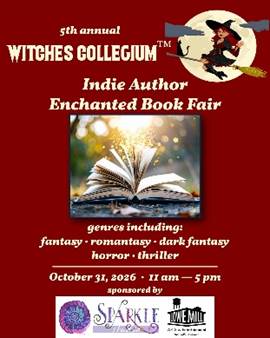
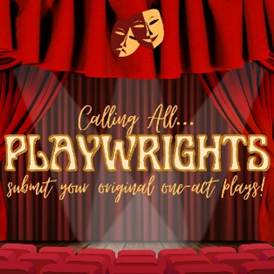







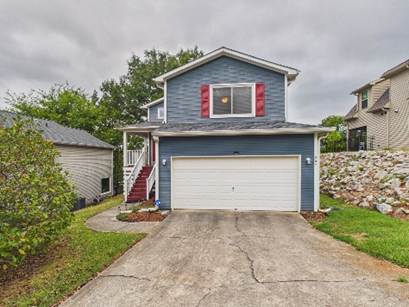

 GIVEAWAY WINNER: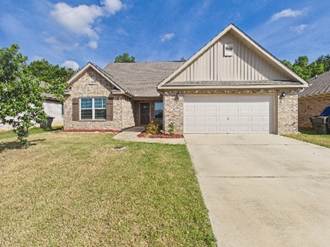

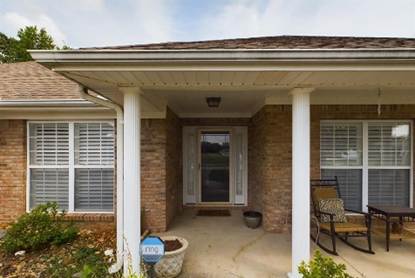
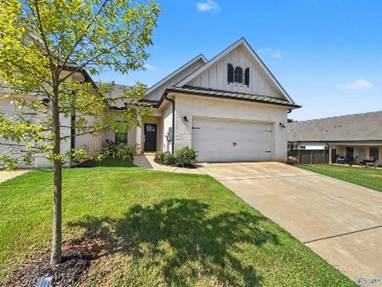
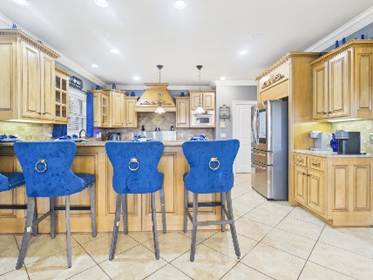


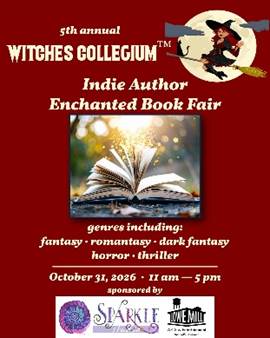
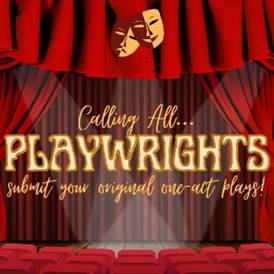




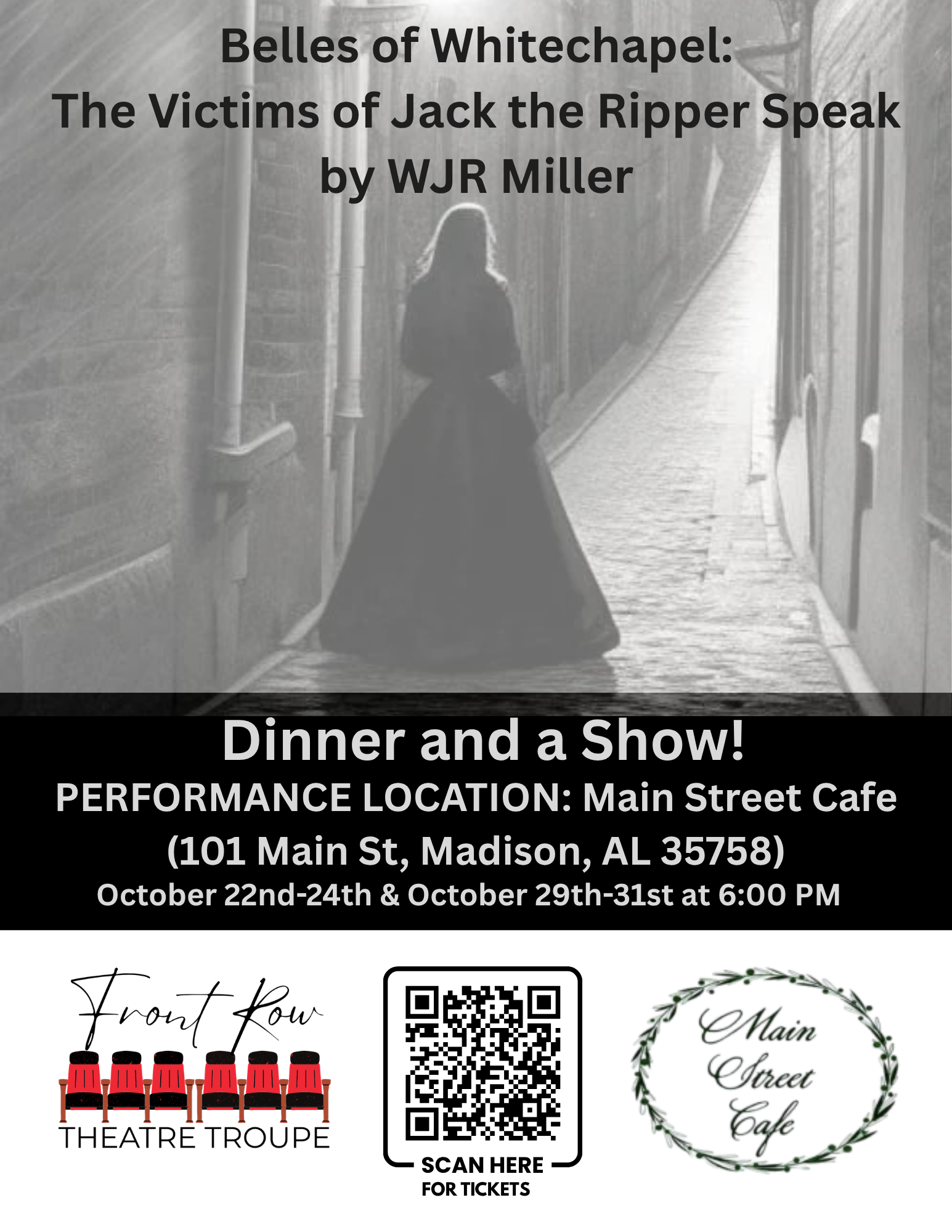

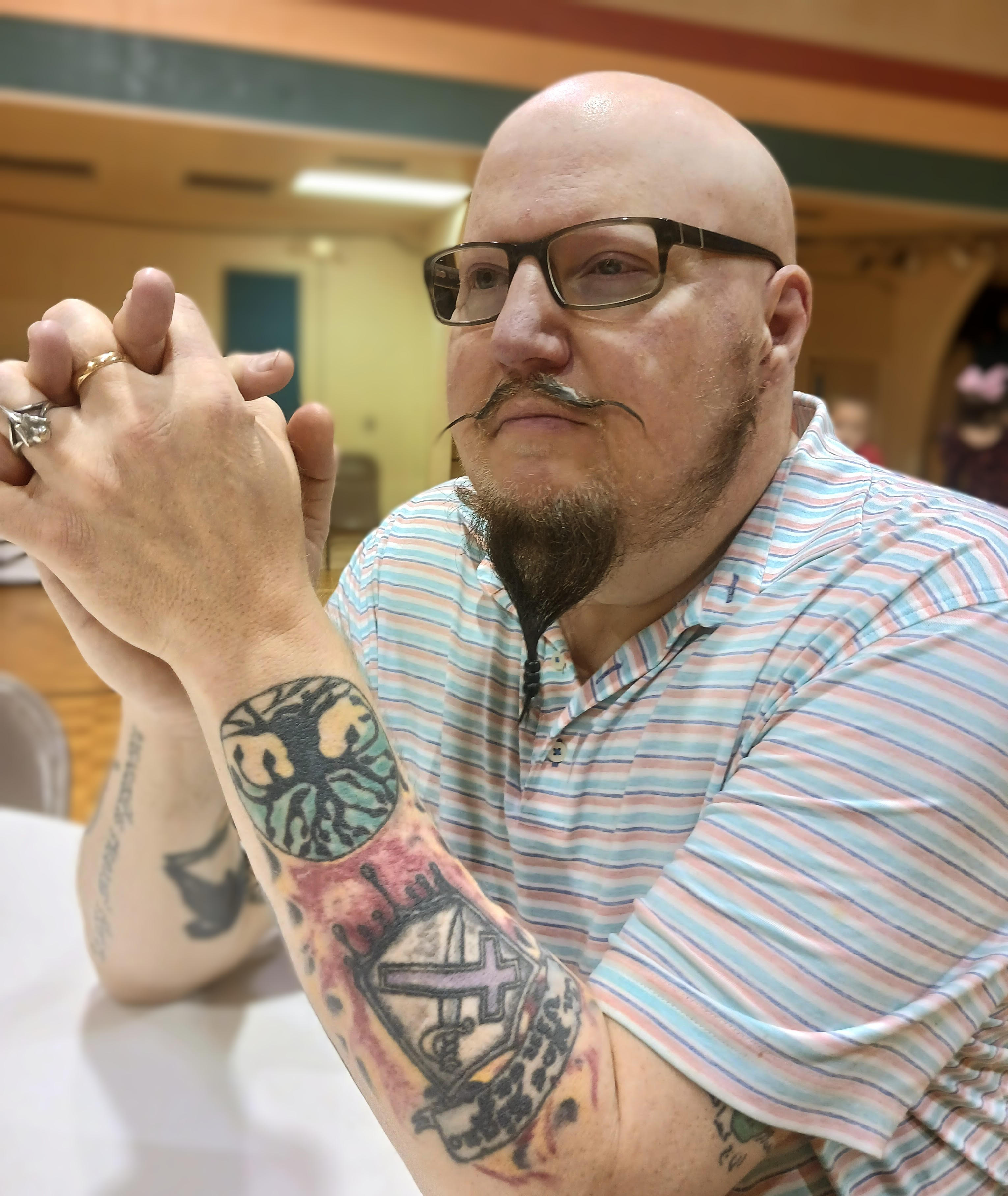

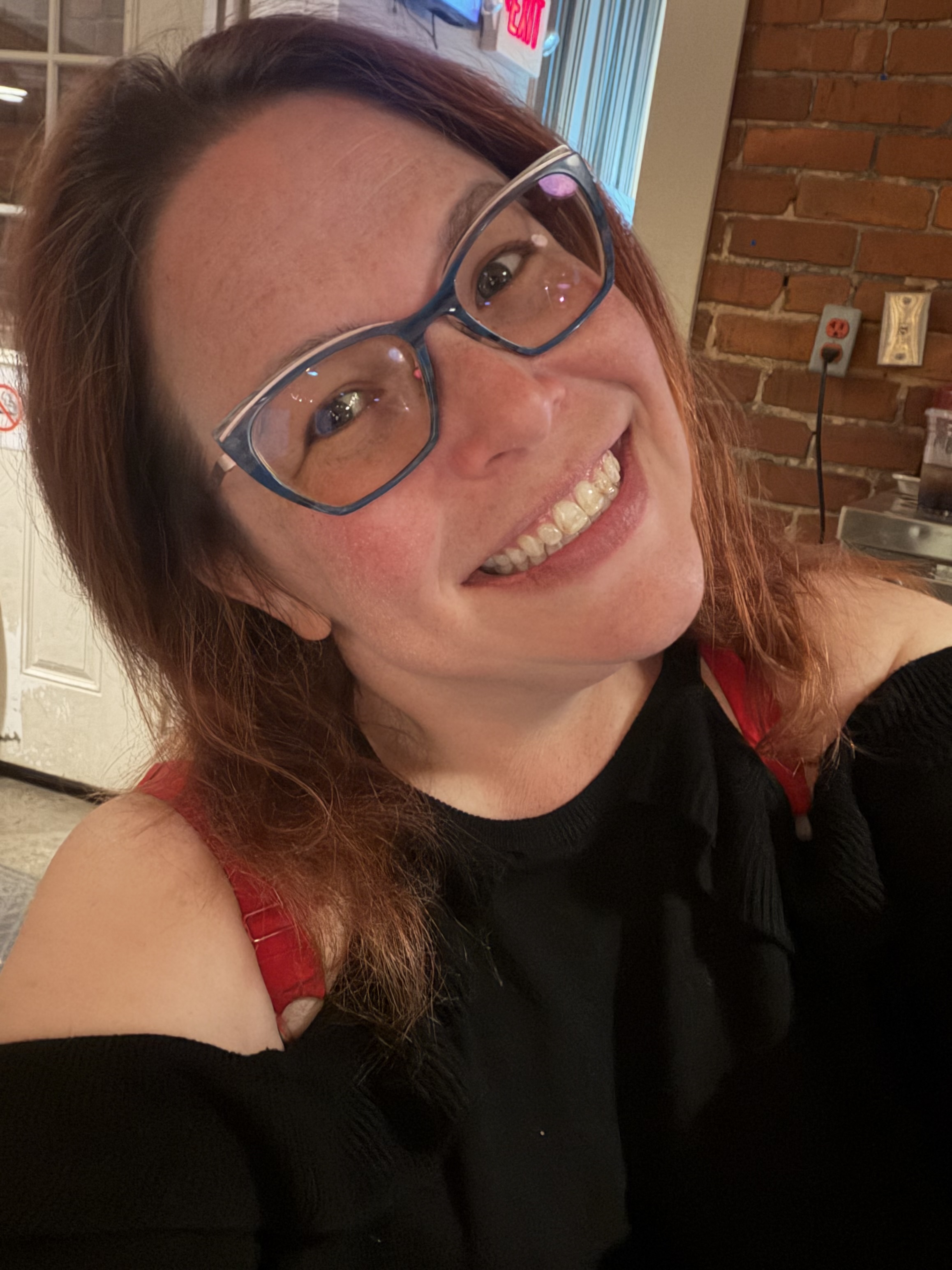
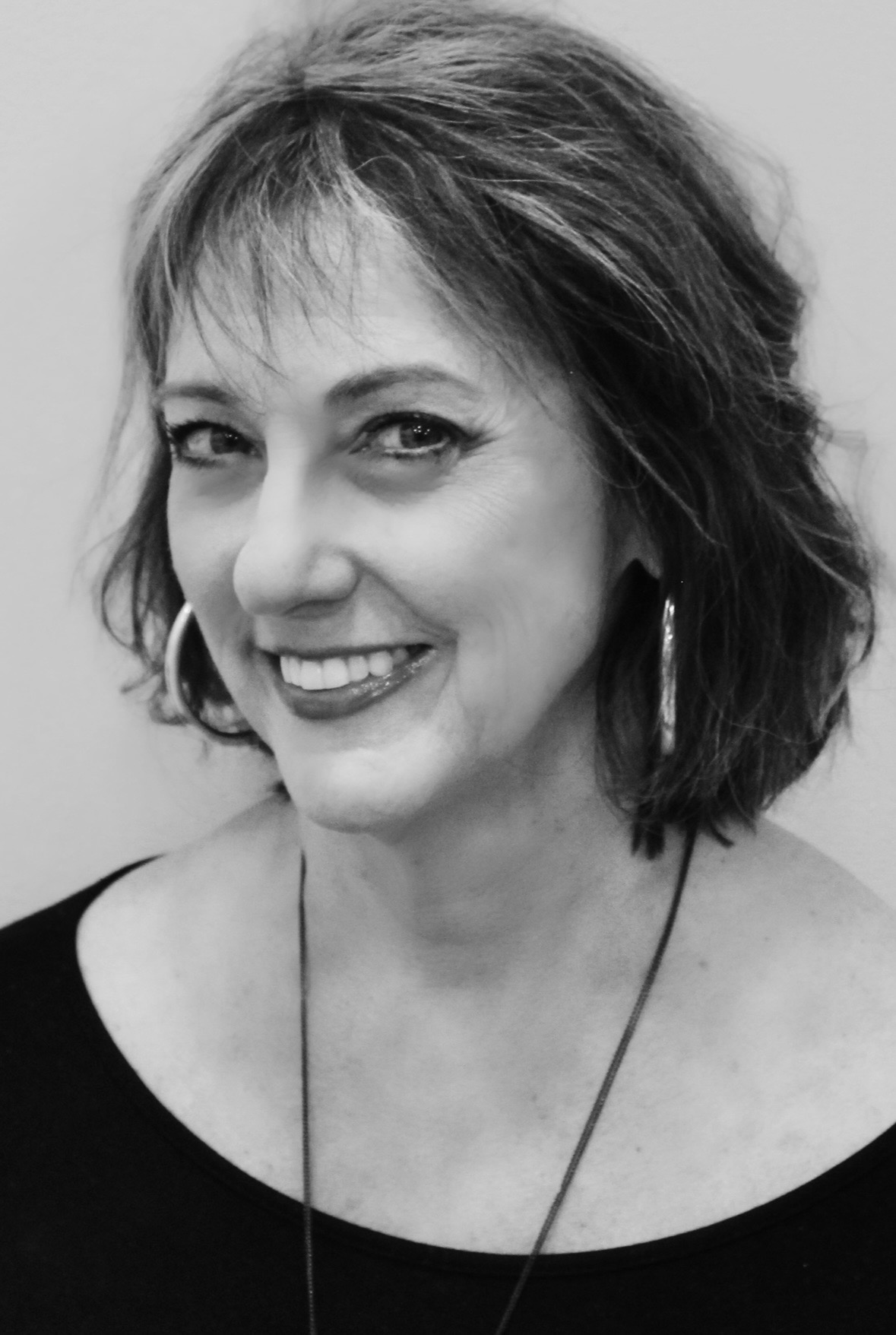




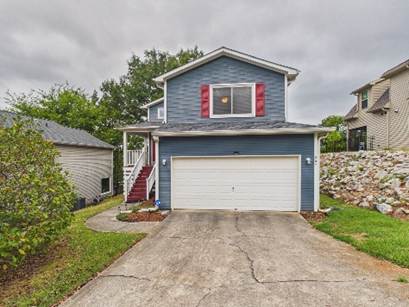

 GIVEAWAY WINNER: