The Daily Habits of Successful Authors

Woman writing in a notebook at a desk with a laptop, books, and papers
A cozy home office/library… prime for writing time!

When people think about successful authors, they often picture inspiration striking like lightning — a writer sitting in a cozy room effortlessly crafting bestselling novels. In reality, most successful authors rely less on sudden inspiration and more on consistent daily habits.

Writing a book doesn’t happen overnight. It happens sentence by sentence, page by page, and day by day.

While every writer’s process looks different, many successful authors share similar routines that help them stay creative, productive, and focused. Whether you’re an aspiring novelist or a seasoned writer working on your next project, adopting a few intentional habits can make a tremendous difference in your writing journey.

Here are some of the most common daily habits of successful authors.


1. They Write Consistently

One of the biggest differences between writers who finish books and writers who don’t is consistency.

Successful authors understand that waiting for motivation isn’t reliable. Instead, they build a regular writing routine — even on days when creativity feels low.

Some write for hours every morning. Others squeeze in 30 minutes before work or late at night. The key isn’t necessarily how long they write, but how consistently they show up.

Progress adds up over time.


2. They Read Every Day

Great writers are almost always great readers.

Reading exposes authors to different writing styles, storytelling techniques, dialogue structures, pacing, and character development. It also helps refill the creative well.

Many successful authors read both inside and outside their genre to broaden their perspective and sharpen their craft.

Remember, reading isn’t a distraction from writing — it’s part of the process.


3. They Protect Their Creative Time

Successful writers treat writing like a priority, not an afterthought.

They create boundaries around their writing time by limiting distractions, turning off notifications, or setting dedicated work hours. Some wake up early before the rest of the world is awake, while others write during their most productive hours of the day.

Protecting creative energy is often just as important as finding it.


4. They Accept Imperfect First Drafts

Many new writers get stuck trying to make every sentence perfect the first time around.

Successful authors know better. They understand that first drafts are supposed to be messy. The goal is progress, not perfection. Editing comes later.

Giving yourself permission to write imperfectly can remove a tremendous amount of pressure and help creativity flow more freely.


5. They Stay Curious

Writers draw inspiration from the world around them.

Successful authors observe conversations, study people, ask questions, and pay attention to everyday details. Curiosity fuels storytelling.

Sometimes the smallest moment — a stranger’s comment, a childhood memory, or a random news headline — can spark an entirely new story idea.


6. They Keep Notes and Ideas Nearby

Ideas rarely arrive at convenient times.

Many authors keep notebooks, voice memos, or notes apps nearby to capture dialogue snippets, story concepts, character ideas, or sudden inspiration before it disappears.

A small idea today could become the foundation for a future novel or even a series.


7. They Embrace Discipline Over Motivation

Motivation comes and goes. Discipline is what keeps books moving forward.

Successful authors understand that not every writing session will feel magical. Some days are difficult, frustrating, or uninspired. But they continue anyway.

The habit of showing up consistently often matters more than fleeting bursts of inspiration.


8. They Take Care of Their Mental and Physical Health

Writing requires mental clarity, creativity, and emotional energy.

Many successful authors prioritize habits that support their overall well-being, such as exercise, sleep, healthy routines, and time away from screens.

Burnout can quickly drain creativity. Rest and balance are essential parts of a sustainable writing life.

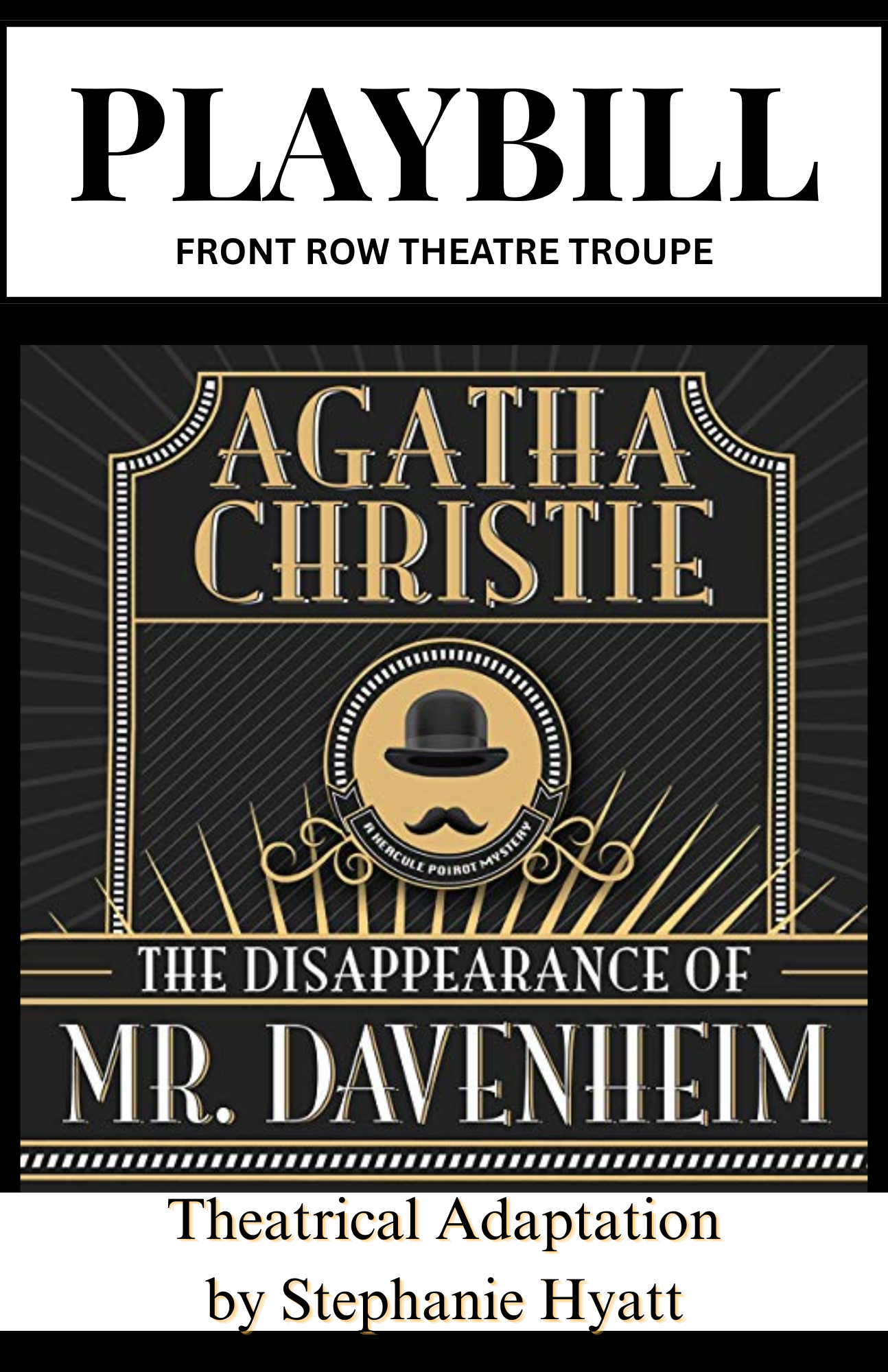
Let me speak honestly here… This is my problem. I often take on way too much, and my mental and physical health suffer for it. When that happens, my writing is often the first commitment that gets set to the side. For example, I am a wife, a mom, a full-time Realtor, I am a co-owner of a local lounge bar and wine/bourbon retail shop (The Vine And Oak), I am the owner/founder of a new local theatre troupe (Front Row Theatre Troupe) that does dinner theatre at a local restaurant (Main Street Cafe), and I am an author. That is a lot of hats to wear, and I often find very little time to just focus on myself. White space on my calendar doesn’t exist, so exercise time, meditation time, etc., tend to get forgotten. When that happens, my creativity goes down the drain, and my writing time suffers.


9. They Learn Continuously

The writing journey never truly ends.

Successful authors continue improving their craft through workshops, podcasts, books, classes, critique groups, and feedback from other writers. No matter how experienced they become, they remain open to growth.


10. They Finish What They Start

Starting a story is exciting. Finishing one requires commitment.

Many successful authors develop the habit of pushing through the middle sections, difficult scenes, and moments of doubt instead of abandoning projects too soon.

Finished manuscripts create opportunities. Unfinished ideas stay stuck in notebooks.

If you are looking for a way to push through the messy middle, check out my author’s guide So You Want to Write A Book on Amazon.


There’s no single formula for becoming a successful author. Every writer has different routines, creative rhythms, and processes. However, consistent habits often separate those who dream about writing from those who actually complete books.

Success in writing rarely comes from one perfect day of inspiration. More often, it’s built through small daily actions repeated over time.

Write regularly. Read often. Stay curious. Keep learning. And most importantly, keep showing up for your stories.

Those small habits may eventually lead to something extraordinary.


#TheRedheadedAuthor

Nina Soden #TheRedheadedAuthor – http://www.ninasoden.com

Website * Amazon Author Page * Facebook * Twitter * GoodReads


25 Tips for When Writer’s Block Strikes

Every writer faces it sooner or later: writer’s block. One day the words flow effortlessly, and the next, the blank page feels impossible to conquer. Whether you’re drafting your first novel, working on your tenth manuscript, or simply trying to finish a blog post, creative roadblocks are a normal part of the writing journey.

The good news? Writer’s block doesn’t have to stop you for long.

Here are 25 practical tips to help you break through the mental fog, rediscover your creativity, and get the words flowing again.


1. Stop Waiting for Perfection

Perfectionism is one of the biggest causes of writer’s block. Give yourself permission to write badly. You can always edit later.


2. Write Something Different

If your novel feels stuck, try journaling, poetry, flash fiction, or even a social media post. Sometimes creativity just needs a change of scenery.


3. Set a Tiny Goal

Instead of aiming for 2,000 words, aim for 100. Small victories build momentum.


4. Take a Walk

Movement clears the mind. Some of the best story ideas appear when you step away from the keyboard.


5. Read a Great Book

Reading reminds you why you fell in love with storytelling in the first place and can definitely spark creativity when you feel like the flames have all died down.


6. Change Your Environment

Try writing at a coffee shop, library, park, or different room in your house. A fresh setting can inspire fresh ideas.


7. Write the Scene You Want to Write

You don’t have to write your book in order. Skip ahead to the exciting scene that’s been living in your head.


8. Turn Off Your Inner Critic

Your first draft is not supposed to be polished. Let creativity happen before editing begins. I know it is hard, but if you can just write without stopping to correct your mistakes, you might find that the creativity continues to flow.


9. Use Writing Prompts

Prompts can jumpstart creativity when your imagination feels stuck. You can even use Google to search for writing prompts in the genre of your story, that way you stay within the same mindset.


10. Talk Through Your Story Out Loud

Sometimes speaking your ideas out loud helps untangle plot problems faster than staring at a screen.


11. Take a Break Without Guilt

Rest is productive. Your brain often solves creative problems in the background. Take a break for 5 minutes or 5 days, sometimes you just need to give yourself a timeout.


12. Listen to Music

Create a playlist that matches the mood of your story or characters. Do you write in silence or with background noise like music? Sometimes writing to a playlist curated by the mood of your story can help. And, if you like to write in silence, listening to the playlist while not writing can spark ideas and creativity between writing sessions.


13. Revisit Your “Why”

Why did you start writing this story? Reconnecting with your purpose can reignite motivation.


14. Eliminate Distractions

Put your phone away, close unnecessary tabs, and give your writing your full attention.


15. Write at a Different Time of Day

You may discover your creativity works better early in the morning or late at night.


16. Don’t Compare Yourself to Other Writers

Every writer’s journey looks different. Focus on your progress, not someone else’s highlight reel. This one is so important. Don’t compare yourself to the author who pumps out 12 books a year, or the one who always seems to have a new release just around the corner. Your journey is yours and theirs is theirs.


17. Brain Dump Your Ideas

Write down every thought, scene, or dialogue snippet without organizing it. Clarity often follows chaos.


18. Re-read Your Favorite Scene

Reading something you’ve already written well can boost confidence and help you reconnect with your voice.


19. Set a Timer

Try writing nonstop for 10 or 15 minutes. You might be surprised how much appears when you stop overthinking.


20. Remember That Inspiration Often Follows Action

Waiting to feel inspired can keep you stuck. Sometimes the act of writing creates inspiration.


21. Talk to Other Writers

Writing communities can offer encouragement, accountability, and fresh perspectives. I bet you have a local writing group in your area. Reach out to your local library or search on social media and get connected.


22. Focus on Progress, Not Word Count

Even a single paragraph is progress. Even a single sentence is progress. Celebrate those small wins.


23. Give Your Characters New Problems

If your story feels flat, raise the stakes. Conflict creates momentum.


24. Accept That Writer’s Block Happens to Everyone

Even bestselling authors struggle sometimes. Writer’s block is not failure — it’s part of the process.


25. Keep Showing Up

The most important thing a writer can do is continue. One sentence at a time still moves the story forward.


Writer’s block can feel frustrating, discouraging, and even overwhelming. But it doesn’t mean you’ve lost your talent or creativity. More often than not, it simply means your mind needs a reset, a new perspective, or permission to write imperfectly.

Some days writing will flow naturally. Other days it will take discipline and patience. Both are part of being a writer.

Keep going. Your story is still worth telling.

Man surrounded by flying papers and stacks of documents in an office
You can break through writer’s block… You just have to find the right strategy for you! Comment below and share what works for you.

Writing Update… Big News Inside!

Earlier this year, I made a commitment in writing — I said I would publish two books this year.

That wasn’t a casual goal. It was intentional. A little scary, but very real.

So today, I want to share an update.

Book One of my newest series (NAME TO BE ANNOUNCED SOON) is officially in rewrites.

This stage of the process is one of my favorites — and also one of the most demanding. Rewrites aren’t about fixing something broken. They’re about refining something with potential. They’re where characters deepen, tension sharpens, and themes become clearer. It’s where the story truly becomes what it was always meant to be.

According to my beta readers and editor, the bones are strong and the world is alive. Most importantly, the heart of the story is exactly where I want it to be.

Now it’s about polishing and fine-tuning.

Once rewrites are complete, the manuscript will head to final editing. From there, it’s formatting, cover design, and all the behind-the-scenes pieces that transform a document into a book you can hold in your hands (or download to your device).

If all continues on schedule, I’m hoping for a late April or early May release. Please keep your fingers crossed for me.

I share that carefully — not as a hard promise, but as a target I’m actively working toward. Publishing isn’t just about finishing a draft. It’s about stewarding a story well all the way to the finish line. And I want to do that thoughtfully.

What I can say with certainty is this: the progress is real and I am so excited for you all to meet the characters who have been living in my mind for the past few months.

The world within this story is expanding in ways that excite me. The emotional arcs are landing more deeply. The layers feel richer. Every pass through the manuscript makes it stronger.

When I wrote that New Year’s resolution about publishing two books this year, I meant it. And this is the first major step toward fulfilling that commitment to both my readers and me.

Thank you for following along in this season of creation. Writing can sometimes look quiet from the outside, but there is so much happening beneath the surface. I can’t wait to share more as I move closer to release.

For now — back to the rewrites.

— Nina


Still Writing, Still Dreaming

If you’ve been wondering whether I’m still here—still writing, still imagining, still chasing stories late at night—I wanted to answer that question plainly and honestly.

Yes. I’m still here. And yes, I’m still writing.

The past two years have been one of those seasons that look quiet from the outside but feel anything but on the inside. The kind where words are being shaped slowly, where stories are tested and re-tested, where worlds are being built with care rather than urgency. Not every chapter is written in public, and not every creative season announces itself loudly—but that doesn’t mean the work isn’t happening.

It is.

I’ve been spending time in two very different story spaces. One is filled with wonder, light, and the kind of magic that asks readers to believe again. The other leans darker, asking harder questions about survival, memory, and what remains when everything familiar is stripped away. They couldn’t be more different on the surface, and yet they share the same heartbeat: characters searching for truth, belonging, and hope in worlds that challenge them at every turn.

I’m being intentionally careful with these stories. Not because I’m unsure of them—but because I believe some worlds deserve patience. I want them to arrive fully themselves, not rushed or diluted by timelines that don’t serve the story. If you’ve followed my work for any length of time, you know I care deeply about atmosphere, emotional resonance, and the slow unfolding of meaning. That hasn’t changed.

What has changed is the depth of the work.

I’ve grown as a writer over the last few years—not just in craft, but in confidence. I trust my instincts more. I’m more willing to sit with difficult scenes until they say what they need to say. I’m less interested in chasing trends and more interested in telling stories that linger after the final page.

That’s the energy behind the stories I’m working on right now.

While I’m not ready to share titles, covers, or plot details just yet, I am hopeful—and quietly excited—to have something ready to share later this year. When it’s time, you’ll be the first to know. And when these stories do step into the light, they’ll do so with intention.

If you’re a reader who has been waiting, wondering, or checking back from time to time—thank you. Your patience means more than you know. Writing can sometimes feel like a solitary act, but it’s never done in isolation. Knowing there are readers who care, who remember, who are willing to wait—that matters.

So this is simply a small note to say: I haven’t gone anywhere.

I’m still building worlds.
I’m still chasing characters who refuse to leave me alone.
I’m still writing toward something I believe is meaningful.

And I can’t wait to share it with you when the time is right.

Until then, thank you for being here.

— Nina


AUDIOBOOKS NOW AVAILABLE!


Where in the World Are You Reading From? Share Your Location!

One of the most magical things about writing is knowing that words travel farther than I ever could on my own. A story written in the quiet of my office in North Alabama can end up being read in a coffee shop in Oregon, a library in New York, or maybe even on a balcony somewhere in Paris. That thought makes me smile every single time.

And it also makes me curious.

Today, I want to turn the spotlight around and ask you a question:
👉 Where in the world are you reading from?


Why I’m Asking

Part of being a writer — and honestly, part of being human — is being fascinated by stories. And to me, places carry stories just as much as people do. Your hometown, your current city, the little café or park where you like to read — these are all threads of the bigger story we’re building here as a community.

It also helps me shape the kind of content I share. If many of you are local, maybe I’ll start highlighting more North Alabama literary events or indie bookstore happenings. If a lot of you are scattered far and wide, I might focus more on universal themes — the writing process, character creation, and the joy (and chaos) of storytelling.


A Little About Me

If you’re new here, welcome! My name is Nina Soden, and I wear a couple of hats:

  • ✍️ Author — I write urban fantasy and dystopian fiction, and I share behind-the-scenes peeks into my writing journey here on the blog.
  • 🏡 Realtor — When I’m not building fictional worlds, I’m helping families buy and sell homes in North Alabama. (It’s another kind of storytelling, really — every home holds a history, and every move begins a new chapter.)
  • 🎭 Theatre Enthusiast — The stage has always been a second home for me. Whether I’m performing in a local production or lending my voice to a reading, theatre keeps my creativity alive in a way that fuels everything else I do. If you haven’t seen my weekly Theatre newsletter… check out the September 9, 2025 issue HERE and make sure to let me know if you want to subscribe!
  • ❤️ Family Gal — At the heart of it all, I’m a wife, a mom, and someone who believes that family is the foundation of every life worth living. My family keeps me grounded, inspires me, drives me to keep going, and cheers me on through every new adventure.

I love that my life blends all these worlds together. My readers get a peek into my real estate life, my clients discover my books, and sometimes my theatre friends end up in both! It’s all connected by one simple truth: I love people, and I love stories.


Your Turn!

So now it’s time for you to chime in.

  • Where are you reading from?
  • Do you prefer curling up with a book in your favorite chair, or are you a café reader?
  • And just for fun — what’s the last book you finished?

Drop your answers in the comments below. I’ll be reading every single one, and who knows — I might even feature a few responses in a future post.

Thanks for being here, for reading, and for sharing this journey with me. I can’t wait to see where in the world you’re reading from!


✨ If you’re enjoying the blog, don’t forget to subscribe so you don’t miss future posts. And if you ever find yourself curious about North Alabama real estate — whether you’re moving here, away from here, or just like to browse beautiful homes — let me know. I’d be happy to share that side of my world with you, too. ✨


💖 How to Support Your Favorite Indie Author Beyond Buying Books

As an indie author, I can tell you firsthand — seeing someone pick up one of my books is the best feeling in the world. But here’s a little secret: you don’t have to spend a dime to make a huge difference in an indie author’s life and career.

We indie authors wear a lot of hats: writer, editor (hopefully not), cover designer, marketer, publicist, and sometimes even our own cheerleader. Which means every little bit of support matters, and it goes so much farther than most readers realize. So, if you’ve ever wanted to help your favorite indie authors thrive, here are a few easy, free (or almost free) ways you can make a major impact.


📚 1️⃣ Leave a Review

If you only do one thing, let it be this. Reviews help indie books get noticed by algorithms on Amazon, Goodreads, BookBub, and other platforms. Even a simple “I really enjoyed this book!” means the world and helps other readers discover it.

Where to leave a review:

  • Amazon
  • Goodreads
  • BookBub
  • Your personal blog or social media

📱 2️⃣ Follow and Engage on Social Media

A like, comment, or share on an author’s post increases visibility and keeps their work in front of readers. Social platforms love engagement, and the more interaction a post gets, the more it’s shown to others.

Bonus: Share your favorite quotes, book covers, or reading selfies — authors love seeing their books in the wild!

Here is my social media links if you’d like to follow:


📧 3️⃣ Join Their Email List

Most indie authors have newsletters packed with exclusive content, freebies, giveaways, and behind-the-scenes updates. Signing up not only shows support but helps authors build a direct connection with readers outside of social media algorithms.


💬 4️⃣ Recommend Their Books to Friends

Word-of-mouth is still one of the most powerful marketing tools. Tell a friend, suggest it in your book club, or drop it in a reader group. Personal recommendations carry a lot of weight.


🎧 5️⃣ Request Their Book at Your Local Library

Most libraries have systems where patrons can request new titles for their shelves. Requesting an indie author’s book is a wonderful way to help them reach new readers — plus, it supports public libraries too!


🖥️ 6️⃣ Feature Them on Your Blog or Bookstagram

If you run a blog, BookTok, Bookstagram, or BookTube channel, consider featuring an indie author in a review, author interview, or reading list. These shoutouts can introduce them to a whole new audience.


🎁 7️⃣ Give Their Books as Gifts

While this one technically involves a purchase, gifting indie books for birthdays, holidays, or just-because moments spreads the word and supports the author at the same time.


📣 8️⃣ Nominate Them for Awards & Lists

Many online book communities, local bookstores, and libraries have “best of” lists or indie book awards you can nominate authors for. These recognitions help boost their credibility and exposure.


🎙️ 9️⃣ Invite Them for Interviews or Events

If you’re involved in a book club, podcast, writing group, or school program, invite an indie author to chat about their work. Most are thrilled for the opportunity to connect with readers and fellow writers.


Supporting indie authors is about community, encouragement, and celebrating storytelling in all its forms. The next time you fall in love with a book by an indie author, remember — even the smallest gesture of support can mean everything to the person behind the page.

Do you have a favorite indie author you adore? Share their name (or a link to their book) in the comments so we can all discover someone new to read!


📣 Marketing on a Budget: Free and Low-Cost Strategies for Indie Authors

Let’s be honest — writing a book is hard enough, but getting it into readers’ hands can feel like an entirely different mountain to climb, especially when you don’t have a big marketing budget. The good news? Some of the best book marketing strategies don’t require breaking the bank. Whether you’re launching your debut or trying to breathe new life into your backlist, there are plenty of creative, affordable ways to promote your work.

Here are some free (or nearly free) strategies every indie author should have in their toolkit:


📱 1. Leverage Social Media Authentically

You don’t need to be everywhere, but you do need to be somewhere. Pick one or two platforms where your readers hang out and show up consistently. Whether it’s Facebook, Instagram, TikTok, or Twitter (or X… we’re all still figuring that out), focus on sharing a mix of:

  • Behind-the-scenes writing moments
  • Bookish quotes or excerpts
  • Cover reveals
  • Reader reviews
  • Personal tidbits that show your personality

Pro Tip: Use free tools like Canva to create eye-catching graphics, teaser images, and quote cards.


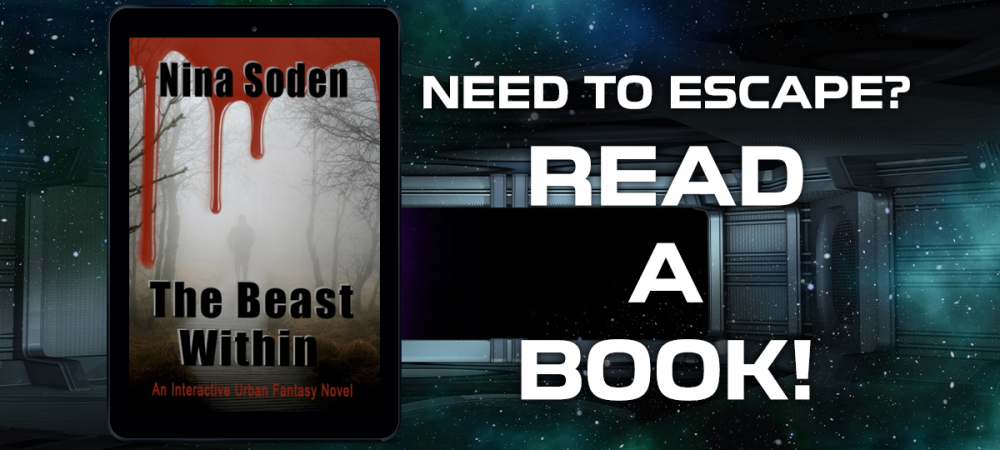
Austin discovered, at the young age of ten, that fairies aren’t exactly what the fairytales made them out to be and that blood tastes a lot like honey. Now, as an adult, he struggles to balance his public life with the one he’s so desperate to keep hidden. After a deadly camping trip and an unexpected connection, Austin tries to change his ways. Will he be able to keep his secret or will his world come undone? In this exciting interactive adventure, the body count is up to you. Are you ready?

BUY A COPY HERE


📧 2. Build an Email List Early

Your email list is gold. These are readers who want to hear from you. Start building your list by offering a free short story, novella, or sneak peek of your work in exchange for an email address.

Free tools to get started:

  • Mailerlite (free for up to 1,000 subscribers)
  • Substack (if you love a newsletter vibe)
  • MailChimp (another newsletter platform)

Send updates, exclusive content, and book announcements directly to your readers’ inboxes.


🌟 3. Collaborate with Other Indie Authors

Cross-promotion is one of the smartest (and free) ways to expand your reach. Team up with authors in your genre for:

  • Joint giveaways
  • Newsletter swaps
  • Social media shoutouts
  • Anthology projects

Not only does it widen your audience, but it also fosters a sense of community in a sometimes-lonely indie world.


📝 4. Guest Post on Book Blogs & Author Websites

Reach new readers by offering to write guest posts or author interviews for book bloggers and indie author sites. Most are happy to feature fellow writers, especially if you pitch a fun or informative topic.

Ideas for guest posts:

  • “The Inspiration Behind My Book”
  • “5 Paranormal Books That Inspired My Series”
  • “What I Wish I Knew Before Self-Publishing”

Bonus: It usually comes with a link back to your book! IF YOU’RE INTERESTED IN GUEST POSTING ON MY BLOG, CLICK HERE!


Celeste epitomizes high school success: top grades, head cheerleader, even dating the star quarterback. Life couldn’t be better with a picture-perfect family and college on the horizon. But as she drifts off to sleep on the eve of her 17th birthday, Celeste never fathoms waking up over 1,000 years in the future.

Transported to a world both unfamiliar and strangely linked to her own, Celeste discovers she’s the heir to a royal lineage and her mother is a long-lost princess. Yet as secrets unravel and familial rifts emerge, the once harmonious facade of her family begins to splinter.

Navigating impossible choices, Celeste’s journey becomes a quest for self-discovery and strength. In the chaos, she discovers the power within her identity, the importance of family, and the treasures of genuine friendships. Embark on Celeste’s journey as she boldly faces the mysteries ahead, shaping her fate with courage and unwavering determination.

BUY A COPY HERE

🎥 5. Start a Simple Video Series

You don’t need a fancy setup — just your phone and good lighting. Readers love getting to know the person behind the book. Record short videos about:

  • What you’re currently working on
  • Writing tips
  • Book recommendations
  • Fun facts about your characters

Post them on Instagram Reels, TikTok, or YouTube Shorts.


📖 6. Join (and Engage in) Reader Communities

Get involved in Goodreads groups, Facebook book clubs, or Discord communities related to your genre. Important: Don’t just drop your links — be a genuine part of the conversation, offer recommendations, and talk about books you love.

When people get to know you, they’ll naturally want to check out your work.


🎁 7. Run Free or Discounted Promotions

Temporarily dropping your eBook price or offering it for free for a limited time can boost downloads and reviews. Pair it with a social media push or email newsletter blast.

Free promo sites to submit your deals to:

  • Freebooksy
  • Book Doggy
  • Fussy Librarian
  • Book Rebel

(They often have free or low-cost options.)


🎨 8. Design Promo Graphics with Free Tools

Make your marketing materials pop with free graphic design tools. Canva is my go-to for everything from social media posts to book mockups and promotional banners.

Other free tools worth trying:

  • Book Brush (limited free plan for book-specific graphics)
  • Pixabay and Unsplash (for royalty-free images)

📌 Final Thoughts

Marketing as an indie author doesn’t have to drain your wallet. It’s about consistency, creativity, and finding authentic ways to connect with your readers. Start small, test what works, and have fun experimenting along the way. The indie author community is one of the most supportive out there — so lean into it and lift each other up.

Got a favorite free or budget-friendly marketing trick? I’d love to hear about it in the comments!


Sometimes I Want to Give Up

By a Wife, Mom, Fiction Writer, and Real Estate Agent Who’s Just Trying to Breathe

There are days when I look at my to-do list and feel the tears sting before I even get out of bed. I’m a wife. I’m a mom. I’m a fiction writer. And I’m a real estate agent who hustles 24/7 in a business that rarely sleeps. Somewhere in the mix, I’m also a woman who keeps forgetting to take care of herself. And some days—maybe today—I just want to give up.

Not because I don’t love my family. Not because I’m not grateful for my clients or the opportunity to tell stories. But because the sheer volume of it all feels like a tidal wave crashing over me. Over and over again.

The Weight of Mom Guilt

The mom guilt is real. Over the years I have missed the school assemblies, or I’m answering a client call during dinner. I’m thinking about an upcoming showing while my child just needs to talk. And don’t even get me started on the guilt of screen time when I just need a moment to breathe or send a contract.

And then there’s the emotional math I do constantly—“If I work a little more tonight, maybe I can take Saturday off…” But Saturday comes and someone wants to see a house. Or something falls apart in escrow. Or I just can’t ignore the buzzing of my phone. Again.

The Loss of Me

Somewhere between the showings, the open houses, the packing lunches, the editing/writing deadlines I never meet, I stopped taking care of myself. I skip meals. I run on caffeine and adrenaline. My writing? It waits in the shadows, a dusty notebook or half-open document that aches for attention but never quite gets it. That hurts the most. Because writing is the piece of me that feels like me. And she’s the one I abandon first when life gets busy.

I’ll be honest: sometimes it feels like everything I do is for everyone else. Clients. Kids. My spouse. I show up, smile, problem-solve, negotiate, fix, drive, cook, clean—and then collapse. But rarely do I pause and ask myself: Am I okay?

The Illusion of Control

Real estate doesn’t come with predictability. You can do everything right, and the deal still falls through. A client can change their mind. A buyer can ghost. A seller can panic. And in the meantime, your child spikes a fever, your spouse is working late, and your characters are still sitting in chapter six, waiting for you to bring them to life.

It’s chaos. And it’s hard to admit you’re drowning when your job requires you to be the calm in everyone else’s storm.

When It’s Too Much

So what do I do when it’s all too much? When the plates I’m spinning start crashing to the floor?

Here’s what I’m learning—sometimes painfully slowly:

  1. It’s okay to say no. You don’t have to be everything to everyone all the time. Boundaries aren’t selfish—they’re survival.
  2. Ask for help. Whether it’s your partner, a friend, a colleague, or a therapist—reach out. You don’t earn extra points for suffering in silence.
  3. Find micro-moments for yourself. Maybe it’s a five-minute journal entry. A short walk. A hot coffee sipped in actual peace. It matters. You matter.
  4. Put writing back on the calendar. Even if it’s just 10 minutes a day. Writing isn’t a luxury—it’s your breath, your voice, your therapy. Don’t let it die in the name of “busy.”
  5. Rest is not lazy. You are not a machine. Rest. Sleep. Unplug. You’ll come back stronger, clearer, and more present.
  6. Forgive yourself. For the forgotten lunch. For the client you lost. For the book you haven’t finished. You’re human. You’re trying. That’s enough.

One Breath at a Time

Some days, the only thing I accomplish is keeping everyone alive. Some days, I close a deal, make dinner, and write a paragraph I actually like. But every day, I’m learning to show myself more grace. To stop chasing perfection and instead chase peace.

If you’re in the thick of it too—if you’re a mom, a partner, a worker, a dreamer—just know this: you are not alone. You’re not failing. You’re carrying a lot. And it’s okay to feel like it’s too much.

Just don’t give up. Pause. Rest. Refill. Cry if you need to. Then take the next small step. Not for the world. Not even for your family. But for you.

Because you’re worth saving, too.


A Critique is Not an Insult: The Power of Constructive Feedback in Writing

Writing is an intimate act. Authors pour their thoughts, emotions, and creativity into every word, each sentence carefully crafted to convey a piece of themselves to the world. When we put our work out there, we risk exposing our vulnerabilities to others, opening ourselves up to both praise and criticism. It’s natural to feel protective over our creations—after all, they are an extension of who we are. But here’s the truth that all writers must come to understand: a critique is not an insult. It is a powerful tool for growth and improvement. Trust me, learning or believing this lesson isn’t always easy.

The Purpose of Critique

At its core, a critique is about evaluating and offering feedback in a way that encourages development. It’s a way for writers to see their work from another perspective, to recognize both strengths and weaknesses they might not have noticed on their own. Critiques—whether given by a trusted friend, editor, or fellow writer—serve to refine the piece and help authors evolve. Constructive feedback isn’t about tearing someone down. It’s about lifting them up and guiding them toward better writing.

Think of it this way: no one is born knowing how to write perfectly. Every author, from the most seasoned to the newest, needs feedback to hone their craft. Even the greatest writers, like Hemingway and Orwell, relied on others to point out areas for improvement. Critique helps us grow, just as a sculptor chisels away at a block of stone to reveal the masterpiece within. It is a necessary step in the process of becoming better at our craft.

Critique Is About the Work, Not the Writer

One of the most important (and maybe hardest) distinctions to make is that a critique is about the work, not the person behind it. It is an evaluation of a specific story, essay, or novel, not a reflection of the author’s worth as an individual. When a critique points out flaws or areas for improvement, it is never meant to undermine the writer’s self-esteem or creative potential.

Unfortunately, the emotional connection between an author and their writing can sometimes blur this line. A negative critique can feel like a personal attack, but that is rarely the intention. Instead, it’s a sign that the work, as it stands, could benefit from revisions—just as any piece of art requires revisions before it can be truly considered finished. Even the best works in history have been revised multiple times before reaching their final form. Criticism, then, is a necessary step in this journey, a part of the art’s evolution.

Constructive Criticism: The Heart of Growth

Constructive criticism is the gold standard for feedback. It focuses on improvement, offering actionable suggestions while acknowledging what works well. The best critiques never simply say “This is bad” or “This doesn’t work.” Instead, they offer insight into why something doesn’t work and, more importantly, how to make it better. A good critique provides clarity on plot holes, character inconsistencies, pacing issues, or weak dialogue. It helps the writer see their work from different angles, offering solutions rather than just identifying problems.

As a writer, it’s essential to remain open to such feedback. Embrace the idea that all feedback—no matter how critical—comes with the potential for growth. Take a step back, detach emotionally, and view the critique objectively. Is there a kernel of truth in what’s being said? Can the suggested changes improve the overall quality of your work? Often, the answer will be yes.

The Personal Connection: Don’t Take It Personally

It’s easy to feel vulnerable when your work is critiqued. It can sting, especially if the feedback points out flaws you’ve worked hard to overlook or aspects of your writing you were especially proud of. But remember, a critique is not a judgment on you as a person. It does not diminish your talent, your creativity, or your ability as a writer. It’s simply a tool to make your writing the best it can be.

A critique can only hurt if you let it. Instead of viewing feedback as a negative judgment, try to see it as an opportunity to learn. Even harsh criticisms often contain valuable lessons. After all, no one becomes a master at something without making mistakes along the way—and writing is no exception.

A Final Thought: Embrace the Challenge

To be a writer is to be forever evolving, learning, and adapting. The work will always get better with each revision, with each thoughtful critique. It’s important to remember that a critique is a gift, not a condemnation. It’s a chance to refine your skills, to deepen your understanding of your craft, and to produce the best version of your work.

So, the next time you receive feedback—whether positive or critical—take a deep breath and embrace it. Understand that it’s not a reflection of you as a person but a reflection of your work in its current form. A critique is not an insult. It’s a steppingstone on the path to becoming the writer you’re destined to be.


Magic Makes it Possible… #WritingWednesday

WELCOME TO #WRITINGWEDNESDAY

My #WritingWednesday series is all about using #WritingPrompts to spark creativity. I’m hoping you’ll decide to join me on this journey and participate in the weekly #WritingWednesday challenge!

Did you participate in the last #WritingWednesday challenge? If you haven’t posted your response, click HERE so you can do that now. Then, make sure you check in here ~ every Wednesday ~ for the latest #WritingWednesday #WritingPrompt! Now, back to today’s regularly scheduled post…

Remember, #WritingWednesday is an EASY, STRESS-FREE, weekly writing challenge.

  • Read the writing prompt below,
  • Spend 5 minutes writing (in your own voice or the voice of a character you’re writing) whatever comes to mind,
  • DON’T EDIT what you write! IT DOES NOT HAVE TO BE PERFECT! (I know this one is hard for a lot of writers, but when we edit as we go, we can reduce creativity.)

The goal is 5 minutes of creativity.

Today, I’m writing in the voice of Celeste, the character in my current WIP!

Today’s writing prompt:

What if magic was real and you could make the impossible possible… What would you do?

If you had asked me this a year ago, I would have said, I would make it so I never gained weight or I never aged. Maybe I would have wished for a new car… or an old one, seeing as my parents told me I had to wait until graduation.

Today, life is a little different. Things have changed. I know magic is real. I’ve seen it. Although, it isn’t what you think. You can’t bring back the dead, which is the only thing I’d wish for if I had a chance now. You can’t change the past. You can’t stop a war. You can’t end all evil, not with magic.

Those things, the big things… the ones that really matter, they take so much more than magic. They take time and a willingness that humanity just doesn’t seem to have right now.

© 2021 Nina Soden


Alright, now it’s your turn. I’d love to see what today’s #WritingPrompt inspires in you. So, if you are willing, go to the comment section below and start typing. Take 5 minutes and let’s see what you come up with! 


Looking for daily writing inspiration? Check out my author tool: #WRITINGPROMPTS

Who Can Benefit from Using #WritingPrompts? Everyone! Whether you’re an avid writer or just someone who is interested in the creative and/or therapeutic art of writing, #WritingPrompts is for you. Studies show that maintaining a daily handwritten journal, or creative writing notebook, can: 1. improve memory, 2. enhance creative expression, 3. lower stress, 4. build self-discipline, 5. eliminate writer’s block, and so much more! Writer’s Block Got You Down? Eliminate It, One Day at a Time! When it comes to writer’s block, the struggle is real! If you’ve ever sat at your computer, typewriter, or with pen in hand, but couldn’t get a single word on paper, then you know what writer’s block feels like. #WritingPrompts is the solution you’ve been looking for! Within the pages of #WritingPrompts, you will find over 700 writing prompts that you can use in order or at random, the choice is yours. Jump-Start Your Creativity with over 700 Unique Writing Prompts! Good writing takes time, practice, and unique ideas. Why not jump-start your imagination with these unique writing prompts and watch as you find your voice and become a more confident writer in just one year.