Somewhere Between Realtor and Author

I wear a lot of hats… mom, wife, daughter, sister, author, Realtor, coach, team leader, actress, director, producer, business owner, etc. I get asked all the time, how I balance everything.

The honest answer? Some weeks I don’t. Sometimes I’m walking a very fine line, one second away from falling off the ledge.

One minute I’m negotiating contracts. The next I’m coaching agents. Then I’m directing actors through rehearsals. And somewhere in between all of that… I’m trying to remember what my fictional characters were doing before I had to answer seventeen phone calls.

It’s a strange life.

Sometimes I wonder if writing would be easier if it were my only job.

Then I remember that every one of these roles gives me something… makes me who I am… and pushes me to be the best version of myself.

Real estate, through my clients, my team members, and my coaching students teaches me the importance of setting and striving to reach my goals.

Theatre teaches me about chasing my dreams and never giving up.

Coaching teaches me about people, human nature, and the importance of teamwork and collaboration.

Maybe balance isn’t about doing less. Maybe it’s about remembering that every part of my life has a purpose and that sometimes it’s okay to ask for help.

~Nina Soden #TheRedheadedAuthor


The Book I Didn’t Write Today

Today was supposed to be a writing day.

I even had it on my calendar.

Coffee.
Laptop.
Chapter nine.

I don’t get a lot of time to write but today was supposed to be simple. Not thing on my calendar, except writing, until later in the day.

Except life had other plans. A client called about a contract. Another needed to see a house. Someone had a question about coaching. Dinner theatre preparation started early.

By the time I finally sat down, at the end of the day, my brain felt like it had already lived three separate days.

For a moment I felt guilty. I promised myself and my readers that I would publish two novels this year and its already the end of August and I haven’t even published the first one.

The book didn’t grow today. It was supposed to, but it didn’t.

Then I realized… maybe it did.

Every conversation I had today taught me something about people. About hope. About stress. About disappointment. About joy.

Those are the things stories are made of, right?

Maybe writing isn’t always typing words. Sometimes it’s simply paying attention to the world around me.

Tomorrow, I’ll open the manuscript again.And maybe today’s life will help tomorrow’s chapter become something better.

~Nina Soden #TheRedheadedAuthor


Learning to Be Quiet

This week the house felt… different.

Not quieter in the way people usually mean when they talk about becoming empty nesters. It wasn’t just the lack of noise. It was the lack of purpose.

For years, my calendar revolved around school schedules, kids’ events, helping with homework, shopping for what my kids needed, packing lunches, and figuring out what everyone wanted for dinner. Somewhere along the way, being “Mom” became such a big part of who I was that I forgot there would one day be fewer people needing me every hour of every day.

Now the house is still.

Too still, sometimes.

I keep walking past their bedrooms that are clean, because I cleaned them after they left so they would have a clean room to come home too on breaks. I catch myself wondering if I should text my kids just to say hello, then stop because I don’t want to interrupt whatever they’re doing at college.

I’m proud of them.

I’m excited for them.

And if I’m being honest… I miss them more than I words can express.

People keep telling me this means I’ll have more time to travel, to explore new hobbies, to read, and to write.

Maybe they’re right.

But writing has always come from my heart, and right now, my heart is broken. It’s learning how to live in a different season of life.

Maybe that’s okay.

Maybe every new chapter—whether in life or in a novel—feels a little uncomfortable at first.

I’ll keep writing.

One page at a time.

~Nina Soden #TheRedheadedAuthor


25 Tips for When Writer’s Block Strikes

Every writer faces it sooner or later: writer’s block. One day the words flow effortlessly, and the next, the blank page feels impossible to conquer. Whether you’re drafting your first novel, working on your tenth manuscript, or simply trying to finish a blog post, creative roadblocks are a normal part of the writing journey.

The good news? Writer’s block doesn’t have to stop you for long.

Here are 25 practical tips to help you break through the mental fog, rediscover your creativity, and get the words flowing again.


1. Stop Waiting for Perfection

Perfectionism is one of the biggest causes of writer’s block. Give yourself permission to write badly. You can always edit later.


2. Write Something Different

If your novel feels stuck, try journaling, poetry, flash fiction, or even a social media post. Sometimes creativity just needs a change of scenery.


3. Set a Tiny Goal

Instead of aiming for 2,000 words, aim for 100. Small victories build momentum.


4. Take a Walk

Movement clears the mind. Some of the best story ideas appear when you step away from the keyboard.


5. Read a Great Book

Reading reminds you why you fell in love with storytelling in the first place and can definitely spark creativity when you feel like the flames have all died down.


6. Change Your Environment

Try writing at a coffee shop, library, park, or different room in your house. A fresh setting can inspire fresh ideas.


7. Write the Scene You Want to Write

You don’t have to write your book in order. Skip ahead to the exciting scene that’s been living in your head.


8. Turn Off Your Inner Critic

Your first draft is not supposed to be polished. Let creativity happen before editing begins. I know it is hard, but if you can just write without stopping to correct your mistakes, you might find that the creativity continues to flow.


9. Use Writing Prompts

Prompts can jumpstart creativity when your imagination feels stuck. You can even use Google to search for writing prompts in the genre of your story, that way you stay within the same mindset.


10. Talk Through Your Story Out Loud

Sometimes speaking your ideas out loud helps untangle plot problems faster than staring at a screen.


11. Take a Break Without Guilt

Rest is productive. Your brain often solves creative problems in the background. Take a break for 5 minutes or 5 days, sometimes you just need to give yourself a timeout.


12. Listen to Music

Create a playlist that matches the mood of your story or characters. Do you write in silence or with background noise like music? Sometimes writing to a playlist curated by the mood of your story can help. And, if you like to write in silence, listening to the playlist while not writing can spark ideas and creativity between writing sessions.


13. Revisit Your “Why”

Why did you start writing this story? Reconnecting with your purpose can reignite motivation.


14. Eliminate Distractions

Put your phone away, close unnecessary tabs, and give your writing your full attention.


15. Write at a Different Time of Day

You may discover your creativity works better early in the morning or late at night.


16. Don’t Compare Yourself to Other Writers

Every writer’s journey looks different. Focus on your progress, not someone else’s highlight reel. This one is so important. Don’t compare yourself to the author who pumps out 12 books a year, or the one who always seems to have a new release just around the corner. Your journey is yours and theirs is theirs.


17. Brain Dump Your Ideas

Write down every thought, scene, or dialogue snippet without organizing it. Clarity often follows chaos.


18. Re-read Your Favorite Scene

Reading something you’ve already written well can boost confidence and help you reconnect with your voice.


19. Set a Timer

Try writing nonstop for 10 or 15 minutes. You might be surprised how much appears when you stop overthinking.


20. Remember That Inspiration Often Follows Action

Waiting to feel inspired can keep you stuck. Sometimes the act of writing creates inspiration.


21. Talk to Other Writers

Writing communities can offer encouragement, accountability, and fresh perspectives. I bet you have a local writing group in your area. Reach out to your local library or search on social media and get connected.


22. Focus on Progress, Not Word Count

Even a single paragraph is progress. Even a single sentence is progress. Celebrate those small wins.


23. Give Your Characters New Problems

If your story feels flat, raise the stakes. Conflict creates momentum.


24. Accept That Writer’s Block Happens to Everyone

Even bestselling authors struggle sometimes. Writer’s block is not failure — it’s part of the process.


25. Keep Showing Up

The most important thing a writer can do is continue. One sentence at a time still moves the story forward.


Writer’s block can feel frustrating, discouraging, and even overwhelming. But it doesn’t mean you’ve lost your talent or creativity. More often than not, it simply means your mind needs a reset, a new perspective, or permission to write imperfectly.

Some days writing will flow naturally. Other days it will take discipline and patience. Both are part of being a writer.

Keep going. Your story is still worth telling.

Man surrounded by flying papers and stacks of documents in an office
You can break through writer’s block… You just have to find the right strategy for you! Comment below and share what works for you.

Why Dystopian Fiction Feels More Relevant Than Ever

Dystopian fiction has always mirrored society—but lately, it feels uncomfortably close to home. Readers aren’t drawn to dystopian worlds because they’re bleak. They’re drawn to them because they ask hard questions.

Dystopian stories explore:

The Dresden Files — Jim Butcher

  • How it explores the theme:
    Power is hierarchical and political: the White Council, vampire courts, fae queens. Control is maintained through rules, fear, and tradition.
  • Why it matters:
    Magic doesn’t equal freedom — power always comes with oversight and consequences.

Kate Daniels Series — Ilona Andrews

  • How it explores the theme:
    Power shifts between magic factions, shapeshifters, necromancers, and ancient beings.
  • Why it matters:
    Control isn’t static — it’s constantly contested, unstable, and violent.

The Iron Druid Chronicles — Kevin Hearne

  • How it explores the theme:
    Gods, immortals, and magical beings exert power over mortals in subtle and overt ways.
  • Why it matters:
    Power imbalance between the divine and human is a recurring moral tension.

American Gods — Neil Gaiman

  • How it explores the theme:
    Power comes from belief. Old gods struggle to maintain control in a changing world.
  • Why it matters:
    Control is psychological and cultural, not just physical.

the sector c series — Nina soden

  • How it explores the theme:
    Society is governed by a council of vampires and shapeshifters. Yet the world, and their power, begin to crumble around them.
  • Why it matters:
    In a world where control is everything, a pebble in the pond can change the world!

The Hollows Series — Kim Harrison

  • How it explores the theme:
    The supernatural community hides behind a carefully controlled public narrative.
  • Why it matters:
    Truth is curated to maintain public order — and fear.

Neverwhere — Neil Gaiman

  • How it explores the theme:
    London Above actively ignores London Below.
  • Why it matters:
    Reality is shaped by what society chooses not to see.

The Others — Anne Bishop

  • How it explores the theme:
    Humans believe they control the world, but the truth is far darker.
  • Why it matters:
    The illusion of dominance collapses when the real power is revealed.

Good Omens — Terry Pratchett & Neil Gaiman

  • How it explores the theme:
    Prophecy is misinterpreted, manipulated, and selectively believed.
  • Why it matters:
    Even divine truth can be distorted by bias and expectation.

The Blood Angel Series — NINA SODEN

  • How it explores the theme:
    Humans are blind to the reality that the world they live in is far from the world they believe to be truth.
  • Why it matters:
    Perception is reality, even when it was not intended.

Mercy Thompson Series — Patricia Briggs

  • How it explores the theme:
    Mercy survives in a world dominated by supernatural power structures.
  • Why it matters:
    Survival isn’t about strength — it’s about adaptability.

October Daye Series — Seanan McGuire

  • How it explores the theme:
    Faerie politics are lethal, and survival often requires sacrifice.
  • Why it matters:
    The cost of survival is emotional as well as physical.

The Mortal Instruments — Cassandra Clare

  • How it explores the theme:
    Teen characters face life-or-death stakes while navigating rigid magical law.
  • Why it matters:
    Survival requires questioning authority — not obeying it.

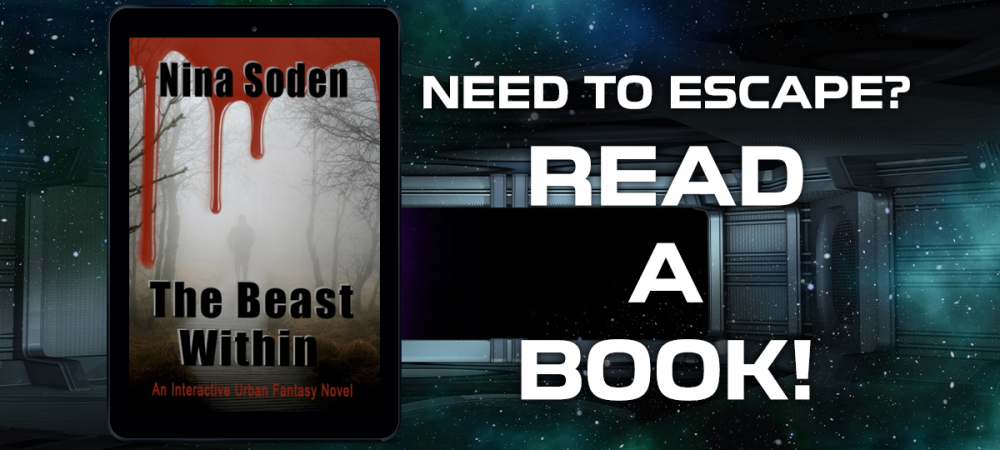
The Beast within — Nina Soden

  • How it explores the theme:
    Characters face unusual situations forcing them to make tough decisions under extreme pressure.
  • Why it matters:
    Survival by following the natural, or unnatural, instincts within ourselves.

The Magicians — Lev Grossman

  • How it explores the theme:
    Magic doesn’t protect characters from trauma or failure.
  • Why it matters:
    Survival includes enduring disappointment and disillusionment.

The Others — Anne Bishop

  • How it explores the theme:
    Humanity is examined from an outside perspective.
  • Why it matters:
    Being human isn’t about dominance — it’s about empathy.

The Sandman — Neil Gaiman

  • How it explores the theme:
    Mortality, dreams, and meaning define humanity.
  • Why it matters:
    Human fragility is portrayed as a strength, not a weakness.

Rivers of London — Ben Aaronovitch

  • How it explores the theme:
    A rational protagonist navigates an irrational world.
  • Why it matters:
    Humanity lies in curiosity, ethics, and restraint.

The Golem and the Jinni — Helene Wecker

  • How it explores the theme:
    Two non-human beings explore identity, freedom, and belonging.
  • Why it matters:
    Humanity is defined by choice, not origin.

These stories allow readers to safely examine fear, resistance, and resilience.

In dystopian fiction, ordinary people become heroes not because they’re powerful—but because they refuse to stop caring.

That’s why dystopian stories will always endure!


Turning 50: A Celebration of Art, Family, and Stories – PLUS A GIVEAWAY!

November 26th marks a big milestone for me — my 50th birthday. I’ll admit, that number has been sitting with me in a strange way. There’s something about it that feels both heavy and profound. But instead of focusing on the number, I want to celebrate the journey that brought me here — and the art, family, and community that have shaped me along the way.

I’ve always been an artist. As a kid, I filled sketchbooks with drawings and painted anything I could get my hands on. Creativity was my language — the way I understood and expressed the world around me. In college, I discovered the magic of theatre and film, and that love carried me all the way to California after graduation. I chased stories on stage and on camera, learning what it meant to bring characters to life.

When my husband and I moved to Alabama in 2004, the curtain didn’t fall — it simply shifted. I found a vibrant theatre community here, both on and off the stage. And when film opportunities weren’t as accessible, writing became my new creative outlet. It started as a whisper — a need to tell stories — and grew into a lifelong passion.

Since publishing my first novel in 2012, I’ve written worlds born from imagination, heart, and a deep love for storytelling. Each book has been a reflection of my creativity — as an artist, as a dreamer, as a human being trying to make sense of the world. But none of it would have been possible without my family. Their love, patience, and unwavering support have carried me through every chapter. Being a wife and a mom are my greatest accomplishments — everything else, every creative endeavor, is built on that foundation of love.

And then, of course, there’s you — my readers. Your encouragement, your messages, your shared excitement about my books… my stories mean more to me than you could ever know. You’ve helped turn my art into something living, something shared.

So, to celebrate this milestone birthday and to give back a little of the joy you’ve given me, I’m hosting a Birthday Giveaway! 🎁

Enter to win a signed copy of one of my books (U.S. entries only)!

Here’s how to enter:

  1. Leave a comment below — tell me your favorite birthday memory, your favorite book of mine, or simply say hello.
  2. Fill out the short entry form (linked below) so I can contact the winner.

← Back

Thank you for your response. ✨

The giveaway will be open through November 30th, and I’ll announce the winner the first week of December.

As I step into this new decade, I’m choosing gratitude — for art, for stories, for family, and for the readers who make it all worthwhile. Thank you for being part of my creative journey. Here’s to the next chapter — one filled with courage, curiosity, and a whole lot of love. 💜

With gratitude,
Nina Soden
Author | Dreamer | Storyteller

Where in the World Are You Reading From? Share Your Location!

One of the most magical things about writing is knowing that words travel farther than I ever could on my own. A story written in the quiet of my office in North Alabama can end up being read in a coffee shop in Oregon, a library in New York, or maybe even on a balcony somewhere in Paris. That thought makes me smile every single time.

And it also makes me curious.

Today, I want to turn the spotlight around and ask you a question:
👉 Where in the world are you reading from?


Why I’m Asking

Part of being a writer — and honestly, part of being human — is being fascinated by stories. And to me, places carry stories just as much as people do. Your hometown, your current city, the little café or park where you like to read — these are all threads of the bigger story we’re building here as a community.

It also helps me shape the kind of content I share. If many of you are local, maybe I’ll start highlighting more North Alabama literary events or indie bookstore happenings. If a lot of you are scattered far and wide, I might focus more on universal themes — the writing process, character creation, and the joy (and chaos) of storytelling.


A Little About Me

If you’re new here, welcome! My name is Nina Soden, and I wear a couple of hats:

  • ✍️ Author — I write urban fantasy and dystopian fiction, and I share behind-the-scenes peeks into my writing journey here on the blog.
  • 🏡 Realtor — When I’m not building fictional worlds, I’m helping families buy and sell homes in North Alabama. (It’s another kind of storytelling, really — every home holds a history, and every move begins a new chapter.)
  • 🎭 Theatre Enthusiast — The stage has always been a second home for me. Whether I’m performing in a local production or lending my voice to a reading, theatre keeps my creativity alive in a way that fuels everything else I do. If you haven’t seen my weekly Theatre newsletter… check out the September 9, 2025 issue HERE and make sure to let me know if you want to subscribe!
  • ❤️ Family Gal — At the heart of it all, I’m a wife, a mom, and someone who believes that family is the foundation of every life worth living. My family keeps me grounded, inspires me, drives me to keep going, and cheers me on through every new adventure.

I love that my life blends all these worlds together. My readers get a peek into my real estate life, my clients discover my books, and sometimes my theatre friends end up in both! It’s all connected by one simple truth: I love people, and I love stories.


Your Turn!

So now it’s time for you to chime in.

  • Where are you reading from?
  • Do you prefer curling up with a book in your favorite chair, or are you a café reader?
  • And just for fun — what’s the last book you finished?

Drop your answers in the comments below. I’ll be reading every single one, and who knows — I might even feature a few responses in a future post.

Thanks for being here, for reading, and for sharing this journey with me. I can’t wait to see where in the world you’re reading from!


✨ If you’re enjoying the blog, don’t forget to subscribe so you don’t miss future posts. And if you ever find yourself curious about North Alabama real estate — whether you’re moving here, away from here, or just like to browse beautiful homes — let me know. I’d be happy to share that side of my world with you, too. ✨


The Role of Antiheroes in Urban Fantasy

Urban fantasy is a genre that thrives on complexity, blending the supernatural with the everyday, and often featuring protagonists who are anything but conventional heroes. The protagonists of urban fantasy are often morally gray, flawed, and reluctant to step into the role of the “traditional” hero. This is where the antihero trope comes in—protagonists who might possess some heroic traits but whose actions, motivations, and moral compass diverge from what we’d traditionally expect from a classic hero. They’re not pure knights in shining armor; they’re messy, complex individuals, often caught between personal desires, complicated moral dilemmas, and the pressures of a world that isn’t all black and white.

But why do these antiheroes resonate so deeply with readers, and why do they dominate the urban fantasy genre? Let’s explore their appeal, their complexities, and how they shape the narratives of modern fantasy.

1. The Antihero’s Complexity: Flawed But Relatable

At the heart of every antihero is complexity. Unlike traditional heroes who might be painted in broad strokes of good versus evil, antiheroes are far more nuanced. They are often deeply flawed individuals who struggle with their own personal demons, making them more human (even if they aren’t) and relatable. They might engage in morally questionable actions, but their inner conflict makes them compelling rather than repulsive.

Relatability and Imperfection: Readers are drawn to antiheroes because they reflect the realities of the human experience. No one is perfect, and everyone has their own moral struggles. An antihero’s flaws—whether it’s a quick temper, a tortured past, or a reluctance to accept their destiny—make them feel real. They grapple with emotions like guilt, fear, or self-doubt, just like any reader might. Their imperfections make their victories more meaningful because we can see that they are earned through struggle and growth, not just the result of innate goodness or righteousness.

Take Harry Dresden from The Dresden Files by Jim Butcher, for example. As a wizard and detective in modern-day Chicago, Harry is tough, resourceful, and brave—but he’s also impulsive, sarcastic, and often makes decisions that lead to unintended consequences. His constant struggle between doing the right thing and bending the rules for the sake of expediency makes him deeply relatable to readers. He isn’t perfect, but that’s what makes him a hero in his own right.

2. Challenging Traditional Heroism

Urban fantasy thrives on subverting traditional notions of heroism. In these stories, the world is often a darker, more complicated place, and the lines between good and evil are not always clear. The antihero trope allows urban fantasy to explore themes of power, justice, and morality in a way that is more aligned with real-world experiences.

Gray Morality: In urban fantasy, there is often no simple distinction between right and wrong. The protagonists frequently operate in a world where both sides—the “good guys” and the “bad guys”—are morally compromised. Antiheroes are more likely to make tough, pragmatic choices that skirt the edges of morality, sometimes opting for what is expedient over what is strictly right. These characters aren’t bound by traditional heroic ideals; they are often shaped by circumstance, experience, and survival instincts.

This is particularly appealing in a world where readers often feel disconnected from idealized notions of good versus evil. Anita Blake, from Laurell K. Hamilton’s series, is a perfect example. As a necromancer, she walks a fine line between the human world and the supernatural world, struggling with both her personal desires and the expectations placed on her by society and supernatural creatures alike. Her decisions are often morally ambiguous, and this complexity makes her a fascinating, multi-dimensional character.

3. The Reluctant Hero: Relating to the Everyman

Another defining feature of many urban fantasy antiheroes is their reluctance to embrace the hero’s role. These characters often find themselves thrown into extraordinary situations that demand action, but they aren’t always eager to take on the mantle of heroism. This reluctance makes the character’s journey more compelling, as they must overcome their own hesitation, doubt, or reluctance to do what needs to be done.

The Reluctant Nature: The reluctant antihero often represents the everyman (or everywoman) who is thrust into a world of magic, danger, and moral ambiguity. They don’t choose to be heroes—they are often forced into situations where they must act in order to survive or protect those they care about. Readers find this relatable because, in our everyday lives, most people aren’t actively seeking out challenges or grand heroic deeds. Instead, they are responding to external pressures or trying to survive in a world that can often feel out of their control.

A great example is Mercy Thompson from Patricia Briggs’ Mercy Thompson series. Mercy, a mechanic and shapeshifter, finds herself entangled in the supernatural world despite her desire to lead a simple life. She is reluctant to take on the role of protector or leader, but her loyalty to her friends and family forces her to take action. The reader follows her as she struggles with balancing her personal desires and responsibilities, which adds layers of depth to her character.

4. Antiheroes and the Exploration of Personal Morality

Urban fantasy is often more than just an escape from reality—it’s a place where readers can explore the complexities of moral decision-making. Antiheroes serve as ideal vehicles for this exploration because their moral compass is often unclear, shifting between choices that seem right and those that seem wrong. Through them, readers can experience the consequences of these decisions and ask themselves what they would do in similar situations.

Personal Morality and Growth: In urban fantasy, the stakes are high, and antiheroes are often forced to confront their own values and ethical boundaries. This can create a powerful narrative arc, where the protagonist learns to accept their flaws, embrace their role in the larger world, and perhaps even find redemption. The internal struggle of reconciling one’s personal morality with external expectations is a core theme in many urban fantasy novels, making the journey of the antihero one of personal growth and transformation.

In The Iron Druid Chronicles by Kevin Hearne, the protagonist, Atticus O’Sullivan, is a 2,000-year-old druid who initially appears to be morally ambiguous, making decisions that benefit him while also causing harm to others. Over time, Atticus is forced to grapple with the consequences of his actions, leading to growth and self-awareness. His antihero journey challenges readers to reflect on their own values and the consequences of their choices.

5. The Appeal of the Outsider

Many urban fantasy antiheroes are also outsiders—whether they are outcasts from society, marginalized supernatural beings, or individuals who have been abandoned or betrayed. This outsider status gives these characters a unique perspective on the world around them, and often a deep sense of alienation or loneliness. Readers are drawn to these characters because they feel disconnected or out of place in the world, much like many of us do.

Alienation and Belonging: Antiheroes in urban fantasy are often characters who must carve out their own sense of belonging in a world that doesn’t fully accept them. Whether it’s a vampire trying to resist their bloodthirsty instincts, a werewolf struggling to fit into human society, or a human with magical abilities feeling disconnected from both worlds, these characters deal with issues of identity, isolation, and acceptance. Readers, too, often feel like outsiders in their own lives, making these characters relatable and inspiring.

Dresden Files’ Harry Dresden is a great example of this outsider trope. As a wizard in a world where magic is both feared and misunderstood, Harry faces discrimination, loneliness, and isolation. But it’s through these struggles that he grows, becoming not just a hero but a figure that embodies resilience and determination against the odds.

My guess is that the antihero trope resonates so deeply within urban fantasy because it reflects the complexity of human nature. These characters embody flaws, contradictions, and struggles that make them relatable to readers. They walk the line between good and evil, often reluctant to embrace their role as heroes, yet still driven to act in moments of need. Their morally gray actions provide a rich backdrop for exploring themes of power, justice, personal growth, and morality, allowing readers to question their own values and decisions.

In a world that often feels uncertain and complex, urban fantasy antiheroes offer readers a chance to explore the messiness of life, and the human desire for redemption, power, and belonging. Their stories remind us that heroism isn’t always about being perfect—it’s about finding the strength to act in the face of overwhelming odds, and accepting that our imperfections make us all the more real.


Finding Time to Write: Tips for Achieving Work/Life Balance

As an aspiring author, the dream of seeing your name on a published book is both exciting and daunting. But for many, the challenge isn’t coming up with ideas or having the passion to write—it’s finding the time. Between work commitments and family responsibilities, carving out space for writing often feels like an impossible task. The reality is, you don’t have to quit your job or put your family on hold to become a writer. It’s all about creating a balance that allows you to nurture your creative side without neglecting your professional and personal life.

Here are some practical tips on how to find time to write, even when you’re juggling a busy career and a family.

1. Create a Dedicated Writing Space

Whether you have a full office or a small corner in your home, creating a designated space for writing can mentally prepare you to be productive. This space doesn’t need to be elaborate—just a spot where you can set aside distractions and immerse yourself in your writing.

Why it helps: A dedicated writing space helps you mentally switch gears and signals to your brain that it’s time to focus on your writing. It also creates a physical separation between work and writing, which can be particularly helpful when you have multiple responsibilities at home.

Tip: If you’re short on space, try using noise-cancelling headphones or setting up a small, portable desk. Even a corner of your kitchen table can become a creative zone when you treat it as such.

2. Schedule Writing Time Like an Important Meeting

If you’re struggling to find time to write, start scheduling it into your day just like any other important task. This may mean setting aside 15 to 30 minutes in the morning before your family wakes up or during your lunch break at work. The key is to carve out regular blocks of time that are non-negotiable.

Why it helps: When you treat your writing time with the same level of importance as a work meeting or family obligation, you are more likely to honor that time and make it a priority.

Tip: Use a planner or digital calendar to block out writing time. Make it a recurring event in your schedule, so it becomes a regular part of your day, not just something that happens “when you have time.”

3. Set Realistic Goals and Prioritize

Trying to write an entire novel in a month while working full-time and caring for a family is an unrealistic expectation for most people. Instead, set achievable, incremental goals that align with your schedule. Writing 500 words a day may not sound like much, but over time, it adds up.

Why it helps: Realistic goals help reduce feelings of overwhelm. By breaking down your larger writing project into manageable chunks, you create a sense of progress and momentum, which keeps you motivated.

Tip: Focus on small, tangible milestones, such as writing a chapter a week or completing a set number of pages each day. If you’re working on a longer project, consider setting deadlines for key events or scenes within the book to keep you on track.

4. Learn to Write in Small, Bite-Sized Sessions

Not every writing session needs to be a lengthy, focused marathon. In fact, writing in small, concentrated bursts may actually help you be more productive. Whether it’s 10 minutes between meetings or 30 minutes before bed, seize the time you do have.

Why it helps: Writing in shorter sessions may feel more doable, especially on days when your schedule is packed. You might be surprised by how much you can accomplish in a short period, and those small moments can add up over time.

Tip: Keep a notebook or your phone’s notes app handy for those quick bursts of inspiration. Write during your lunch break, while waiting for the kids to finish soccer practice, or even while commuting (if you’re not driving). Every little bit counts!

5. Communicate and Get Support from Family

Having a conversation with your family about your writing goals is crucial for gaining their support. Let them know that writing is something important to you and that you need time to work on your craft. Most families will appreciate your passion and be willing to help you find time for it.

Why it helps: Support from your family can make a world of difference. Whether it’s helping with household chores, watching the kids for a few hours, or simply being understanding when you need to dedicate time to writing, their encouragement can alleviate stress and allow you to focus.

Tip: If you have young children, consider swapping childcare with a partner or friend for a few hours each week to create uninterrupted writing time. For older kids, ask them to respect your writing time in exchange for quality time together later.

6. Embrace Flexibility and Set Boundaries

Life happens, and sometimes even the best-laid plans will fall apart. Kids get sick, work deadlines shift, or family emergencies arise. The key is to remain flexible and adjust your expectations accordingly. However, it’s also important to set clear boundaries when it comes to your writing time.

Why it helps: Setting boundaries allows you to safeguard your writing time. It’s easy to fall into the trap of constantly pushing your writing aside for other people’s needs. But setting boundaries ensures that your writing time is respected, just like any other part of your life.

Tip: Learn to say “no” when necessary. If a friend invites you to an impromptu event during your writing time, it’s okay to decline to prioritize your writing. Also, be prepared to reschedule your writing if things don’t go as planned. Flexibility is essential, but consistency is key.

7. Take Care of Yourself: Avoid Burnout

Writing, like any creative endeavor, requires mental and emotional energy. Trying to do everything without taking care of yourself will lead to burnout. To maintain balance, make sure to schedule time for rest, relaxation, and activities that recharge you.

Why it helps: When you neglect self-care, your creativity and energy will diminish, making it harder to write. By maintaining a healthy work/life balance, you ensure that you have the stamina to juggle both your writing and other responsibilities.

Tip: Prioritize sleep, exercise, and downtime. Taking care of your body and mind will help you stay focused when it’s time to write. Also, don’t be afraid to take breaks when you need them. Writing isn’t a sprint—it’s a marathon.

8. Use Technology to Your Advantage

Leverage technology to help you stay organized and productive. Whether it’s dictating your ideas into a voice recorder while commuting, using writing apps like Scrivener or Google Docs for easy access to your manuscript, or using productivity apps to stay on track, technology can make your writing process more efficient.

Why it helps: Technology can save time and reduce the effort needed to write. It also allows you to work on your project during those in-between moments, making the most of your day.

Tip: Experiment with productivity tools like time trackers or focus apps (e.g., Pomodoro technique) to help you maximize the short bursts of time you have available for writing.

The Importance of Persistence

Balancing work, family, and writing is not easy, but it is possible with the right mindset and strategies. The key is to find a balance that works for you, whether it’s writing early in the morning, during lunch breaks, or late at night. By setting realistic goals, creating a supportive environment, and respecting your boundaries, you can carve out time for your writing ambitions while still being present for your family and work.

Remember, the journey to becoming a published author is a marathon, not a sprint. Every word written is progress, and every moment spent writing is a step closer to your goal.


How to Create Compelling Sidekick Characters in Urban Fantasy

In urban fantasy, the protagonist often takes center stage, navigating a world full of supernatural dangers, moral dilemmas, and personal struggles. But while the hero’s journey is undeniably essential, the sidekick—the secondary character who stands by their side—also plays a critical role in the narrative. Sidekicks are not just comic relief or tools for exposition; they are multi-dimensional characters in their own right, with their own strengths, weaknesses, and distinct personalities. When crafted well, a compelling sidekick can elevate the plot, deepen the emotional stakes, and help ground the hero in a complex, magical world.

So, how do you create sidekick characters that are more than just “supporting players”? In this article, we’ll explore the key elements that make sidekicks stand out in urban fantasy, and how they can enhance both the hero’s journey and the overall narrative.

1. Make Them More Than Just Comic Relief

It’s easy to fall into the trap of making sidekicks the comedic foil to the serious hero. While humor is an essential tool for lightening the tone of an otherwise dark and gritty urban fantasy, a sidekick should not exist solely to provide punchlines. In fact, making your sidekick a multi-dimensional character—one who brings more to the table than just jokes—will help them feel real, relatable, and essential to the plot.

The Sidekick’s Role in the Story: The sidekick should have their own personal motivations, desires, and struggles that influence the main storyline. They might have an entirely different set of skills, knowledge, or talents than the hero, making them a crucial partner in the hero’s journey. Whether it’s their unique magical ability, street smarts, or deep understanding of supernatural politics, a well-developed sidekick brings valuable perspectives to the table. Their presence should not just reflect the hero’s actions, but also challenge them, creating opportunities for growth and evolution in both characters.

Consider Butch O’Neal from The Dresden Files by Jim Butcher. Butch isn’t just Harry Dresden’s comic relief or sidekick; he’s a fully realized character with his own motivations, fears, and backstory. He is a former police officer turned vampire, and his presence in the story challenges Dresden in meaningful ways, both emotionally and narratively.

2. Give Them Their Own Arc

Just like your protagonist, a sidekick should undergo character development throughout the story. While they may not have the same level of narrative focus as the hero, their growth is essential for adding depth to the plot. A sidekick who is static or unchanging risks feeling flat or underdeveloped.

A Sidekick’s Personal Journey: The sidekick doesn’t have to be on the same journey as the hero, but they should have their own goals and challenges that reflect their arc. Maybe they begin the story unsure of their place in the world, but by the end, they’ve developed new skills or come to terms with their past. Or perhaps they struggle with loyalty, torn between helping the hero and following their own moral code. Their arc should intersect with the hero’s journey, creating tension and moments of mutual growth.

In Patricia Briggs’ Mercy Thompson series, Mercy’s friend, Coyote (aka Adam’s pack), is more than just a helpful ally—his arc involves his struggle with leadership, morality, and love. Over time, his character deepens, contributing to the overall stakes of the plot and showing that sidekicks are often more than just passive participants.

3. Create a Dynamic Relationship with the Hero

The relationship between the hero and their sidekick is one of the most important aspects of the sidekick’s role in urban fantasy. The dynamic should be layered, with tension, loyalty, camaraderie, and mutual respect. A sidekick who exists purely to support the protagonist without any friction or complexity can feel unrealistic. Instead, consider how their relationship with the hero can evolve over the course of the story.

Conflict and Compromise: A well-crafted sidekick often challenges the hero in ways that prompt growth. The sidekick may have different values, methods, or ideas, which forces the hero to reevaluate their decisions or approach. Whether it’s moral dilemmas, differing opinions on how to handle a supernatural threat, or conflicting personal goals, the tension between the hero and sidekick should drive both character development and plot progression.

In Laurell K. Hamilton’s Anita Blake: Vampire Hunter series, Anita’s relationship with her sidekick and friend, Edward, is fraught with tension. Edward is an assassin who operates on a morally gray spectrum, and their relationship is a delicate balance of mutual respect and mistrust. This dynamic keeps the reader engaged and deepens the conflict within the plot.

4. Give Them Unique Skills or Traits

A sidekick should never be a carbon copy of the protagonist; they should bring something different to the table. In urban fantasy, this is especially true. The supernatural world is often complex and layered, with many different creatures, powers, and knowledge systems at play. Sidekicks can provide vital expertise, access to unique skills, or an alternative perspective that complements the hero’s strengths.

The Sidekick’s Purpose in the World: Whether it’s a specific magical ability, an extensive knowledge of occult history, or street smarts in navigating dangerous urban environments, the sidekick should offer something the hero cannot easily replicate. This makes the sidekick indispensable to the hero’s journey. Their talents and abilities should feel natural in the context of the world you’ve built, and their knowledge should help them contribute to solving the story’s conflicts.

For example, in Jim Butcher’s The Dresden Files, Bob the Skull, a disembodied spirit of knowledge, serves as both comic relief and a valuable source of information. His deep well of knowledge is critical to Harry’s success in solving complex supernatural cases. While Bob isn’t physically imposing or particularly heroic, his unique abilities make him a vital member of Dresden’s team.

5. Add Layers to Their Personality

Great sidekick characters often have their own quirks, flaws, and strengths that go beyond their role as a support character. Giving them a rich personality adds realism and depth to the narrative. Sidekicks should be multi-dimensional, with hopes, fears, weaknesses, and virtues of their own. Avoid stereotypes like the “grizzled mentor” or “innocent child” and instead create a sidekick who feels like a fully realized person.

Complex Personalities: A sidekick’s quirks can make them stand out in the story and offer opportunities for emotional depth. Maybe the sidekick is fiercely independent, which sometimes creates friction in their relationship with the hero. Perhaps they struggle with their own insecurities, which may be exacerbated by the danger and supernatural elements surrounding them. These personal complexities not only make the sidekick more engaging but also provide emotional stakes that drive the plot forward.

In Charlaine Harris’s Sookie Stackhouse series, Tara Thornton is Sookie’s best friend and sidekick, but she’s much more than just a support character. Tara has her own emotional turmoil and backstory that influence her actions throughout the series. She has a complex personality, struggling with personal relationships and finding her place in a world full of supernatural creatures. Her emotional growth is just as important as Sookie’s own journey.

6. Make Them Integral to the Plot

A sidekick should never feel like an afterthought. They should have a direct impact on the plot and help drive the story forward. Whether it’s providing essential information, aiding in a confrontation, or making a critical decision that changes the course of the action, the sidekick’s involvement should matter. They are there to help the hero in ways that feel authentic and integral to the narrative, not just to tag along for the ride.

Making Their Role Essential: A sidekick who is essential to the plot doesn’t just help the hero solve the mystery or defeat the antagonist—they add unique perspectives and contribute to the overall resolution of the story. Their choices, actions, and growth should directly impact the hero and the outcome of the adventure. This not only makes the sidekick feel vital to the story but also elevates the entire plot.

For example, in Patricia Briggs’ Mercy Thompson series, Mercy’s sidekick, Stefan, plays a critical role in the supernatural community’s politics and provides valuable insight into the dynamics of werewolves, vampires, and other creatures. He is more than just a secondary character—he is an essential piece in Mercy’s world and contributes significantly to the development of the plot.

Don’t Forget…

In urban fantasy, sidekicks are far more than mere accessories to the hero. They are vital, multi-faceted characters whose presence elevates the story, deepens the conflict, and helps to ground the hero in the fantastical world they inhabit. By giving your sidekick their own arc, skills, and personality, and ensuring they are integral to the plot, you create a character who feels as essential to the story as the protagonist. The best sidekicks are those who grow alongside the hero, challenge their views, and add emotional weight to the narrative. With a well-crafted sidekick, your urban fantasy world becomes richer, more complex, and more engaging, inviting readers to dive deeper into both the supernatural and the very human relationships that drive the plot forward.