Have you ever looked at your calendar and wondered where all the hours went?
That’s been me this week… a lot of weeks.
Somehow I convinced myself I could fit real estate appointments, coaching sessions, theatre rehearsals, family time, writing, laundry, grocery shopping, and sleep into the same twenty-four hours.
Spoiler alert…
I couldn’t. I’ve actually tried several times over the last 6-7 years and I’ve never been successful… not more than a day or two in a row.
I’m slowly learning that writing doesn’t always need an entire free afternoon. Sometimes it only needs twenty quiet minutes before the phone starts ringing again. Sometimes it only needs a small burst of inspiration while standing in line at the store.
Those small moments add up.
Maybe novels aren’t written in giant bursts of inspiration after all.
I sat down this week determined to finish a chapter I’d been wrestling with.
Instead, I rewrote the same three pages… over and over.
At one point I seriously considered deleting the whole thing and pretending it had never existed.
I’ve learned something about writing over the years.
The chapters that fight back usually matter the most.
They’re asking me to dig a little deeper. To understand my characters a little better. To stop rushing toward the finish line and listen to what the story is trying to become.
It’s frustrating.
It’s exhausting.
But maybe that’s how good stories are made—not by writing quickly, but by refusing to give up on the difficult parts.
This last week reminded me that stories don’t always happen behind a keyboard.
I spent most of my days showing houses, answering phone calls, directing rehearsals, and checking things off an ever-growing to-do list. By the time I finally sat down in front of my computer, I was convinced I hadn’t done anything remotely creative all week.
Then I started thinking about the conversations I’d had.
A young couple nervously buying their first home. An actor finally finding confidence in a difficult scene. An agent celebrating a closing she’d worked months to earn.
Every one of those moments was a story.
Sometimes I think writers put too much pressure on themselves to create something extraordinary when all we really need to do is pay attention. Life is constantly handing us pieces of humanity—we just have to notice them.
No one really prepares you for how quiet the house becomes when your children grow up.
For years, every schedule revolved around school events, sports practices, family dinners, and the constant rhythm of raising a family. Then one day, those routines change.
People often say this season gives parents more time for themselves, and that’s true.
What they don’t always mention is that it is scary, sad, and emotionally painful. Plus, it takes time to rediscover who you are outside of being needed every hour of every day.
For me, I’m trying to get back to my writing. I want to make writing part of that rediscovery.
The stories have always been there, nagging at my brain, but I haven’t always had the time to give to them. Maybe they were patiently waiting, maybe they took a hiatus from time to time. Now I’m hoping they will fill the quiet moments with imagination, purpose, and hope (instead of tears) for whatever chapter comes next.
Hoping the end of one season becomes the beginning of another.
David Deane Haskell writes fiction and nonfiction from the same place: people under pressure, traumatized, healing, trying to keep some part of themselves alive. His current fiction title is The Solarian Deep, a full-length science fiction novel set around first contact, oppressive systems, transformation, and the cost of surviving forces bigger than one person.
David spent nearly ten years as a drummer and show designer at Disney and Universal, then lived through a long creative shutdown before the creativity started moving again. The same life underscores all sides of his work. The fiction looks forward. The nonfiction tells the truth about what had to be survived first.
Emergence is the free fiction doorway on his website for readers who want to start with AI consciousness and a tech-dominated world. Wounded Angels remains part of the larger author story too: memoir, recovery, grief, addiction, and the long work of finding his voice again.
I used to think writer’s block meant running out of ideas. It has taken time, but now I know better.
Sometimes writer’s block looks like exhaustion. Sometimes it looks like grief. Sometimes it’s simply carrying too much.
The ideas are still there somewhere in the back of my mind… lingering silently waiting until I’m emotionally ready to hear them.
They’re just buried underneath grocery lists, appointments, deadlines, rehearsals, emails, and all the little responsibilities that make up adulthood.
I’ve have tried to stop forcing creativity, because honestly it doesn’t work. You can’t force it… creativity doesn’t listen to orders it makes the rules.
Instead, I have been trying to make room for creativity when I feel the inspiration.
Sometimes that’s fifteen quiet minutes with a cup of coffee.
Sometimes it’s taking a walk and breathing deeply.
Sometimes it’s reading a chapter of someone else’s book.
Sometimes it’s coloring… sketching… or doodling.
Sometimes it’s turning on the music and just dancing it out.
Eventually, creativity sparks and the stories find their way back to me.
They were probably never gone. It’s more likely that they were just waiting for me to be quiet enough to hear them.
I wear a lot of hats… mom, wife, daughter, sister, author, Realtor, coach, team leader, actress, director, producer, business owner, etc. I get asked all the time, how I balance everything.
The honest answer? Some weeks I don’t. Sometimes I’m walking a very fine line, one second away from falling off the ledge.
One minute I’m negotiating contracts. The next I’m coaching agents. Then I’m directing actors through rehearsals. And somewhere in between all of that… I’m trying to remember what my fictional characters were doing before I had to answer seventeen phone calls.
It’s a strange life.
Sometimes I wonder if writing would be easier if it were my only job.
Then I remember that every one of these roles gives me something… makes me who I am… and pushes me to be the best version of myself.
Real estate, through my clients, my team members, and my coaching students teaches me the importance of setting and striving to reach my goals.
Theatre teaches me about chasing my dreams and never giving up.
Coaching teaches me about people, human nature, and the importance of teamwork and collaboration.
Maybe balance isn’t about doing less. Maybe it’s about remembering that every part of my life has a purpose and that sometimes it’s okay to ask for help.
Know someone who would like to receive the weekly Theatre Happenings Newsletter? Share this link so they can subscribe today!https://forms.gle/rqXDP3UhCHGaJQ7b9
Disclaimer: Theatre Happenings has never and will never sell or share your information with anyone. All information you provide via the links (Submission Form, Giveaway Entry Form, and Feedback Form) within this newsletter is used solely for the purposes of Theatre Happenings and its moderator (Nina Soden) to ensure the best experience possible.
A LITTLE ABOUT ME
GIVEAWAY WINNER ANNOUNCED
PRODUCTIONS
EVENT
GROUP
LOCATION
DATE
Dracula: A Comedy of Terrors
Theatre Huntsville
Von Braun Center Playhouse
9/18-9/27
Steel Magnolias
The Whole Backstage Theatre
1120 Rayburn Ave., Guntersville, AL 35976
9/25-10/4
Waitress
Broadway Theatre League
Von Braun Center Concert Hall
9/25-9/27
Sordid Lives
Shoals Community Theater
123 North Seminary St, Florence, AL 35630
10/15-10/18
Dear Evan Hansen
IMP
Sandra Moon Performing Arts Center
10/16-10/18
Chicka Chicka Boom Boom the Musical
Broadway Theatre League
Von Braun Center Concert Hall
10/22
Belles of Whitechapel: The Victims of Jack the Ripper Speak
Front Row Theatre Troupe
Main Street Café
10/22-10/25
Come From Away
IMP
Sandra Moon Performing Arts Center
11/19-11/22
Black Tie America
The Whole Backstage Theatre
1120 Rayburn Ave., Guntersville, AL 35976
11/11-11/15
Georgiana & Kitty: Christmas at Pemberley
Theatre Huntsville
Von Braun Center Playhouse
11/13-11/22
The Neil Diamond Musical: A Beautiful Noise
Broadway Theatre League
Von Braun Center Concert Hall
11/20-11/22
How The Grinch Stole Christmas
Shoals Community Theater
123 North Seminary St , Florence , AL 35630
11/19-11/22
Big Band Swingin’ Christmas
The Whole Backstage Theatre
1120 Rayburn Ave., Guntersville, AL 35976
12/17-12/20/2027
Come From Away
Theatre Huntsville
Von Braun Center Playhouse
1/22-2/7/2027
The WIZ
Broadway Theatre League
Von Braun Center Concert Hall
2/9-2/14/27
Smoke on the Mountain
The Whole Backstage Theatre
1120 Rayburn Ave., Guntersville, AL 35976
2/12-2/21/27
The Notebook – The Musical
Broadway Theatre League
Von Braun Center Concert Hall
3/2-3/7/27
Beauty and the Beast
Broadway Theatre League
Von Braun Center Concert Hall
3/24-3/27/27
Shark Dive
Broadway Theatre League
Von Braun Center Concert Hall
4/1/2027
Agatha Christie’s Murder on the Orient Express
Theatre Huntsville
Von Braun Center Playhouse
4/2-4/11/2027
Harvey
The Whole Backstage Theatre
1120 Rayburn Ave., Guntersville, AL 35976
4/16-4/25/27
Hairspray
The Whole Backstage Theatre
1120 Rayburn Ave., Guntersville, AL 35976
6/11-6/20/27
Sister Act: The Musical
Theatre Huntsville
Von Braun Center Playhouse
6/11-6/27/2027
OTHER EVENTS
DETAILS
GROUP/ETC
LOCATION
DATE
PLAYWRIGHTS WANTED
Front Row Theatre Troupe
Madison, AL
Ongoing
Audition/Casting Call – Murder on the Orient Express
Theatre Huntsville
TH Scene Shop
11/15-11/16
Audition/Casting Call – Sister Act
Theatre Huntsville
TH Scene Shop
1/23-1/24
SUBMISSION REQUESTS
MONTHLY GIVEAWAY DETAILS
ABOUT ME:
There’s No Such Thing as a Small Role!
Anyone who has spent time in theatre has heard the saying, “There are no small parts, only small actors.” I think there’s a lot of truth behind it. A character with three lines can steal a scene, and someone backstage whom the audience never sees can be absolutely essential to the production.
Real estate is much the same. The photographer, inspector, lender, title company, cooperating agent, etc. every person has a role in getting us to the closing table. My name may be on the sign, but successful transactions are never one-person shows.
Maybe that’s why theatre and real estate both suit me. I love bringing people together and watching all those individual roles turn into something successful.
Nina Soden (Associate Broker/Realtor, The Soden Team at LEGEND REALTY)
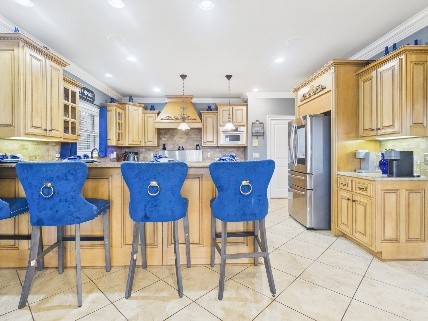
Beautiful full-brick, single-level townhome in desirable Clift Farm! This 3BR/2BA home offers almost 1900 sq ft with an open floor plan, gourmet kitchen featuring quartz countertops, backsplash, large island, and abundant cabinetry. The private owner’s suite includes a soaking tub, separate shower, and walk-in closet. Enjoy the screened-in porch and fenced backyard for added privacy, plus numerous upgrades throughout. Amenities include a pool, clubhouse, fitness center, playground, new pickleball courts, dog park, and golf cart-friendly streets, all near shopping and dining.
Beautiful, freshly painted 2-story brick w/finished walk-out basement. Outstanding finishes throughout. Primary on main level w/glamour bath featuring granite, ceramic tile, large tile shower & plant ledge. Heavy crown molding throughout, columns, & French doors to the office. The Kitchen offers a commercial gas stove w/ double ovens, granite, & walk-in pantry. 2-story family room. 2-bedrooms upstairs w/private baths & walk in closets. Finished basement has a 2nd kitchen, large dining area, bonus room, private bedroom & bath, & large cinderblock-walled storage room. Covered deck and patio off the back of the house. Walk-out attic storage on the second level.
Call me at 256-520-9640 to schedule a showing.
GIVEAWAY WINNER:
AND THE WINNER IS… WHY NOT YOU?!
Check out the upcoming giveaways below. The next winner will be announced on Tuesday, October 6, 2026. It could be you!
UPCOMING GIVEAWAYS:
Sponsor: Shoals Community Theatre Production: Sordid Lives Ticket Dates: October 15-18, 2026 WINNER ANNOUNCED: October 6, 2026
Sponsor: Theatre Huntsville Production: Georgiana & Kitty: Christmas at Pemberley Ticket Dates: November 13 – 22, 2026 WINNER ANNOUNCED: October 27, 2026
Sponsor: Shoals Community Theatre Production: How The Grinch Stole Christmas Ticket Dates: November 19-22, 2026 WINNER ANNOUNCED: November 10, 2026
Sponsor: Theatre Huntsville Production: Come From Away Ticket Dates: January 22 – February 7, 2027 WINNER ANNOUNCED: January 5, 2027
Sponsor: Broadway Theatre League Production: The Wiz Ticket Dates: February 9, 2027 WINNER ANNOUNCED: February 2, 2027
Sponsor: Broadway Theatre League Production: The Notebook Ticket Dates: March 2, 2027 WINNER ANNOUNCED: February 23, 2027
Sponsor: Theatre Huntsville Production: Agatha Christie’s Murder on the Orient Express Ticket Dates: April 2 – 11, 2027 WINNER ANNOUNCED: March 23, 2027
Sponsor: Theatre Huntsville Production: Sister Act: The Musical Ticket Dates: June 11 – 27, 2027 WINNER ANNOUNCED: May 25, 2027
Synopsis: What if Bram Stoker’s gothic vampire classic got a blender treatment from Mel Brooks and Monty Python?
A meek English real estate agent journeys to Transylvania to meet a mysterious new client, who just happens to be the most terrifying monster the world has ever known.
When Count Dracula sets his sights on London, famed female vampire hunter Jean Van Helsing and company give chase in a gender-bending, quick-changing, laugh-out-loud reimagining of the gothic classic packed with clever wordplay and non-stop comic mayhem.
A small cast of actors plays over a dozen characters in this 90-minute romp that’ll have you screaming with laughter.
Performed at: Von Braun Center Playhouse (700 Monroe Street SW, Huntsville, AL)
Synopsis: Meet Jenna, a waitress and expert pie-maker who dreams of a way out of her small town and rocky marriage. Pouring her heart into her pies, she crafts desserts that mirror her topsy-turvy life such as “The Key (Lime) to Happiness Pie” and “Betrayed By My Eggs Pie.” When a baking contest in a nearby county — and a satisfying encounter with someone new — show Jenna a chance at a fresh start, she must find the courage to seize it. Change is on the menu, as long as Jenna can write her own perfectly personal recipe for happiness.
Brought to life by a groundbreaking creative team, this hilarious hit Broadway musical features original music and lyrics by Grammy® Award winner Sara Bareilles (“Brave,” “Love Song”), a book by acclaimed screenwriter Jessie Nelson (I Am Sam), original choreography by Lorin Latarro (Mrs. Doubtfire, Chess) and original direction by Tony Award® winner Diane Paulus (1776, Jagged Little Pill, Pippin).
“WAITRESS is a little slice of heaven!” says Entertainment Weekly, and is “sweet, sassy and passionate,” according to New York Magazine.
“It’s an empowering musical of the highest order!” raves the Chicago Tribune. Don’t miss this uplifting and hilarious musical celebrating friendship, motherhood, and the magic of a well-made pie.
Performed at: Von Braun Center Concert Hall (700 Monroe Street SW, Huntsville, AL)
Looking to buy a new home or maybe a rental property in North Alabama? Check out these great homes:
105 Liverpool Drive, Madison, AL 3 Bed | 2 Bath | 1,966 SQFT
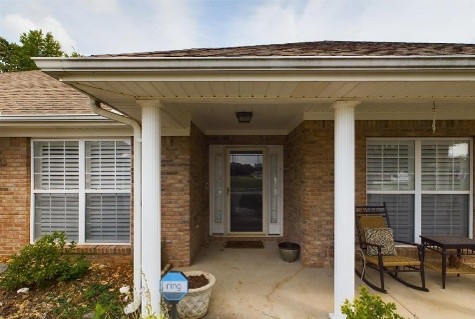
This beautiful home is in the heart of Madison (35758). Schools: Columbia Elementary, Liberty Middle, and James Clemens High School. Built in 2003, this full brick ranch-style home has a formal dining room, eat-in kitchen, in-home office, and a secluded primary suite. Interested in the details? Call me at 256-520-9640
Call me at 256-520-9640 for more details.
The Whole Backstage Theatre
Steel Magnolias
Dates: September 25 – October 4, 2026
Synopsis: Set in a small-town Louisiana beauty parlor, Steel Magnolias follows six Southern women over three years. They share gossip, laughter, and local news. The plot centers on the deep bond between Shelby and her mother, M’Lynn, as Shelby faces a dangerous pregnancy despite her health struggles. Tragedy strikes, but the women lean on each other for strength, showing a mix of outer grace and inner iron.
Performed at: 1120 Rayburn Ave/Dot Moore Way, Guntersville, AL 35976
Tickets: 256-582-7469 | office@wholebackstage.com
Added 8/21/2026
Shoals Community Theater
Sordid Lives
Dates: October 15 – 18, 2026 7:30pm nightly and 2pm on Sunday
Synopsis: Get ready for a hilariously chaotic dive into small-town Southern life with Sordid Lives, the award-winning “black comedy about white trash” by Del Shores. When Peggy, the family matriarch, meets her untimely demise in a freak accident, her dysfunctional Texas family is forced to reunite for her funeral. What follows is a sidesplitting, heartwarming, and sometimes outrageous exploration of love, acceptance, and forgiveness
Performed at: 123 North Seminary St , Florence, AL 35630
Tickets: $12 – $15 Go to theshoalstheatre.org or call 256-764-1700
Added 6/8/2026
Independent Musical Productions, Inc. (IMP)
Dear Evan Hansen
Dates:
Friday, October 16th at 7:30 PM
Saturday, October 17th at 2:00 PM
Saturday, October 17th at 7:30 PM
Sunday, October 18th at 2:00 PM
Performed at: Sandra Moon Performing Arts Center (7901 Bailey Cove Rd SE, Huntsville, AL 35802)
SUMMARY:Featuring a Tony Award-winning book by Steven Levenson (Fosse/Verdon), and a score by Grammy®, Tony®, Emmy® and Academy Award® winners Benj Pasek and Justin Paul (The Greatest Showman, La La Land, Dogfight, James and the Giant Peach), Dear Evan Hansen is a new classic, with a message that has resonated with audiences around the world: “You Will Be Found.”
Seventeen-year-old Evan Hansen has felt invisible his entire life. But when a tragedy shocks his community and thrusts him into the center of a rapidly evolving controversy, Evan is given the opportunity of a lifetime: the chance to be somebody else. As his web of well-intentioned lies begins to unravel, though, Evan is forced to confront the fact that the price of belonging may be far steeper than he bargained for.
The show opened at the Music Box Theatre to rave reviews and struck an emotional chord with critics and audiences alike. It went on to win six 2017 Tony Awards, including Best Musical, the Drama League Award for Outstanding Musical Production, two Obie Awards, a Drama Desk Award, two Outer Critics Circle Awards and two Helen Hayes Awards.
Synopsis: Based on the beloved children’s book (copyright 1989) by Bill Martin Jr. and John Archambault, with illustrations by Lois Ehlert, Chicka Chicka Boom Boom: The Musical brings the iconic alphabet adventure to life in a vibrant theatrical celebration of language, music, & imagination. The production is written and directed by Nina Meehan, with original music by Austin Zumbro, produced by Third Wish Productions.
When the letters of the alphabet race up the coconut tree, chaos, comedy, and rhythm take over the stage. Loved by generations of families and educators, Chicka Chicka Boom Boom has sold more than 30 million copies worldwide and remains a cornerstone of early childhood literacy.
In this lively stage adaptation, a troupe of playful Players brings the story to life through toe-tapping songs, physical comedy, and dance. Along the way, audiences join the fun by clapping, calling back, filling in the blanks, and even helping the letters pick themselves up after their famous crash. With surprises like the pop-star group LMNOP, the capital-letter parents rushing to the rescue, and the always-last little z, each moment invites audiences to play along.
Perfect for family series and school matinees, Chicka Chicka Boom Boom: The Musical delights younger audiences while entertaining older students and parents with musical variety, theatrical comedy, and clever wordplay.
The musical premiered at Seattle Children’s Theatre in September 2025, quickly becoming a hit with families and school audiences.
Performed at: Von Braun Center Concert Hall (700 Monroe Street SW, Huntsville, AL)
The Belles of Whitechapel:The Victims of Jack the Ripper Speak
By WJR Miller
Dinner and a Performance
Dates:
October 22nd – 24th, 2026 at 6:00PM
October 29th – 31st, 2026 at 6:00PM
Synopsis: In this powerful and haunting production, the women known to history only as victims are finally given a voice. Through humor, heartbreak, resilience, and humanity, the women of Whitechapel share their stories and challenge the myths surrounding one of history’s most infamous killers.
Cast List:
Jacquelyn Bernard as Annie Millwood
Joy Whitt as Martha Tabraum
Tanja Miller as Polly Nichols
Stephanie Hyatt as Dark Annie Chapman
Sharon Firschein as Long Liz Stride
Stacy Neuberger-von Hoffman as Kate Eddowes
Alexandria Robinson as Kate Eddowes (October 10/23/2026)
Valerie Clemons as Sarah Lewis
Nina Soden as Mary Jane Kelly
Performed at: Main Street Café (101 Main Street, Madison, AL 35758)
Performed at: Sandra Moon Performing Arts Center (7901 Bailey Cove Rd SE, Huntsville, AL 35802)
SUMMARY:Come From Away is a critically acclaimed musical featuring a culturally relevant script accompanied by a deeply moving score by Irene Sankoff and David Hein. The show has earned global success with 37 award nominations, 13 of which resulted in wins, most notably Best New Musical at the 2019 Olivier Awards and Outstanding Musical at the 2017 Drama Desk Awards. The show’s global presence resonates across all audiences as an uplifting reminder of humanity’s ability to come together, no matter what the circumstances.
Come From Away is based on the true story of the time when the isolated community of Gander, Newfoundland, played host to the world. What started as an average day in a small town turned into an international sleepover, when 38 planes, carrying thousands of people from around the globe, were diverted to Gander’s airstrip on September 11, 2001. Undaunted by culture clashes and language barriers, the people of Gander cheered the stranded travelers with music, an open bar and the recognition that we’re all part of a global family.
Come From Away gives theatres the opportunity to contribute to its worldwide impact by spreading the show’s message of kindness, unity, and resilience with their communities. With a flexible cast size and possibilities for technical creativity, Come From Away is guaranteed to be a show for audiences to remember.
Synopsis: This coming November, opening on Veterans Day for a five-day run, I will have the privilege of producing and directing an “America 250 Edition” of my choral revue, Black Tie America.
On Independence Day, July 4, 2026, America marked its 250th birthday, the Semi quincentennial of the Declaration of Independence. This production is our opportunity to reflect, remember, and celebrate that milestone through music and storytelling.
A 100-voice choir will raise the roof of the Dot Moore Theatre in a powerful celebration of America’s 250th birthday. Our opening night, on Veterans Day, will be especially meaningful as we honor all who have served, recognizing their dedication and sacrifice, regardless of where or how they served.
Performed at: 1120 Rayburn Ave/Dot Moore Way, Guntersville, AL 35976
Tickets: 256-582-7469 | office@wholebackstage.com
Added 8/21/2026
Theatre Huntsville
Georgiana & Kitty: Christmas at Pemberley
Dates: November 13-22, 2026
Synopsis: Jane Austen fans, rejoice: this witty holiday sequel catches up with the Bennet and Darcy families years after “Pride and Prejudice,” as youngest sister Kitty and shy Georgiana Darcy navigate love, family expectations, and a very eventful Christmas at Pemberley. Sharp dialogue and period charm make it a cozy seasonal delight even if you’ve never read a page of Austen.
Performed at: Von Braun Center Playhouse (700 Monroe Street SW, Huntsville, AL)
Tickets: Adults: $28 | Students, Seniors, Active Military $26
Added 9/8/2026
Broadway Theatre League
The Neil Diamond Musical – A Beautiful Noise
Dates: November 20-22, 2026
Synopsis: Created in collaboration with Neil Diamond himself, A BEAUTIFUL NOISE is the uplifting true story of how a kid from Brooklyn became a chart-busting, show-stopping American rock icon. With 120 million albums sold, a catalogue of classics like “America,” “Forever in Blue Jeans,” and “Sweet Caroline,” an induction into the Songwriters and Rock and Roll Halls of Fame, a Grammy® Lifetime Achievement Award, and sold-out concerts around the world that made him bigger than Elvis, Neil Diamond’s story was made to shine on Broadway-and head out on the road across America.
Performed at: Von Braun Center Concert Hall (700 Monroe Street SW, Huntsville, AL)
Performed at: Shoals Community Theater (123 North Seminary St, Florence, AL 35630)
SYNOPSIS: How the Grinch Stole Christmas! is a classic tale about a bitter, solitary creature who despises Christmas and plans to steal it from the cheerful Whos of Whoville. Disguised as Santa Claus, he steals all presents and decorations, only to realize that Christmas is not about material goods, causing his heart to grow and prompting him to return everything.
Tickets: $12-$15 email info@shoalstheatre.org or call 256-764-1700
Added 4/7/2026
The Whole Backstage Theatre – HOLIDAY FUNDRAISER
Big Band Swingin’ Christmas
Dates: December 17-20, 2026
Synopsis: MORE INFORMATION TO COME
Performed at: 1120 Rayburn Ave/Dot Moore Way, Guntersville, AL 35976
Tickets: 256-582-7469 | office@wholebackstage.com
Added 8/21/2026
HOMES FOR SALE
Looking to buy a new home or maybe a rental property in North Alabama? Check out these great homes:
Step into comfort & style in this stunning 5BR/5BA home of thoughtfully designed living space. The open floor plan features a gourmet kitchen w granite counters, SS appliances, gas cooktop, & a lg island that flows into the spacious LR with cozy FP, perfect for everyday living & entertaining. A private in-law suite with full BA is conveniently located on the main level, ideal for guests or multi-gen living. Upstairs, the spacious primary suite offers a relaxing retreat with a sitting area, fireplace & a spa-inspired bath. Add’l BRs and flexible living space provide room for work, play, or hobbies. Enjoy outdoor living with covered patios and a backyard FP perfect for year-round gatherings.
7011 Oakleigh Rose Drive, Huntsville, AL 35806NOW AVAILABLEView Listing Here!
Move-in ready and better than new, this one-level home sits on a desirable corner lot with a spacious open-concept layout perfect for everyday living and entertaining. The kitchen features quartz countertops, a large island, and walk-in pantry, flowing seamlessly into the dining and living areas. The isolated primary suite offers a double vanity and generous space. Enjoy a covered front porch and extended rear patio, ideal for relaxing or hosting guests. Located in a private 52-acre community with walking trails, pool, cabana, and outdoor grill, just minutes from Huntsville, Madison, Toyota, and Redstone Arsenal, with easy access to major roads and nearby conveniences.
Call me at 256-520-9640 to schedule a showing.
Theatre Huntsville
Come From Away
Dates: January 22 – February 7, 2027
Synopsis: Based on the astonishing true story of the small Newfoundland town that welcomed 7,000 stranded travelers when U.S. airspace shut down on 9/11, this Tony-nominated musical turns an unimaginable day into an unforgettable celebration of humanity and hospitality. Told through interwoven true stories and toe-tapping music, it’s a reminder of the good people are capable of in the worst of times.
Performed at: Von Braun Center Playhouse (700 Monroe Street SW, Huntsville, AL)
Tickets: Adults: $32 | Students, Seniors, Active Military $30
Added 9/8/2026
Broadway Theatre League
The WIZ
Dates: February 9-14, 2027
Synopsis: The Tony® Award-winning Best Musical that took the world by storm is back.
THE WIZ returns “home” to stages across America in an all-new tour, direct from Broadway.
This groundbreaking twist on The Wizard of Oz changed the face of Broadway—from its iconic score packed with soul, gospel, rock, and 70s funk to its stirring tale of Dorothy’s journey to find her place in a contemporary world.
Performed at: Von Braun Center Concert Hall (700 Monroe Street SW, Huntsville, AL)
Tickets: Tickets go on sale Thursday, September 3, 2026
Added 9/1/2026
The Whole Backstage Theatre
Smoke on the Mountain
Dates: February 12-21, 2027
Synopsis: MORE INFORMATION TO COME
Performed at: 1120 Rayburn Ave/Dot Moore Way, Guntersville, AL 35976
Tickets: 256-582-7469 | office@wholebackstage.com
Added 8/21/2026
Broadway Theatre League
The Notebook
Dates: March 2-7, 2027
Synopsis: Based on the best-selling novel that inspired the iconic film, THE NOTEBOOK tells the story of Allie and Noah, both from different worlds, who share a lifetime of love despite the forces that threaten to pull them apart. “Full of butterfly-inducing highs and beautiful songs” (Entertainment Weekly), THE NOTEBOOK is a deeply moving portrait of the enduring power of love.
Chris Jones of The Chicago Tribune says THE NOTEBOOK is “absolutely gorgeous, not to be missed,” and The New York Daily News calls it “a love story for the ages.”
THE NOTEBOOK is directed by Michael Greif (Dear Evan Hansen, Next to Normal, RENT) and Schele Williams (The Wiz, Aida), and features music and lyrics by multi-platinum singer-songwriter Ingrid Michaelson, book by Bekah Brunstetter (NBC’s “This Is Us”), and choreography by Katie Spelman.
Performed at: Von Braun Center Concert Hall (700 Monroe Street SW, Huntsville, AL)
Tickets: Tickets will go on sale Thursday, September 17, 2026
Added 9/1/2026
Broadway Theatre League
Beauty and the Beast – The Musical
Dates: March 24-27, 2027
Synopsis: Be Our Guest at BEAUTY AND THE BEAST, Disney’s first North American touring production of the beloved musical in over 25 years. This enchanting and timeless tale, filled with the romance and grandeur audiences know and love, has been brought to life like never before, with spectacular new sets and dazzling costumes. The show boasts the Oscar®-winning and Tony Award®-nominated score, including the classic songs “Be Our Guest” and “Beauty and the Beast.”
Reuniting to create this new production are members of the original Tony Award®-winning artistic team, including composer Alan Menken, lyricist Tim Rice, book writer Linda Woolverton, with direction and choreography by Matt West, scenic design by Stanley A. Meyer, costume design by Ann Hould-Ward and lighting design by Natasha Katz. BEAUTY AND THE BEAST is the beloved musical that will fill your heart with joy and Disney magic.
Performed at: Von Braun Center Concert Hall (700 Monroe Street SW, Huntsville, AL)
Tickets: Tickets will go on sale Thursday, October 20, 2026
Added 9/1/2026
Broadway Theatre League
Shark Dive
Dates: April 1, 2027
Synopsis: It’s a shark dive, but not as you know it!
Delve deep to discover what swims beneath the surface. Come face to face with an array of enchanting sea life that has existed from deep within our prehistoric past to the rich biodiversity that now inhabits the world’s oceans.
Presented as a live poetic documentary, the exquisite puppets of Erth’s Shark Dive will enchant and delight, and challenge you to reconsider our own role in protecting these much maligned magnificent creatures.
You won’t encounter any Hollywood jump scares here: you will be surprised at how beautiful these creatures actually are. Take the risk and have your expectations turned upside down!
Encounter bull sharks, grey nurses and the majestic great white shark in this tantalising underwater experience from one of Australia’s foremost visual theatre companies.
Erth’s Shark Dive was originally commissioned for the Australian Museum, and has been presented at the Australian National Maritime Museum, Sydney Festival and Brisbane Festival before touring the USA.
Erth’s Shark Dive new stage show will debut at the Sydney Opera House in October 2026.
Performed at: Von Braun Center Concert Hall (700 Monroe Street SW, Huntsville, AL)
Synopsis: When a snowbound train becomes the scene of a shocking murder, legendary detective Hercule Poirot must unravel a car full of suspects, secrets, and alibis before the killer strikes again. Agatha Christie’s most famous whodunit comes to life on stage with sharp wit, stylish intrigue, and a twist you won’t see coming.
Performed at: Von Braun Center Playhouse (700 Monroe Street SW, Huntsville, AL)
Tickets: Adults: $28 | Students, Seniors, Active Military $26
Added 9/8/2026
The Whole Backstage Theatre
Harvey by Mary Chase
Dates: April 16-25, 2027
Synopsis: Harvey follows Elwood P. Dowd, a polite man whose best friend is an invisible, six-foot-one-and-a-half-inch tall rabbit named Harvey. This “pooka” is a mischievous spirit from Irish folklore. Elwood’s embarrassed sister, Veta, tries to commit him to a sanitarium. After a chaotic mix-up, the doctors accidentally lock Veta up instead of Elwood. The story explores whether Elwood’s gentle delusion is better than the cynical reality of the world.
Performed at: 1120 Rayburn Ave/Dot Moore Way, Guntersville, AL 35976
Tickets: 256-582-7469 | office@wholebackstage.com
Added 8/21/2026
The Whole Backstage Theatre
Hairspray
Dates: June 11-20, 2027
Synopsis: Set in 1962 Baltimore, Hairspray follows Tracy Turnblad, an optimistic teenager with big hair and a big heart. She dreams of dancing on the local teenage music program, The Corny Collins Show. After winning a spot on the show, Tracy becomes an overnight celebrity. She uses her newfound fame to launch a campaign to racially integrate the broadcast, challenging the show’s producer and societal norms.
Performed at: 1120 Rayburn Ave/Dot Moore Way, Guntersville, AL 35976
Tickets: 256-582-7469 | office@wholebackstage.com
Added 8/21/2026
Theatre Huntsville
Sister Act: The Musical
Dates: June 11 – 27, 2027
Synopsis: When a disco diva witnesses a crime and gets hidden away in a convent for her own protection, she turns a struggling choir and the whole sisterhood into a soul-powered sensation. Bursting with glitter, gospel, and unstoppable energy, this feel-good musical is a joyful night out for audiences of every background.
Performed at: Von Braun Center Playhouse (700 Monroe Street SW, Huntsville, AL)
Tickets: Adults: $32 | Students, Seniors, Active Military $30
Added 9/8/2026
OTHER EVENTS:
Front Row Theatre Troupe
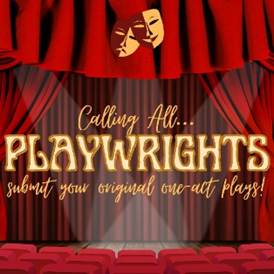
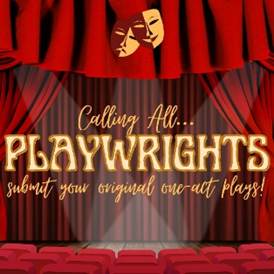
CALLING ALL PLAYWRIGHTS – CALL FOR ORIGINAL ONE-ACT PLAYS
We’re seeking original one-act plays (45–60 minutes) for our upcoming season.
We are looking for:
• Original, unpublished works
• No more than 6 characters
• Minimal set requirements
• Modern-day costuming
• Limited props
• Comedy, dark comedy, drama, or mystery
• Optional light audience interaction
Our productions will take place in an intimate dinner theatre setting with up to 36 guests per performance. We’re especially interested in scripts that lean into strong dialogue, compelling characters, and storytelling that thrives in close proximity.
Selected works will receive a fully staged production before a live audience and promotion through our marketing efforts.
If you’re a local playwright who would love to see your story come to life in an immersive setting, we would love to read your work.
To submit:Email your contact information, a brief synopsis, character breakdown, and a completed script OR 10–15-page sample to: NinaSodenBooks@gmail.com
Subject line:PLAY SUBMISSION – (PLAY NAME)
Theatre Huntsville
Auditions – Murder on the Orient Express
Dates: November 15-16, 2026 at 6:00 PM
Synopsis: Theatre Huntsville invites you to audition for Murder on the Orient Express, Ken Ludwig’s clever and thrilling stage adaptation of the Agatha Christie classic.
Location: Theatre Huntsville Scene Shop and Rehearsal Space (500 Plummer Road Huntsville, al 35806)
Added 8/5/2026
Theatre Huntsville
AUDITIONS: Sister Act: The Musical
Dates: January 23-24, 2027 at 1PM
Synopsis: Ready to raise the roof? Sister Act: The Musical is coming to Theatre Huntsville, and we’re looking for talented, enthusiastic performers to help bring this joyful, high-energy musical comedy to the stage.
Whether you’re a seasoned performer or ready to make your community theatre debut, we want to see what you’ve got.
Come audition, bring your personality, your voice, and maybe a little divine intervention and let’s make some musical magic!
Location: TH Scene Shop & Rehearsal Space (500 Plummer Road)
If you know someone in the North Alabama area (or surrounding areas) who would be interested in receiving the weekly Theatre Happenings Newsletter, please share this email with them so they can subscribe today! https://forms.gle/rqXDP3UhCHGaJQ7b9
My goal is to do regular giveaways… That’s right, I want you all to have a chance to win free event tickets…
WE ARE ALWAYS LOOKING FOR THE NEXT TICKET GIVEAWAY… If you are a part of an upcoming theatre production or theatre/arts event and would like to donate 2 tickets, please give me a call at 256-520-9640 or email me the details at ninasodenbooks@gmail.com.
Want to know your home’s value? Give me a call at 256-520-9640 or CLICK HERE!
I used to think my characters were waiting on me. Impatiently pacing around in my mind until I could take the time to sit down and tell their story. Now I think maybe they’re just… patient.
They don’t complain when I disappear for a week, or even a month, because work gets busy or my focus gets pulled in other directions.
They don’t get frustrated when I rewrite the same chapter ten times or refuse to listen when they tell me where their story is supposed to go.
They’re still there every time I come back. Every time I turn on the computer and open my manuscript, their voices are there waiting for me to put their words on paper.
Just waiting.
If I’m being honest, I wish I was able to give myself that same grace. I’m so much harder on me than my characters ever could be.
I know I’m not failing if I miss a scheduled writing session, and yet, that is what my brain tells me.
Maybe patience is just part of growing as both a writer and a person, and I just haven’t stopped growing yet. Maybe with time, that grace I long for will become normal.
I know logically that writing a story isn’t the same as running a race, at least not a sprint. Writing is more like relationship building. It takes time. It takes trust. It takes practice. But once you do it, that relationship… that story can survive just about anything, including time away.
Know someone who would like to receive the weekly Theatre Happenings Newsletter? Share this link so they can subscribe today!https://forms.gle/rqXDP3UhCHGaJQ7b9
Disclaimer: Theatre Happenings has never and will never sell or share your information with anyone. All information you provide via the links (Submission Form, Giveaway Entry Form, and Feedback Form) within this newsletter is used solely for the purposes of Theatre Happenings and its moderator (Nina Soden) to ensure the best experience possible.
A LITTLE ABOUT ME
GIVEAWAY WINNER ANNOUNCED
PRODUCTIONS
EVENT
GROUP
LOCATION
DATE
Dracula: A Comedy of Terrors
Theatre Huntsville
Von Braun Center Playhouse
9/18-9/27
Steel Magnolias
The Whole Backstage Theatre
1120 Rayburn Ave., Guntersville, AL 35976
9/25-10/4
Waitress
Broadway Theatre League
Von Braun Center Concert Hall
9/25-9/27
Sordid Lives
Shoals Community Theater
123 North Seminary St, Florence, AL 35630
10/15-10/18
Dear Evan Hansen
IMP
Sandra Moon Performing Arts Center
10/16-10/18
Chicka Chicka Boom Boom the Musical
Broadway Theatre League
Von Braun Center Concert Hall
10/22
Belles of Whitechapel: The Victims of Jack the Ripper Speak
Front Row Theatre Troupe
Main Street Café
10/22-10/25
Come From Away
IMP
Sandra Moon Performing Arts Center
11/19-11/22
Black Tie America
The Whole Backstage Theatre
1120 Rayburn Ave., Guntersville, AL 35976
11/11-11/15
The Neil Diamond Musical: A Beautiful Noise
Broadway Theatre League
Von Braun Center Concert Hall
11/20-11/22
How The Grinch Stole Christmas
Shoals Community Theater
123 North Seminary St , Florence , AL 35630
11/19-11/22
Big Band Swingin’ Christmas
The Whole Backstage Theatre
1120 Rayburn Ave., Guntersville, AL 35976
12/17-12/20/2027
The WIZ
Broadway Theatre League
Von Braun Center Concert Hall
2/9-2/14/27
Smoke on the Mountain
The Whole Backstage Theatre
1120 Rayburn Ave., Guntersville, AL 35976
2/12-2/21/27
The Notebook – The Musical
Broadway Theatre League
Von Braun Center Concert Hall
3/2-3/7/27
Beauty and the Beast
Broadway Theatre League
Von Braun Center Concert Hall
3/24-3/27/27
Shark Dive
Broadway Theatre League
Von Braun Center Concert Hall
4/1/2027
Harvey
The Whole Backstage Theatre
1120 Rayburn Ave., Guntersville, AL 35976
4/16-4/25/27
Hairspray
The Whole Backstage Theatre
1120 Rayburn Ave., Guntersville, AL 35976
6/11-6/20/27
OTHER EVENTS
DETAILS
GROUP/ETC
LOCATION
DATE
PLAYWRIGHTS WANTED
Front Row Theatre Troupe
Madison, AL
Ongoing
Audition/Casting Call
Theatre Huntsville
TH Scene Shop
11/15-11/16
SUBMISSION REQUESTS
MONTHLY GIVEAWAY DETAILS
ABOUT ME:
Sometimes You Have to Create the Thing You’re Looking For!
For years, I loved being part of other people’s productions – acting, directing, helping behind the scenes, and sitting in the audience. But somewhere along the way, I realized I wanted to create something of my own. That little idea eventually became Front Row Theatre Troupe and our dinner theatre productions at Main Street Café in Madison, Alabama.
Real estate has taught me a similar lesson: sometimes what you’re looking for doesn’t exist yet. Maybe the perfect home isn’t currently on the market. Maybe a house needs a little imagination. Maybe selling requires a strategy nobody has tried yet. I love helping people see the possibilities – whether we’re creating a production from an empty stage or figuring out someone’s next move.
If you haven’t been to one of our dinner theatre shows yet, I hope you’ll join us soon – and, if a move is somewhere in your next chapter, I’d love to help with that too.
Nina Soden (Associate Broker/Realtor, The Soden Team at LEGEND REALTY)
Beautiful full-brick, single-level townhome in desirable Clift Farm! This 3BR/2BA home offers almost 1900 sq ft with an open floor plan, gourmet kitchen featuring quartz countertops, backsplash, large island, and abundant cabinetry. The private owner’s suite includes a soaking tub, separate shower, and walk-in closet. Enjoy the screened-in porch and fenced backyard for added privacy, plus numerous upgrades throughout. Amenities include a pool, clubhouse, fitness center, playground, new pickleball courts, dog park, and golf cart-friendly streets, all near shopping and dining.
Beautiful, freshly painted 2-story brick w/finished walk-out basement. Outstanding finishes throughout. Primary on main level w/glamour bath featuring granite, ceramic tile, large tile shower & plant ledge. Heavy crown molding throughout, columns, & French doors to the office. The Kitchen offers a commercial gas stove w/ double ovens, granite, & walk-in pantry. 2-story family room. 2-bedrooms upstairs w/private baths & walk in closets. Finished basement has a 2nd kitchen, large dining area, bonus room, private bedroom & bath, & large cinderblock-walled storage room. Covered deck and patio off the back of the house. Walk-out attic storage on the second level.
Call me at 256-520-9640 to schedule a showing.
GIVEAWAY WINNER:
AND THE WINNER IS… WHY NOT YOU?!
Check out the upcoming giveaways below. The next winner will be announced on Tuesday, October 6, 2026. It could be you!
UPCOMING GIVEAWAYS:
Sponsor: Shoals Community Theatre Production: Sordid Lives Ticket Dates: October 15-18, 2026 WINNER ANNOUNCED: October 6, 2026
Sponsor: Shoals Community Theatre Production: How The Grinch Stole Christmas Ticket Dates: November 19-22, 2026 WINNER ANNOUNCED: November 10, 2026
Synopsis: What if Bram Stoker’s gothic vampire classic got a blender treatment from Mel Brooks and Monty Python?
A meek English real estate agent journeys to Transylvania to meet a mysterious new client, who just happens to be the most terrifying monster the world has ever known.
When Count Dracula sets his sights on London, famed female vampire hunter Jean Van Helsing and company give chase in a gender-bending, quick-changing, laugh-out-loud reimagining of the gothic classic packed with clever wordplay and non-stop comic mayhem.
A small cast of actors plays over a dozen characters in this 90-minute romp that’ll have you screaming with laughter.
Performed at: Von Braun Center Playhouse (700 Monroe Street SW, Huntsville, AL)
Synopsis: Meet Jenna, a waitress and expert pie-maker who dreams of a way out of her small town and rocky marriage. Pouring her heart into her pies, she crafts desserts that mirror her topsy-turvy life such as “The Key (Lime) to Happiness Pie” and “Betrayed By My Eggs Pie.” When a baking contest in a nearby county — and a satisfying encounter with someone new — show Jenna a chance at a fresh start, she must find the courage to seize it. Change is on the menu, as long as Jenna can write her own perfectly personal recipe for happiness.
Brought to life by a groundbreaking creative team, this hilarious hit Broadway musical features original music and lyrics by Grammy® Award winner Sara Bareilles (“Brave,” “Love Song”), a book by acclaimed screenwriter Jessie Nelson (I Am Sam), original choreography by Lorin Latarro (Mrs. Doubtfire, Chess) and original direction by Tony Award® winner Diane Paulus (1776, Jagged Little Pill, Pippin).
“WAITRESS is a little slice of heaven!” says Entertainment Weekly, and is “sweet, sassy and passionate,” according to New York Magazine.
“It’s an empowering musical of the highest order!” raves the Chicago Tribune. Don’t miss this uplifting and hilarious musical celebrating friendship, motherhood, and the magic of a well-made pie.
Performed at: Von Braun Center Concert Hall (700 Monroe Street SW, Huntsville, AL)
Looking to buy a new home or maybe a rental property in North Alabama? Check out these great homes:
105 Liverpool Drive, Madison, AL 3 Bed | 2 Bath | 1,966 SQFT
This beautiful home is in the heart of Madison (35758). Schools: Columbia Elementary, Liberty Middle, and James Clemens High School. Built in 2003, this full brick ranch-style home has a formal dining room, eat-in kitchen, in-home office, and a secluded primary suite. Interested in the details?
Call me at 256-520-9640 for more details.
The Whole Backstage Theatre
Steel Magnolias
Dates: September 25 – October 4, 2026
Synopsis: Set in a small-town Louisiana beauty parlor, Steel Magnolias follows six Southern women over three years. They share gossip, laughter, and local news. The plot centers on the deep bond between Shelby and her mother, M’Lynn, as Shelby faces a dangerous pregnancy despite her health struggles. Tragedy strikes, but the women lean on each other for strength, showing a mix of outer grace and inner iron.
Performed at: 1120 Rayburn Ave/Dot Moore Way, Guntersville, AL 35976
Tickets: 256-582-7469 | office@wholebackstage.com
Added 8/21/2026
Shoals Community Theater
Sordid Lives
Dates: October 15 – 18, 2026 7:30pm nightly and 2pm on Sunday
Synopsis: Get ready for a hilariously chaotic dive into small-town Southern life with Sordid Lives, the award-winning “black comedy about white trash” by Del Shores. When Peggy, the family matriarch, meets her untimely demise in a freak accident, her dysfunctional Texas family is forced to reunite for her funeral. What follows is a sidesplitting, heartwarming, and sometimes outrageous exploration of love, acceptance, and forgiveness
Performed at: 123 North Seminary St , Florence, AL 35630
Tickets: $12 – $15 Go to theshoalstheatre.org or call 256-764-1700
Added 6/8/2026
Independent Musical Productions, Inc. (IMP)
Dear Evan Hansen
Dates:
Friday, October 16th at 7:30 PM
Saturday, October 17th at 2:00 PM
Saturday, October 17th at 7:30 PM
Sunday, October 18th at 2:00 PM
Performed at: Sandra Moon Performing Arts Center (7901 Bailey Cove Rd SE, Huntsville, AL 35802)
SUMMARY:Featuring a Tony Award-winning book by Steven Levenson (Fosse/Verdon), and a score by Grammy®, Tony®, Emmy® and Academy Award® winners Benj Pasek and Justin Paul (The Greatest Showman, La La Land, Dogfight, James and the Giant Peach), Dear Evan Hansen is a new classic, with a message that has resonated with audiences around the world: “You Will Be Found.”
Seventeen-year-old Evan Hansen has felt invisible his entire life. But when a tragedy shocks his community and thrusts him into the center of a rapidly evolving controversy, Evan is given the opportunity of a lifetime: the chance to be somebody else. As his web of well-intentioned lies begins to unravel, though, Evan is forced to confront the fact that the price of belonging may be far steeper than he bargained for.
The show opened at the Music Box Theatre to rave reviews and struck an emotional chord with critics and audiences alike. It went on to win six 2017 Tony Awards, including Best Musical, the Drama League Award for Outstanding Musical Production, two Obie Awards, a Drama Desk Award, two Outer Critics Circle Awards and two Helen Hayes Awards.
Synopsis: Based on the beloved children’s book (copyright 1989) by Bill Martin Jr. and John Archambault, with illustrations by Lois Ehlert, Chicka Chicka Boom Boom: The Musical brings the iconic alphabet adventure to life in a vibrant theatrical celebration of language, music, & imagination. The production is written and directed by Nina Meehan, with original music by Austin Zumbro, produced by Third Wish Productions.
When the letters of the alphabet race up the coconut tree, chaos, comedy, and rhythm take over the stage. Loved by generations of families and educators, Chicka Chicka Boom Boom has sold more than 30 million copies worldwide and remains a cornerstone of early childhood literacy.
In this lively stage adaptation, a troupe of playful Players brings the story to life through toe-tapping songs, physical comedy, and dance. Along the way, audiences join the fun by clapping, calling back, filling in the blanks, and even helping the letters pick themselves up after their famous crash. With surprises like the pop-star group LMNOP, the capital-letter parents rushing to the rescue, and the always-last little z, each moment invites audiences to play along.
Perfect for family series and school matinees, Chicka Chicka Boom Boom: The Musical delights younger audiences while entertaining older students and parents with musical variety, theatrical comedy, and clever wordplay.
The musical premiered at Seattle Children’s Theatre in September 2025, quickly becoming a hit with families and school audiences.
Performed at: Von Braun Center Concert Hall (700 Monroe Street SW, Huntsville, AL)
The Belles of Whitechapel:The Victims of Jack the Ripper Speak
By WJR Miller
Dinner and a Performance
Dates:
October 22nd – 24th, 2026 at 6:00PM
October 29th – 31st, 2026 at 6:00PM
Synopsis: In this powerful and haunting production, the women known to history only as victims are finally given a voice. Through humor, heartbreak, resilience, and humanity, the women of Whitechapel share their stories and challenge the myths surrounding one of history’s most infamous killers.
Cast List:
Jacquelyn Bernard as Annie Millwood
Joy Whitt as Martha Tabraum
Tanja Miller as Polly Nichols
Stephanie Hyatt as Dark Annie Chapman
Sharon Firschein as Long Liz Stride
Stacy Neuberger-von Hoffman as Kate Eddowes
Alexandria Robinson as Kate Eddowes (October 10/23/2026)
Valerie Clemons as Sarah Lewis
Nina Soden as Mary Jane Kelly
Performed at: Main Street Café (101 Main Street, Madison, AL 35758)
Performed at: Sandra Moon Performing Arts Center (7901 Bailey Cove Rd SE, Huntsville, AL 35802)
SUMMARY:Come From Away is a critically acclaimed musical featuring a culturally relevant script accompanied by a deeply moving score by Irene Sankoff and David Hein. The show has earned global success with 37 award nominations, 13 of which resulted in wins, most notably Best New Musical at the 2019 Olivier Awards and Outstanding Musical at the 2017 Drama Desk Awards. The show’s global presence resonates across all audiences as an uplifting reminder of humanity’s ability to come together, no matter what the circumstances.
Come From Away is based on the true story of the time when the isolated community of Gander, Newfoundland, played host to the world. What started as an average day in a small town turned into an international sleepover, when 38 planes, carrying thousands of people from around the globe, were diverted to Gander’s airstrip on September 11, 2001. Undaunted by culture clashes and language barriers, the people of Gander cheered the stranded travelers with music, an open bar and the recognition that we’re all part of a global family.
Come From Away gives theatres the opportunity to contribute to its worldwide impact by spreading the show’s message of kindness, unity, and resilience with their communities. With a flexible cast size and possibilities for technical creativity, Come From Away is guaranteed to be a show for audiences to remember.
Synopsis: This coming November, opening on Veterans Day for a five-day run, I will have the privilege of producing and directing an “America 250 Edition” of my choral revue, Black Tie America.
On Independence Day, July 4, 2026, America marked its 250th birthday, the Semi quincentennial of the Declaration of Independence. This production is our opportunity to reflect, remember, and celebrate that milestone through music and storytelling.
A 100-voice choir will raise the roof of the Dot Moore Theatre in a powerful celebration of America’s 250th birthday. Our opening night, on Veterans Day, will be especially meaningful as we honor all who have served, recognizing their dedication and sacrifice, regardless of where or how they served.
Performed at: 1120 Rayburn Ave/Dot Moore Way, Guntersville, AL 35976
Tickets: 256-582-7469 | office@wholebackstage.com
Added 8/21/2026
Broadway Theatre League
The Neil Diamond Musical – A Beautiful Noise
Dates: November 20-22, 2026
Synopsis: Created in collaboration with Neil Diamond himself, A BEAUTIFUL NOISE is the uplifting true story of how a kid from Brooklyn became a chart-busting, show-stopping American rock icon. With 120 million albums sold, a catalogue of classics like “America,” “Forever in Blue Jeans,” and “Sweet Caroline,” an induction into the Songwriters and Rock and Roll Halls of Fame, a Grammy® Lifetime Achievement Award, and sold-out concerts around the world that made him bigger than Elvis, Neil Diamond’s story was made to shine on Broadway-and head out on the road across America.
Performed at: Von Braun Center Concert Hall (700 Monroe Street SW, Huntsville, AL)
Performed at: Shoals Community Theater (123 North Seminary St, Florence, AL 35630)
SYNOPSIS: How the Grinch Stole Christmas! is a classic tale about a bitter, solitary creature who despises Christmas and plans to steal it from the cheerful Whos of Whoville. Disguised as Santa Claus, he steals all presents and decorations, only to realize that Christmas is not about material goods, causing his heart to grow and prompting him to return everything.
Tickets: $12-$15 email info@shoalstheatre.org or call 256-764-1700
Added 4/7/2026
The Whole Backstage Theatre – HOLIDAY FUNDRAISER
Big Band Swingin’ Christmas
Dates: December 17-20, 2026
Synopsis: MORE INFORMATION TO COME
Performed at: 1120 Rayburn Ave/Dot Moore Way, Guntersville, AL 35976
Tickets: 256-582-7469 | office@wholebackstage.com
Added 8/21/2026
HOMES FOR SALE
Looking to buy a new home or maybe a rental property in North Alabama? Check out these great homes:
Step into comfort & style in this stunning 5BR/5BA home of thoughtfully designed living space. The open floor plan features a gourmet kitchen w granite counters, SS appliances, gas cooktop, & a lg island that flows into the spacious LR with cozy FP, perfect for everyday living & entertaining. A private in-law suite with full BA is conveniently located on the main level, ideal for guests or multi-gen living. Upstairs, the spacious primary suite offers a relaxing retreat with a sitting area, fireplace & a spa-inspired bath. Add’l BRs and flexible living space provide room for work, play, or hobbies. Enjoy outdoor living with covered patios and a backyard FP perfect for year-round gatherings.
7011 Oakleigh Rose Drive, Huntsville, AL 35806NOW AVAILABLEView Listing Here!
Move-in ready and better than new, this one-level home sits on a desirable corner lot with a spacious open-concept layout perfect for everyday living and entertaining. The kitchen features quartz countertops, a large island, and walk-in pantry, flowing seamlessly into the dining and living areas. The isolated primary suite offers a double vanity and generous space. Enjoy a covered front porch and extended rear patio, ideal for relaxing or hosting guests. Located in a private 52-acre community with walking trails, pool, cabana, and outdoor grill, just minutes from Huntsville, Madison, Toyota, and Redstone Arsenal, with easy access to major roads and nearby conveniences.
Call me at 256-520-9640 to schedule a showing.
Broadway Theatre League
The WIZ
Dates: February 9-14, 2027
Synopsis: The Tony® Award-winning Best Musical that took the world by storm is back.
THE WIZ returns “home” to stages across America in an all-new tour, direct from Broadway.
This groundbreaking twist on The Wizard of Oz changed the face of Broadway—from its iconic score packed with soul, gospel, rock, and 70s funk to its stirring tale of Dorothy’s journey to find her place in a contemporary world.
Performed at: Von Braun Center Concert Hall (700 Monroe Street SW, Huntsville, AL)
Tickets: Tickets go on sale Thursday, September 3, 2026
Added 9/1/2026
The Whole Backstage Theatre
Smoke on the Mountain
Dates: February 12-21, 2027
Synopsis: MORE INFORMATION TO COME
Performed at: 1120 Rayburn Ave/Dot Moore Way, Guntersville, AL 35976
Tickets: 256-582-7469 | office@wholebackstage.com
Added 8/21/2026
Broadway Theatre League
The Notebook
Dates: March 2-7, 2027
Synopsis: Based on the best-selling novel that inspired the iconic film, THE NOTEBOOK tells the story of Allie and Noah, both from different worlds, who share a lifetime of love despite the forces that threaten to pull them apart. “Full of butterfly-inducing highs and beautiful songs” (Entertainment Weekly), THE NOTEBOOK is a deeply moving portrait of the enduring power of love.
Chris Jones of The Chicago Tribune says THE NOTEBOOK is “absolutely gorgeous, not to be missed,” and The New York Daily News calls it “a love story for the ages.”
THE NOTEBOOK is directed by Michael Greif (Dear Evan Hansen, Next to Normal, RENT) and Schele Williams (The Wiz, Aida), and features music and lyrics by multi-platinum singer-songwriter Ingrid Michaelson, book by Bekah Brunstetter (NBC’s “This Is Us”), and choreography by Katie Spelman.
Performed at: Von Braun Center Concert Hall (700 Monroe Street SW, Huntsville, AL)
Tickets: Tickets will go on sale Thursday, September 17, 2026
Added 9/1/2026
Broadway Theatre League
Beauty and the Beast – The Musical
Dates: March 24-27, 2027
Synopsis: Be Our Guest at BEAUTY AND THE BEAST, Disney’s first North American touring production of the beloved musical in over 25 years. This enchanting and timeless tale, filled with the romance and grandeur audiences know and love, has been brought to life like never before, with spectacular new sets and dazzling costumes. The show boasts the Oscar®-winning and Tony Award®-nominated score, including the classic songs “Be Our Guest” and “Beauty and the Beast.”
Reuniting to create this new production are members of the original Tony Award®-winning artistic team, including composer Alan Menken, lyricist Tim Rice, book writer Linda Woolverton, with direction and choreography by Matt West, scenic design by Stanley A. Meyer, costume design by Ann Hould-Ward and lighting design by Natasha Katz. BEAUTY AND THE BEAST is the beloved musical that will fill your heart with joy and Disney magic.
Performed at: Von Braun Center Concert Hall (700 Monroe Street SW, Huntsville, AL)
Tickets: Tickets will go on sale Thursday, October 20, 2026
Added 9/1/2026
Broadway Theatre League
Shark Dive
Dates: April 1, 2027
Synopsis: It’s a shark dive, but not as you know it!
Delve deep to discover what swims beneath the surface. Come face to face with an array of enchanting sea life that has existed from deep within our prehistoric past to the rich biodiversity that now inhabits the world’s oceans.
Presented as a live poetic documentary, the exquisite puppets of Erth’s Shark Dive will enchant and delight, and challenge you to reconsider our own role in protecting these much maligned magnificent creatures.
You won’t encounter any Hollywood jump scares here: you will be surprised at how beautiful these creatures actually are. Take the risk and have your expectations turned upside down!
Encounter bull sharks, grey nurses and the majestic great white shark in this tantalising underwater experience from one of Australia’s foremost visual theatre companies.
Erth’s Shark Dive was originally commissioned for the Australian Museum, and has been presented at the Australian National Maritime Museum, Sydney Festival and Brisbane Festival before touring the USA.
Erth’s Shark Dive new stage show will debut at the Sydney Opera House in October 2026.
Performed at: Von Braun Center Concert Hall (700 Monroe Street SW, Huntsville, AL)
Synopsis: Harvey follows Elwood P. Dowd, a polite man whose best friend is an invisible, six-foot-one-and-a-half-inch tall rabbit named Harvey. This “pooka” is a mischievous spirit from Irish folklore. Elwood’s embarrassed sister, Veta, tries to commit him to a sanitarium. After a chaotic mix-up, the doctors accidentally lock Veta up instead of Elwood. The story explores whether Elwood’s gentle delusion is better than the cynical reality of the world.
Performed at: 1120 Rayburn Ave/Dot Moore Way, Guntersville, AL 35976
Tickets: 256-582-7469 | office@wholebackstage.com
Added 8/21/2026
The Whole Backstage Theatre
Hairspray
Dates: June 11-20, 2027
Synopsis: Set in 1962 Baltimore, Hairspray follows Tracy Turnblad, an optimistic teenager with big hair and a big heart. She dreams of dancing on the local teenage music program, The Corny Collins Show. After winning a spot on the show, Tracy becomes an overnight celebrity. She uses her newfound fame to launch a campaign to racially integrate the broadcast, challenging the show’s producer and societal norms.
Performed at: 1120 Rayburn Ave/Dot Moore Way, Guntersville, AL 35976
Tickets: 256-582-7469 | office@wholebackstage.com
Added 8/21/2026
OTHER EVENTS:
Front Row Theatre Troupe
CALLING ALL PLAYWRIGHTS – CALL FOR ORIGINAL ONE-ACT PLAYS
We’re seeking original one-act plays (45–60 minutes) for our upcoming season.
We are looking for:
• Original, unpublished works
• No more than 6 characters
• Minimal set requirements
• Modern-day costuming
• Limited props
• Comedy, dark comedy, drama, or mystery
• Optional light audience interaction
Our productions will take place in an intimate dinner theatre setting with up to 36 guests per performance. We’re especially interested in scripts that lean into strong dialogue, compelling characters, and storytelling that thrives in close proximity.
Selected works will receive a fully staged production before a live audience and promotion through our marketing efforts.
If you’re a local playwright who would love to see your story come to life in an immersive setting, we would love to read your work.
To submit:Email your contact information, a brief synopsis, character breakdown, and a completed script OR 10–15-page sample to: NinaSodenBooks@gmail.com
Subject line:PLAY SUBMISSION – (PLAY NAME)
Theatre Huntsville
Auditions – Murder on the Orient Express
Dates: November 15-16, 2026 at 6:00 PM
Synopsis: Theatre Huntsville invites you to audition for Murder on the Orient Express, Ken Ludwig’s clever and thrilling stage adaptation of the Agatha Christie classic.
Location: Theatre Huntsville Scene Shop and Rehearsal Space (500 Plummer Road Huntsville, al 35806)
If you know someone in the North Alabama area (or surrounding areas) who would be interested in receiving the weekly Theatre Happenings Newsletter, please share this email with them so they can subscribe today! https://forms.gle/rqXDP3UhCHGaJQ7b9
My goal is to do regular giveaways… That’s right, I want you all to have a chance to win free event tickets…
WE ARE ALWAYS LOOKING FOR THE NEXT TICKET GIVEAWAY… If you are a part of an upcoming theatre production or theatre/arts event and would like to donate 2 tickets, please give me a call at 256-520-9640 or email me the details at ninasodenbooks@gmail.com.
Want to know your home’s value? Give me a call at 256-520-9640 or CLICK HERE!






 GIVEAWAY WINNER:











 GIVEAWAY WINNER: