As an Amazon Associate, I earn from qualifying purchases. That means, when you purchase a book using an Amazon link on this site, I earn an affiliate commission. All commission earnings go back into funding my books; editing, cover design, etc.
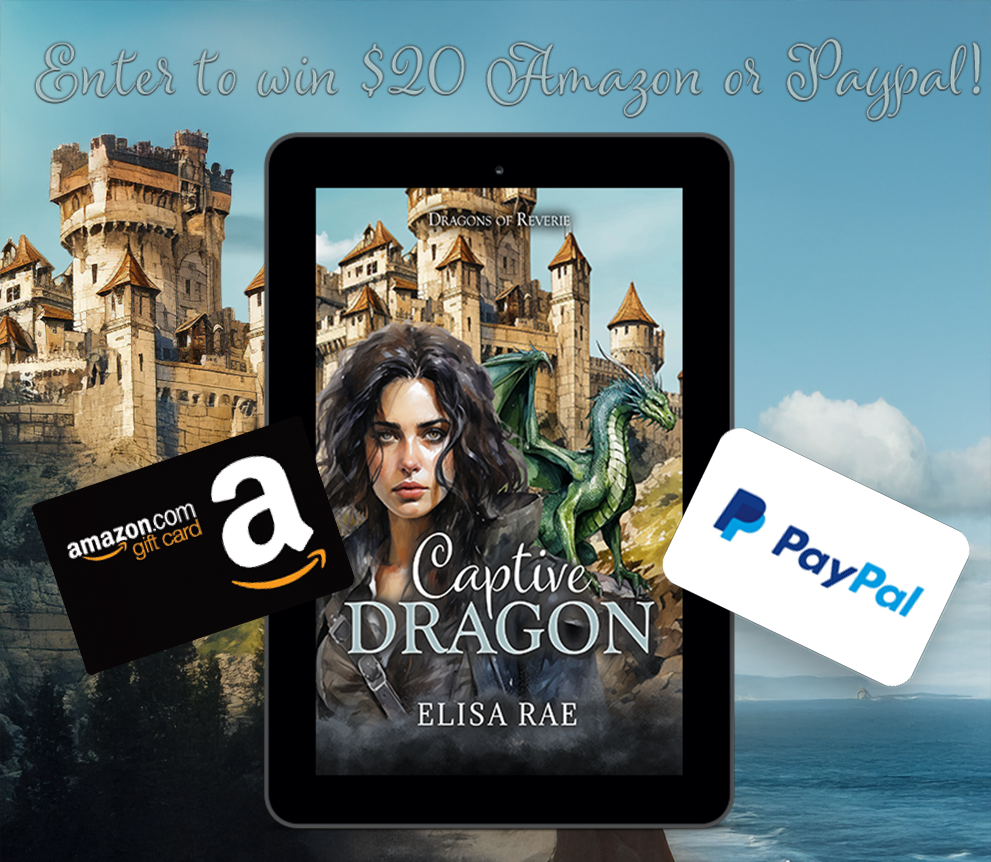
Storm, born of an esteemed lineage, avoids the violent politics of his species until the power struggle comes to him. After being attacked while traveling home, he overcame his assailant. Wounded and vulnerable, Storm retreats into a cave to heal, only to be woken from a healing sleep by a band of cutthroats intent on taking his hide.
Selah has been kidnapped. The thugs wanted an elven mindhealer, but she is only an apprentice. Now her captors are insisting she slay a dragon for them by addling its mind. To refuse means death for her, but to comply would be death of a different kind.
Captive Dragon is a noblebright fantasy romance novel about a relationship between a dragon shifter and a warrior elf. It features an alpha/cinnamon roll of a reluctant hero and his feisty heroine being forced into close proximity on a road trip to figure out both their pasts and futures.
A reader of fairytales and folklore, Elisa Rae loves a happy ending. Noblebright characters, dastardly villains, and chemistry between characters delight her. When she isn’t writing, she loves to watch superhero movies and literary dramas.
As an Amazon Associate, I earn from qualifying purchases. That means, when you purchase a book using an Amazon link on this site, I earn an affiliate commission. All commission earnings go back into funding my books; editing, cover design, etc.
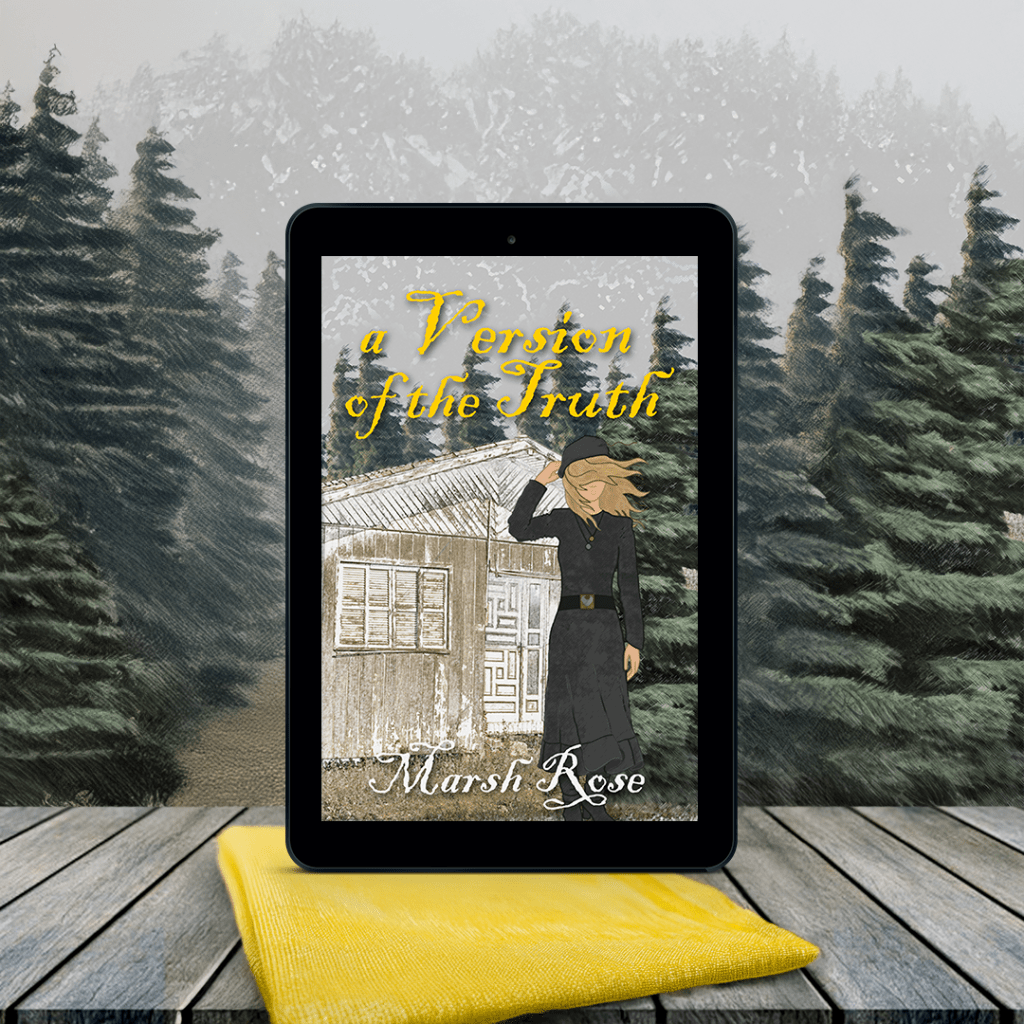
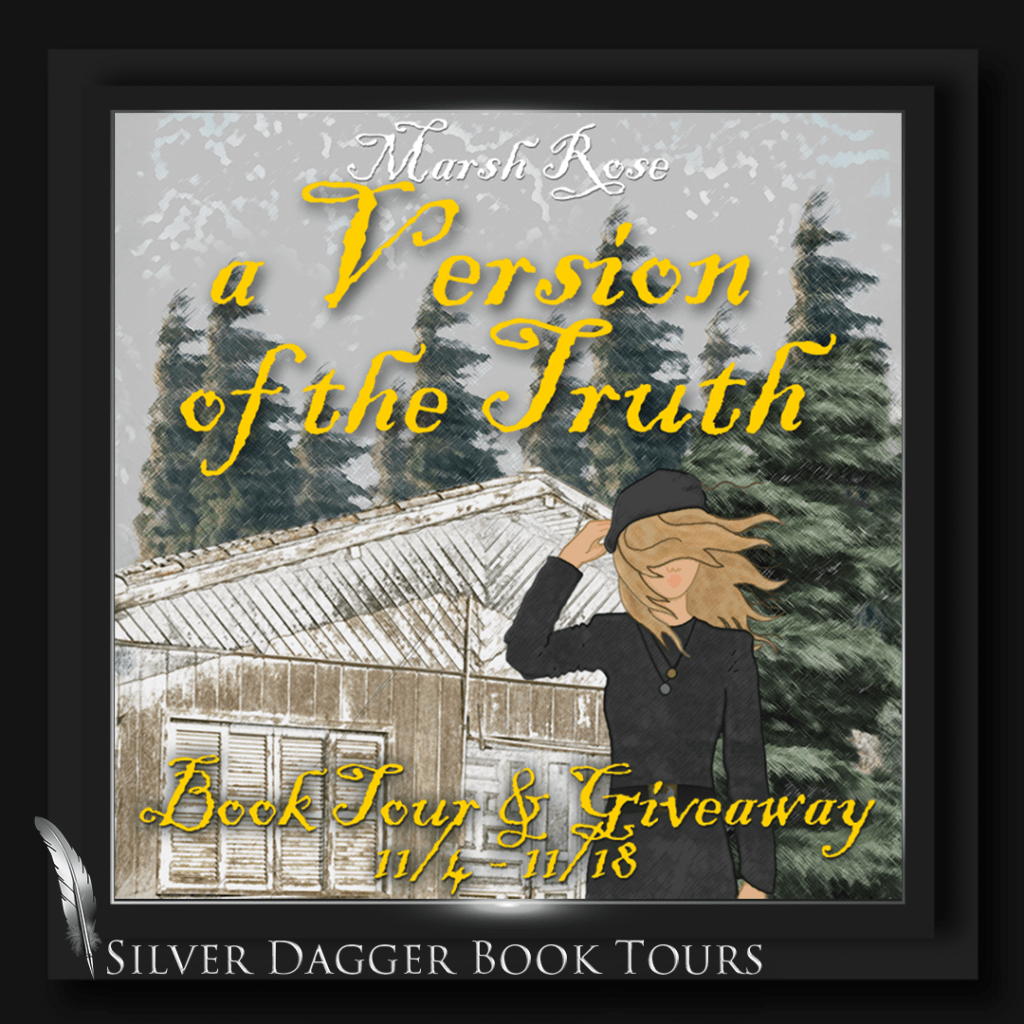
Do we spend our lives searching in vain for an answer, or do we find a version of the truth we can live with, and live with it?
Over forty years, Marsh and her partner built a life defined by love, devotion, and independence. He supported her when she bought her home in California wine country, when she grieved the deaths of her parents, when she built her career as a psychotherapist, and even when she overcame a lifelong fear of dogs to adopt a rescued greyhound.
They never married or shared a home—by choice. They were lovers and confidants, deeply committed to one another. Yet, they only met on Tuesdays and Fridays.
And then, one day, he vanished.
When Marsh finally tracked him down, she discovered the unimaginable: he had suffered a catastrophic stroke. His memory was gone. He could no longer speak. And he was living with a woman who knew him by a different name.
What was the truth? With him unreachable behind the devastation of his illness, and with the danger that exposing their relationship could cause irreparable harm, Marsh was left to confront a hall of mirrors—plagued by questions, silences, and uncertainty.
In the end, she discovered a universal reality: we all live with some unknowable mystery. The question is—do we spend our lives searching in vain for an answer, or do we find a version of the truth we can live with, and live with it?
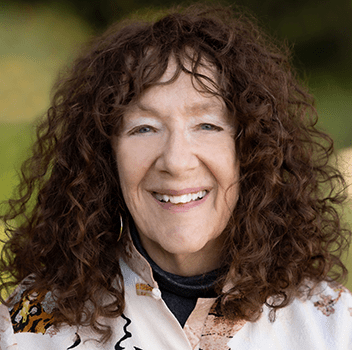
Marsh Rose is a freelance writer, psychotherapist and college educator. Her short stories have appeared in a variety of publications including Cosmopolitan Magazine, the San Francisco Chronicle, Carve Magazine, Hippocampus Magazine, and New Millennium Writings where she took first prize for creative nonfiction in 2018. This is her second novel. She lives in the north San Francisco Bay Area with her greyhound, Adin.
As an Amazon Associate, I earn from qualifying purchases. That means, when you purchase a book using an Amazon link on this site, I earn an affiliate commission. All commission earnings go back into funding my books; editing, cover design, etc.
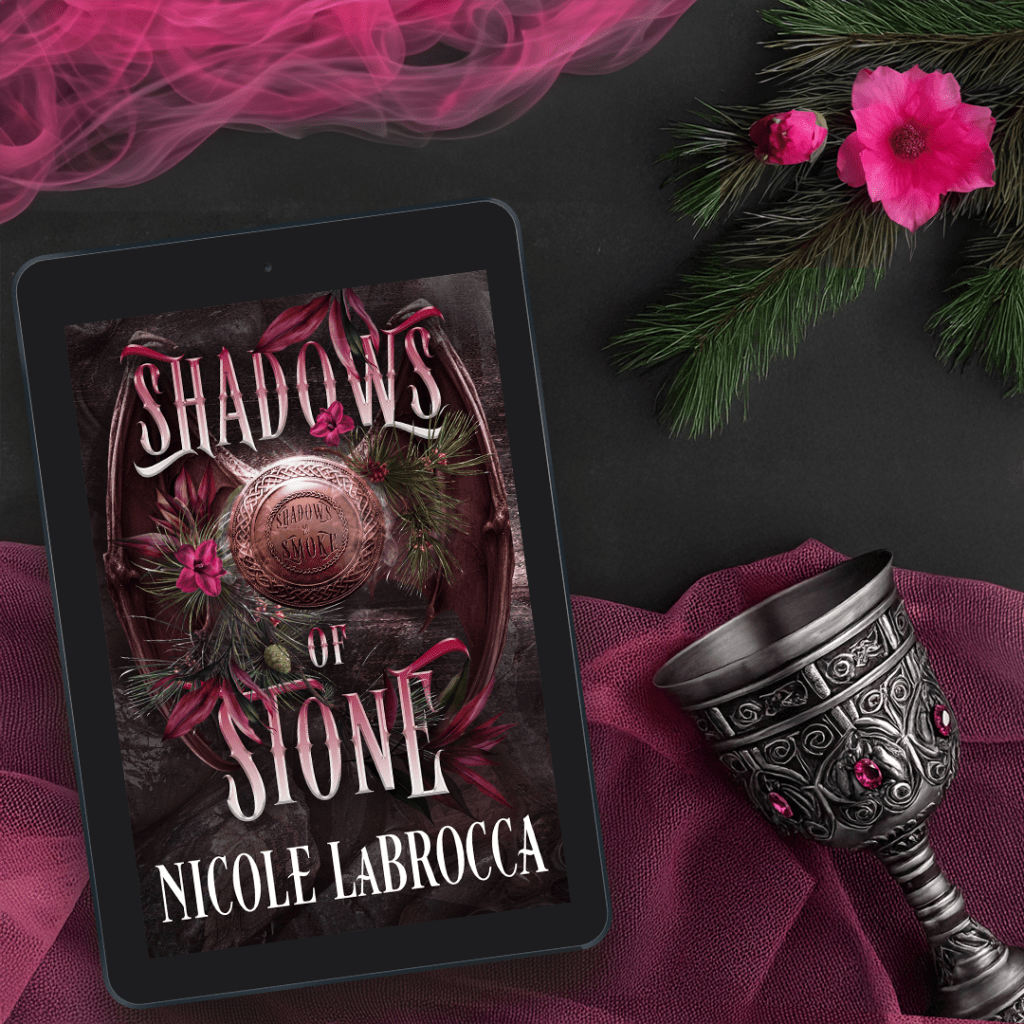
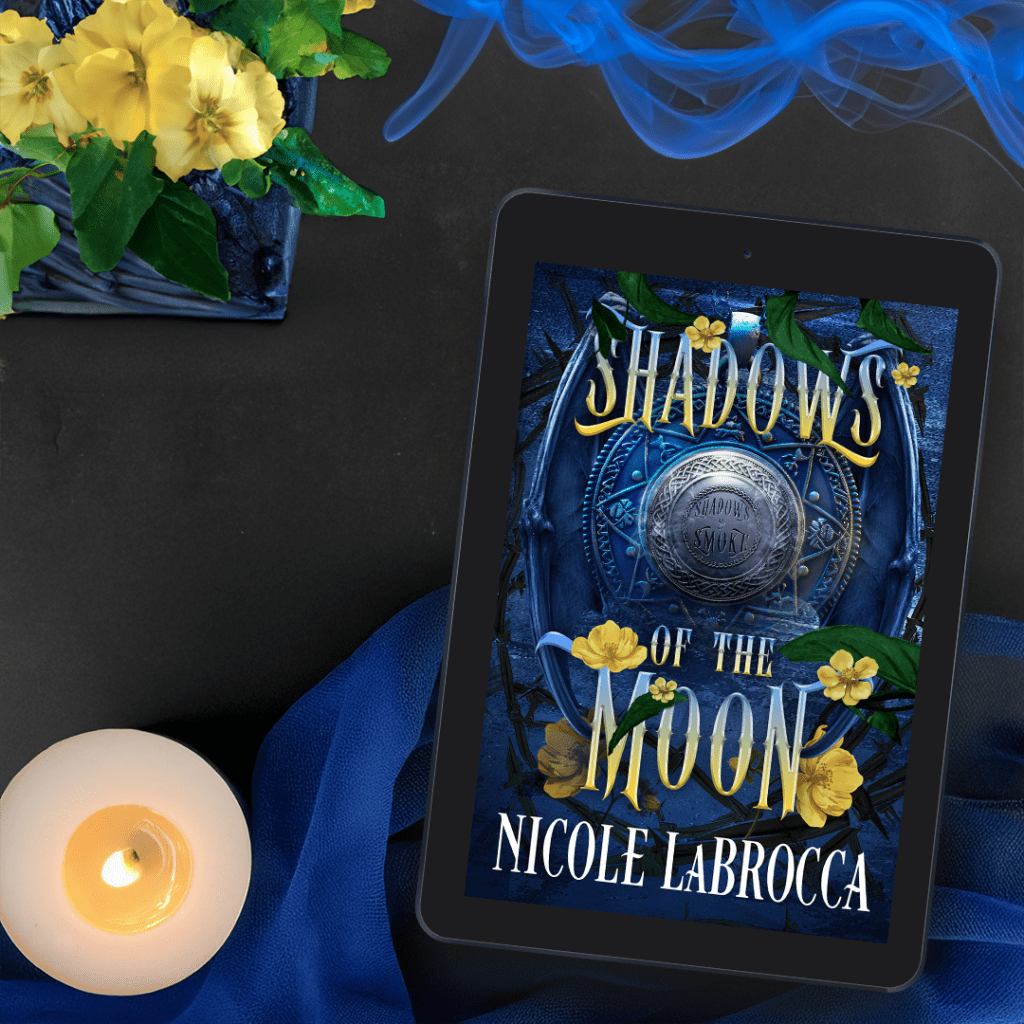
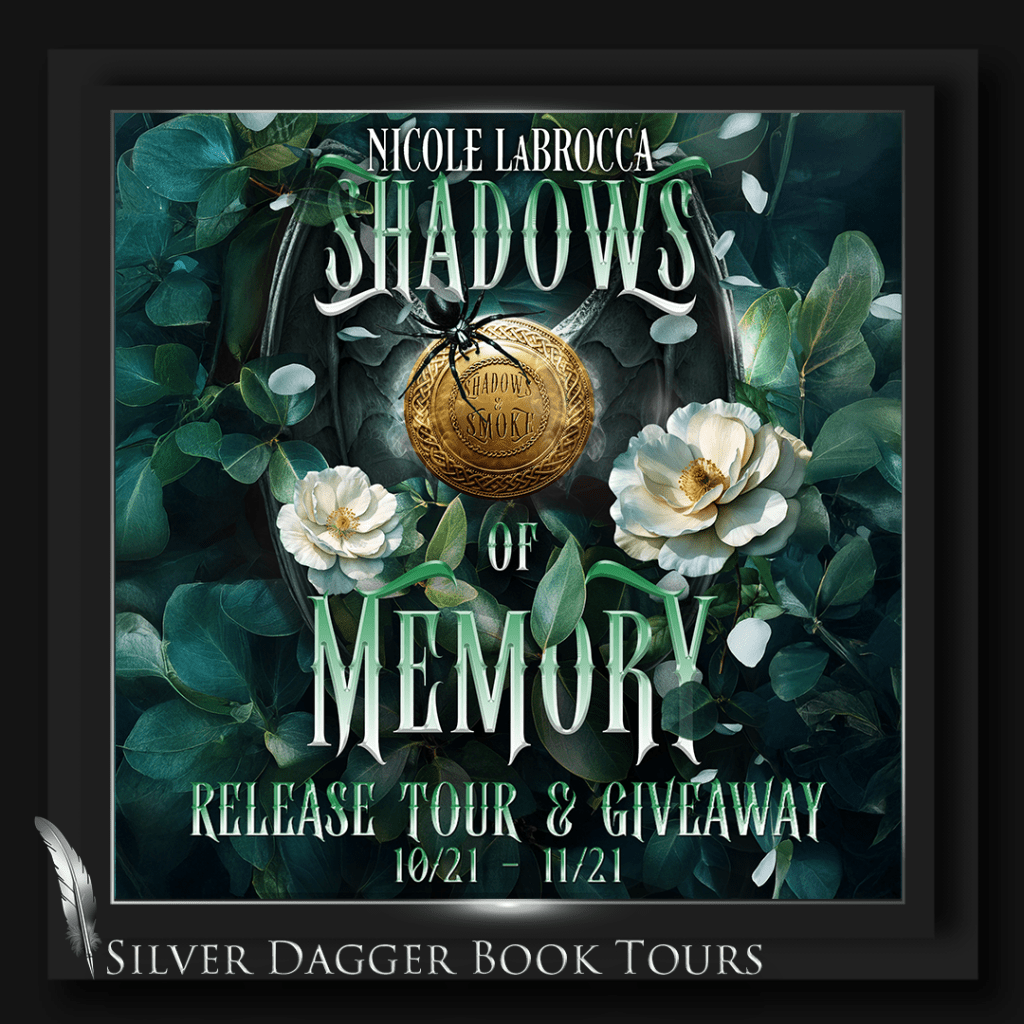
Driven by vengeance and the mystery of her bloodline, a morally gray woman wielding powerful magic becomes the newest target of the feared Shadow People.
Shadows thirst for the living. She starves for the truth.
Descending from a long line of witches, Daire Delacroix has been practicing magick since she was a witchling, and with the gift to see all magick, her gifts are unparalleled. But when Daire’s mother suddenly falls ill only to perish without a valid diagnosis, Daire grows vengeful and bitter for answers.
Half a year after her death, Daire reintroduces herself into the witch community to celebrate her first Wiccan holiday without her mother. When the Shadow People make an appearance and attack at one of the most renowned Wiccan sabbats, Daire’s world starts to fall apart once again.
Now with the Shadows growing violent and haunting Daire, she is determined to destroy them and protect what remains of her family. The deeper she searches the more secrets come to the surface, along with the truth about her mother’s death and her lineage.
Nothing will stop her from unveiling the truth—even when it means walking the line of right and wrong.
A. R. Stern is an indie author from Minnesota, blending dark fantasy, horror, and new adult elements in her writing. Her current series, Age of Shadows, showcases her unique style and she plans to explore different genres in upcoming novels.
Stern is an emerging author who began writing in elementary school. With several novels in her past, she now focuses on developing new ideas and refining her craft, eager to share her unique stories with readers.
In her spare time she is an avid reader of all genres, cruises on a Harley with her husband, and spends time with her pets. She also takes pleasure in cooking and the art of sourdough baking.
Would you like a chance to win a$20 Amazon or PayPalGift Card?Follow the tour HERE for special content and a giveaway!
If you could spend time with a character from your book whom would it be? And what would you do during that day?
Definitely Daire as I love her badass attitude and near overwhelming power she exudes. We would go to a sabbat and celebrate with all her fellow witches. No sabbat in particular, as long as there are no surprise Shadow encounters!
Do your characters seem to hijack the story or do you feel like you have the reigns of the
story?
I like to think I have most of the control in the story, but when they hijack the story I let them do their thing. It usually adds to the depth and even surprises me with how the plot gets enhanced. The best thing, in my experience, is to allow the characters to hijack the story. It’s their world to begin with afterall.
Have you written any other books that are not published?
I have written 4 novels, not all of them finished, when I was first learning how to plot a story, create characters, and discover my writing style. When I was 15-16 I self-published two novels, both which are no longer available. Since then I’ve learned a lot and am fine tuning my craft with every chapter I write.
Is there a writer whose brain you would love to pick for advice? Who would that be and why?
My top two would have to be Sarah J Maas and Marie Lu. I fell in love with the Throne of Glass series and was so emotionally destroyed and enraptured by the characters. Marie Lu’s The Young Elites stuck with me because of how she wrote the FMC into the villain despite rooting for her the entire time. There are so many more brilliant authors I’d love to talk with, but those two have inspired me to write intricate plots, deep characters, and stylistic phrasing.
Do you see writing as a career?
Most definitely! The dream would be to make enough money off my books so I can write full-time. I would also make an effort to keep connected with my readers because without them my dreams would stay fiction.
Do the characters all come to you at the same time or do some of them come to you as you Write?
The main characters I have fleshed out before I begin to write. Secondary and tertiary characters vary if I plan them ahead of time, though sometimes they show up as the story progresses and I flesh them out as I go. I find that easier so I get to know their personality through the story versus forcing them into a personality that might not fit. However I am working on two more main characters for my Age of Shadows series that I did not have planned originally. As I wrote, I realized these characters would make great additions to the story and add to characters arcs already happening. They won’t make an appearance until book 3.
As an Amazon Associate, I earn from qualifying purchases. That means, when you purchase a book using an Amazon link on this site, I earn an affiliate commission. All commission earnings go back into funding my books; editing, cover design, etc.
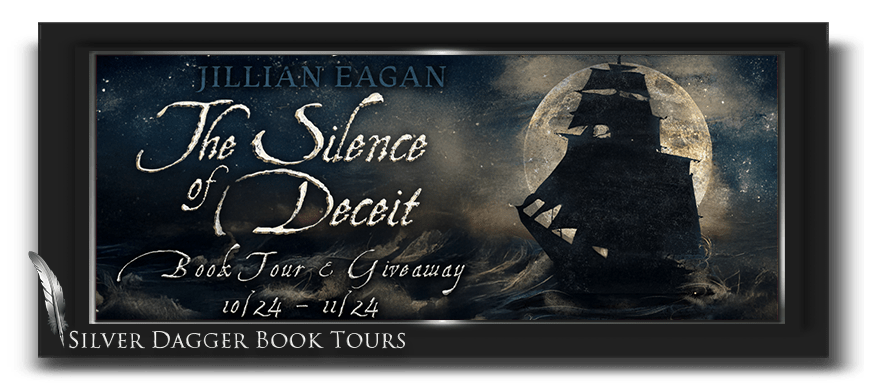
A sheltered noblewoman is thrust into danger and unexpectedly rescued by a ruthless pirate captain. Together, they must survive betrayal, uncover long-buried secrets, and face a tyrant whose power could destroy everything Rosalie loves.
The nation of Seity. Four ruling families. One merciless tyrant.
When Eldon Durane executes a noble family and extinguishes all magic, he ignites a war that spans generations.
Two decades later, Lady Rosalie Yorke and her best friend, Silence, are uprooted from their comfortable lives to escape the spreading war. But Rosalie’s world shatters when ruthless raiders kidnap her—only for her fate to collide with Crowe, the notorious pirate captain of the Deceit.
Crowe wants nothing to do with Seity’s political turmoil, but the thirst for revenge leads him to Rosalie. Hoping to change his luck, he decides to extort Rosalie’s father for a ransom.
Rosalie refuses to be anyone’s pawn, and Crowe has no patience for nobility. As the two bicker and dodge danger, Seity’s long-buried secrets begin to emerge from the shadows.
With Eldon’s deadly plan looming, Rosalie and Crowe must set aside their differences. Should they fail, Rosalie may lose everything.
Perfect for fans of Adrienne Young’s Fable and Amie Kaufman’s The Isles of the Gods, The Silence of Deceit is a seafaring tale of betrayal, friendship, and survival. A must-read for fans of pirate fantasy, enemies-to-lovers tension, and sweeping adventures filled with magic and rebellion.
What readers are saying:
“War is a noble’s game; pirating is for rule breakers.” This line perfectly sums up The Silence of Deceit. We have political intrigue. We have swashbuckling pirates. We have action. We have family secrets. And MORE!….Bring in Crowe, our dashing, cocky MMC and book boyfriend for all you readers who need a charming pirate to fall in love with.”
— Goodreads
“This is the kind of book where you feel every single word that’s on the page. I was right there with Rosalie when her whole life took a major twist, and I was there when she found herself. I think that’s what I will take with me from this book, Rosalie’s strength and unwavering loyalty. It doesn’t matter what life throws at her she will endure, and she will move heaven on earth for the ones she loves.”
Jillian Eagan is an indie author from Massachusetts. She received her BA in Creative Writing from Emmanuel College. Currently, she lives in Cape Cod, where she reads and writes on the beach. Her new book, The Silence of Deceit, is the first of her Young Adult fantasy series.
Would you like a chance to win asigned copy (US only) or a $20 Amazon or PayPal Gift Card? ONE WINNER EACH.Follow the tour HERE for special content and a giveaway!
Can you, for those who don’t know you already, tell something about yourself and how you became an author?
My name is Jillian and I self-published my debut novel The Silence of Deceit. I’ve been writing stories as long as I can remember and I went to college to get my Bachelor’s in Creative Writing. After publishing a few short pieces in magazines, I went on to publish my first full length novel.
What is something unique/quirky about you?
My most listened to playlist is nothing but sea shanties and fantasy folk songs (think Lord of the Rings). I’m not sure what attracts me to that music so much but I love it!
Tell us something really interesting that’s happened to you!
I am 95% sure I had an interaction with a ghost. I was alone in a room, far from anyone else when I heard a gentle “hello” whispered right in my ear. To this day I’m still perplexed by it, but I like to think it was a real ghost because she sounded friendly!
What are some of your pet peeves?
Punctuation. I guess I wasn’t paying much attention during the day they taught proper comma use because I’ve never been one to follow the rules. Honestly, I leave that up to my editors to fix because I have more faith in them than myself.
What are you passionate about these days?
I’m passionate about uplifting marginalized voices as much as I can. I make an effort to read LGBTQ+ authors, BIPOC authors, disabled authors, because I want so badly for the publishing world to be more diverse.
What do you do to unwind and relax?
I watch Bobs Burgers and do some crossword puzzles.
When did you first consider yourself a writer?
I always called myself a writer, but I feel I really started to hone the craft when I was in college. That’s where I learned a lot of the techniques to creating a good story.
Do you have a favorite movie?
The Princess Bride! The scene where Buttercup and Westley reunite helped inspire the dynamic between my two characters, Rosalie and Crowe.
As a writer, what would you choose as your mascot/avatar/spirit animal?
Maybe a raccoon? When I’m researching for a book, I tend to dig a little deeper than necessary so I’m like a raccoon rooting around dumpsters. Raccoons are great survivalists though, so maybe I’m just trying to fend for myself in the publishing world as best I can too.
As an Amazon Associate, I earn from qualifying purchases. That means, when you purchase a book using an Amazon link on this site, I earn an affiliate commission. All commission earnings go back into funding my books; editing, cover design, etc.
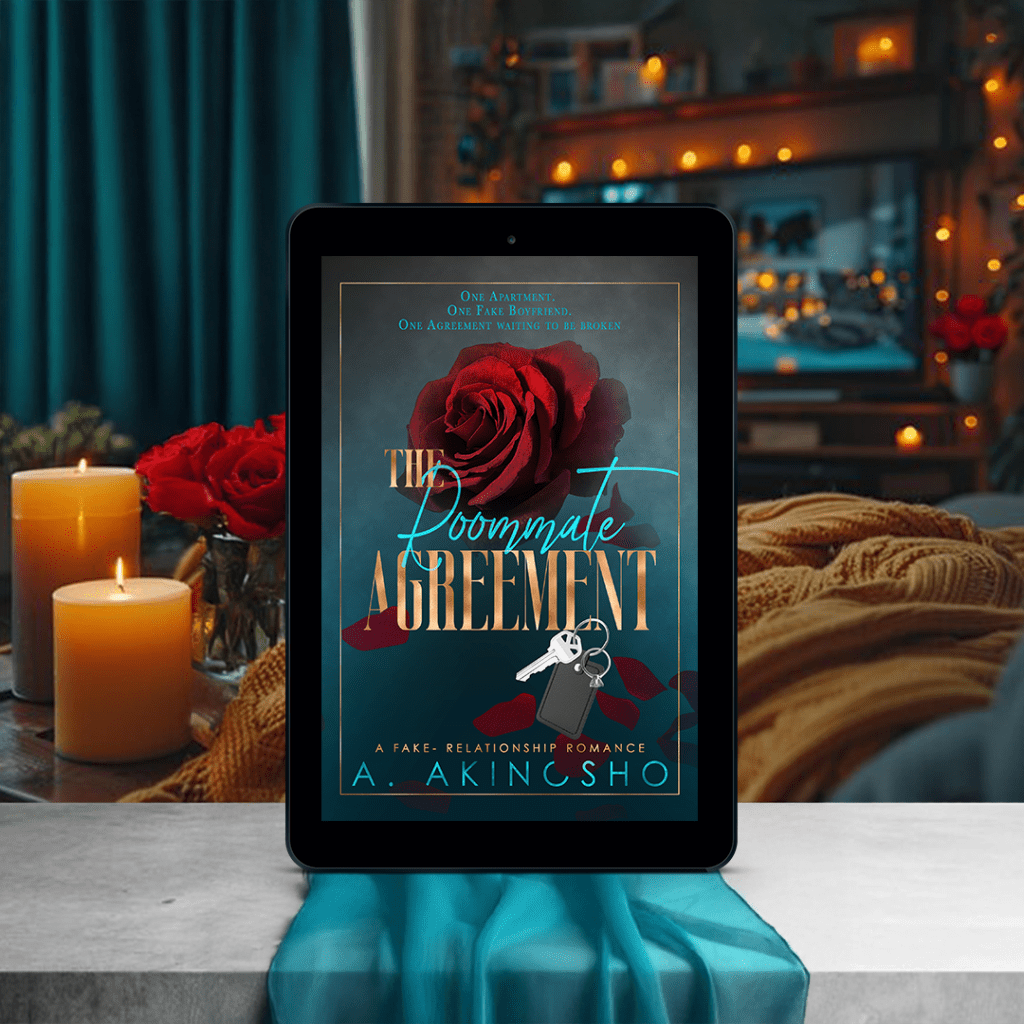
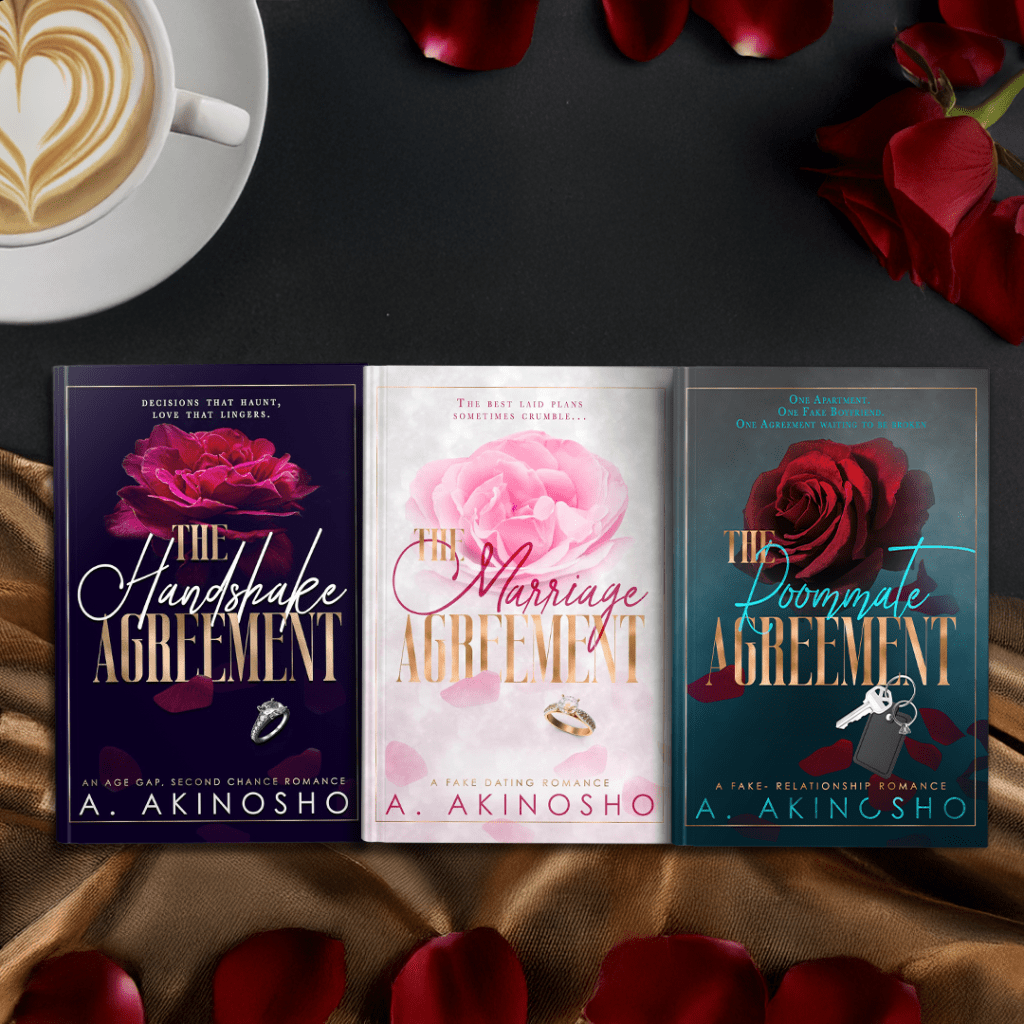
One apartment. One fake boyfriend. One agreement waiting to be broken.
One apartment. One fake boyfriend. One agreement waiting to be broken.
Makayla: I’m tired of my dad playing matchmaker. As a music teacher juggling life with sickle cell disease, I don’t have time—or energy—for forced dinner dates with “eligible men.” So, I come up with a plan: find a fake boyfriend, let him move in, and make it believable. Daniel was never supposed to say yes. He’s a grumpy, emotionally walled-off lawyer who hates chaos and clings to solitude. But now he’s in my apartment—tall, brooding, infuriatingly neat—and fitting into my world way too easily. I don’t believe in love. Not when life has taught me it rarely sticks around. But something about him feels dangerously real.
Daniel: Something about her captured my attention the moment I met her. I knew I was in trouble. Controlled and always alone—that’s who I’ve been. But I said yes before I could stop myself. Because moving into her tea-scented, music-filled home was the only way I could be close to her. She’s sunshine and sharp edges. She hums while stirring honey into her cup and smiles through pain like it’s nothing. This was supposed to be pretend. But with every stolen glance and late-night conversation, the line between real and fake keeps slipping. She doesn’t believe in love. I never thought it was possible. But living with her is rewriting everything I thought I knew— And walking away might not be an option.
A. Akinosho lives in her own little nest in Illinois. An avid reader and enjoy reading thrillers, suspense and romance novels (partial to romance genre). When, She’s not reading or keeping up with life. She enjoys writing and creating twist to stories. She loves writing about diverse characters, friendship and overcoming challenges through, what is perceived as a weakness.
As an Amazon Associate, I earn from qualifying purchases. That means, when you purchase a book using an Amazon link on this site, I earn an affiliate commission. All commission earnings go back into funding my books; editing, cover design, etc.
This Samhain, awaken the legend. Confront the darkness.
The Empire Falls. A Witch Rises. Humanity’s Last Hope.
What if the world’s salvation depended on the rebirth of its most feared woman?
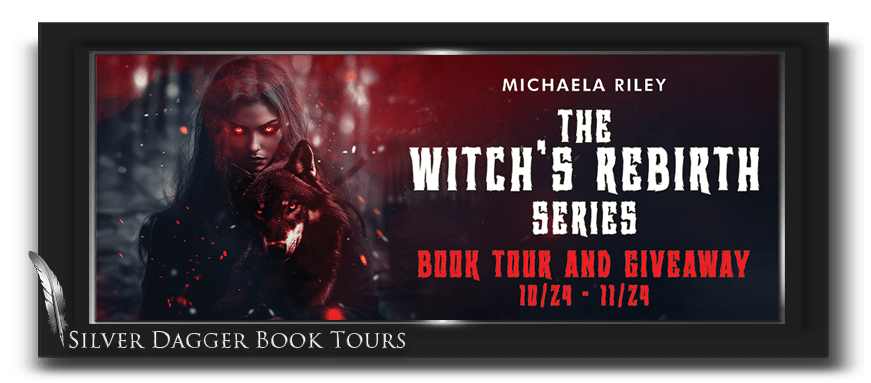
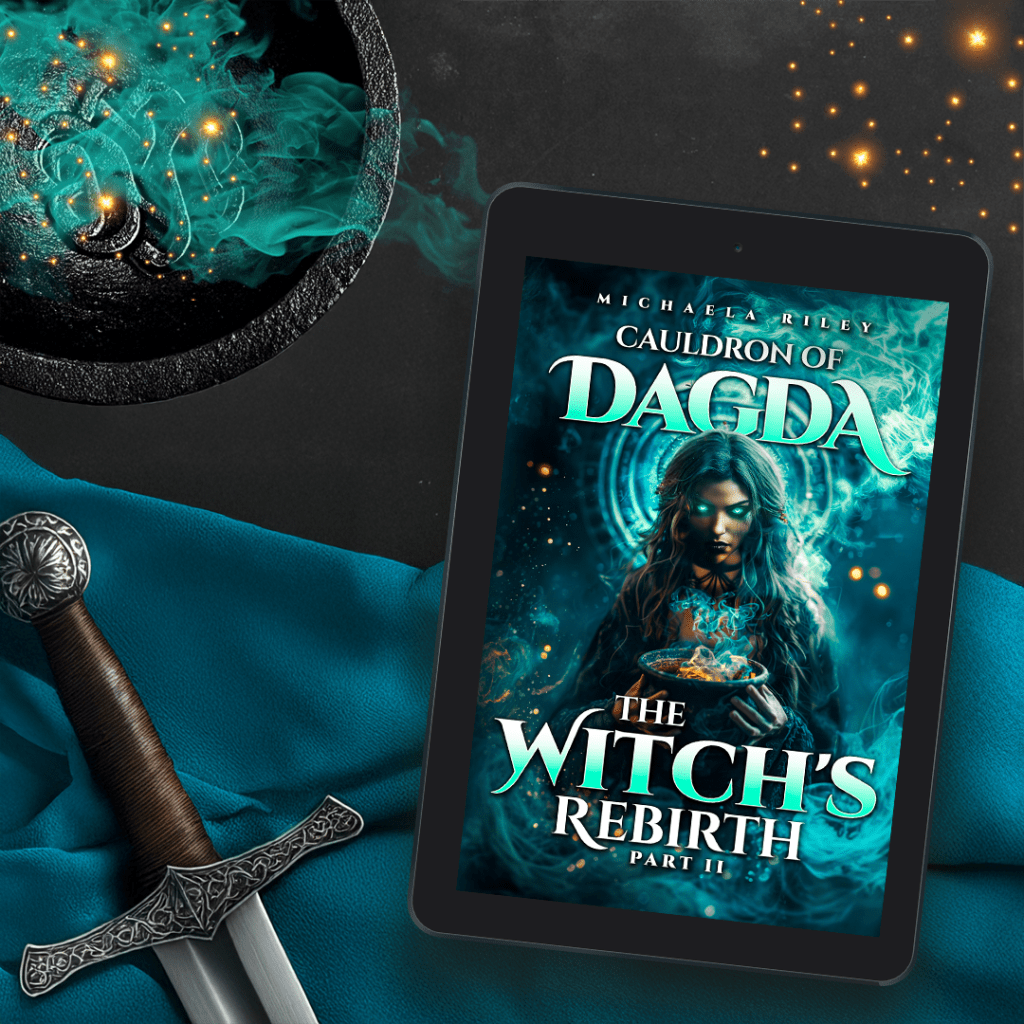
Award-winning author Michaela Riley delivers a groundbreaking saga with The Witch’s Rebirth Series, beginning with the electrifying Labyrinth of Shadows: The Witch’s Rebirth Part I.
Born on Samhain, under the ominous shroud of an eclipse, Merona’s destiny is a spell woven through centuries. As the mighty Western Roman Empire crumbles into dust and a new king rises amidst the ashes, an ancient prophecy demands her awakening. This is no mere historical reimagining; it is a cosmic tension, an eerie beauty where history and myth conspire to ignite a forgotten power.
Forget the villains of myth. In this epic tale, the world’s salvation rests on the shoulders of its most feared woman. Merona’s rebirth isn’t just a beginning; it’s the genesis of humanity’s last hope. Journey with her through a labyrinth of shadows, where destiny, reclamation, and the profound cost of becoming who you were always meant to be collide.
Labyrinth of Shadows: The Witch’s Rebirth Part I doesn’t just sound epic—it feels like a spell cast across time. Prepare for a story that flips archetypes, raises the stakes to unimaginable heights, and will leave you questioning everything you thought you knew about fate and fear.
The Witch’s Rebirth Series by Award-Winning Author Michaela Riley. Her rebirth begins. The world will never be the same.
This Samhain, the veil thins, and a legend awakens.
Michaela Riley, the award-winning storyteller whose words have captivated readers, invites you on a journey back to a time when magic thrummed in the very soil and darkness lurked at the edges of the known world. Step into The Witch’s Rebirth Series, a saga that begins not with a whisper, but with a shattering revelation on the most sacred night of the year.
The year is 540 A.D. The air in Gaul is thick with an unspoken dread, a chilling premonition spreading like wildfire from the East. For nearly three decades, a name whispered with fear, a figure known only as The Witch, has remained a phantom, a recluse safeguarding truths too powerful to be spoken. Merona, the woman behind the myth, has lived a life of quiet vigilance, her existence a shield against a nameless terror.
But the shadows are lengthening. An ancient, lurking darkness, a force older than empires and more insidious than plague, has begun to stir. This is not a foe that wields steel; it is a corruption that feasts on despair, a creeping night threatening to extinguish the last embers of humanity. And Merona, the reclusive witch, is no longer hidden. She is drawn from her sanctuary, her slumbering power ignited by an imperative she cannot ignore.
Her mission is immense, her burden profound. Merona is the solitary guardian of the Cauldron of Dagda, an artifact of immense power, a beacon of hope in a world teetering on the precipice of eternal night. Humanity’s fate rests not on armies, but on the whispered incantations and fierce determination of one woman.
Beside her, though the odds are stacked against them, stand those who have pledged their unwavering loyalty. Murdach, Morrigan, and Mairead. Their faces, etched with the weariness of countless battles against the encroaching darkness, mirror the grim resolve in Merona’s own eyes. Her voice, though carrying the weight of prophecy and the echo of a fragile world, is not one of despair, but of a fierce, unwavering commitment.
The Witch’s Rebirth Series is more than a story; it is an immersion into a visceral world where pagan lore collides with cataclysmic threats. It is a testament to the power of resilience, the strength of chosen family, and the indomitable spirit of those who dare to stand against the tide of oblivion.
Prepare to be spellbound. Prepare to witness the impossible. Prepare for The Witch’s Rebirth Series by Michaela Riley.
She was reborn on Samhain. And that was only the beginning.
From the award-winning imagination of Michaela Riley comes a sweeping saga where ancient myth bleeds into brutal history, and humanity’s fate rests on the shoulders of one formidable woman. Welcome to THE WITCH’S REBIRTH SERIES.
In the shadowed year of 544 AD, the ancient Gaul town of Septimania lies scarred, but not broken. A devastating plague had gripped its very soul, until the Witch, through powerful, arcane deeds, began to loosen its deadly hold. Now, as the sacred eve of Samhain approaches, the air hums with the promise of roaring bonfires, desperate festivity, and a fragile new dawn.
But beneath the surface of celebration, an unsettling truth stirs: an ancient darkness, long thought defeated, is awakening once more. This menacing, primeval force threatens to extinguish the fragile light of renewal, to plunge Septimania, and indeed all humanity, into an eternal night.
With the raven’s call echoing through the labyrinth’s core, the Witch emerges, reborn and wielding the legendary Cauldron of Dagda and the mighty Spear of Lugh. She is poised for one final, desperate battle. To preserve humanity, she must summon the enigmatic, divine strength of the Gods – the awe-inspiring might of the Tuatha De Danann. For in this coming conflict, so cataclysmic are the stakes, there will be no victor left standing unless the ancient powers heed her plea.
Will the Witch’s rebirth be humanity’s salvation, or its final, desperate gasp?
Dive into THE WITCH’S REBIRTH SERIES by Award-Winning Author Michaela Riley and witness the epic struggle for survival where myth is made, and legends are forged in fire and blood.
Your journey into ancient magic and desperate heroism begins on Samhain.
Michaela Riley: Where Virginia Trails Meet Ancestral Magic
From the front lines of critical care to the enchanting worlds of fiction, Michaela Riley, a retired Army Critical Care Nurse with a Masters in Nursing Education, is the award-winning author behind “The Witch’s Rebirth” series.
Nestled in Virginia, Michaela shares her life with her husband and a distinctive duo of canine muses: Morrigan, a majestic red German Shepherd, and Carlos, a spirited Chihuahua-terrier. Her inspiration roots deep in the local mountains and forests, where each hike is a pilgrimage that connects her to ancestral whispers. These profound journeys directly fuel her captivating stories, weaving together magic, history, and the transformative power of self-discovery.
Through evocative prose, Michaela invites readers to explore their own heritage and embrace the extraordinary magic found in uncovering one’s deepest truths.
Signed hardcover copies of the trilogy + custom book marks + candles (3 winners, US only)$20 Amazon or Paypal (1 winner, US only). Follow the tour HERE for special content and a giveaway!
What inspired the storyline of your latest book?
The Witch’s Rebirth series bloomed from a deep connection with the natural world, cultivated through countless hours spent hiking and truly observing the subtle nuances of the landscape. This immersive experience sparked a fascination with the hidden stories whispered by the earth itself, forming the bedrock of the series’ atmosphere and themes. Further inspiration arose from a personal connection to the past: research into family lineage unearthed intriguing accounts of ancestors accused of witchcraft, adding a layer of personal resonance and prompting a deeper exploration of the historical context surrounding these accusations. To ground the fantastical elements, the historical timeline of the series relies heavily on meticulous research and a long-standing fascination with old France and its rich, often enigmatic relationship with magic.
What advice would you give to aspiring authors?
The best advice for aspiring authors boils down to this: first and foremost, write the story that burns within you. Don’t get bogged down in market trends or perceived expectations before you’ve even put pen to paper (or fingers to keyboard). Cultivate unshakable faith in your abilities and your unique perspective. Remember that the publishing landscape is vast and ever-evolving, offering more avenues than ever before for your work to find its audience. As you navigate this journey, don’t shy away from advocating for your vision; your voice and your story matter. Most importantly, brace yourself for the inevitable challenges and rejections, and never, ever give up on your dream of becoming a published author.
Tell me something about yourself
As a wife, mother, grandmother, sister, and daughter, family is clearly at the heart of who I am. My experiences are further shaped by my service as a retired Major, Army Reserve Nurse Corp, a role that undoubtedly instilled discipline and resilience. Now, with more time to pursue passions, I find joy in the companionship of my beloved pets, Morrigan, my German Shepherd who remarkably inspired a character in my books, and Carlos Santana, my charming chihuahua terrier mix. My adventurous spirit leads me on hikes and travels around the world, always eager to explore new places and cultures. This passion extends to delving into my lineage and uncovering historical details, providing rich inspiration for my writing. It’s surprising to me that I’ve embraced the dark fantasy genre, but I’m thoroughly enjoying it, and dedicated to continuing the Witch’s Rebirth Series with the upcoming sequel series, Guardians of the Veil.
As an Amazon Associate, I earn from qualifying purchases. That means, when you purchase a book using an Amazon link on this site, I earn an affiliate commission. All commission earnings go back into funding my books; editing, cover design, etc.
Sweet heat. Sharp skates. One perfect shot at forever.
Sweet heat. Sharp skates. One perfect shot at forever.
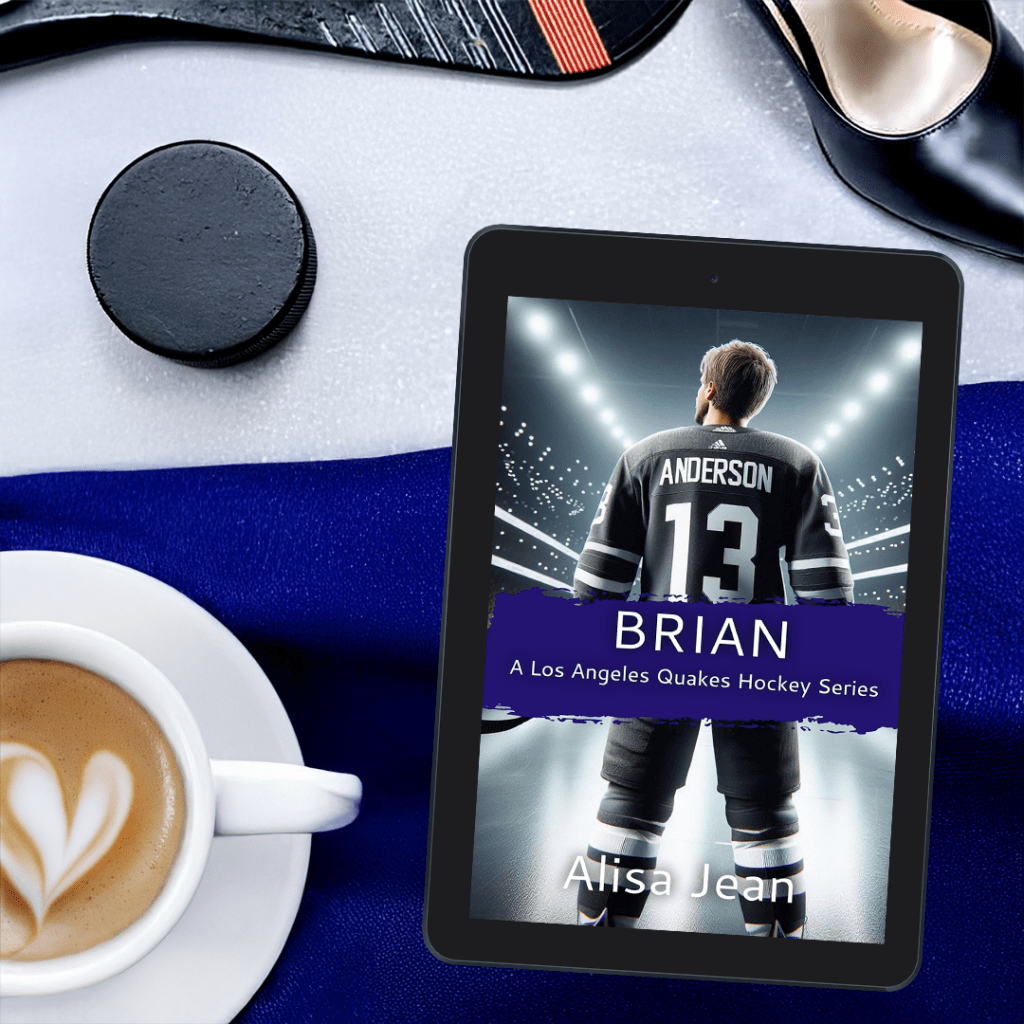
Brian Anderson has always been the good guy—center for the Los Angeles Quakes, team peacemaker, and top scorer. He’s watched his teammates fall in love one by one, but he’s stayed far from the line of fire—until a fierce left winger blindsides him in a no-holds-barred charity game. Alexis Barlowe doesn’t care about NHL fame. She’s too busy raising her daughter and guarding her heart after one betrayal too many.
Brian is determined in his pursuit, and Alexis eventually lets him in. He’s everything Peter, her ex, wasn’t—kind, dependable, crazy about her and her daughter. But when a woman from Brian’s past shows up five months pregnant and claiming he’s the father, Alexis’s walls come crashing back down.
The test says the baby is his. But Brian swears it’s not true. As secrets unravel and old wounds reopen, both must decide if love is worth the risk—or if their happily ever after is just another story cut short.
Brian: Hockey Romance He Falls First, Insta Love Single Mom Secret Daughter She Plays Hockey Insta Family Confirmed Bachelor She Doesn’t Believe In Love Perennial Good Guy
Alisa Jean is the pseudonym for award-winning authors Marla A. White and C J Bahr. They first teamed up over thirty years ago over a bottle of Zima (don’t ask) while polishing their gear for a horse show. They’ve since moved on to better beverages and writing novels. Separately, Marla prefers to murder characters in the usual way, while C J uses paranormal means. The long-time best friends joined together as a writing team through their mutual love of hockey. Wonder twin powers activated! Their hockey romances examine flawed characters with heart, humor, and sexy sizzle.
Would you like a chance to win a$20 Amazon or PayPalGift Card?Follow the tour HERE for special content and a giveaway!
As an Amazon Associate, I earn from qualifying purchases. That means, when you purchase a book using an Amazon link on this site, I earn an affiliate commission. All commission earnings go back into funding my books; editing, cover design, etc.
Forbidden passion ignites between a duty-bound gargoyle and an amnesiac wielding fire—their love could save the realms, or burn them to ash.
Sebastian was a gargoyle warrior bound by duty to rescue his kin. Aurora was a red-haired enigma found unconscious by a river’s edge, her past a blank slate. From the moment their eyes met, a primal connection ignited, a forbidden flame that defied his stoic nature. Amnesia stole Aurora’s memories, but not the searing heat that pulsed between them, nor the strange, untamed fire that flickered at her fingertips. As their perilous journey deepened, so did their passion, a dangerous dance between duty and desire.
Aurora’s forgotten past hides a dangerous truth: she’s an immortal, a vessel of immense power, tied to a crystal born from dying stars. Her abilities could save or destroy the realms, a fate she doesn’t understand. Their love is forbidden by duty, yet their bond becomes a battleground. Monsters, collapsing worlds, and ancient prophecies converge. He must choose: love the woman who might save creation, or accept she’s destined to destroy it.Can their forbidden love withstand the weight of destiny, or will their fated bond shatter amidst the chaos?
In the shadows of captivity, love ignites in the battle for freedom.
Lyssa, a captive of a fearsome dragon, finds herself trapped in a labyrinth of stone, shadows, and secrets. Her only solace comes from the mysterious Zodiark, a rogue who whispers of freedom and sparks a forbidden passion.
As she delves deeper into the dragon’s lair, Lyssa must navigate a dangerous path filled with ancient magic, desire, and a struggle for power. Can she break free from the chains of captivity and embrace her destiny? Immerse yourself in a seductive tale of passion and obsession, where the line between predator and prey is perilously thin.
A heroine’s daring escape ignites a dangerous journey as trust and destiny clash.
Imprisoned by ruthless monsters, Sage’s world shatters when her mother is brutally slain before her eyes. Feeling abandoned by the Moon goddess and the male gargoyles who failed to rescue them, Sage takes matters into her own hands and stages a daring escape.
Daxos, driven by an unrelenting need to find his destined partner, embarks on a perilous quest. When he finally scents her presence, his deepest dreams become reality—but their encounter is far from joyous.
Scarred and disillusioned, Sage rebuffs him, though reluctantly accepts his help to navigate treacherous terrain back to safety. As their grueling journey unfolds, they face numerous dangers: hostile creatures, treacherous landscapes, and the threat of capture. Daxos must find a way to mend Sage’s broken trust while she grapples with her conflicted heart.
The scars of betrayal and trauma test their fated bond. In a world where hope flickers like a dying ember, will love be enough to light their way home?
Ana is enjoying the tranquility of her porch one evening when a portal drags her away. Unwittingly thrust into Xylos, a dimension teetering on the edge of chaos, She’s taken to Leonad, a kingdom on the edge of war, where she is both a stranger and the key to the realm’s survival.
Magic warps her body, making her an impossibly rare and coveted female gargoyle. She stands at a crossroads, torn between the pull of returning home and the allure of this unknown land. Among the new beings she meets is Quinn, a captivating gargoyle prince with eyes that beckon while hiding secrets. Quinn declares that she is his destined mate and urges her to accept his mark.
As Ana navigates the complex politics of her new home, she discovers her arrival was no accident. While Ana battles fearsome monsters and fends off a legion of suitors, her connection with Quinn deepens, stirring a passion that defies explanation.
Yet, beneath the looming shadow of a usurper, Leonard teeters on the brink of ruin. She must choose to save the kingdom and her budding romance with Quinn.
Join Ana on her quest as she confronts her destiny, battles for her freedom, and decides the fate of two worlds. Will she return to her past home, or will love and duty forge a new path she never dared to dream?
In a celestial struggle, love becomes the ultimate wild card.
When Fionnlaith, the radiant moon goddess, and Alawn, the god of balance, first met, their love ignited fiercely. Yet destiny had other plans.
As the Celestial Council rises, demanding all deities bow to its authority, an epic tale of love, defiance, and sacrifice unfolds. Fionnlaith’s serene realm, guarded by devoted gargoyles, faces encroaching shadows. When monstrous entities ignite a war, she defies the Council to protect her creations, paying a devastating price.
Stripped of her guardians, Fionnlaith uncovers the Council’s betrayal. Now, she must navigate celestial politics, her conflicted heart, and the brutal reality of war.
Can her love for Alawn reignite their flame and save their kingdom?
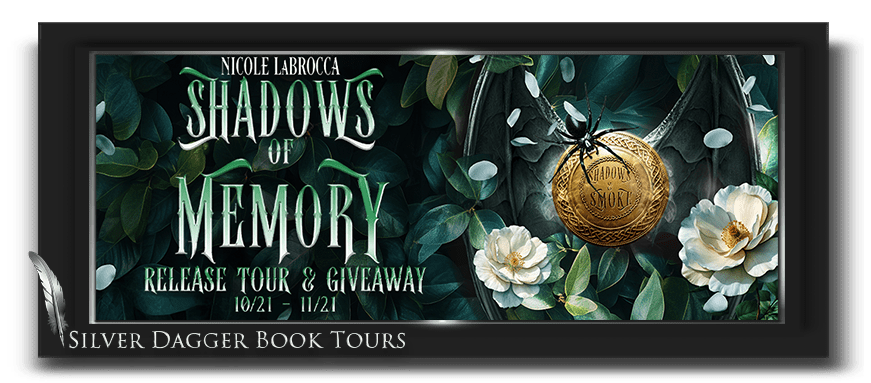
Nicole LaBrocca ventures into enchanting new territories with her spellbinding tales of romantic fantasy. She invites readers on an exhilarating odyssey through a realm where steamy passion intertwines with suspenseful supernatural intrigue, all seasoned with a sprinkle of humor. Be prepared for an immersive journey where love ignites amidst swirling mysteries and hidden truths. Step into a world where every page holds the promise of an unforgettable escape.
As an Amazon Associate, I earn from qualifying purchases. That means, when you purchase a book using an Amazon link on this site, I earn an affiliate commission. All commission earnings go back into funding my books; editing, cover design, etc.
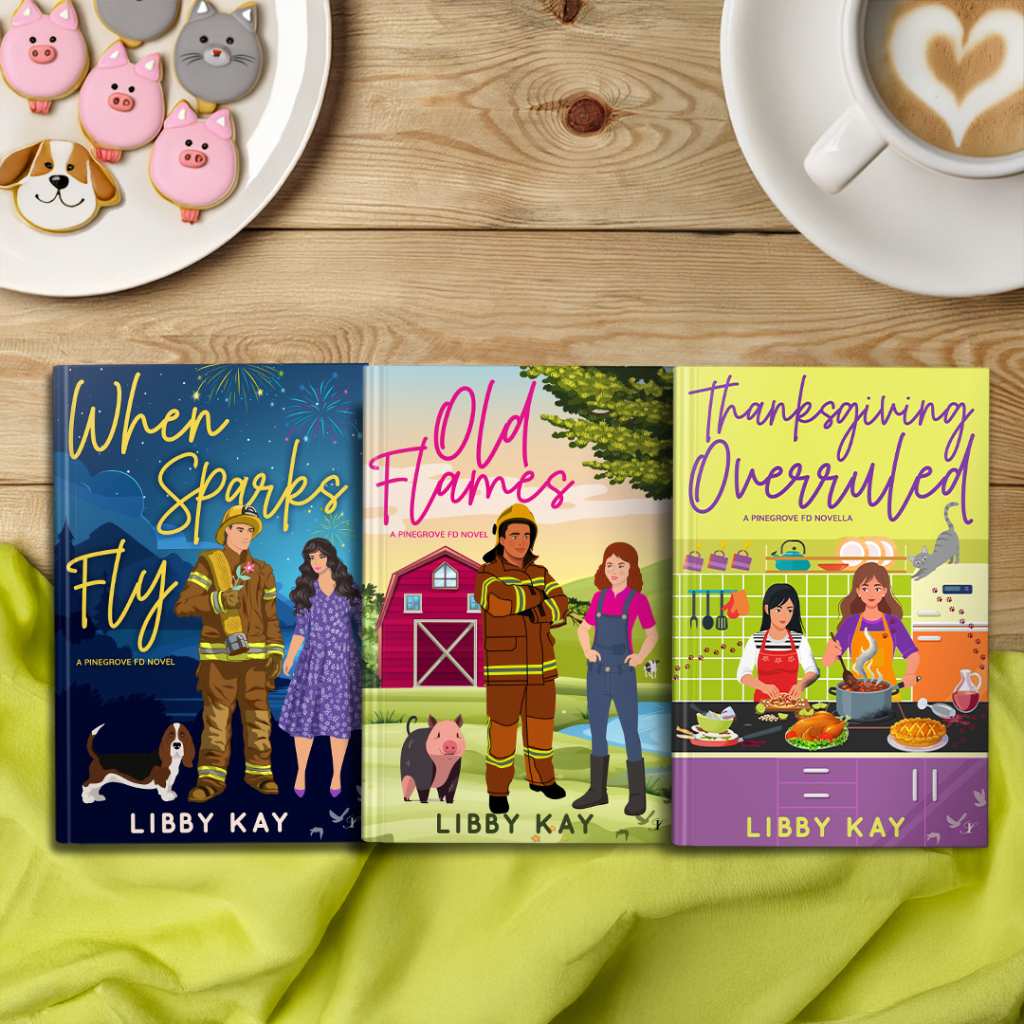
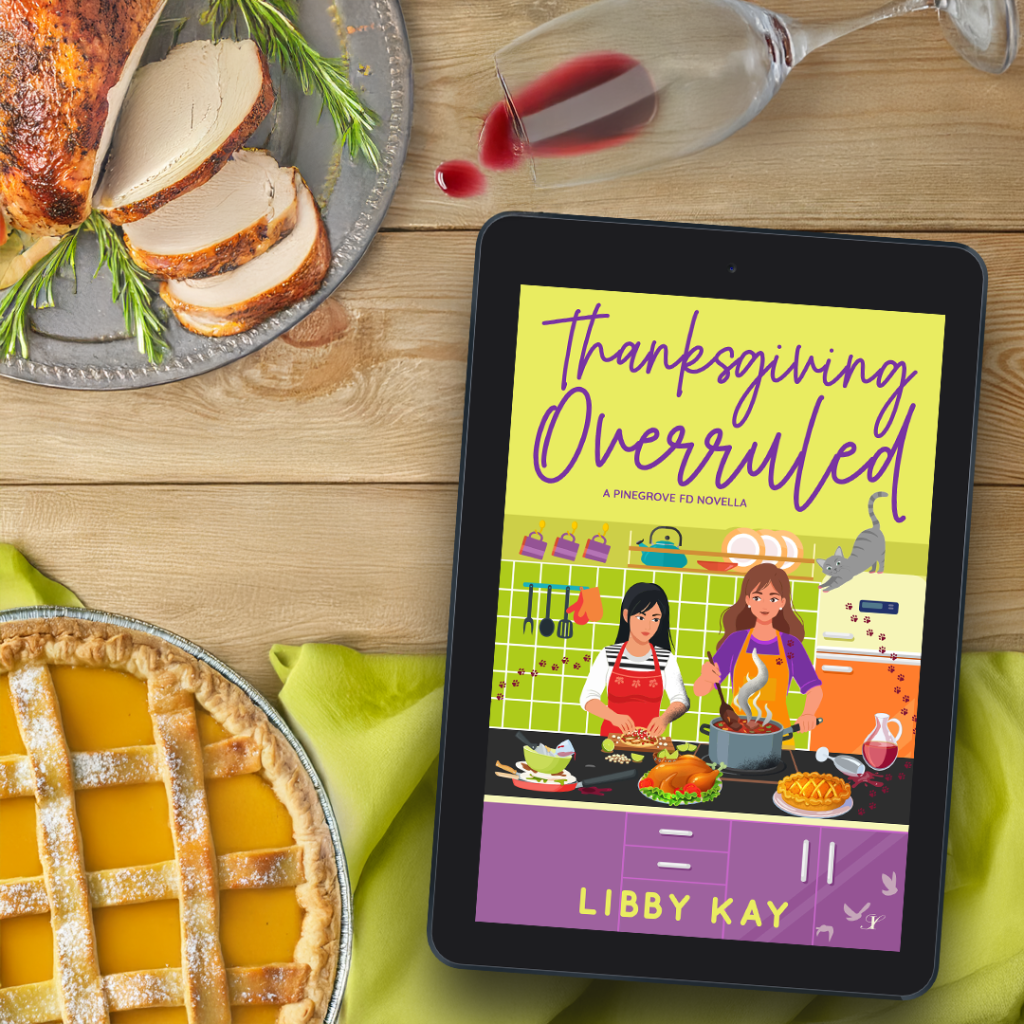
Cozy up this season with the newest Pinegrove FD Romance book!
Everyone wants to hear those three little words during the holidays…
Where’s the casserole?!
Winnie Kerr wants to utter another three-word phrase to her girlfriend, but Thanksgiving has other plans. After spending far too much time on work, this legal eagle decides an impromptu road trip to visit her sister is the perfect time to tell her girlfriend she loves her. What could go wrong during a few days away from work, right?
Mari Balogh has a problem, she’s madly in love with her girlfriend and cannot get those three little words off her tongue. After being burned before from her unsupportive family and a string of bad breakups, this paralegal is guarded. She happily agrees on a road trip to Pinegrove, eager for the space to profess her affections. How hard can it be, right?
From a little trespassing and a kitchen nightmare to a surly cat and a series of misunderstandings, the road to I love you is rife with hiccups. Can these two find their way to happily ever after? Or will their relationship go up in a puff of sweet potato casserole scented smoke?
But Pinegrove has proven that love is never overruled!
Return to small-town Pinegrove, Georgia, the romantic setting of Libby Kay’s endearing novels, When Sparks Fly and Old Flames, as well as the 2026 novel about another of the hunky firemen in town. Don’t miss any of the action or romance!
Libby Kay lives in the city in the heart of the Midwest with her husband. When she’s not writing, Libby loves reading romance novels of any kind. Stories of people falling in love nourish her soul. Contemporary or Regency, sweet or hot, as long as there is a happily ever after—she’s in love!
When not surrounded by books, Libby can be found baking in her kitchen, binging true crime shows, or on the road with her husband, traveling as far as their bank account will allow.
Libby cohosts the Romance Roundup podcast with Liz Donatelli where they recommend romance books and interview authors, influencers, and publishers. Check it out for your weekly dose of romance!
As an Amazon Associate, I earn from qualifying purchases. That means, when you purchase a book using an Amazon link on this site, I earn an affiliate commission. All commission earnings go back into funding my books; editing, cover design, etc.
Three cowboys. Three Christmases. One small town where love always finds a home.
Genre: Sweet Contemporary Small-Town Western Romance
🎄A heartfelt cowboy Christmas romance about second chances, small-town healing, and the power of love.🎄
He left her behind once. This Christmas, will love bring him home for good?
After six long years, two military deployments, and a grueling recovery from an IED blast, Zachary Caldwell is finally home in Morning Glory, Wyoming, and the Flying D Ranch. He never thought he’d see the snow-covered streets of his hometown again… or the woman whose heart he broke with nothing more than a phone call.
Julia Grant has spent years rebuilding her life. She finds comfort in her job as a nurse at Mercy Clinic, the cozy routines of the Morning Glory Inn, and the stability of her small town. But when Zach walks through her door just weeks before Christmas, old memories and deeper feelings come rushing back.
She once dreamed of a future with him. Marriage. Family. A love that stays.
But dreams don’t always survive war, distance, and silence.
As Zach confronts the truth about his past, including the reason his parents abandoned him, Julia must decide if she’s willing to risk her heart a second time. Can she believe in him again when he’s still learning how to believe in himself?
Set against a backdrop of twinkling lights, blizzards, and heartwarming holiday traditions, The Cowboy’s Christmas Blessing is a clean, wholesome contemporary western romance about healing, forgiveness, and finding your way back to the one who never left your heart.
🎄A heartfelt later in life cowboy Christmas romance about second chances, small-town healing, and the power of love.🎄
Clean and wholesome contemporary western romance.
The Snowstorm Was Just the Beginning
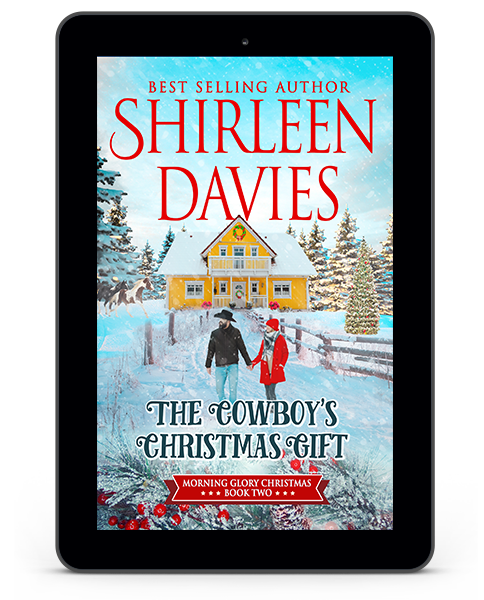
Victoria Palmer hadn’t expected to spend Christmas in a town so small it barely made her GPS. But after a painful divorce and the betrayal of a husband now living with someone half her age, her twin sons insisted she escape the glitz of Beverly Hills for the snowy calm of Morning Glory, Wyoming. One snowstorm, two missed turns, and a very arrogant cowboy later, Victoria settles herself at the Morning Glory Inn—cold, flustered, and anything but merry.
Gabe Dupree never expected a spoiled city woman to march into his family’s inn, insult his hospitality, and throw his quiet December into disarray. A widower devoted to his daughter and his ranch, Gabe made peace with solitude years ago. But Victoria’s arrival brings disruption—and a spark he never thought he’d feel again.
As snow blankets the Wyoming landscape and the town gears up for its Christmas festivities, Victoria and Gabe are forced into each other’s paths more often than either prefers. Between tense encounters and accidental heart-to-hearts, they begin to uncover the hurt and longing hidden beneath their defenses.
Sometimes love doesn’t come wrapped in ribbons. Sometimes, it rides in on a snowstorm.
Neither are in Morning Glory looking for love, but sometimes the best gifts come when you least expect them—wrapped not in ribbons, but in second chances.
The Cowboy’s Christmas Gift is Book 2 in the Morning Glory Christmas series—a sweet, later in life, contemporary western romance full of holiday charm, second chances, and heartfelt family moments. Perfect for readers who love small-town Christmas romance, slow-burn love stories, and strong, swoon-worthy cowboys. Guaranteed HEA.
🎄A heartfelt cowboy Christmas romance about small-town healing and the power of love.🎄
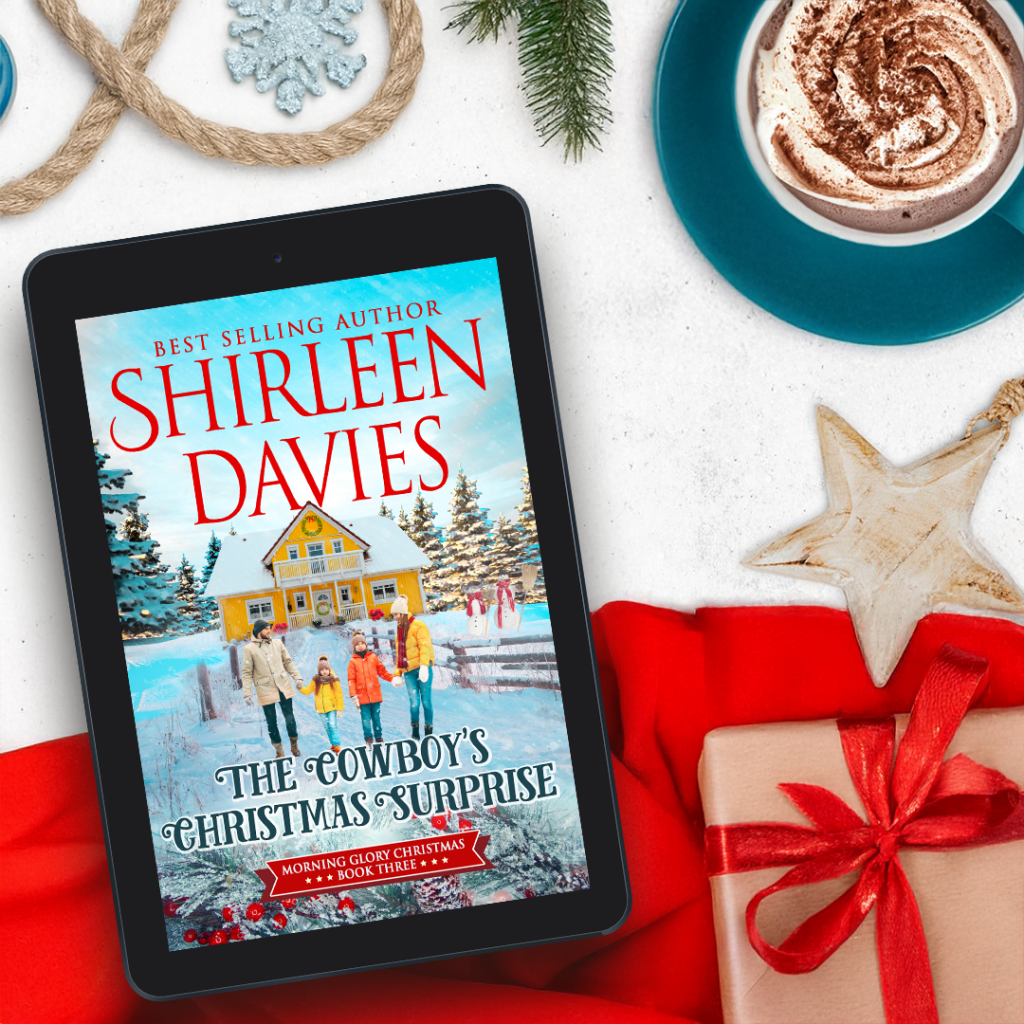
Snowstorms, Secrets… and an Unexpected Family Christmas
Ethan Webster thought he had everything figured out—thriving career in Denver, a sleek loft, and weekends on the ski slopes. But one phone call from Italy changes everything. His sister and brother-in-law are gone, and their three young children need him now more than ever. Leaving the city behind, Ethan returns to Morning Glory, Wyoming—a snowy, small-town haven tucked into the foothills of the Rocky Mountains.
Back in the hometown he never thought he’d live in again, Ethan leans on the one person he’s always trusted. Makayla Dupree. A dedicated veterinarian and lifelong friend, Makayla once taught him to ride horses and stood up for him when no one else would. This Christmas, she’s standing by him once again… this time to support him through his grief.
As the town sparkles with Christmas lights and the scent of pine fills the air, Ethan finds comfort in Makayla’s quiet strength, and sees her in a way he never did before. Their bond has always been strong, but grief, responsibility, and the magic of the season spark something deeper. Something that looks a lot like love.
But navigating newfound feelings and unexpected responsibilities isn’t easy. With the children still mourning, and Ethan unsure about his future, will the season of miracles bring them together—or pull them apart?
The Cowboy’s Christmas Surprise is a clean and wholesome Christmas romance filled with heartfelt family moments, small-town charm, slow-burning love, and the promise of a surprise love. Perfect for fans of cowboy heroes, emotional reunions, and uplifting holiday reads. It is book three in the Morning Glory Christmas series and features a guaranteed happy ending.
Shirleen Davies believes love stories are best served with a dash of grit, a few stumbles, and a whole lot of heart.
She writes contemporary and historical romance about everyday folks who don’t always get it right the first time, but keep trying anyway. Raised near the sunny coast of Southern California, Shirleen spent her childhood bouncing between the beach and her grandparents’ farm, where she learned that nothing beats the smell of fresh hay or the quiet wisdom of a rocking chair on a porch.
Armed with degrees from San Diego State University and the University of Maryland (plus an unofficial PhD in people-watching and life experience), she crafts emotionally rich stories filled with flawed, stubborn, hopeful characters who discover love where they least expect it.
When she’s not writing about cowboys, deputies, or the women strong enough to tame them, Shirleen enjoys life in a picturesque northern Arizona town with her husband. She’s the proud mom of two grown sons, still believes in happy endings, and is convinced that redemption is just one good story away.















































 Nina Soden