As an Amazon Associate, I earn from qualifying purchases. That means, when you purchase a book using an Amazon link on this site, I earn an affiliate commission. All commission earnings go back into funding my books; editing, cover design, etc.
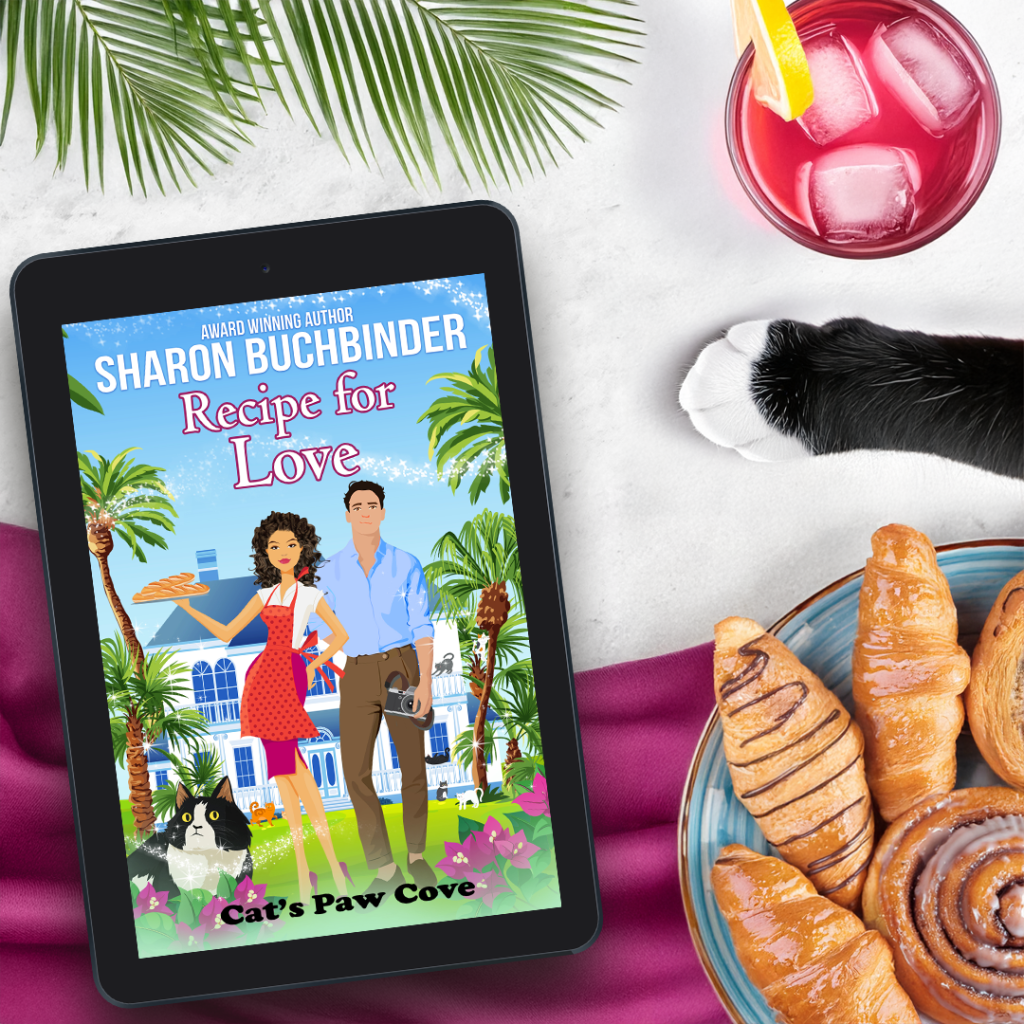
Love, laughter, and a little kitchen chaos are on the menu in Recipe for Love!
When a sous chef with secrets clashes with a showrunner chasing a viral hit, sparks fly hotter than the stove.
Karmen Artos, a sous chef at Feline Fine Retirement Home, is horrified when two of the residents hijack her kitchen. Worse yet, they’ve created an Internet cooking show that has gone viral. The recipes are revolting, but viewers are wild for ‘Grandma’s Witchin’ Kitchen!’
Devon Winger, a down-on-his-luck showrunner, arrives in Cat’s Paw Cove to convince the eccentric elderly Internet stars to take the show to the next level — a ShowFlix series. The magical stars are tickled at the idea, but Karmen is dead set against revealing the sanctuary for supernaturals to the world.
Can Karmen convince the sexy Devon that the show will be a dud? Or will Devon realize there’s more to the quirky retirement home than meets the camera’s eye?
Sharon Buchbinder has been writing fiction since middle school and has the rejection slips to prove it. A retired RN and professor, she is the author of the Hotel LaBelle Series, the Jinni Hunter Series, and the Obsession Series. She also has seven books in the Cats Paw Cove Series, a magical place where anything can happen–and does! When not writing, she can be found walking her dogs, herding cats, or breaking bread and laughing with family and friends.
As an Amazon Associate, I earn from qualifying purchases. That means, when you purchase a book using an Amazon link on this site, I earn an affiliate commission. All commission earnings go back into funding my books; editing, cover design, etc.
Sometimes, one voice is all it takes to awaken hundreds.
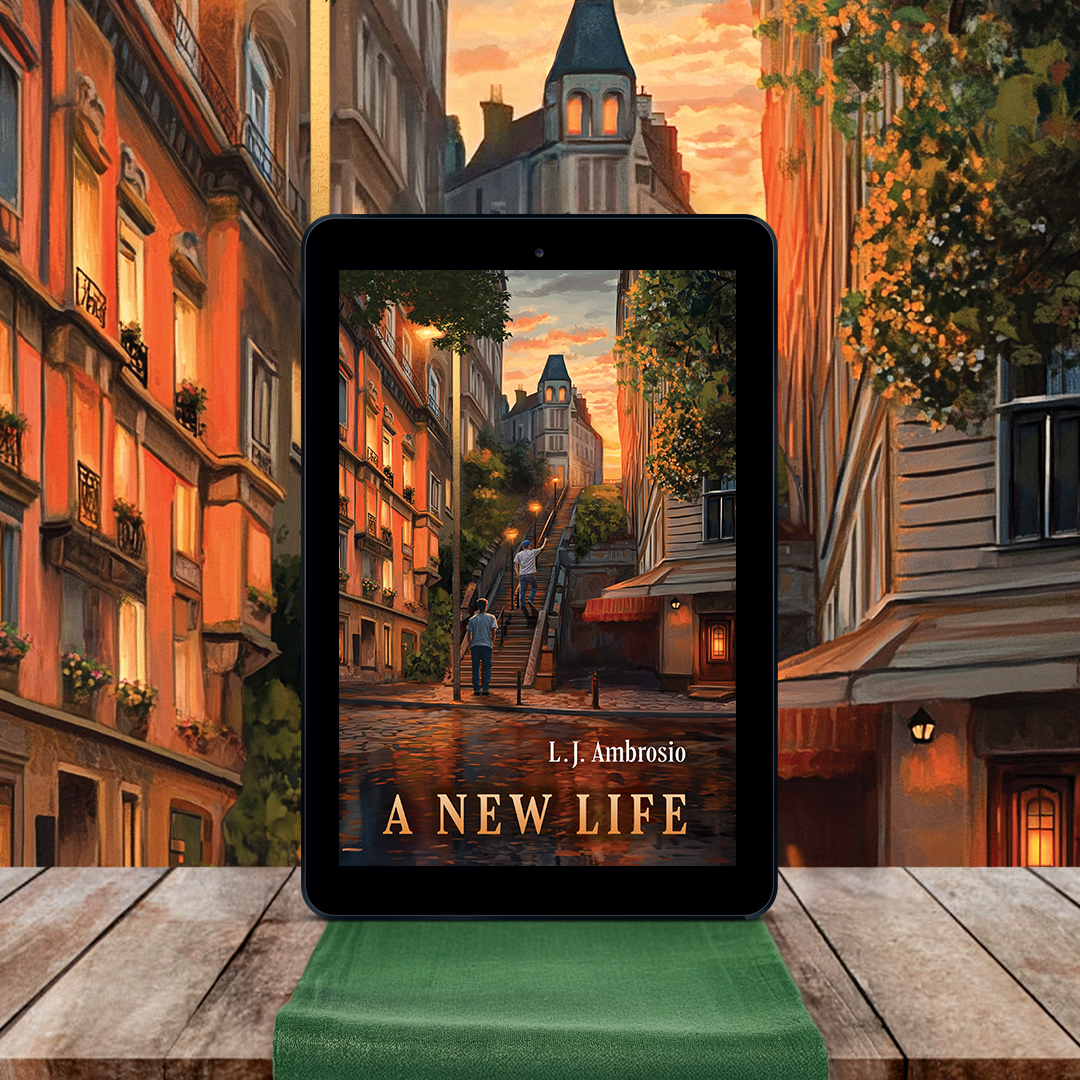
A New Life
Reflections of Michael Book 4
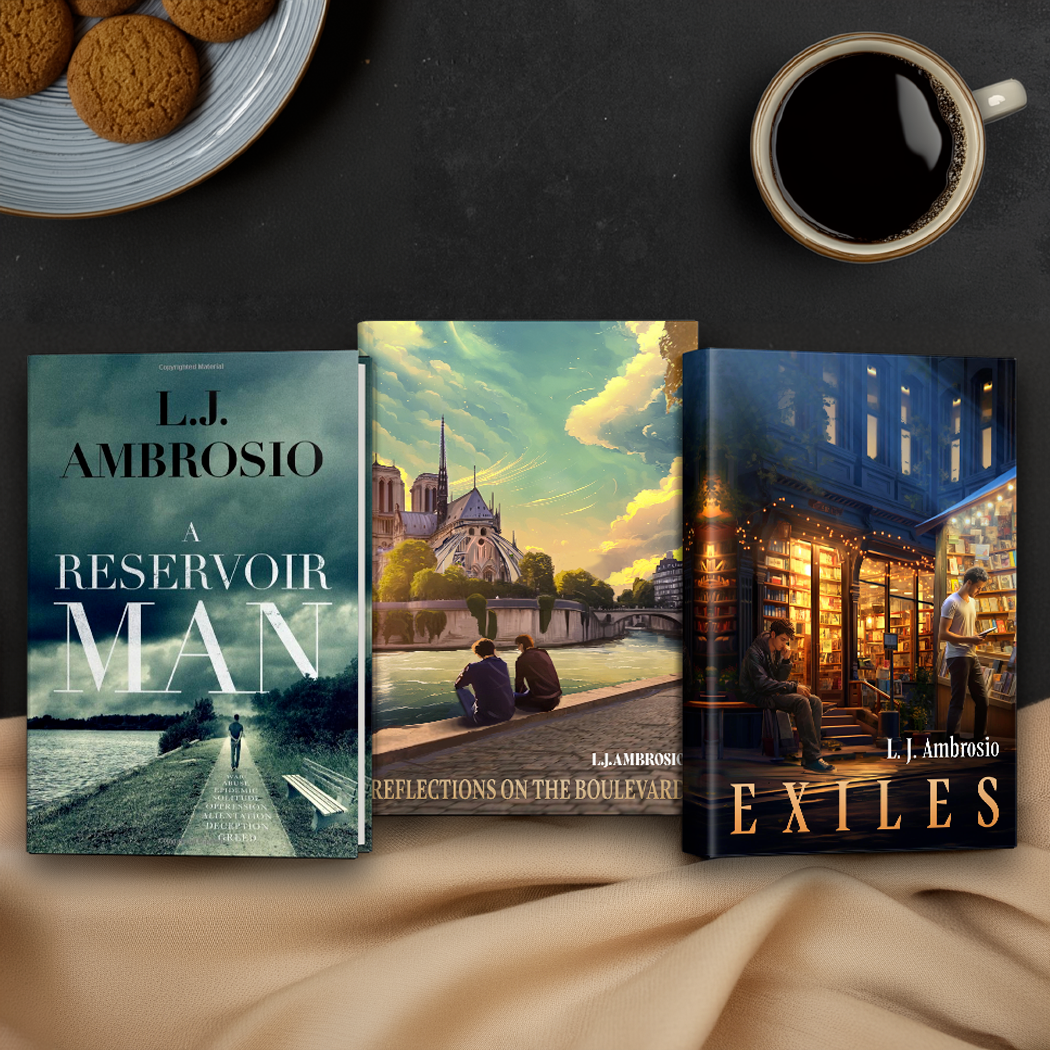
by L.J. Ambrosio
Genre: Contemporary LGBTQ Fiction, Coming of Age
From America to the streets of Paris, A New Life follows two friends as they navigate grief, love, and self-discovery in a city filled with history and hope. A New Life is a story that lingers long after the last page.
What Readers are saying:
“A heartfelt continuation of The Reservoir Man series, taking readers on an emotional journey through friendship, grief, and self-discovery. Set against the evocative backdrop of Paris, this novel follows the touching bond between Ron, a kind and grounded man, and Louie, a young gay man struggling with his sense of self. Ambrosio masterfully portrays the evolving relationship between the two, echoing the mentor-mentee dynamic seen in earlier books. Louie’s vulnerability and innocence shine through, while Ron’s compassion and strength help guide him through confusion and loneliness. Their moments together are filled with laughter, conflict, understanding, and ultimately growth. The emotional depth of this story is its true strength. From joy to sorrow, the book invites readers to feel alongside the characters. The final scene is especially poignant—both heartbreaking and healing.” – Amazon Reviewer
“A New Life continues the journey of familiar characters we’ve come to love, and yes, we still get that charming bookstore setting and Paris, which basically makes this the cozy, wanderlust-y read of the season. Ambrosio knows how to tell a story that pulls you right in and gives you all the feels. Ron and Louie’s friendship gets deeper, there’s a solid dose of personal growth, and just when you think things are on solid ground—bam, a twist. Classic.
If you’re already a fan of the trilogy, definitely keep going with this one. And if you’re new to it all, start from the beginning—you’ll thank me later.” – Amazon Reviewer
Louis J. Ambrosio ran one of the most nurturing bi-coastal talent agencies in Los Angeles and New York. He started his career as a theatrical producer, running two major regional theaters for eight seasons. Ambrosio taught at 7 Universities. Ambrosio also distinguished himself as an award-winning film producer and novelist over the course of his impressive career.
One of the key elements that defines urban fantasy is the integration of magical elements into the modern world. Whether it’s a hidden society of magical beings, a world where spells and supernatural creatures roam the streets, or the exploration of a character’s newfound magical powers, the magic system in an urban fantasy setting must feel both extraordinary and plausible. Readers need to believe that magic can exist within the framework of their everyday lives without shattering the suspension of disbelief. But how do you create a magical system that feels authentic while staying grounded in the real world?
In this post, I’ll take you through an in-depth guide to building unique and believable magic systems in urban fantasy. We’ll discuss the importance of internal consistency, the balance between magic and real-world rules, and how to keep your readers hooked without losing their trust in the world you’ve created.
1. Establishing Rules for Magic
The first step in crafting a believable magic system is setting clear rules for how magic works in your world. While magic allows for immense creativity and wonder, it also requires structure. Without established rules, magic becomes too arbitrary and unpredictable, making it difficult for readers to connect with the world you’ve built.
Why Rules Matter:
Internal Consistency: A magic system must adhere to its own logic. If magic behaves differently without explanation, it risks confusing or frustrating readers. The moment magic becomes a convenient plot device that appears without proper foreshadowing, you lose the trust of your audience.
Limits and Costs: Every magic system should have limitations. Power without limitations feels contrived. Magic should come with costs, whether it’s physical tolls on the user, restrictions on its use, or even social consequences. For instance, maybe casting a spell drains a person’s energy, risks the safety of a loved one, or only works at a certain time of day. These limitations make magic feel earned and give characters something to struggle with.
Think about Jim Butcher’s The Dresden Files, where Harry Dresden’s magic is often limited by the amount of energy he can draw from the world, the danger it poses to him personally, and the rules of the White Council. Dresden’s magic is consistent but not unlimited, and he is always mindful of the cost of each spell.
2. Make Magic a Part of the World’s Framework
In urban fantasy, magic doesn’t just exist in isolation—it interacts with the real world. For your magic system to feel believable, it should be integrated into society, politics, culture, and even economy, as though it’s always been a part of the world. That is, unless the magic of your world is held in secret among only those in the know… say an underground world of witches like in my Blood Angel Series, for example.
Creating a Magical Ecosystem:
Hidden vs. Known Magic: Is magic something that society is aware of, or is it hidden from the public? In many urban fantasy stories, magic is concealed from the general public, adding a layer of mystery and intrigue. However, even in these worlds, magic should still have an impact on the economy, government, or society. Maybe magical beings run secretive industries, or powerful witches control the black market of enchanted items.
Magical Institutions and Regulations: Think about how magic would be regulated, if at all. Are there organizations that oversee magical activities? Is magic illegal for certain people or in certain areas? How does the magical community interact with the mundane world—do they cooperate, conflict, or hide from each other? Exploring these societal dynamics can help ground your magic system in reality and avoid making it seem like an arbitrary addition to the plot.
For example, Laurell K. Hamilton’s Anita Blake: Vampire Hunter series presents a world where vampires, werewolves, and other supernatural creatures are not only known but have legal rights and recognition, with the government regulating these creatures’ activities. The existence of supernatural beings is integral to society’s politics, and the magic in the world reflects that integration.
3. Determine the Source of Magic
One of the most important decisions when creating a magic system is determining where the magic comes from. Magic can be drawn from a variety of sources—nature, gods, emotions, the mind, or even technology. The source of magic will significantly shape how it functions and is understood in your world.
Common Sources of Magic:
Elemental Forces: Magic that taps into the natural world, such as fire, water, or earth, is a common source of power. This can create a connection between magic and the environment, adding depth to the system. For instance, a fire mage might have to be near a flame or rely on natural heat sources to use their powers, making the system more tangible and grounded.
Bloodlines or Heritage: Magic might be passed down through generations or tied to specific bloodlines. This can create tension within societies, with some families hoarding power, others struggling to access their abilities, or even forbidden forms of magic associated with certain ancestries.
Energy or Willpower: Magic could be powered by an individual’s physical, mental, or emotional energy. A magic user might have to tap into their own life force, willpower, or emotions like anger, sadness, or love to fuel their spells. This can create complex inner conflict, as characters may hesitate to use magic for fear of personal loss.
Technology and Science: Some urban fantasy systems blend technology and magic, where magic is not a mystical force but a scientific one, often with technological advancements enabling magical phenomena. Think of how techno-magic systems like those in the Shadowrun series blend cybernetics with spellcasting or enchanted machines.
By establishing where your magic originates, you not only create more specific rules for your system but also provide readers with a clearer understanding of its limitations and potential.
4. Incorporate Magic into Character Development
The use of magic in urban fantasy often plays a central role in character development. A character’s relationship with magic can reveal a lot about their personality, values, and struggles. This is where character-driven conflict can shine—especially if magic isn’t simply a tool, but something that challenges or alters the character’s life.
Examples of Magic and Character Development:
Moral Dilemmas: A character might have access to immense magical power but must choose whether to use it for good, evil, or for personal gain. This inner conflict can shape their journey. In The Dresden Files, Harry Dresden’s magic comes with deep moral consequences. His choices, especially when using darker forms of magic, define who he is as a person and affect his relationships.
Physical or Emotional Limitations: Magic could come with a physical toll, such as the deterioration of the user’s health or mind. Alternatively, magic might amplify a character’s emotional state. This can add depth to characters, making their struggles more relatable and the magic itself a more integral part of the narrative. For instance, a character might be too emotionally unstable to control their magic, creating tension and stakes.
Identity and Belonging: If magic is tied to heritage or bloodlines, a character may feel the weight of their ancestry, the pressure of expectation, or even a sense of loss if they cannot access their magical heritage. How they grapple with their magical identity can be central to their character arc.
5. Use Magic to Enhance the Story, Not Dominate It
While magic is an essential component of urban fantasy, it should never overpower the story. The best urban fantasy integrates magic in ways that enhance the plot, drive character development, and add intrigue to the world—without allowing magic to solve all the problems instantly.
Balance Between Magic and the Mundane:
The magical and mundane worlds should interact, not just coexist. Often, the challenges in urban fantasy arise from the friction between these two realms. Magic might make life more complicated rather than easier. This keeps the stakes high and forces characters to think creatively and make tough choices.
Magic should be a tool, not a crutch. It can help drive the plot forward, but it shouldn’t remove all challenges. There needs to be an element of danger, uncertainty, and complexity even in magical situations. For example, perhaps magic is unreliable in certain circumstances, or the protagonist’s power might not be enough to overcome an adversary without sacrifice.
Crafting a believable magic system in urban fantasy is an exciting challenge, but it requires careful thought and structure. The magic must be consistent, integrated into the world, and tied to real-world consequences to maintain the suspension of disbelief. By establishing rules, creating a system that fits the world, and using magic as a tool for character development, you can create a magical system that feels grounded, logical, and, most importantly, immersive. When done well, magic becomes more than just a fantastical element; it becomes an integral part of the world, deepening both the stakes of the story and the richness of the characters within it.
As a fiction author, one of the most frustrating, and at times, debilitating experiences you can face is writer’s block. Whether you’re staring at a blank page, endlessly revising the same sentence, or feeling the crushing weight of doubt, writer’s block can halt your creative flow and make even the most seasoned writers question their abilities. But the good news is, it’s a normal part of the writing process. In this post, I will explore what writer’s block is, why it happens, and most importantly, how to push through it.
1. What is Writer’s Block?
Writer’s block is the inability to write or produce new content, often characterized by a sense of being “stuck.” It can manifest in many ways, from a total absence of ideas to a paralyzing fear of not being able to write well enough. While the term “writer’s block” is often associated with a lack of inspiration, it’s actually more complex. It can stem from internal pressure, perfectionism, burnout, or external stressors that interfere with the creative process.
For me, writer’s block has often been an all-encompassing feeling of frustration—a mix of work-life balance stress and lack of time, coupled with the paralyzing fear that what I’m writing isn’t good enough. And while it can be discouraging, it’s important to remember that it’s a temporary setback, not a permanent condition.
2. Why Does Writer’s Block Happen?
Understanding the root causes of writer’s block can help demystify the experience and take away some of its power. Here are some common reasons writer’s block happens:
1. Perfectionism and Self-Doubt
One of the most common culprits is perfectionism. As writers, we often want every sentence to be brilliant, every plot twist to be surprising, and every character to be perfectly realized. But this pressure can paralyze us, preventing us from moving forward.
2. Fear of Failure
We’ve all had moments where the fear of failure takes over. Will anyone even care about this story? What if my characters aren’t compelling enough? This fear can be crippling and make it difficult to write anything at all.
3. Lack of Inspiration
Sometimes the creative spark simply isn’t there. You’ve exhausted all your ideas, and the well feels dry. Maybe the voices in your head have just stopped talking. This type of block is especially frustrating when you have deadlines or a manuscript to finish, self-imposed or by a publisher. The absence of inspiration can leave you staring at a page, unable to fill it with the words you know are there—but just can’t seem to find.
4. Overwhelm or Burnout
Writing a novel or long-form piece of fiction is an enormous task. The sheer scope of the project can lead to burnout, especially if you’re pushing yourself too hard. The sense of overwhelm that comes with large projects can cause you to shut down entirely.
5. External Stressors
Personal issues, work-related stress, or family matters can all affect your ability to focus and create. If your mind is occupied with external distractions, it can be hard to summon the mental space needed for storytelling. In truth, this is the one that gets me more often than not. I am a creative, but I am also a teacher… I love to help others. Therefore, in many aspects of my life, I say ‘yes’ way too often. I overcommit myself and cause undue stress. That stress becomes overwhelming, and my creativity ends up suffering because of it.
3. How to Overcome Writer’s Block
While there’s no one-size-fits-all solution to overcoming writer’s block, there are strategies that have worked for me and many others. Here are some techniques that may help you break free of the block and get back to writing.
1. Embrace Imperfection
The most important thing to realize is that writing doesn’t have to be perfect on the first draft. In fact, it often isn’t. Perfectionism is a silent killer of creativity. Give yourself permission to write badly. Write the worst possible version of a scene. You can always revise it later. But if you don’t get the words down at all, you’ll never have the chance to improve them.
One of my favorite pieces of advice for dealing with writer’s block is simply to “write through it.” Even if you’re unsure of where the plot is going or how a scene should unfold, writing something—anything—will help break the blockage. Sometimes, just putting words on the page will unlock the next step in the story. I used to have a friend who, whenever she experienced writers’ block, would simply start typing numbers: 1, 2, 3, 4, 5, 6, 7, 8, 9, 10, 11, 12. and so on. She would do that until the next idea came to her. Sometimes she would type into the hundreds, and sometimes beyond, but it helped her to break the writer’s block cycle.
2. Set Small, Manageable Goals
If the task of finishing a novel feels overwhelming, break it down into smaller, more achievable steps. Rather than focusing on the daunting idea of finishing an entire manuscript, set daily or weekly word-count goals. Some days it might only be a few hundred words. But consistent, small goals can build momentum and help you feel a sense of accomplishment.
3. Change Your Environment
Sometimes the problem isn’t with the writing, but with the environment you’re trying to write in. If you’re feeling stuck, try changing your location. Go to a coffee shop, write in a park, or even move to a different room in your house. A new setting can spark creativity and help you see your work in a new light. For me… sometimes I just need to clean or reorganize the workspace I’m already in.
4. Let Your Mind Wander
If you’ve hit a wall, step away from your project for a while. This doesn’t mean giving up on writing, but allowing your subconscious to work on the problem. Go for a walk, take a shower, or read something unrelated to your story. Sometimes, the best ideas come when you least expect them.
5. Use Writing Prompts or Exercises
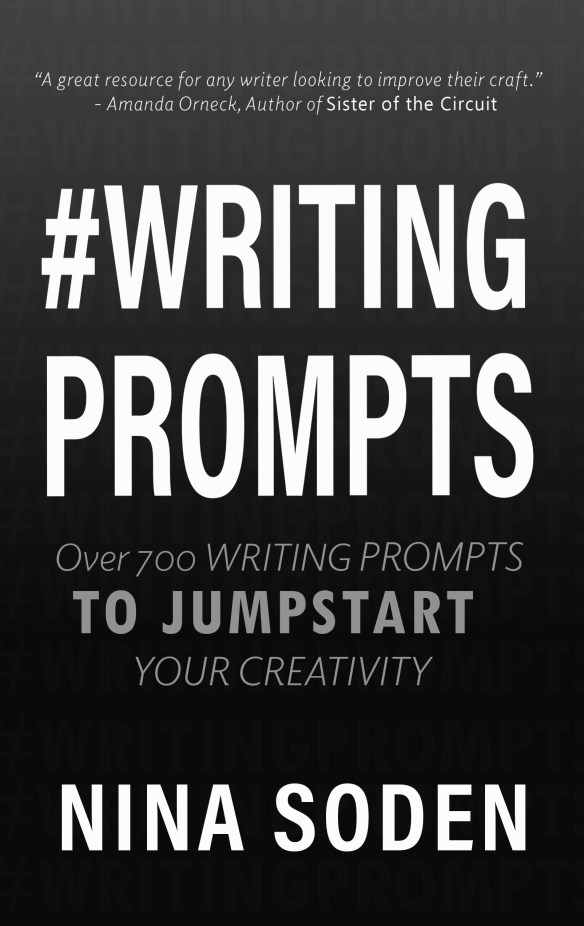
Another way to combat writer’s block is through creative exercises or writing prompts, like in #WritingPrompts. These can help break up the monotony and get your creative juices flowing again. Even if the prompt doesn’t directly relate to your story, it might inspire new ideas or help you work through a specific scene.
You could try prompts like:
Write a scene from the perspective of a side character.
Describe your protagonist’s home in detail, including things they would never show to others.
Write a letter from your antagonist to the protagonist, explaining why they’re doing what they’re doing.
6. Work on a Different Project
If your current project feels impossible, it might help to switch gears. Start working on a different story or creative endeavor. This doesn’t mean abandoning your main project—just give yourself a mental break. A change of focus can help reset your brain and bring back your creative energy.
7. Talk It Out
Sometimes, verbalizing your thoughts can help untangle a complex plot or character dilemma. Talk to a fellow writer or a trusted friend about what you’re struggling with. Don’t be afraid to admit that you’re blocked—chances are, they’ve been there too. Having a sounding board can give you fresh perspectives and ideas you hadn’t considered.
4. Writer’s Block Isn’t Permanent
It’s crucial to remember that writer’s block doesn’t last forever. It’s a temporary phase that all writers go through. Even the most successful authors face it. When I’m struggling with writer’s block, I remind myself that it’s just part of the creative process. Some days will be harder than others, but that doesn’t mean I’m not still moving forward.
Also, be kind to yourself. The more you pressure yourself to “overcome” writer’s block, the worse it can feel. Give yourself permission to write badly or to take breaks. The most important thing is to keep writing, even if it’s just a little bit at a time.
Writer’s block is an inevitable part of the creative process, but it doesn’t have to be the end of your story. Use it as a signal to change up your routine, experiment with new ideas, and embrace the imperfections that come with writing. Every writer faces this challenge at some point, but the key is persistence. Keep writing, keep experimenting, and above all, be patient with yourself. Your words are waiting—sometimes, all you need is a little time and space to find them again.
There’s something especially delicious about a dystopian or sci-fi book that makes you think you’ve got it all figured out… only to pull the rug out from under you in the final chapters. You turn the page expecting one thing, and BAM — plot twist. And if you’re anything like me, those are the stories you’ll be thinking about days (or years) later.
So if you’re craving a read that messes with your head in the best way, here’s a list of dystopian and sci-fi books with jaw-dropping twists — including one from yours truly. 📖✨
Twist Factor: ✨ Darrow’s mission isn’t what he thinks it is
This brutal, high-stakes society built on color-coded castes seems straightforward — until Darrow infiltrates the elite Golds. Midway through, the real scope of the rebellion, hidden agendas, and the betrayals of those closest to him turn everything upside down. By the end of book one, you realize the war Darrow thought he was fighting is just a pawn’s move in a much bigger game.
Twist Factor: ✨ Who’s really behind the experiments and why
My Sector C series takes what seems like a survival-against-the-leadership scenario and flips it into a deeper, darker conspiracy. As the characters navigate a world dominated by deadly experiments and dangerous technology, the real enemy isn’t who (or what) they believed. Loyalties shatter, and hidden connections between characters and the program’s origins turn every assumption on its head.
Twist Factor: ✨ The Glade isn’t a prison… it’s a test
The kids trapped in the maze believe they’re escaping a punishment. The reality? They’re unwitting subjects in a twisted survival experiment designed to find humanity’s last hope. And when the walls come down, the world outside is far worse than the maze itself.
Twist Factor: ✨ The AI you fear might be the only thing keeping you alive
Told through hacked files and intercepted messages, this book pulls off multiple twists. What seems like an evil AI slaughtering a spaceship’s crew turns into one of the story’s most complicated, even sympathetic characters. It plays with reader expectations about villains and heroes in a smart, subversive way.
Twist Factor: ✨ The outside world isn’t what they’ve been told
In this bleak, silo-dwelling society, citizens are taught the surface is toxic and deadly. The shocking twist? The truth about what’s outside — and who’s been controlling that narrative — will make you rethink every rule the characters have followed since page one.
Twist Factor: ✨ Who the real villain is, and what immortality has done to humanity
A world without death sounds like utopia, but the elite Scythes tasked with population control carry dark secrets. As apprentices Citra and Rowan dive deeper, they uncover a chilling conspiracy within the Scythedom that rewrites the story’s entire moral landscape.
Humanity’s been devastated by four waves of alien attacks. The fifth? It’s already here, and it’s hiding in plain sight. Trust no one. The moment readers (and characters) realize who the real invaders are is genuinely unsettling.
The best dystopian and sci-fi books leave you breathless — not just from action, but from those shocking moments where everything you believed about the world, characters, or conflict gets flipped. And whether it’s a secret identity, a hidden agenda, or a dark truth about the world outside, those twists are what turn a good story into a great one.
Got a favorite mind-blowing dystopian plot twist? Drop it in the comments — I’m always building my to-read list.
You’ve been thinking about it for months — maybe even years. That story idea that keeps tugging at your imagination. The characters who live in the back of your mind. The plot twist you dream about late at night. But for one reason or another, you keep putting it off.
Sound familiar?
If so, it’s time to stop procrastinating and finally start writing your novel.
Why Do We Procrastinate?
Let’s be honest — procrastination isn’t about laziness. It’s about fear.
Fear of failure. Fear of not being good enough. Fear of starting something you might not finish. It’s easier to plan to write a book than to actually sit down and face a blank page.
But here’s the thing: every writer — from bestselling authors to first-time novelists — feels that fear. What separates those who finish a novel from those who don’t is the decision to write anyway.
The Myth of the “Perfect Time”
If you’re waiting for the stars to align, for a long weekend of uninterrupted silence, or for inspiration to strike like lightning — you’ll be waiting forever.
Life will always be busy. The dishes won’t wash themselves. Emails won’t stop. There’s no perfect moment to start writing.
But there’s always this moment.
And if you can commit to showing up for your story now, even for just ten minutes a day, you’ll be amazed at how quickly those words stack up.
5 Simple Ways to Start Writing Today
Ready to finally get those words out of your head and onto the page? Here are five easy, actionable tips to kickstart your writing habit:
1️⃣ Set a Tiny, Achievable Goal
Forget about writing an entire chapter. Start with 250 words. That’s one page. One scene. One conversation. Small goals build momentum.
2️⃣ Schedule It Like an Appointment
Carve out a specific time each day to write — even if it’s just ten minutes. Put it on your calendar. Treat it like a commitment you can’t break.
3️⃣ Silence Your Inner Critic
Your first draft isn’t supposed to be perfect. It’s supposed to exist. Let yourself write badly. The magic happens in the revision process.
4️⃣ Create a Distraction-Free Zone
Find a quiet space, silence your phone, and let those around you know you’re off-limits for a short while. Even brief, focused sessions make a difference.
5️⃣ Find Your Writing Tribe
Join a local writing group, an online community, or find a friend who loves books as much as you do. Accountability and encouragement matter.
Your Story Matters
Someone, somewhere, is waiting for the story you have to tell. Whether it’s a reader looking for escape, connection, or inspiration, they won’t find it if you never write it.
Stop waiting for the perfect time. Start writing today. Your future self (and your future readers) will thank you.
📖 Need a little guidance on outlining or planning your novel? I’ve written two indie author guides to help you along the way.
Check them out below and get started on your writing journey today!
One of the things I love most about urban fantasy is its ability to blend magic, mystery, and modern life into a world that feels both familiar and fantastical. But when you throw in a mind-blowing plot twist? Chef’s kiss. That’s the kind of storytelling that lingers — the kind that makes you flip back pages asking, “Wait, did that just happen?”
Here’s a curated list of urban fantasy books that completely pull the rug out from under you in the best way — each with a twist I did not see coming.
Twist Factor: ✨ The true loyalties of Rachel’s co-workers
What starts as a witch trying to break free from her magical law enforcement job spirals into betrayals and shifting alliances. The twist? One of the people Rachel thought she could trust most ends up playing a much darker game than she realized — and it flips the entire dynamic of the series moving forward.
This series opener introduces us to Mercy Thompson, a mechanic with a coyote-shifter secret. Just when the plot seems to be following the typical “urban shifter” path, a shocking betrayal from within the pack sends everything sideways. It’s subtle at first, but the full weight of it hits hard when revealed.
This Kate Daniels series starter dives deep into a dangerous world of shifting magic and tech. As Kate investigates a brutal murder, she thinks she’s closing in on the killer — only to discover the true villain is someone far closer than she expected. The reveal makes you question everything that came before it.
Twist Factor: ✨ The dead god’s killer… wasn’t who you thought
In this legal thriller-meets-magical mystery, a necromantic lawyer tries to bring a god back to life. But the twist? The god’s death wasn’t accidental — and the culprit is tied to a power structure far more sinister and unexpected than it appears. It’s a slow-burn reveal that pays off big.
Twist Factor: ✨ The ending that redefines the entire series
No spoilers here — but if you’ve been following Harry Dresden through the earlier books, Changes delivers a twist that is both devastating and brilliant. The title is no joke: everything changes. Trust me when I say you won’t be the same after reading it.
Though more of a fae fantasy with urban tones, this one earns its spot for that ending. Jude, the mortal girl in a cutthroat faerie court, plays her cards close to the vest — until she makes a bold, manipulative power move that shocks even the reader. You think you know who’s in control… until you don’t.
🧛 7. Blood Angel by Nina Soden
Twist Factor: ✨ [Redacted… because you have to read it to believe it]
I couldn’t make this list without mentioning my own Blood Angel series. Without giving too much away, let’s just say not everyone is who they seem — and as loyalties are tested, deep secrets rise to the surface that change everything. Readers often tell me they didn’t see that one coming — and that’s the best compliment.
⚡Urban fantasy thrives on layered worlds, morally gray characters, and high-stakes drama — but the best ones leave your jaw on the floor with a twist that makes you rethink everything. If you haven’t read some of these yet, I highly recommend you do (and then message me so we can scream about the reveals together).⚡
Did I miss a favorite urban fantasy with a shocking plot twist? Drop it in the comments — I’m always adding to my TBR!
As an indie author, I can tell you firsthand — seeing someone pick up one of my books is the best feeling in the world. But here’s a little secret: you don’t have to spend a dime to make a huge difference in an indie author’s life and career.
We indie authors wear a lot of hats: writer, editor (hopefully not), cover designer, marketer, publicist, and sometimes even our own cheerleader. Which means every little bit of support matters, and it goes so much farther than most readers realize. So, if you’ve ever wanted to help your favorite indie authors thrive, here are a few easy, free (or almost free) ways you can make a major impact.
📚 1️⃣ Leave a Review
If you only do one thing, let it be this. Reviews help indie books get noticed by algorithms on Amazon, Goodreads, BookBub, and other platforms. Even a simple “I really enjoyed this book!” means the world and helps other readers discover it.
A like, comment, or share on an author’s post increases visibility and keeps their work in front of readers. Social platforms love engagement, and the more interaction a post gets, the more it’s shown to others.
Bonus: Share your favorite quotes, book covers, or reading selfies — authors love seeing their books in the wild!
Here is my social media links if you’d like to follow:
Most indie authors have newsletters packed with exclusive content, freebies, giveaways, and behind-the-scenes updates. Signing up not only shows support but helps authors build a direct connection with readers outside of social media algorithms.
💬 4️⃣ Recommend Their Books to Friends
Word-of-mouth is still one of the most powerful marketing tools. Tell a friend, suggest it in your book club, or drop it in a reader group. Personal recommendations carry a lot of weight.
🎧 5️⃣ Request Their Book at Your Local Library
Most libraries have systems where patrons can request new titles for their shelves. Requesting an indie author’s book is a wonderful way to help them reach new readers — plus, it supports public libraries too!
🖥️ 6️⃣ Feature Them on Your Blog or Bookstagram
If you run a blog, BookTok, Bookstagram, or BookTube channel, consider featuring an indie author in a review, author interview, or reading list. These shoutouts can introduce them to a whole new audience.
🎁 7️⃣ Give Their Books as Gifts
While this one technically involves a purchase, gifting indie books for birthdays, holidays, or just-because moments spreads the word and supports the author at the same time.
📣 8️⃣ Nominate Them for Awards & Lists
Many online book communities, local bookstores, and libraries have “best of” lists or indie book awards you can nominate authors for. These recognitions help boost their credibility and exposure.
🎙️ 9️⃣ Invite Them for Interviews or Events
If you’re involved in a book club, podcast, writing group, or school program, invite an indie author to chat about their work. Most are thrilled for the opportunity to connect with readers and fellow writers.
✨Supporting indie authors is about community, encouragement, and celebrating storytelling in all its forms. The next time you fall in love with a book by an indie author, remember — even the smallest gesture of support can mean everything to the person behind the page.
Do you have a favorite indie author you adore? Share their name (or a link to their book) in the comments so we can all discover someone new to read! ✨
AUTHOR MEET & GREET | BOOK SIGNING| & AUTHOR DISCUSSIONS Saturday, June 21st from 2:00 – 4:00 PM Blue Apple Books (14 Main Street, Suite B, Madison, AL)
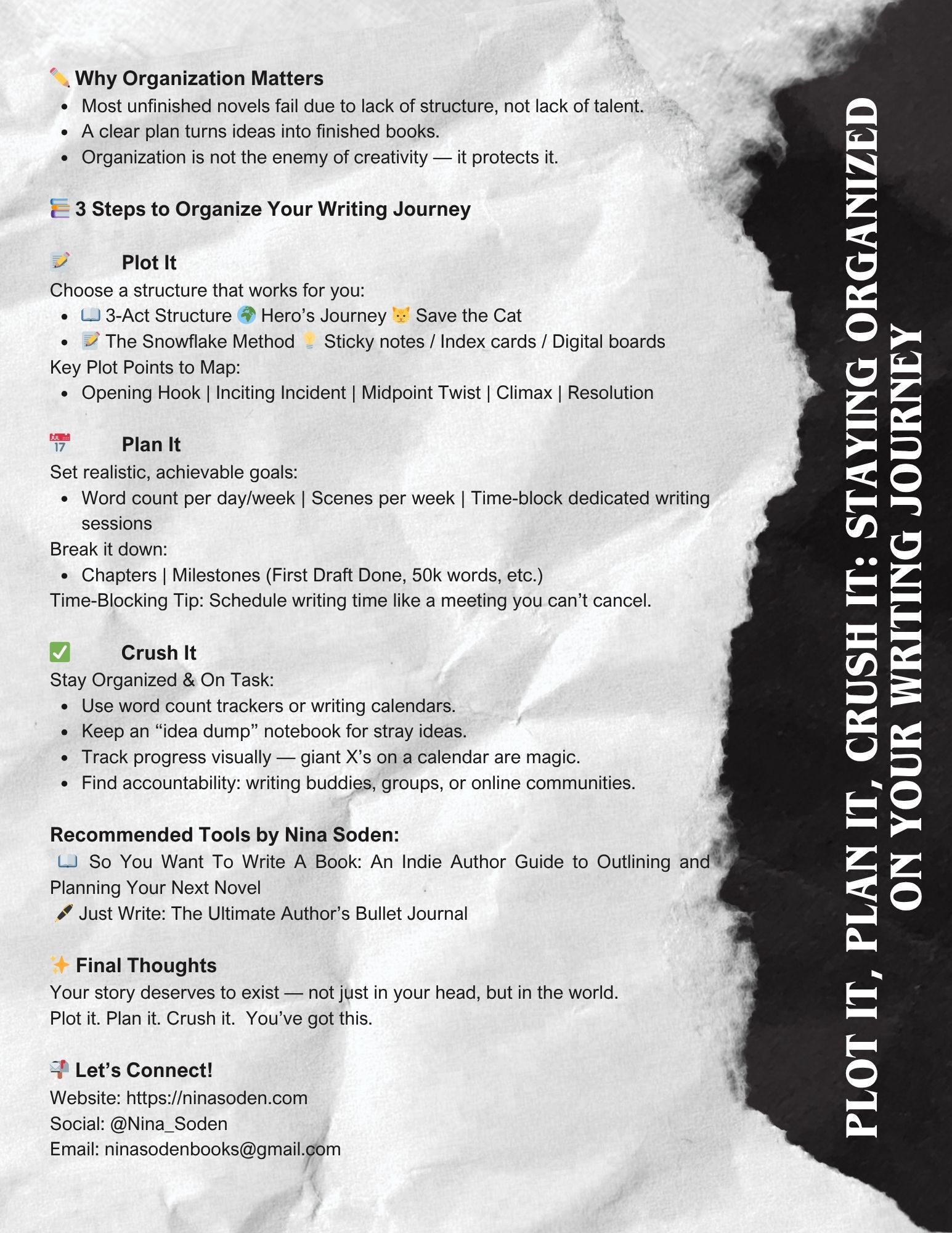
calling all writers… Join me for ‘Plot it, plan it, crush it’ where I talk about how to get organized, stay on track, and finally finish your novel!
Let’s be honest — writing a book is hard enough, but getting it into readers’ hands can feel like an entirely different mountain to climb, especially when you don’t have a big marketing budget. The good news? Some of the best book marketing strategies don’t require breaking the bank. Whether you’re launching your debut or trying to breathe new life into your backlist, there are plenty of creative, affordable ways to promote your work.
Here are some free (or nearly free) strategies every indie author should have in their toolkit:
📱 1. Leverage Social Media Authentically
You don’t need to be everywhere, but you do need to be somewhere. Pick one or two platforms where your readers hang out and show up consistently. Whether it’s Facebook, Instagram, TikTok, or Twitter (or X… we’re all still figuring that out), focus on sharing a mix of:
Behind-the-scenes writing moments
Bookish quotes or excerpts
Cover reveals
Reader reviews
Personal tidbits that show your personality
Pro Tip: Use free tools like Canva to create eye-catching graphics, teaser images, and quote cards.
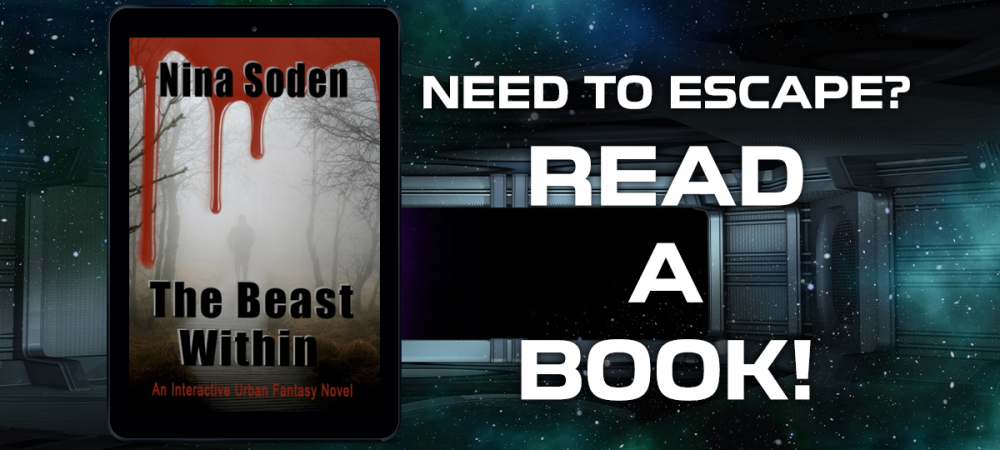
Austin discovered, at the young age of ten, that fairies aren’t exactly what the fairytales made them out to be and that blood tastes a lot like honey. Now, as an adult, he struggles to balance his public life with the one he’s so desperate to keep hidden. After a deadly camping trip and an unexpected connection, Austin tries to change his ways. Will he be able to keep his secret or will his world come undone? In this exciting interactive adventure, the body count is up to you. Are you ready?
Your email list is gold. These are readers who want to hear from you. Start building your list by offering a free short story, novella, or sneak peek of your work in exchange for an email address.
Free tools to get started:
Mailerlite (free for up to 1,000 subscribers)
Substack (if you love a newsletter vibe)
MailChimp (another newsletter platform)
Send updates, exclusive content, and book announcements directly to your readers’ inboxes.
🌟 3. Collaborate with Other Indie Authors
Cross-promotion is one of the smartest (and free) ways to expand your reach. Team up with authors in your genre for:
Joint giveaways
Newsletter swaps
Social media shoutouts
Anthology projects
Not only does it widen your audience, but it also fosters a sense of community in a sometimes-lonely indie world.
📝 4. Guest Post on Book Blogs & Author Websites
Reach new readers by offering to write guest posts or author interviews for book bloggers and indie author sites. Most are happy to feature fellow writers, especially if you pitch a fun or informative topic.
Ideas for guest posts:
“The Inspiration Behind My Book”
“5 Paranormal Books That Inspired My Series”
“What I Wish I Knew Before Self-Publishing”
Bonus: It usually comes with a link back to your book! IF YOU’RE INTERESTED IN GUEST POSTING ON MY BLOG, CLICK HERE!
Celeste epitomizes high school success: top grades, head cheerleader, even dating the star quarterback. Life couldn’t be better with a picture-perfect family and college on the horizon. But as she drifts off to sleep on the eve of her 17th birthday, Celeste never fathoms waking up over 1,000 years in the future.
Transported to a world both unfamiliar and strangely linked to her own, Celeste discovers she’s the heir to a royal lineage and her mother is a long-lost princess. Yet as secrets unravel and familial rifts emerge, the once harmonious facade of her family begins to splinter.
Navigating impossible choices, Celeste’s journey becomes a quest for self-discovery and strength. In the chaos, she discovers the power within her identity, the importance of family, and the treasures of genuine friendships. Embark on Celeste’s journey as she boldly faces the mysteries ahead, shaping her fate with courage and unwavering determination.
You don’t need a fancy setup — just your phone and good lighting. Readers love getting to know the person behind the book. Record short videos about:
What you’re currently working on
Writing tips
Book recommendations
Fun facts about your characters
Post them on Instagram Reels, TikTok, or YouTube Shorts.
📖 6. Join (and Engage in) Reader Communities
Get involved in Goodreads groups, Facebook book clubs, or Discord communities related to your genre. Important: Don’t just drop your links — be a genuine part of the conversation, offer recommendations, and talk about books you love.
When people get to know you, they’ll naturally want to check out your work.
🎁 7. Run Free or Discounted Promotions
Temporarily dropping your eBook price or offering it for free for a limited time can boost downloads and reviews. Pair it with a social media push or email newsletter blast.
Free promo sites to submit your deals to:
Freebooksy
Book Doggy
Fussy Librarian
Book Rebel
(They often have free or low-cost options.)
🎨 8. Design Promo Graphics with Free Tools
Make your marketing materials pop with free graphic design tools. Canva is my go-to for everything from social media posts to book mockups and promotional banners.
Other free tools worth trying:
Book Brush (limited free plan for book-specific graphics)
Pixabay and Unsplash (for royalty-free images)
📌 Final Thoughts
Marketing as an indie author doesn’t have to drain your wallet. It’s about consistency, creativity, and finding authentic ways to connect with your readers. Start small, test what works, and have fun experimenting along the way. The indie author community is one of the most supportive out there — so lean into it and lift each other up.
Got a favorite free or budget-friendly marketing trick? I’d love to hear about it in the comments!


















 Nina Soden