
A Critique is Not an Insult: The Power of Constructive Feedback in Writing

Writing is an intimate act. Authors pour their thoughts, emotions, and creativity into every word, each sentence carefully crafted to convey a piece of themselves to the world. When we put our work out there, we risk exposing our vulnerabilities to others, opening ourselves up to both praise and criticism. It’s natural to feel protective over our creations—after all, they are an extension of who we are. But here’s the truth that all writers must come to understand: a critique is not an insult. It is a powerful tool for growth and improvement. Trust me, learning or believing this lesson isn’t always easy.

The Purpose of Critique

At its core, a critique is about evaluating and offering feedback in a way that encourages development. It’s a way for writers to see their work from another perspective, to recognize both strengths and weaknesses they might not have noticed on their own. Critiques—whether given by a trusted friend, editor, or fellow writer—serve to refine the piece and help authors evolve. Constructive feedback isn’t about tearing someone down. It’s about lifting them up and guiding them toward better writing.

Think of it this way: no one is born knowing how to write perfectly. Every author, from the most seasoned to the newest, needs feedback to hone their craft. Even the greatest writers, like Hemingway and Orwell, relied on others to point out areas for improvement. Critique helps us grow, just as a sculptor chisels away at a block of stone to reveal the masterpiece within. It is a necessary step in the process of becoming better at our craft.

Critique Is About the Work, Not the Writer

One of the most important (and maybe hardest) distinctions to make is that a critique is about the work, not the person behind it. It is an evaluation of a specific story, essay, or novel, not a reflection of the author’s worth as an individual. When a critique points out flaws or areas for improvement, it is never meant to undermine the writer’s self-esteem or creative potential.

Unfortunately, the emotional connection between an author and their writing can sometimes blur this line. A negative critique can feel like a personal attack, but that is rarely the intention. Instead, it’s a sign that the work, as it stands, could benefit from revisions—just as any piece of art requires revisions before it can be truly considered finished. Even the best works in history have been revised multiple times before reaching their final form. Criticism, then, is a necessary step in this journey, a part of the art’s evolution.

Constructive Criticism: The Heart of Growth

Constructive criticism is the gold standard for feedback. It focuses on improvement, offering actionable suggestions while acknowledging what works well. The best critiques never simply say “This is bad” or “This doesn’t work.” Instead, they offer insight into why something doesn’t work and, more importantly, how to make it better. A good critique provides clarity on plot holes, character inconsistencies, pacing issues, or weak dialogue. It helps the writer see their work from different angles, offering solutions rather than just identifying problems.

As a writer, it’s essential to remain open to such feedback. Embrace the idea that all feedback—no matter how critical—comes with the potential for growth. Take a step back, detach emotionally, and view the critique objectively. Is there a kernel of truth in what’s being said? Can the suggested changes improve the overall quality of your work? Often, the answer will be yes.

The Personal Connection: Don’t Take It Personally

It’s easy to feel vulnerable when your work is critiqued. It can sting, especially if the feedback points out flaws you’ve worked hard to overlook or aspects of your writing you were especially proud of. But remember, a critique is not a judgment on you as a person. It does not diminish your talent, your creativity, or your ability as a writer. It’s simply a tool to make your writing the best it can be.

A critique can only hurt if you let it. Instead of viewing feedback as a negative judgment, try to see it as an opportunity to learn. Even harsh criticisms often contain valuable lessons. After all, no one becomes a master at something without making mistakes along the way—and writing is no exception.

A Final Thought: Embrace the Challenge

To be a writer is to be forever evolving, learning, and adapting. The work will always get better with each revision, with each thoughtful critique. It’s important to remember that a critique is a gift, not a condemnation. It’s a chance to refine your skills, to deepen your understanding of your craft, and to produce the best version of your work.

So, the next time you receive feedback—whether positive or critical—take a deep breath and embrace it. Understand that it’s not a reflection of you as a person but a reflection of your work in its current form. A critique is not an insult. It’s a steppingstone on the path to becoming the writer you’re destined to be.


The 3 Pillars of Publishing: Self-Publishing, Vanity Publishing, and Traditional Publishing

The publishing world has evolved dramatically in recent years, offering authors an array of options for sharing their work with readers. Whether you’re a first-time author or a seasoned writer, understanding the key differences between self-publishing, vanity publishing, and traditional publishing can help you make an informed decision on how to release your book. Each route has its unique set of advantages and drawbacks, and the best option depends on your goals, resources, and expectations.

Self-Publishing: Empowerment or Overwhelming Responsibility?

What is it? Self-publishing is the process of independently publishing a book without the involvement of a traditional publisher. Authors retain full control over every aspect of the process, from writing and editing to designing and marketing. The book is then published directly through online platforms like Amazon’s Kindle Direct Publishing (KDP), IngramSpark, or other digital and print-on-demand services.

Pros:

  1. Creative Control: The author has complete control over the content, design, and marketing of the book. There’s no need to follow an editor’s or publisher’s vision.
  2. Higher Royalties: Self-published authors typically keep a larger percentage of book sales—sometimes up to 70% of the retail price for eBooks, compared to much lower percentages from traditional publishers.
  3. Speed to Market: The book can be released as soon as it’s ready, with no lengthy approval processes or waiting for a publisher’s schedule.
  4. No Gatekeepers: Writers are not required to get an agent or publisher’s approval to see their work in print.

Cons:

  1. Initial Costs: Authors are responsible for costs such as editing, cover design, formatting, and marketing. These expenses can add up quickly and are not guaranteed to lead to success.
  2. Time-Consuming: Authors must take on many roles outside of writing—business decisions, marketing, promotions, and customer service.
  3. Limited Reach: Without the backing of a major publishing house, gaining exposure can be more challenging. Self-published authors often need to rely heavily on social media, word of mouth, and personal networks to generate interest.
  4. Perceived Stigma: Though the stigma surrounding self-publishing has diminished over the years, some readers and industry professionals still view it as less prestigious than books published through traditional routes.

Vanity Publishing: Paying for Prestige

What is it? Vanity publishing is a hybrid form of publishing where an author pays a publishing company to publish their work. These companies often offer a range of services, such as editing, cover design, marketing, and distribution. However, the key distinction from traditional publishing is that the author typically covers the costs up front.

Pros:

  1. Professional Services: Vanity publishers often provide high-quality editorial and design services, giving the book a more polished appearance and feel than a typical self-published work.
  2. Less Work for the Author: These publishers handle much of the technical and logistical side of publishing, including formatting and printing, freeing the author to focus on their writing.
  3. Aesthetic Appeal: Books published through vanity presses may appear to be more “legitimate” or professionally produced, as they are physically printed and distributed by a third-party company.

Cons:

  1. High Costs: Authors must pay for all services, which can be costly, ranging from hundreds to thousands of dollars. Even if the book sells, the author may not recoup these expenses.
  2. Limited Distribution: While vanity publishers may offer distribution channels, they often don’t have the far-reaching networks of traditional publishers, so getting the book into bookstores or libraries may be a challenge.
  3. No Guarantee of Success: Vanity publishers typically do not market books with the same intensity or effectiveness as traditional publishers, leaving the author to take on much of the promotional work. There’s no guarantee of sales.
  4. Potential for Exploitation: Some vanity presses prey on naïve authors by offering expensive services without any real return. These publishers may not provide meaningful distribution or marketing, and some operate with dubious business practices.

Traditional Publishing: The Gatekeeper Path

What is it? Traditional publishing involves submitting a manuscript to a publishing house, typically through an agent. If accepted, the publisher will take over the publishing process, including editing, design, marketing, and distribution. The author’s involvement is often limited to the creative aspects and promotional efforts post-publication.

Pros:

  1. Professional Expertise: A traditional publisher brings in a team of professionals—editors, designers, marketers, and publicists—to ensure the book is well-crafted and widely distributed.
  2. No Upfront Costs: Authors receive an advance against royalties and don’t have to cover the costs of production, printing, or distribution. The publisher handles these expenses.
  3. Broader Distribution: Traditional publishers have established networks for getting books into bookstores, libraries, and online platforms, resulting in better visibility and access to readers.
  4. Prestige and Recognition: Being accepted by a reputable publisher often carries a sense of prestige, and a publisher’s name on the cover can lend credibility to a book.

Cons:

  1. Long Process: Traditional publishing can be a slow process. It may take months or even years to get a book published, and there’s a lengthy submission process that includes finding an agent and getting approval from a publisher.
  2. Limited Control: Authors have little control over the final product. Editors may make significant changes to the manuscript, and decisions about marketing, cover design, and distribution lie largely with the publisher.
  3. Lower Royalties: While authors receive advances, their royalties (the percentage of sales they earn) are typically much lower than those in self-publishing, often around 10-15% of the book’s retail price.
  4. Highly Competitive: The process of being accepted by a traditional publisher is highly competitive. Many authors struggle to secure an agent or a deal with a publisher, particularly if they are new or unproven in the market.

Which Path is Right for You?

Ultimately, choosing between self-publishing, vanity publishing, and traditional publishing depends on your personal goals, financial resources, and willingness to take on various roles throughout the publishing process.

  • Self-publishing might be right for you if you’re tech-savvy, enjoy having full control, and are prepared to manage all aspects of your book’s release, from writing to marketing.
  • Vanity publishing could be a good option if you want a more hands-off approach but are willing to invest money into the process and don’t mind the costs associated with professional services.
  • Traditional publishing is ideal if you are looking for a professional team to help bring your book to market and are prepared to wait for the submission process and the potential compromises on creative control.

Each publishing option comes with trade-offs, and there’s no one-size-fits-all answer. By understanding the pros and cons of each, you can choose the route that aligns best with your vision for your book and your career as an author. For me personally, I am a self-published author. I hire talented professionals to design my book covers and of course, to edit my manuscripts (several times over), but I am the one in charge of the process every step of the way… to include self-promotion and all marketing.

If you haven’t read my books, I’d love to share them with you. You can find me on Amazon by following THIS LINK!


What It Really Takes to Write a Novel: The Truth Behind the Glamorous—Not So Glamorous—Writing Life

If you’ve ever read a captivating novel and thought, I could do that, you’re not alone. Many aspiring writers dream of having their work published, imagining that writing a novel is an exciting, glamorous endeavor—filled with quiet mornings at coffee shops, elegant book launches, and long days spent immersed in creative bliss. But as someone who juggles writing with a full-time career in real estate, a busy household with a husband and two kids, and endless daily responsibilities, I can tell you the reality of writing a novel is much less glamorous. It’s often chaotic, exhausting, and involves far more sacrifice than most people realize. But for those who are committed to making it happen, it’s also incredibly rewarding.

I want to pull back the curtain on the real writing life, the highs, the lows, and everything in between. As a part-time writer, I’ve learned that writing a novel requires more than just passion; it demands dedication, resilience, and a lot of time management. Here’s what it really takes to write a novel when life keeps you busy.

1. Finding Time in a Packed Schedule

First, let’s talk about time—or, more accurately, the lack of it.

I work as a full-time real estate agent in North Alabama. (I’m an Associate Broker with Keller Williams Realty Madison… If you are looking to purchase a Home Sweet Home in North Alabama, call me). Between client meetings, property showings, endless paperwork, and negotiating deals, my days are long. By the time I wrap up a busy day of work, there’s barely time to make dinner and take care of household chores. And did I mention I’m a mom? Oh, and I have a husband—who, bless him, is supportive but also juggling his own career and responsibilities.

So, where does writing fit in?

It doesn’t. Not easily, at least.

For many writers like me, the time to write is carved out in small pockets throughout the day. I don’t have the luxury of dedicating full days or even hours at a time to my craft. I’ve learned to write in between the cracks of life—during lunch breaks, after everyone else is in bed, or on the weekend when I can sneak in some quiet time in the early morning hours with my coffee. Sometimes, I might write for only 10 minutes at a time, but those minutes add up. Consistency, even in small doses, is key.

2. Motivation vs. Exhaustion: The Daily Battle

When I finally do find a few minutes to write, and trust me it is NOT every day, the struggle doesn’t end with just having the time. There’s the battle against my own exhaustion. After a long, draining day of work, family commitments, and constant running around, it’s easy to tell myself, I’ll write tomorrow. But here’s the thing: tomorrow rarely comes. The key to making progress on a novel isn’t waiting for the right moment—it’s pushing through the tiredness and getting the words down anyway.

Motivation is a tricky beast. Some days, inspiration flows effortlessly, and I can’t wait to get my thoughts down on paper. But other days, the words feel stuck, and the blank page mocks me. On those tough days, it’s all about showing up—forcing myself to write even when I’d rather be in bed, watching Netflix with a cup of hot coffee. Because writing a novel is less about waiting for inspiration and more about commitment.

When you’re balancing a career and a family, the pressure to make time for writing often feels overwhelming. But I’ve learned that motivation often comes after you start. Even if I only write a few sentences, I’ve made progress, and I celebrate even those small wins. So, even when exhaustion makes it tempting to quit, I remind myself that every word written is one step closer to finishing my next novel.

3. The Perfectionism Trap

Another challenge of writing while managing a busy life is the urge to be perfect. It’s easy to think that if I can’t write in perfect conditions (like a quiet office space with no distractions), then I shouldn’t write at all. But over the years, I’ve come to realize that chasing perfection is a surefire way to get stuck.

Some days, I’ll write a chapter that feels like pure gold, and I’ll be so proud of it. But other days, I’ll look at the page and wonder if it even makes sense. That’s part of the process. I’ve learned to embrace imperfection and accept that not every word will be brilliant. In fact, most of it won’t be. But that’s okay.

The first draft is about getting the story out of my head and onto the page. It’s not about crafting the perfect sentence or worrying about every little detail. I’ve learned to let go of perfectionism and trust that I can always revise later. Right now, the goal is just to keep moving forward.

4. Balancing the Creative and the Practical

Writing is an incredibly creative pursuit, but for part-time writers like me, the practical realities often demand just as much attention. Balancing my real estate career, family life, and writing means juggling priorities and figuring out how to make it all work.

Here’s an example: In real estate, every deal requires attention to detail, strategic planning, and a clear timeline. If I neglect any part of the process, it could cost me a sale. The same goes for my writing. If I don’t set goals, create a timeline, and stay organized, it’s easy for my novel to fall by the wayside.

Writing a novel, especially as a part-time writer, requires a certain level of practicality. It’s not just about getting lost in the creative process—it’s about understanding how to fit writing into an already packed schedule. That means setting small, achievable goals, breaking the novel into manageable chunks, and prioritizing my time. A chapter a week, might not sound like much, but over the course of a few months, it adds up. Planning is just as important as creativity when balancing writing with a busy life.

5. The Guilt of Not Writing Enough

If there’s one thing that haunts me, it’s the guilt of not writing enough. I’ll scroll through social media and see full-time writers posting about their word counts, writing retreats, and book deals. It’s easy to feel inadequate when it seems like everyone else has more time or more success. But I’ve come to realize that my journey is different, and that’s okay.

There’s no one-size-fits-all approach to writing. Just because my schedule is packed doesn’t mean I’m less of a writer. In fact, I think it’s made me more determined. Each time I sit down to write, even for a short period, I’m doing something that I love—and that in itself is a success.

Writing a novel while working full-time and managing family life isn’t easy. It’s full of sacrifices, moments of frustration, and a constant push against time. But it’s also one of the most rewarding experiences I’ve had. The feeling of finishing that first draft, even if it took months or years, is worth every second of effort.

6. Celebrating the Small Wins

Writing a novel is a long, sometimes lonely, and often difficult journey. But when you’re a part-time writer, every small victory counts. Whether it’s hitting your word count for the day, finishing a particularly tricky scene, or simply finding the time to write amidst a chaotic schedule, those moments of progress deserve to be celebrated.

There’s no need for grand gestures—just a moment of recognition that, despite all the obstacles life throws at you, you’re still moving forward. And eventually, that novel you’ve been working on—bit by bit—will be finished. And that, to me, is the greatest reward.

So, if you’re out there trying to write while managing a busy life, know that you’re not alone. Keep pushing forward. Your story is worth telling.

Interested in knowing more about me and my books? You can check me out on Amazon HERE!


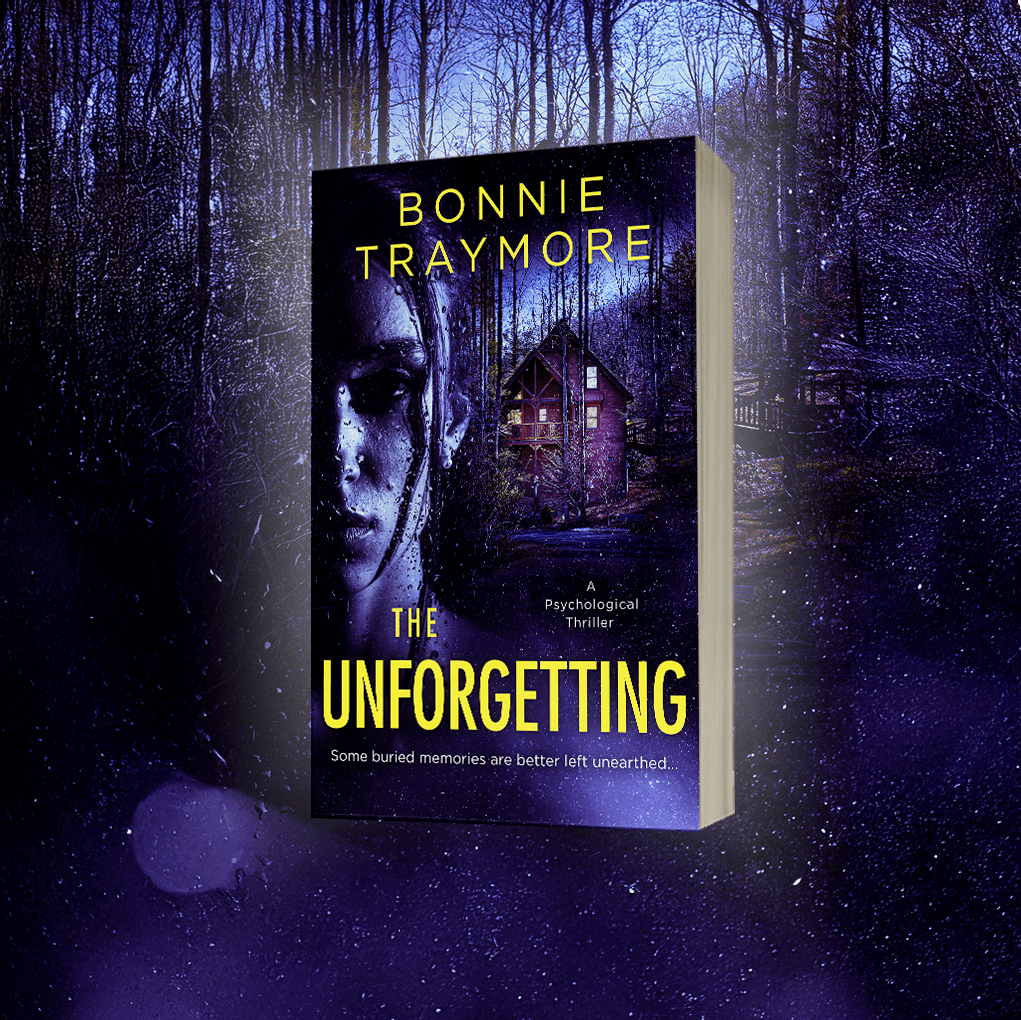
The Unforgetting by Bonnie Traymore

As an Amazon Associate, I earn from qualifying purchases. That means, when you purchase a book using an Amazon link on this site, I earn an affiliate commission. All commission earnings go back into funding my books; editing, cover design, etc.

Bonnie Traymore is the award-winning, Amazon best selling author of page-turner mystery/thrillers that hit close to home. Her books feature strong but relatable female protagonists. The plots explore difficult topics such as jealousy, infidelity, murder, and the impact of psychological disorders, but she also includes bits of romance and humor to lighten the mood from time to time. She’s an active status member of International Thriller Writers and Mystery Writers of America.

Website * Facebook * Twitter * Instagram * Bookbub * Amazon * Goodreads

Some buried secrets are better left unearthed.

The Unforgetting
by Bonnie Traymore
Genre: Psychological Thriller, Suspense

Ten years ago, Reagan’s friend died in a tragic accident.
But what if it wasn’t an accident?

The morning after a raging college graduation party, we found Lanie Martin lying at the bottom of a ravine, her neck snapped in a fatal fall. And I’m not proud of what came next.

Before we called the police, we covered ourselves. Cleaned up from the blow-out at Ella’s cabin in the Adirondacks the night before. Got our stories straight.

Ella begged me not to tell the police what I saw. She insisted that it was an accident—and we all went along. What did I know? I was plastered that night, and large chunks of that evening are missing for me.

But now, in my postpartum state, memories are starting to return, and I can’t help but feel that they might be connected to the soul crushing depression I’ve been experiencing. Is it guilt? Or do I know more than I think I do?

So when I receive Ella’s invitation for a ten-year reunion at her family camp—a gathering of remembrance and healing, she’s calling it—I know I have to go.

Are the memories I’m struggling to recover the key to my moving on? To being able to take care of my infant son and stay married to the perfect man?

Or are they a death sentence for me, too?

“The Unforgetting is a great read filled with tension on every page, stunning twist after twist, and a mind-blowing ending that you’ll never see coming. Highly recommended!” – R.G. Belsky, author of the Clare Carlson series.

“The Unforgetting is a riveting, twisty, slow-burn atmospheric thriller that will delight and disturb, in the best possible ways. Highly recommended.” Douglas Corleone, international bestselling author of Falls to Pieces

Amazon * Bookbub * Goodreads

Would you like a chance to win a $20 Amazon gift card? Follow the tour HERE for special content and a giveaway!

I am happy to be one of many tour hosts sharing information about

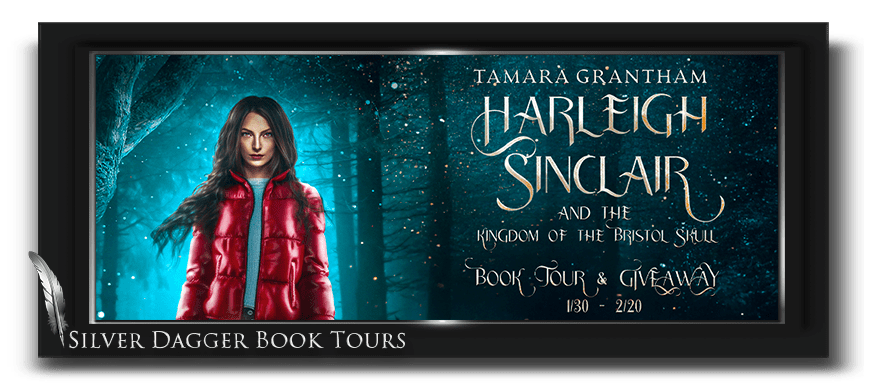
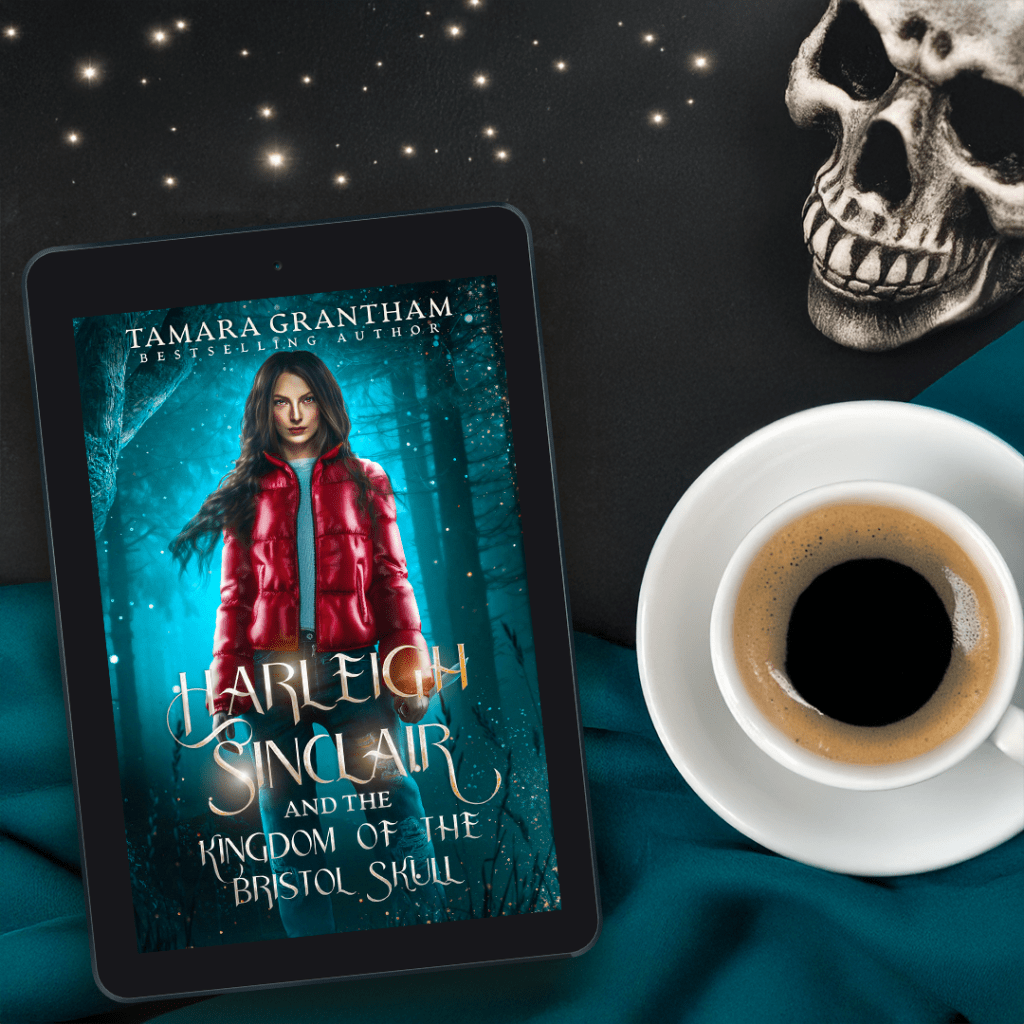
Harleigh Sinclair and the Kingdom of the Bristol Skull by Tamara Grantham

As an Amazon Associate, I earn from qualifying purchases. That means, when you purchase a book using an Amazon link on this site, I earn an affiliate commission. All commission earnings go back into funding my books; editing, cover design, etc.

Tamara Grantham is the award-winning author of more than a dozen books and novellas, including the Olive Kennedy: Fairy World MD series, the Shine novellas, and the Twisted Ever After trilogy. Dreamthief, the first book of her Fairy World MD series, won first place for fantasy in INDIEFAB’S Book of the Year Awards, a RONE award for best New Adult Romance, and is a #1 bestseller on Amazon with over 200 five-star reviews.
Tamara holds a Bachelor’s degree in English from Lamar University. She has been a featured speaker at multiple writing conferences, and she has been a panelist at Comic Con Wizard World speaking on the topic of female leads. For her first published project, she collaborated with New York-Times bestselling author, William Bernhardt, in writing the Shine series.
Born and raised in Texas, Tamara now lives with her husband and five children in Wichita, Kansas. She rarely has any free time, but when the stars align and she gets a moment to relax, she enjoys reading fantasy novels, taking nature walks–which fuel her inspiration for creating fantastical worlds–and watching every Star Wars or Star Trek movie ever made. You can find her online at http://www.TamaraGrantham.com.

Website * Facebook * X * Instagram * Bookbub * Amazon * Goodreads

An Egyptian ankh. An Inuit mask. A Skinwalker’s scythe.
Three Neotact artifacts have been found. Only the shield and sword remain.

Harleigh Sinclair and the Kingdom of the Bristol Skull
The Harleigh Sinclair Series Book 4
by Tamara Grantham
Genre: Urban Fantasy, Adventure

An Egyptian ankh. An Inuit mask. A Skinwalker’s scythe.
Three Neotact artifacts have been found. Only the shield and sword remain.

My name is Harleigh Sinclair. I have a gift to find lost artifacts, though there are some who call it a curse…
When I discover a riddle etched inside a goldstone skull, it may be the clue I need to discover not only the Viking shield, but the famed sword of King Arthur, Excalibur.
After my father was attacked by a Blood Raider over a decade ago, and his sword stolen, my life’s mission has been to find his attacker and bring justice to our family. But before I can find the attacker, I must first discover the original four artifacts before the Blood Raiders obtain them first.
With the aid of the insufferable and dangerously handsome Jagg Ransom, plus my sister and a team of handpicked experts, we follow the riddle’s clues. Our search leads us from a Viking Museum in Norway, to underground crypts in Bristol, England, and finally to a forest haunted by a legendary hellhound. But we’re not alone.
The Blood Raiders have gotten desperate. And they’ve been following us. If we don’t find the shield first, they’ll attain more power than we can comprehend, and not only will we fail, but we’ll be doomed to die at their hands.

Amazon * Bookbub * Goodreads

Don’t miss the rest of the series!
Find them on Amazon!

Would you like a chance to win a $25 Amazon gift card?
Follow the tour HERE for special content and a giveaway!

I am happy to be one of many tour hosts sharing information about

The Role of the Reader in the Writing Process: How Readers Shape Stories

As an author, it’s easy to become absorbed in the craft of writing. We dive into creating worlds, developing characters, and weaving intricate plots, all while keeping our readers in mind. But what happens once a story is complete, bound between covers, or published in digital format? The truth is, a story isn’t fully realized until it reaches its readers. The reader’s interpretation, emotional connection, and engagement with a narrative shape it in ways that go far beyond what the author alone can achieve.

I want to explore the often-overlooked role of the reader in the writing process and how their involvement can transform a story—often in unexpected ways. From the act of reading itself to fan feedback and the influence of book clubs and online communities, readers don’t just consume stories; they shape them.

1. The Act of Reading: Bringing the Story to Life

When an author writes, we craft words to evoke emotions, create vivid images, and build worlds. At least we hope to. But those words are inert on the page until the reader picks them up and interprets them. The act of reading is where the magic happens. A story is not a static object; it becomes a living, breathing experience as each reader brings their own thoughts, feelings, and perspectives to it. Each story, although the words remain the same, will be read differently by each reader.

Imagination and Interpretation: Every reader interprets a story through the lens of their own experiences. The setting, character relationships, and plot twists might carry different significance depending on their background, worldview, and emotions. A reader from one culture may read a character’s actions differently from someone raised in another, and a story’s themes might resonate differently with readers at various stages of life. This subjective interpretation is what breathes life into the narrative.

Take J.K. Rowling’s Harry Potter series. The core elements of the story—friendship, courage, and the battle between good and evil—are universal, but readers around the world relate to the story and characters in vastly different ways. A reader from a small town might identify with Harry’s sense of isolation, while a reader interested in the intricacies of magic might be captivated by the world-building. No two readers will have the exact same experience with the story, and that’s where the real magic lies.

2. Readers as Mirrors: Reflecting Themes and Characters

As an author, one might build a character’s personality, motivations, and conflicts based on your understanding of human nature. However how a reader interprets those characters and themes can evolve and expand upon what was originally envisioned. Readers often act as mirrors to the story, reflecting aspects of the narrative in new and profound ways.

Personal Connections and Emotional Resonance: Readers connect with characters and themes on a personal level, and this connection can influence how the story is perceived. A character’s struggle with identity might resonate more deeply with readers who’ve experienced similar challenges, or a subplot about loss might strike a powerful chord with someone grieving. In many ways, readers co-create the emotional journey of the story, shaping its significance by investing their personal histories into the narrative.

For example, in Khaled Hosseini’s The Kite Runner, the themes of guilt, redemption, and friendship are explored through the protagonist, Amir. While these themes are universal, different readers will engage with the story based on their own experiences of forgiveness or betrayal. The way readers react to Amir’s internal struggle may differ drastically from one reader to the next, yet their collective emotional responses to the book help deepen the narrative’s impact.

3. The Role of Feedback: Reader Reactions and Constructive Criticism

While much of a reader’s role in shaping a story is tied to individual interpretation, feedback—especially positive/helpful constructive criticism—can help an author refine their craft and even influence future works. Writers often seek feedback from beta readers, early reviewers, or even social media comments to gauge how their story is being received. This input can be incredibly valuable, particularly when it comes to pacing, character development, and plot coherence.

The Evolution of a Story Through Feedback: Early feedback can act as a guide to refine or adjust elements of a story before it reaches a broader audience. Sometimes, readers will point out patterns or themes that the author might not have initially noticed, revealing deeper layers to the story. Authors can use this feedback to address blind spots or areas where the reader’s experience could be enhanced. Though the final narrative remains in the hands of the writer, reader reactions play an undeniable role in the process of revision and growth.

Online communities and book clubs are places where readers can openly discuss stories, ask questions, and provide feedback. For instance, the infamous Twilight saga by Stephenie Meyer stirred intense reactions, both positive and negative, from fans. Some readers adored the series, while others criticized the problematic themes. The diversity of feedback from these readers helped shape the discussion around the books, influencing how the series was perceived by the larger public.

4. Fan Engagement: How Readers Shape the Expanded Universe

In the age of digital engagement, readers have become more active participants in a story’s legacy. Beyond reviews and feedback, many readers contribute to the cultural impact of a narrative through fan art, fan fiction, and online discussions. These fan-generated materials can take a story in new directions and add layers to the original narrative.

The Power of Fan Fiction and Theories: In urban fantasy, for example, readers might imagine alternative scenarios or delve deeper into unexplored subplots. The phenomenon of fan fiction can drastically alter how stories are perceived, expanding upon characters and creating alternate universes. Though this often begins as a personal exploration of the world the author has created, it can later influence official narratives, with authors acknowledging and even incorporating reader-driven ideas into future works.

Star Wars is perhaps one of the most well-known examples of how fan engagement can shape a story. While George Lucas originally created the Star Wars universe, the expansive fanbase helped to define much of the lore and created a wealth of additional stories through fan theories, art, and narratives. The inclusion of beloved fan theories in official material, such as characters or backstory elements that gained popularity through online forums, demonstrates the significant role readers can play in crafting and evolving a story’s legacy.

5. The Commercial Impact: Reader Demand and Trends

Reader preferences and market demand also play a large role in shaping the stories that get told. The popularity of particular tropes, themes, or character archetypes often stems from readers’ desires for certain types of stories. These preferences can guide trends in publishing and influence the kinds of books authors choose to write or publishers are willing to support.

How Reader Demand Affects Publishing: In genres like urban fantasy, readers have driven the rise of paranormal romance, supernatural detectives, and complex, morally gray protagonists. As these elements gained traction, more stories aligned with these tropes began to emerge. Authors and publishers are keenly aware of the commercial forces at play, and understanding what readers want helps them shape stories that will resonate with the audience. However, it’s important to note that while reader demand influences trends, it doesn’t mean that authors are bound to follow them. Some of the most successful stories are those that defy expectations, with authors listening to their own creative instincts while still considering what readers may enjoy.

6. The Symbiotic Relationship Between Author and Reader

Ultimately, the writing process is a collaborative one, even though the author holds the pen. While the author sets the stage with characters, plot, and world-building, it is the reader’s experience—shaped by their personal perspectives, engagement, and interactions—that breathes life into the story. Readers don’t just consume stories; they actively engage with them, influencing the way we view our own work and inspiring the creative evolution of future stories.

Mutual Inspiration and Growth: The relationship between an author and their readers is symbiotic. Writers craft stories, but readers help refine, interpret, and define them. Through feedback, online communities, and personal connections to the text, readers shape a story’s legacy, even long after the author has finished writing. And in turn, the evolving nature of reader engagement can inspire new ideas, directions, and projects for future works.

Conclusion: Embracing the Reader’s Influence

As an author, it’s vital to acknowledge the profound role readers play in the writing process. While we may have the final say in what is written, it is the readers who complete the story. They bring it to life with their emotional responses, interpretations, feedback, and engagement. Readers give a story its lasting power, often shaping it in ways that authors may never have anticipated. So, when writing your next novel, remember: you’re not just writing for your readers—you’re writing with them, and they’re shaping the narrative with every turn of the page.

A SMALL REQUEST

Understanding the importance of my readers in my writing process, I would ask you to please review my books. If you’ve read them and found anything within their pages that affected you in a positive way, please share those experiences with me. Let me know if there are characters you want to know more about… who knows, maybe a new novel will come out of your request. That is, after all, how Pursuit (The Blood Angel Series Book 4) came to be. 🙂

Below is a list of my books linked to where you can find them online.


Essentially SWEET Romances by Elysian Hunt

Picture

As an Amazon Associate, I earn from qualifying purchases. That means, when you purchase a book using an Amazon link on this site, I earn an affiliate commission. All commission earnings go back into funding my books; editing, cover design, etc.

Picture

This series is like a box of chocolates, each one has delicious mystery, a sweet romantic filling, essential oils, and its own unique flavor! From the big city of Raleigh, to the big sky of Montana, and all the way to Buffalo, you’ll find laughter, sweet romance, and best of all, dogs!

The Lavender Thief
Essentially Sweet Romance Book 1
by Elysian Hunt
Genre: Sweet Romantic Comedy 

Picture

When Stephanie Pierce got home from a long day with her millionaire boss, nothing could prepare her for finding the apartment’s caretaker dead in the hall or her extreme attraction to the hot detective assigned to protect her and solve the case.

Still, she can’t help but notice that things in her overly organized life are out of place, especially her beloved essential oils.

Was she the real target?

Can she let go of perfection and embrace real life and love? Is there any chance she and her Goldendoodle catch the heart of the detective and survive the thief lurking in the shadows?

This is a laugh out loud, cozy romance, with an amateur sleuth x hot detective, and a heartwarming HEA ending! On a scale of 1 to 10 here is what you’ll find inside…

Spice level: 2 (some sizzling kisses)
Thriller vibe: 4
Cute dog: 10
Clean romance: 10
Essential oil twist: 9

Amazon * Bookbub * Goodreads

Picture
Picture

The Peppermint Villain
Essentially Sweet Romance Book 2 

Picture

Beck Graham is a city girl at heart, but her Montana roots are calling her. But when she arrives, she finds her long lost Gran dead, with a mysterious local legend to blame. Heading back to Raleigh would be the easy thing, but the ranch catches at her heart. Determined to discover the actual killer, Beck finds the one man she can’t seem to attract is the one with the answers she seeks.

Can she survive Montana’s wilderness? Can she prove true Graham blood runs in her veins? Not without the help of a tall, dark, and handsome Navy Seal who knew Gran better than anyone else.

This is a laugh out loud, cozy romance, with an amateur sleuth x hot detective, and a heartwarming HEA ending! On a scale of 1 to 10, here is what you’ll find inside…

Spice level: 2 (some sizzling kisses)
Thriller vibe: 6
Cute dog: 9
Clean romance: 10
Essential oil twist: 7

Amazon * Bookbub * Goodreads

Picture
Picture

The Lemon Gunman
Essentially Sweet Romance Book 3 

Picture

​Wanted for assassination.

I’m the top female sharp-shooter in the US, so it makes sense, I guess. Only I didn’t do it.

Running is my only option in order to figure who framed me, and exactly what happened in that Cincinnati hotel room. But I’m trapped here in the city, incapable of producing an alibi, when all I want is the wide-open fields of Montana. Oh, and Harper Wasden, the Navy Seal who stole my heart the second I laid eyes on him. But he’s off fighting a war somewhere, I’m alone, with only an abandoned Pitbull to keep me from going crazy. When help arrives out of nowhere, saving my neck from the FBI’s clutches, dare I trust it? Not when every heart beat pounds out the name Harper Wasden.

The problem is, it looks like I did it. Even. To. Me.

Amazon * Bookbub * Goodreads

Picture
Picture

The Spearmint Spy
Essentially Sweet Romance Book 4 

Picture


A dark anniversary looms over the most luxurious cruise ship on earth.

Escaping myself in order to survive the date that almost killed me last year is imperative. Daddy’s ship is the perfect place to do it, with no reminders of the past or familiar faces. But finding a body in my car just before boarding is no help at all. Especially since she’s dressed just like me, designer nails and all.

To make things worse, an infuriatingly handsome passenger is determined to ruin the entire trip, and besting him might be the only enjoyment I get. Except all my usual tricks fall flat, and he seems impervious to my seething rebukes.

Finding a gun hidden in my room is the last straw; espionage surrounds me and I haven’t got a clue how to survive it, or the anniversary I’ve never been less prepared for. I’ll need all the brute force my protection dog can dish out, and, I hate to say it, the help of the one man I can’t intimidate.

Amazon * Bookbub * Goodreads

Picture
Picture

The Myrrh Boss
Essentially Sweet Romance Book 5 

Picture


Have you ever been deceived, hoodwinked, snookered?

Well, I have, by a man I once a looked up to and, it chokes me to say it, dated. Turns out he runs the mob in Buffalo, NY, and I was 100% wrong about him. One thing I’m not wrong about is that spurning him equals life over for me. He has eyes everywhere, and the police force is wrapped around his little finger too, which is why I’m also running from fake drug charges.

But when I discover his under-ground dog fighting ring, something deep down and red-headed flares up. One of us is going down, and it won’t be me, I’ve got dogs to save.

A street-wise kid named Cooney hatches the craziest plan. He says the mob’s second in command, Billa, will help me, but isn’t that jumping from the pan into the fire? And a fire he is too. How can I keep from repeating my mistake when Billa is stealing my heart piece by piece? Can a girl from the suburbs take down a mafia boss?

In this sweet but sizzling mafia romance, you’ll laugh out loud all the way to the feel good ending!

Amazon * Bookbub * Goodreads

Picture
Picture
Picture
Picture

Writing across multiple pen names, Elysian Hunt has sold more than 1.4 million books, won multiple awards, and been a best seller many times over. With over 35 novels in print, she enjoys many genres as long as they are fast-paced and engaging.

She never wanted to be a writer, but she couldn’t ever find that one book, the perfect one for her. So, she wrote it, and the rest is history. With fresh story ideas churning and a deep love for sharpening her writing skills, Elysian’s work gets better with time.

There are a few things you can count on with her rom com and cozy mystery books: sweet romance, happily ever after’s, and don’t forget the dogs! Fall in love with vivid characters, intriguing settings, and mysteries that will keep you turning the pages.

Website * Facebook * Bookbub * Amazon * Goodreads

Brewing Up A Bad Boy by Katherine Garbera

Picture

As an Amazon Associate, I earn from qualifying purchases. That means, when you purchase a book using an Amazon link on this site, I earn an affiliate commission. All commission earnings go back into funding my books; editing, cover design, etc.

Picture

A tea shop owner good girl and a reformed microbrewer bad boy reunite in this wonderfully wicked love story.

Sometimes the second sip is sweetest.

Brewing Up a Bad Boy
WiCKed Sisters Book 3
By Katherine Garbera
Genre: Small Town Cozy Romantic Comedy 

Picture

​A tea shop owner good girl and a reformed microbrewer bad boy reunite in this wonderfully wicked love story.

Sometimes the second sip is sweetest.

In the cozy town of Birch Lake, tea shop owner Poppy Kitchener thought she’d left her mistakes, and her failed marriage, in the past. But when her ex-husband, Alistair Miller, turns up—as charming and irritatingly handsome as ever—those old feelings float to the surface. To top it off, he has a puzzling proposition: pretend they’re still married for his cousin’s wedding in exchange for a lucrative business deal with his family.

Easy enough, right? After all, this could be Poppy’s last chance to get closure, grow her business and use Alistair’s knowledge of microbrewing to help her finish that winning recipe for the tea competition.

But even after all this time, he still knows how to make her laugh. And he’s changed in ways that make Poppy wonder about the man he’s become… Can she trust this new Alistair with her heart, or will a second chance brew up disaster?

From showing up to glowing up, the characters in Afterglow Books are on the path to leading their best lives and finding sizzling romance along the way. Don’t miss any of these other fun titles…


Amazon * Apple * B&N * Google * Kobo * Bookbub * Goodreads

Picture
Picture

​It was all well and good that Alistair wanted to help her get a fair deal from his family, but it was also a lot sus. He’d literally never cared about her position in the family before this. Part of why her marriage hadn’t been the love match she’d believed it to be.
Grimacing while he nervously kneaded his own legs, Alistair took his time answering.
Over his shoulder, she noticed Sera and Liberty coming closer to them. The doubts that she’d been struggling to contain were assuaged by their presence. The warmth of that bond and friendship gave her strength.
“If you can’t answer me, then we’re done,” she said. Merle had been right about her needing closure, but she wasn’t getting back on the hamster wheel that had been her life with Alistair.
“I’m trying.”
“Good for you. Try harder. You and I don’t speak the same language.”
He inhaled deeply, making his chest flex, something she noted and tried to ignore. But Alistair had always been a physical guy, working out, and it was hard to ignore how ripped he was. One of the things that had originally drawn her eye to him was his body. He looked like a sexier version of Harry Styles, mixed with Timothée Chalamet, with a little old-school Chris Pine—Princess Diaries era. One look at him, and she’d fallen hard.
“Fine. I am on a leave of absence—”
“You need me to get you back in?” Disappointed in herself for believing for half a second that he might be here for some other reason. Of course it was about pleasing his father and reclaiming his place in the family company.
“No. NO. Let me start over. I don’t want to get back in. I am trying to right past wrongs. I should have read that contract before I told you to sign it. I want you to get what you deserve, not continue being screwed over by Lancaster-Spencer Tea Makers as you have been.”
If what he was saying was true… But how could she trust Alistair again? What did it say about her that she really wanted to? It had taken her five long years to start repairing that damage, and it was only the bond she had with Sera and Liberty that made the healing easier. “That’s nice,” she said.
“If you’re going to be like that, then don’t bother.”
“Like what?” she demanded, feeling her own anger building for the first time. Something she hadn’t allowed since she’d walked out of their flat in Kensington.
“Treating me like I deserve to be treated. If this isn’t the time and you’re not ready to let go of the past, well, I respect that. But my father is going to come for you, and he’s got good corporate solicitors that rarely lose.”
“Tell me something I don’t know,” she said. But his honesty here was appreciated. “How would us pretending to be married help?”
“As my wife, you have some sway on the board. Mum and George will stand with us when we go up against Dad.”
“If I went, when would we leave and return? I can’t just jet off and leave my store,” she said.
“I thought we’d leave on Sunday—”
“In two days?”
He had the grace to look sheepish. “I was afraid if I gave you too much time to think, you’d say no.”
“Legend,” she said sarcastically.
He pushed his hand through his hair and looked down at the table before locking eyes with her. “I get it. I’m an ass, and I treated you poorly. I am sorry. You know that. I’ve apologized. I’m trying to at least get something good for you out of the mess that our marriage was.”
Her heart tugged. She couldn’t resist Ali when he was sincere, which wasn’t as often as she would have liked. But now…when the change in him flashed…
“I accepted your apology in that email. But I didn’t expect… Well I had no idea what it would be like seeing you in person again,” she said.
Damn Ali. At this moment, he embodied all the things she liked about him, owning his mistakes in a way that he’d only done when they were dating. She wouldn’t deny that hearing him say she deserved better than Lancaster-Spencer made her melt a little.
“Me either,” he admitted.
“I need some time to think.” But she already was leaning toward going with him. Did that make her the most pitiful woman on the planet? Luckily, she had “Bad Idea Right?” by Olivia Rodrigo on replay in her head.
Cutting herself a break, she was going to send him on his way. Chances were, she was going to the UK on Sunday for a week, which meant she needed to get more staff in. That didn’t mean that Alistair shouldn’t sweat a little. Things came too easily to him the first time…
“I’ll give you my answer tomorrow,” she said, standing.
Alistair gave her a tight nod and then turned to walk out of the shop.
She had to be careful she wasn’t all hello, love when she should be goodbye, lover. It was a delicate balance, and one only she could weigh and decide on.

Picture
Picture

How To Charm a Nerd
WiCKed Sisters Book 2 

Picture

​She’s kind of a witch. He’s definitely a nerd. And this Halloween they’re letting their geek flags fly in this playful romantic comedy from USA TODAY bestselling author Katherine Garbera.

Dungeons and dragons and nerds, oh my…

The spooky season is almost here, and occultist and tarot reader Liberty Wakefield is already feelin’ it. But ever since her sick nan muttered the name of Liberty’s mysterious biological father, nothing feels normal. Not her friends, her family, nor the quirky shop she runs with her besties. So maybe it’s time for Liberty to track down the father she’s never met. Of course, that means getting a little help from the sexy nerd she’s been not-so-secretly vibing since last summer…

Merle Rutland hasn’t met anyone like the vivacious, bubbly Liberty. Part of him wishes he was more like her—instead of hiding his geekery from his hyper-athletic family. The other part just wants to pull the curvy redhead close, steal a kiss and hope he doesn’t roll a critical fail.

Only, somewhere between Dungeons & Dragons campaigns, pumpkins and a few ridiculously hot sexy-times, Liberty and Merle discover their respective weirds might be a match. Yet as Halloween draws closer, it seems everyone has skeletons in the closet…and nothing spells disaster quite like being haunted by the past…

Amazon * Apple * B&N * Google * Kobo * Bookbub * Goodreads

Picture
Picture

The Bookbinder’s Guide to Love
WiCKed Sisters Book 1 

Picture


A witchy, witty, wickedly sexy romance about love, books, friendship and the unexpected connections that bind us together…

Bookbinding (verb): the art of creating something magical out of fabric, leather and paper.

As a lonely foster kid, Serafina Conte sought refuge in handmaking journals—and writing her wishes within their pages. Now, in the quirky new age store she shares with her two best friends, Sera’s intentions have paid off. Her journals are in the spotlight—and rumored to manifest great things. Whether it’s witchy skills, real magic or not, Sera’s finally ready to be the leading lady of her life story…

Until her plot hits a twist.

After the death of her mentor, Ford Sitwell, all the loneliness and insecurity of her past returns. The only balm is the box of antique books he left to her. But Ford’s suspicious brooding grandson, Wes, is ready to think the worst of her—and get his grandfather’s books back! The first part doesn’t bother her. The second? Forget it. Sera won’t give Wes the books so easily. But it’s clear he’s seeking something more, an emotional connection no book can replace. So she offers a deal—work in her store for six weeks, and in return, she’ll help him get closure by sharing memories of his late grandfather.

Yes, Wes seems grumpy, but actually he’s hot…and maybe kind? Deep down? And when desire and vulnerability work their charms, Sera begins to wonder if the best stories aren’t the ones you intend, but the ones that take you where you least expected…

From showing up to glowing up, these characters are on the path to leading their best lives and finding sizzling romance along the way.

Amazon * Apple * B&N * Google * Kobo * Bookbub * Goodreads

Picture
Picture
Picture
Picture

Katherine Garbera is bestselling author of more than 100 novels which have been translated into over two dozen languages and have sold millions of copies worldwide. A strong believer in happy endings, her love of books led her to her dream career writing novels.  She is the mother of two incredibly creative and snarky grown children, Katherine enjoys champagne, reading, walking, and travels with her husband. A Florida native, Katherine now lives in the UK.


Website * Facebook * X * Instagram * Bookbub * Amazon * Goodreads

Picture

Follow the tour HERE for special content and a giveaway!

The Most Valuable Writing Lessons I’ve Learned Along the Way

As an author who has been writing now for 15 years and has navigated both the gritty, magical streets of urban fantasy and the dark, fractured worlds of dystopian fiction, I’ve picked up countless lessons throughout my writing journey. Some have come from hard-won experience, others from moments of doubt, and still others from the quiet, unexpected flashes of inspiration that seem to come out of nowhere, usually in the shower or during long car rides.

Today, I want to share the most valuable writing lessons I’ve learned along the way. These aren’t just about crafting stories—they’re about the mindset, habits, and perseverance that shape an author’s life.

1. Embrace the Chaos of the First Draft

When I first started writing, I used to agonize over every word in my first drafts. I’d waste hours trying to perfect every sentence, hoping to make it sound just right. But here’s the thing I’ve learned: the first draft is supposed to be messy. In fact, it’s better if it is.

Writing that first draft is about getting the story out of your head and onto the page, without worrying too much about perfection. It’s about momentum. Perfection can come later, during the revision process. When I finally gave myself permission to write without overthinking every word, I found that my creativity flowed much more freely. So, don’t stress over the first draft. Just write it.

2. Characters are the Heart of Your Story

In urban fantasy, where the world is often as complex as the plot itself, and in dystopian novels, where entire societies are upended, it’s easy to get caught up in world-building and intricate plots. But the most important part of any story is the characters. Readers don’t just want to know what’s happening—they want to know how it affects the characters, how they react, and how they grow.

I’ve learned that the more real and complex your characters feel, the more invested your readers will be in the world you’ve created. Whether they’re fighting monsters in a magical city or surviving in a post-apocalyptic wasteland, their journey—emotional, moral, and physical—is what makes readers care. So, I always ask myself: What does this moment mean for my characters?

3. Don’t Be Afraid to Break the Rules

Urban fantasy and dystopian fiction are genres that thrive on bending and breaking traditional rules. Magic is real, societies are crumbling, and the unexpected is always lurking around the corner. Over the years, I’ve realized that writing is a playground, and the rules are there to be tested, twisted, and sometimes shattered.

Whether it’s breaking the rules of storytelling, experimenting with unconventional narrative structures, or taking risks with your plot and characters, innovation often lies in the moments of rebellion. Some of my most exciting and rewarding moments as a writer have come from pushing beyond what I thought was possible. So, embrace the freedom to break the rules and experiment. You might just create something uniquely yours.

4. Write the Story That Only You Can Tell

In the world of fiction, it’s easy to feel the pressure to conform—to write what’s trendy or popular, or to imitate successful authors. I’ve definitely been pulled toward that trap before. But the truth is, the best stories come from your unique perspective. What makes your voice distinct is the way you see the world, your influences, and your experiences.

I’ve learned to lean into my own voice and not shy away from telling the stories that feel the most personal or unusual. When I allowed myself to write the kinds of stories I truly wanted to tell—my writing became more authentic, more exciting, and more fulfilling. Your story is yours to tell, and it will resonate most when it comes from an honest, original place.

5. Perfectionism Will Only Hold You Back

It’s easy to fall into the trap of constantly editing, revising, and doubting every word you write, especially when you’re passionate about your project. I can’t tell you how many times I’ve stared at a paragraph, tweaking and reworking it endlessly. But here’s the hard truth: perfect writing doesn’t exist.

At some point, you have to let go of the fear of imperfection and give yourself permission to finish. This doesn’t mean being careless or writing sloppy prose, but it does mean accepting that no piece of writing will ever be flawless. Perfectionism kills progress—it’ll paralyze you and keep you from finishing what you started. I’ve learned to step away from the manuscript, trusting that revisions will smooth out the rough edges.

6. It’s Okay to Not Have All the Answers Right Away

When I first began writing, I thought that a solid plot needed to be completely figured out before I even started. I tried to outline everything in advance, convinced that the best stories had everything planned out. But what I’ve learned over the years is that sometimes, you don’t have to have all the answers right away.

Especially when writing in genres like urban fantasy or dystopian fiction, there’s room for spontaneity. Your characters will surprise you, and your plot will evolve. Instead of trying to force everything into a predetermined mold, I’ve learned to embrace the unknown and trust that the answers will come as I write. Often, it’s in the act of writing itself that the story reveals what it wants to be.

7. Writing is a Marathon, Not a Sprint

Writing is not about getting to the finish line as quickly as possible. It’s about the process—the journey of creation. As someone who’s worked on multiple novels, I’ve learned that it’s important to pace myself. There are days when the words come easily, and there are days when they don’t come at all. That’s okay.

I’ve had to remind myself that writing is a long game. It takes time, persistence, and patience. There’s no rush. I’ve learned to accept that the process of writing—no matter how slow or messy it seems—is just as important as the finished product. Some days, the best thing I can do is simply sit down and write, even if it’s just a few hundred words or even justa journal entry. The more consistent I am, the further I get.

8. Rejection is Part of the Process

If there’s one lesson I wish I could tell every aspiring writer, it’s that rejection is a part of the journey. It stings, yes. It’s painful to have your work turned away or ignored, but I’ve learned that rejection is not a reflection of your talent or worth as a writer.

Every rejection has taught me something—whether it’s a critique on my writing style or a simple reminder that not every story is the right fit for every reader. The key is to not let rejection stop you from writing. I’ve had my fair share, and each time, I’ve picked myself back up, learned from the experience, and moved forward. Rejection is just a detour, not the end of the road.

9. Trust Your Instincts

There are many voices in the writing world—editors, agents, fellow authors, readers—and they all have their opinions. It’s easy to get overwhelmed by the advice and feedback you receive. Over the years, I’ve learned that the most important voice is your own.

Your instincts, your gut feelings, are there for a reason. If something feels off in your story or your character arc doesn’t resonate, listen to that. It’s easy to second-guess yourself, but I’ve found that trusting my own instincts is often what leads me to my best work. Writing is personal, and only you can truly know what’s right for your story.

Final Thoughts

The writing journey is not an easy one—it’s filled with highs and lows, moments of inspiration and doubt. But through it all, the lessons I’ve learned have made me a better, more resilient author. As I continue to write urban fantasy and dystopian novels, I carry these lessons with me, knowing they’ll help me navigate whatever comes next.

To anyone just starting out, or anyone struggling with their own writing journey: remember that writing is a process. You don’t have to get everything perfect right away, and sometimes, the biggest breakthroughs come when you least expect them. Keep writing, keep learning, and keep believing in your story. It’s worth it.


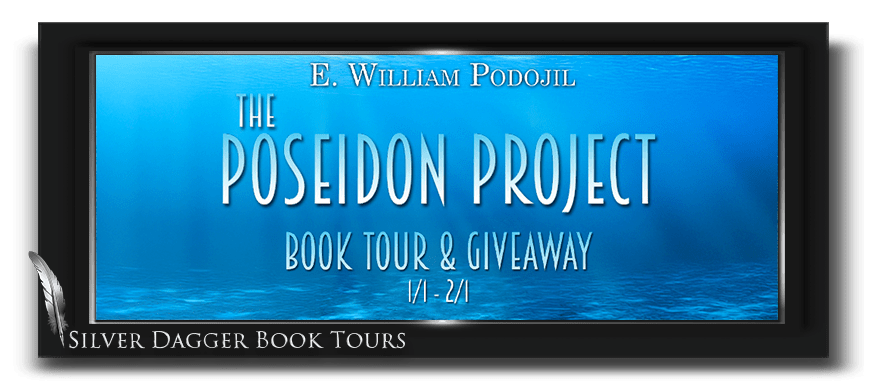
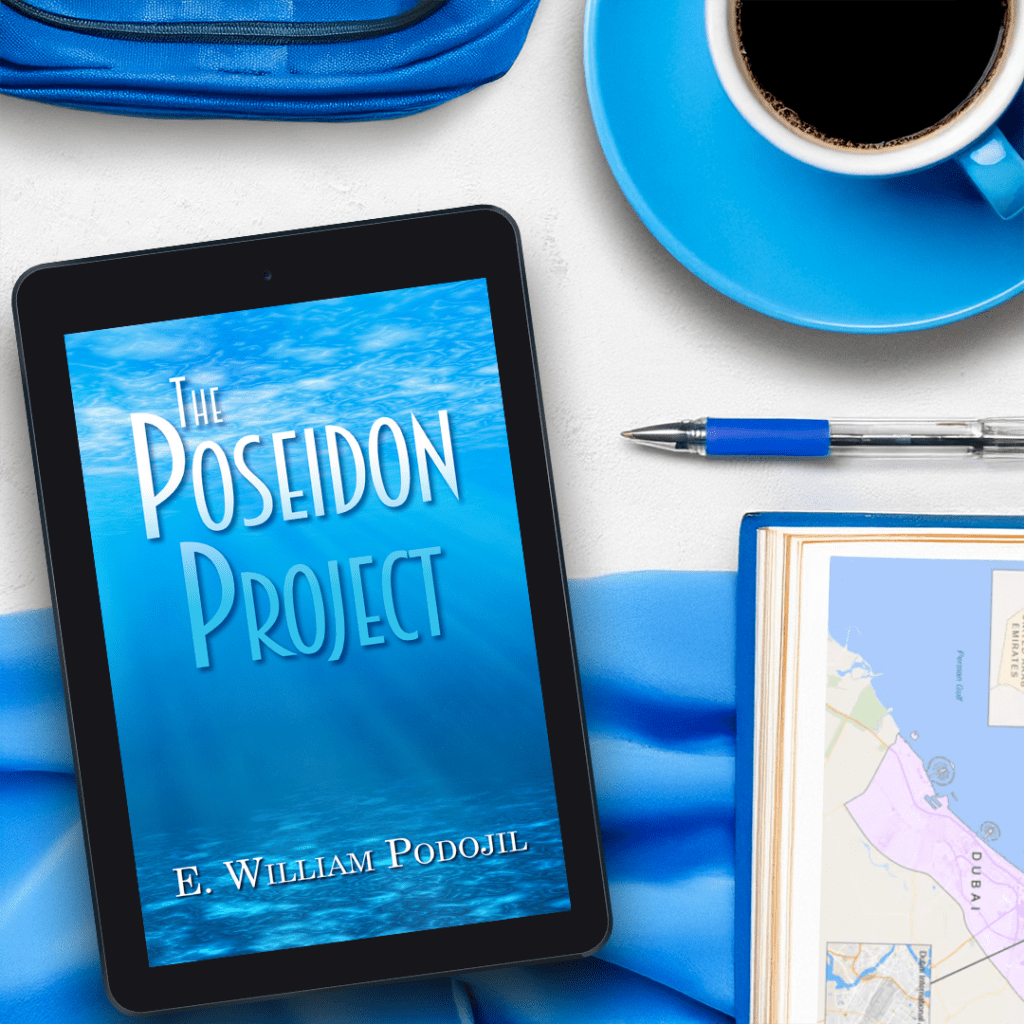
The Poseidon Project by E. William Podojil

As an Amazon Associate, I earn from qualifying purchases. That means, when you purchase a book using an Amazon link on this site, I earn an affiliate commission. All commission earnings go back into funding my books; editing, cover design, etc.

Molly, accompanied by her son and his boyfriend, embarks on a high-stakes mission to rescue her kidnapped husband, unraveling secrets while racing against the clock to prevent a technology from falling into destructive hands.

The Poseidon Project
The Herb Society Mysteries Book 1
by E. William Podojil
Genre: Techno Thriller, Adventure, Romantic Suspense

Molly Halloran and her friends have a secret past.
Their bucolic retirement is suddenly upended when Molly’s husband is abducted and held for a steep ransom. Now she, her friends, her tech executive son, Lukas and his Air Force pilot boyfriend must race against the clock and travel halfway around the world to meet the kidnappers’ demands.
But when they learn why her husband has been abducted, they realize how high the stakes truly are. Molly and her friends now must face their past in order to save the future. But not only their futures; the world’s.

Amazon * Apple * B&N * Google * Kobo * WildRosePress * Bookbub * Goodreads

E. William Podojil is an international business executive and novelist. He has traveled extensively and visited over sixty countries while living in Europe and the United States. Podojil works as an executive business advisor, and strategist while also pursuing his love of storytelling and writing. Podojil’s first novel, The Tenth Man, was published in 2004. His second novel, The Poseidon Project, was be released in August, 2024 by The Wild Rose Press, and is the first in The Herb Society Mysteries, a series of adventure thrillers. His novels and other writing are showcased on his website http://www.ewpodojil.com. Here he also writes a personal blog with humorous stories of his life and travels with his husband and three sons. He and his family currently reside in Northeast Ohio.

Website * Facebook * X * Instagram * Threads * Bluesky * Bookbub * Amazon * Goodreads

Would you like a chance to win a $20 Amazon gift card?
Follow the tour HERE for special content and a giveaway!

What inspired you to write this book?
I am a huge fan of Thrillers, Suspense, Action-Adventure and like to write in that genre. My idea for Poseidon came from a couple of areas. First, the main characters are retired women scientists who are kind of bored in retirement and they have a secret past you’ll learn about in the book. Second, I like stories that have protagonists/heroes who are not stereotypically perfect, strong, fearless and things like that. So I took the four retired women, one woman’s son who is a tech genius but complicated and afraid of getting into a relationship, the man he finally meets and all the family dynamics that go on while the mystery is playing out.

What can we expect from you in the future?
Book 2 is titled Archipelago and involves the same characters and an expansion of the story and mysteries from Book 1. Archipelago is in production and will be released in 2025. Book 3 is the continuation of the storyline and is titled, Chameleon and that should be out in 2026. The storylines are complex, twisted, multi-dimensional with many surprises thrown in.

Can you tell us a little bit about the characters in The Poseidon Project?
Molly Halloran – leader of a 4-friend group called The Herb Society, all retired women, ex-physicists, teachers and a secret mission they shared.
Lukas Halloran – Molly’s son is a technical genius who works in cybersecurity. His father goes missing while on business in Dubai and Molly asks her son to help find out what happened to him.
Taylor Pastore – Jet pilot, ex-Air Force Special Forces agent. He falls for Lukas while piloting Lukas in a private jet.
Tory Pastore – Taylor’s daughter who is grown up and also a pilot with her dad.

Can you, for those who don’t know you already, tell something about yourself and how you became an author?
I have worked in business for most of my career, always in commercial functions like sales and marketing. I lived in Europe for more than a decade and was able to travel around the world. I’d always dreamed of writing a book and finally wrote The Tenth Man and published it in 2004. For the next 20 years I dreamed about my next book (and raised three sons which kept me a bit busy), which is The Poseidon Project, published in 2024.

What is something unique/quirky about you?
I’m organized and like to be on time, which normally drives my family crazy.

What are some of your pet peeves?
Laziness and not doing what was promised.

Where were you born/grew up at?
Born in Ohio, grew up in Connecticut and Ohio, lived 14 years in Amsterdam, The Netherlands and now back in Ohio. It’s been quite a journey.

How to find time to write as a parent?
When my boys were little, I didn’t find the time to write or had no energy. I was working in an executive level job and flying all over the world and probably spent a decade in some state of jet-lag. I gave all my energy to work and family and very little to myself in terms of doing things I loved to do (not a recommended strategy by the way.) After doing everything I wanted to do career-wise and raising my boys to be adults, I finally had the time and space to start writing again.

Describe yourself in 5 words or less!
Creative, Empowering, Resilient, Storyteller, Determined

I am happy to be one of many tour hosts sharing information about