Dystopian fiction has always mirrored society—but lately, it feels uncomfortably close to home. Readers aren’t drawn to dystopian worlds because they’re bleak. They’re drawn to them because they ask hard questions.
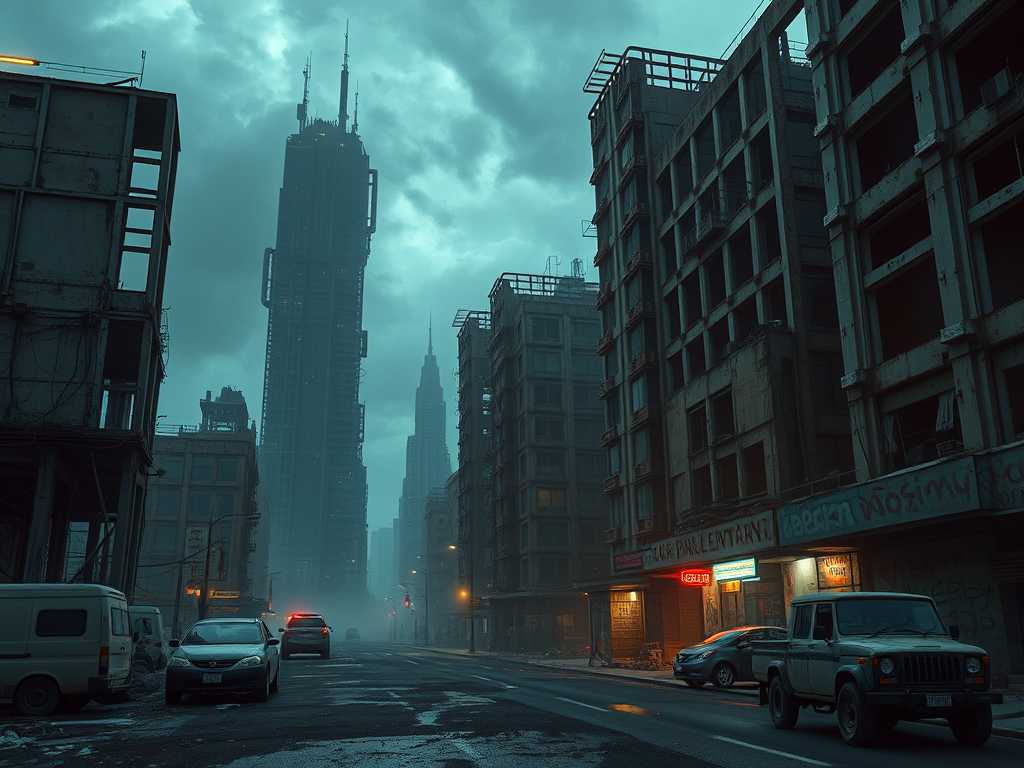
Dystopian stories explore:
CONTROL AND POWER
The Dresden Files — Jim Butcher
- How it explores the theme:
Power is hierarchical and political: the White Council, vampire courts, fae queens. Control is maintained through rules, fear, and tradition. - Why it matters:
Magic doesn’t equal freedom — power always comes with oversight and consequences.
Kate Daniels Series — Ilona Andrews
- How it explores the theme:
Power shifts between magic factions, shapeshifters, necromancers, and ancient beings. - Why it matters:
Control isn’t static — it’s constantly contested, unstable, and violent.
The Iron Druid Chronicles — Kevin Hearne
- How it explores the theme:
Gods, immortals, and magical beings exert power over mortals in subtle and overt ways. - Why it matters:
Power imbalance between the divine and human is a recurring moral tension.
American Gods — Neil Gaiman
- How it explores the theme:
Power comes from belief. Old gods struggle to maintain control in a changing world. - Why it matters:
Control is psychological and cultural, not just physical.
the sector c series — Nina soden
- How it explores the theme:
Society is governed by a council of vampires and shapeshifters. Yet the world, and their power, begin to crumble around them. - Why it matters:
In a world where control is everything, a pebble in the pond can change the world!
TRUTH VS. PRPAGANDA
The Hollows Series — Kim Harrison
- How it explores the theme:
The supernatural community hides behind a carefully controlled public narrative. - Why it matters:
Truth is curated to maintain public order — and fear.
Neverwhere — Neil Gaiman
- How it explores the theme:
London Above actively ignores London Below. - Why it matters:
Reality is shaped by what society chooses not to see.
The Others — Anne Bishop
- How it explores the theme:
Humans believe they control the world, but the truth is far darker. - Why it matters:
The illusion of dominance collapses when the real power is revealed.
Good Omens — Terry Pratchett & Neil Gaiman
- How it explores the theme:
Prophecy is misinterpreted, manipulated, and selectively believed. - Why it matters:
Even divine truth can be distorted by bias and expectation.
The Blood Angel Series — NINA SODEN
- How it explores the theme:
Humans are blind to the reality that the world they live in is far from the world they believe to be truth. - Why it matters:
Perception is reality, even when it was not intended.
SURVIVAL UNDER PRESSURE
Mercy Thompson Series — Patricia Briggs
- How it explores the theme:
Mercy survives in a world dominated by supernatural power structures. - Why it matters:
Survival isn’t about strength — it’s about adaptability.
October Daye Series — Seanan McGuire
- How it explores the theme:
Faerie politics are lethal, and survival often requires sacrifice. - Why it matters:
The cost of survival is emotional as well as physical.
The Mortal Instruments — Cassandra Clare
- How it explores the theme:
Teen characters face life-or-death stakes while navigating rigid magical law. - Why it matters:
Survival requires questioning authority — not obeying it.
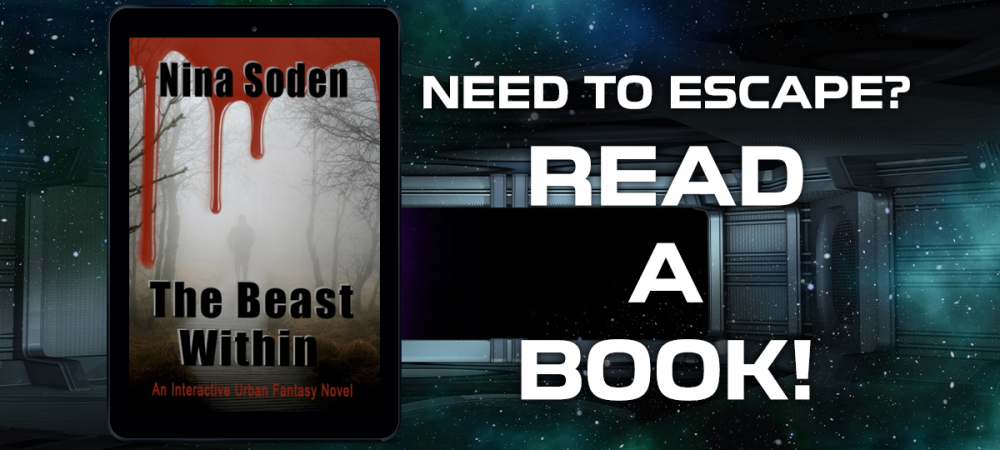
The Beast within — Nina Soden
- How it explores the theme:
Characters face unusual situations forcing them to make tough decisions under extreme pressure. - Why it matters:
Survival by following the natural, or unnatural, instincts within ourselves.
The Magicians — Lev Grossman
- How it explores the theme:
Magic doesn’t protect characters from trauma or failure. - Why it matters:
Survival includes enduring disappointment and disillusionment.
WHAT IT MEANS TO BE HUMAN
The Others — Anne Bishop
- How it explores the theme:
Humanity is examined from an outside perspective. - Why it matters:
Being human isn’t about dominance — it’s about empathy.
The Sandman — Neil Gaiman
- How it explores the theme:
Mortality, dreams, and meaning define humanity. - Why it matters:
Human fragility is portrayed as a strength, not a weakness.
Rivers of London — Ben Aaronovitch
- How it explores the theme:
A rational protagonist navigates an irrational world. - Why it matters:
Humanity lies in curiosity, ethics, and restraint.
The Golem and the Jinni — Helene Wecker
- How it explores the theme:
Two non-human beings explore identity, freedom, and belonging. - Why it matters:
Humanity is defined by choice, not origin.
These stories allow readers to safely examine fear, resistance, and resilience.
In dystopian fiction, ordinary people become heroes not because they’re powerful—but because they refuse to stop caring.
That’s why dystopian stories will always endure!
Comment below and tell me what your favorite dystopian books are. I’d love to add them to my TO-READ list!




 Nina Soden