When Sparks Fly by Libby Kay

As an Amazon Associate, I earn from qualifying purchases. That means, when you purchase a book using an Amazon link on this site, I earn an affiliate commission. All commission earnings go back into funding my books; editing, cover design, etc.

Libby Kay lives in the city in the heart of the Midwest with her husband. When she’s not writing, Libby loves reading romance novels of any kind. Stories of people falling in love nourish her soul. Contemporary or Regency, sweet or hot, as long as there is a happily ever after—she’s in love!
When not surrounded by books, Libby can be found baking in her kitchen, binging true crime shows, or on the road with her husband, traveling as far as their bank account will allow.
Libby cohosts the Romance Roundup podcast with Liz Donatelli where they recommend romance books and interview authors, influencers, and publishers. Check it out for your weekly dose of romance!

Website * Facebook * Instagram * Bookbub * Amazon * Goodreads

Romance is in the air with this amazing new series by best-selling author Libby Kay. Pinegrove has it all, sexy firemen, town busybodies, and tons of charm! When these sparks fly, a happily ever after is in the cards!

When Sparks Fly
A Pinegrove FD Novel Book 1
by Libby Kay
Genre: Contemporary Small-Town Romance

Two broken hearts, one charming small town, and a few sparks may be the recipe for love…
Whitney Kerr is at a crossroads—literally. After jumping behind the wheel to flee Savannah, and a bad breakup, this Southern Belle is in search of a fresh start. Stopping in a charming smalltown seems like the perfect place to catch her breath and find herself. It’s too bad a certain fireman with a crooked grin and kind eyes could have her plans of self-discovery going up in a puff of smoke.

Trevor Mays is at a crossroads—figuratively. Still grieving the loss of his father, he was unceremoniously dumped by his fiancée, who quickly rebounded with his work rival. Just as he thinks things can’t get worse, he loses the captain’s promotion—to the man who stole his ex. He’s about to give up on ever smiling again when a curly-haired beauty with curves for days stumbles into his hometown.

With some help from the residents of Pinegrove, this pair will discover that much like the perfect fireworks show, love only needs a spark.

Fans of Sherryl Woods’ Sweet Magnolias series and Sarah Adams’s When in Rome series will fall in love with Libby Kay’s sweet fireman romance. Ms. Kay’s engaging stories fill your heart and head with possibilities and will quickly become your new favorite!

Amazon * Apple * B&N * Kobo * Bookbub * Goodreads

Would you like a chance to win a $10 Amazon gift card? Follow the reveal HERE for special content and a giveaway!

I am happy to be one of many tour hosts sharing information about

Dragons, Mermaids, Elves… and Kitsune?

As an Amazon Associate, I earn from qualifying purchases. That means, when you purchase a book using an Amazon link on this site, I earn an affiliate commission. All commission earnings go back into funding my books; editing, cover design, etc.

What if the key to saving the world lies in the one creature everyone learned to fear?

Dragons, Mermaids, Elves… and Kitsune?
Keeper of Dragons: Aprella Academy Book 1

by J.A. Culican
Genre: YA Fantasy, Ranobe

What if the key to saving the world lies in the one creature everyone learned to fear?
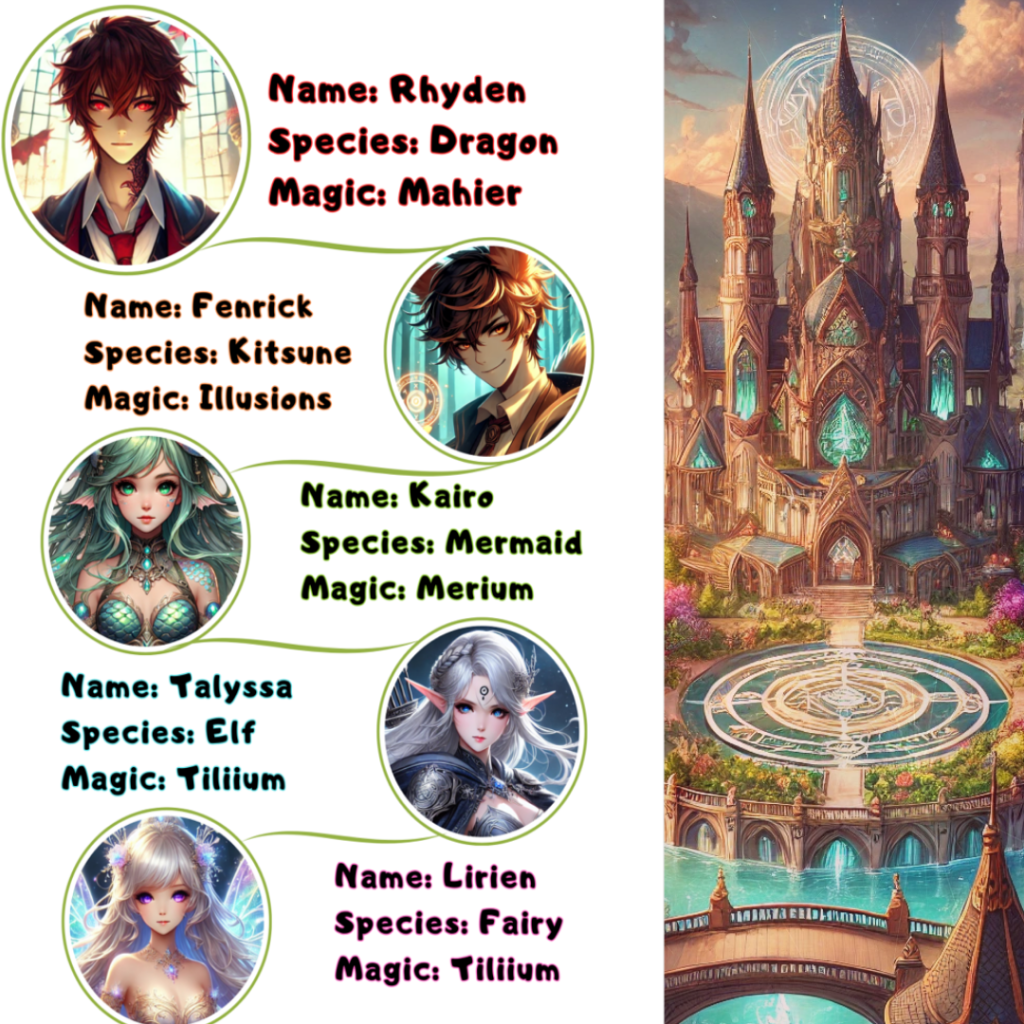
Rhyden was supposed to stay hidden in Ochana, the floating realm of dragons—isolated ever since Prince Jago’s mysterious death. But with an unshakable sense of duty, he defies his people’s decree and enrolls at Aprella Academy, a legendary school where mermaids, elves, fairies, and kitsune shape the world’s magic.

Arriving as the first dragon on campus in a century, Rhyden becomes an instant sensation—and not everyone is thrilled about it. Whispers circulate that the wards protecting the academy are failing. A priceless artifact has been stolen, dark forces lurk in hidden corridors, and rumors blame the sudden “dragon presence” for the danger creeping past the gates.
Teaming up with a ragtag circle of new friends—Kairo the mermaid warrior torn between land and sea, Fenrick the kitsune trickster hiding unexpected insecurities, Talyssa the elf struggling to atone for her people’s past, and Lirien the quiet fairy sensing a looming evil—Rhyden races to unmask the culprit. Yet ominous illusions and shocking betrayals await at every turn, threatening to shatter the fragile trust he’s begun to build.

When Rhyden’s draconic power finally awakens, it’s as explosive as the secrets that forced dragons into hiding long ago. Determined to reclaim the dragon legacy and protect a world that once shunned his kind, he soon learns that defeating hidden enemies may require forging alliances beyond imagination—and confronting a darkness older than the academy itself.

Dive into a ranobe-inspired tale of epic magic, unlikely friendships, and one dragon shifter trying to light the path forward in a realm built on shadows. Will Rhyden spark a new era for dragons—or remind the world why they vanished in the first place?
Perfect for fans of magical academies, secret conspiracies, and unstoppable teamwork, Keeper of Dragons: Aprella Academy is your next addictive fantasy read.

Amazon * Apple * B&N * Kobo * Smashwords * Books2Read * Bookbub * Goodreads

J.A. Culican is a USA Today Bestselling author of the middle grade fantasy series Keeper of Dragons. Her first novel in the fictional series catapulted a trajectory of titles and awards, including top selling author on the USA Today bestsellers list and Amazon, and a rightfully earned spot as an international best seller. Additional accolades include Best Fantasy Book of 2016, Runner-up in Reality Bites Book Awards, and 1st place for Best Coming of Age Book from the Indie book Awards.

J.A. Culican holds a Master’s degree in Special Education from Niagara University, in which she has been teaching special education for over 13 years. She is also the president of the autism awareness non-profit Puzzle Peace United. J.A. Culican resides in Southern New Jersey with her husband and four young children.

Website * Facebook * Instagram * Bookbub * Amazon * Goodreads

Would you like a chance to win a $10 Amazon gift card?
Follow the tour HERE for special content and a giveaway!

I am happy to be one of many tour hosts sharing information about

Why Urban Fantasy Thrives in the Modern World

Urban fantasy, a genre that blends supernatural elements with modern-day settings, has exploded in popularity in recent years. From the bustling streets of New York City to the quiet corners of small towns, urban fantasy brings fantastical creatures, magic, and myth into our own world. It offers a tantalizing contrast—where ordinary people navigate extraordinary situations, and the supernatural lurks just beneath the surface of everyday life. But why does urban fantasy resonate so deeply with modern readers, and what is it about our contemporary world that makes it such an ideal backdrop for these otherworldly elements?

Let’s explore why urban fantasy thrives in today’s world, how the genre reflects our collective consciousness, and why its blend of magic and modern continues to captivate readers.

1. The Appeal of the Familiar with the Fantastic

One of the primary reasons urban fantasy is so compelling is its ability to take readers out of the ordinary and transport them into a world where magic exists alongside the familiar. In a genre where the supernatural exists right next to the mundane, readers are able to see their own world transformed. Magic doesn’t exist in a distant fantasy realm—it’s something that could be lurking down the street, hidden in plain sight.

Familiar Settings: Urban fantasy often takes place in cities or towns that readers recognize. The locations are not distant, unknown realms, but places readers know and love. Places they may have even visited. This proximity creates a sense of immersion, where the magical and the mundane feel like they could coexist just around the corner. Imagine a tough, world-weary detective solving magical crimes in downtown Chicago, or a young woman discovering her supernatural abilities while navigating a high school in an ordinary suburb—these modern settings make the fantastical elements feel real and plausible.

By using everyday backdrops, urban fantasy allows readers to fantasize about how their lives might intersect with the extraordinary. For example, what if the coffee shop you walk into every morning is run by a witch, or a local library contains portals to other worlds? The idea that magic could be hidden just beneath the surface of the world we know is both intriguing and comforting, offering a sense of wonder while still feeling grounded.

2. The Intersection of Modern Problems and Supernatural Solutions

Urban fantasy thrives because it mirrors modern society’s complex issues while offering a supernatural lens through which to view them. The genre provides a platform for addressing everything from social justice and inequality to personal identity and moral dilemmas—all within the context of a magical world. Supernatural elements in urban fantasy often symbolize real-world problems, allowing for a unique exploration of contemporary themes.

Reflection of Modern Struggles: Characters in urban fantasy are often flawed, complex individuals who wrestle with personal challenges, such as addiction, mental health, self-doubt, or identity. Magic isn’t a cure-all—it complicates their lives in ways that feel both fresh and relatable. For example, a character might struggle with control over their magical abilities, mirroring the internal struggles many people face in the real world. Or perhaps a hidden magical society deals with discrimination or power struggles, echoing themes of social inequality.

In many urban fantasy novels, the protagonist is someone who feels disconnected from the world around them—someone who doesn’t quite fit in, only to discover their connection to a larger, hidden magical community. This journey of self-discovery resonates with readers, as many of us often feel as though there is something more to our lives, waiting just beneath the surface.

Urban fantasy also offers fresh takes on familiar problems. For example, a werewolf struggling with their transformation might symbolize someone struggling with a personal issue, such as anger management or a relationship with their family. A vampire navigating the complexities of immortality could be a metaphor for modern concerns about aging or the search for purpose. By blending the supernatural with contemporary struggles, urban fantasy allows readers to explore complex issues in an engaging, imaginative way.

3. Magic as Metaphor in a Changing World

Another key reason urban fantasy flourishes today is its ability to use magic as a metaphor for larger societal and cultural changes. The modern world is filled with uncertainty and rapid transformation, and urban fantasy reflects this by exploring how the introduction of magical elements could change how people live, think, and relate to each other. Magic can serve as a powerful metaphor for many aspects of the human experience—desire, power, control, and transformation.

Transformation and Empowerment: Urban fantasy often features protagonists who undergo significant personal transformations, both magical and emotional. For example, a character may unlock their latent magical abilities, gaining power and control over their life. This can symbolize personal growth, empowerment, and the ability to overcome obstacles, which speaks directly to readers who are navigating their own life challenges. In a world that’s rapidly changing and sometimes feels beyond our control, the idea that one could find hidden powers or unlock their potential is deeply appealing.

Moreover, urban fantasy offers a unique perspective on power dynamics. Often, the supernatural beings in these stories—vampires, witches, shifters—live in parallel with human society, creating a kind of dual hierarchy. These alternate societies can serve as an allegory for real-world power struggles, showing how marginalized groups fight for recognition and control, or how different groups struggle to maintain power in a world that is constantly changing.

4. The Blurring of Fantasy and Reality in a Digital Age

Today’s readers are accustomed to blending the digital and physical realms. Technology allows us to access vast amounts of information, stay connected with others, and even step into virtual worlds—all within the span of a single day. This digital landscape makes it easier for readers to accept the blending of the supernatural with the everyday in urban fantasy.

The Magic of Technology: Urban fantasy often takes advantage of modern technology, incorporating it seamlessly into the magical world. A spell might be cast via smartphone or a magical app that connects witches with their covens. Magic could even be manipulated through futuristic technology, creating a techno-magic hybrid that blends both realms. This overlap feels natural in an age where technology is changing the way we experience and interact with the world around us.

Moreover, the internet and social media provide an instant platform for urban fantasy stories to flourish. Fans can share ideas, create fan fiction, or build communities around their favorite magical worlds. This digital connection fuels the genre’s growth, making it even more ingrained in the modern world.

Escapism with Real-World Connection: In the chaotic, fast-paced world we live in, urban fantasy offers an escape while still holding a mirror to our reality. While the magical elements provide an imaginative escape, the problems and challenges the characters face are often all too real. Whether it’s dealing with a difficult boss, struggling to balance work and relationships, or facing a moral dilemma, urban fantasy allows readers to engage with these everyday issues through a fantastical lens, making the escapism feel meaningful and relatable.

5. The Enduring Appeal of the Supernatural

Finally, the supernatural continues to captivate us because, in many ways, it offers a connection to something larger than ourselves. Magic, monsters, and myth allow us to explore aspects of the unknown, and to wonder about possibilities beyond the visible world. In urban fantasy, the supernatural is often hidden just beneath the surface, reminding readers that magic could be real if only we knew where to look.

The modern world, with all its complexity, often leaves us longing for something more—a sense of mystery, wonder, and adventure. Urban fantasy fulfills this longing by weaving the supernatural into the everyday, creating a space where magic is not an escape from the world, but an enhancement of it.

Conclusion: Why Urban Fantasy Continues to Captivate Readers

Urban fantasy thrives in the modern world because it taps into our desire for wonder, self-discovery, and connection. It takes the familiar and turns it on its head, allowing us to imagine a world where magic exists just out of view, where the boundaries between the ordinary and extraordinary blur. By blending supernatural elements with real-world struggles, urban fantasy offers both escapism and reflection, presenting a unique lens through which to understand our rapidly changing society.

In a world where magic is rarely tangible, urban fantasy invites readers to believe that, just maybe, there is a little bit of magic hidden in the world around us, waiting to be uncovered. Whether it’s exploring hidden communities, fighting for justice in a world of shadows, or simply enjoying the thrill of discovering magic where you least expect it, urban fantasy remains a genre that resonates with readers of all ages—and shows no sign of fading anytime soon. Which, as an urban fantasy author, I am truly grateful for.


The Writing Process for Aspiring Urban Fantasy and Dystopian Authors

Starting your journey as a writer, especially in the genres of urban fantasy and dystopian fiction, can feel daunting. The world of speculative fiction is vast and intricate, but with the right tools and mindset, you can navigate the writing process and find your unique voice. Here, I’ll break down how I approach writing my novels and offer advice to help you create immersive worlds and compelling narratives.

1. The Seed of an Idea: World-Building

In urban fantasy and dystopian novels, world-building is at the heart of the story. You’re crafting more than just a plot; you’re designing an entire universe that feels rich and believable. At least, that is the goal. Here’s how I approach it:

Urban Fantasy:

In urban fantasy, the world you create often coexists with our own. It’s an alternate version of reality where magic, mythical creatures, or supernatural elements blend seamlessly with modern society. When I begin, I think about the following:

  • What is hidden beneath the surface? Perhaps a secret society of witches exists in the heart of a bustling city or small town, or supernatural beings roam the streets undetected by the humans they interact with. Consider how these elements influence daily life—how does the magical world interact with, or hide from, the mundane world?
  • Setting details matter. You don’t need to describe every brick of a city, but small, evocative details—like a shadowy alley, an underground speakeasy, or a half-lit park—can make your world feel alive. Think about how things look, smell, sound, and feel…

Dystopian Fiction:

Dystopia often presents a future world that has collapsed or become a grim version of what we know. When crafting your dystopian world, ask yourself:

  • What went wrong? What event, ideology, or technology changed the course of human history? It could be climate change, a totalitarian regime, a technological collapse, a medical epidemic, or something else entirely. How does this history affect the everyday lives of your characters?
  • What’s at stake? In dystopian worlds, there’s always something at risk—freedom, survival, or the future itself. The rules of your world should be clearly defined, whether it’s rigid class structures, environmental decay, or the technological surveillance state.
  • Sensory detail is key. In a world on the brink of collapse, smells, sounds, and visuals can intensify the atmosphere—whether it’s the acrid scent of pollution or the eerie silence of a deserted city.

2. Developing Characters: The Heart of the Story

Characters in urban fantasy and dystopian fiction, like in most novels, are not just participants in a story—they’re shaped by the world around them. However, in these genres, I believe characters should also be a reflection of the world they inhabit.

  • The Reluctant Hero. Urban fantasy protagonists often start as ordinary people who are thrust into extraordinary circumstances. The appeal of this character type is that they’re accessible and relatable. They may be confused, overwhelmed, or even cynical about the magical world they are now part of. Developing this character arc, as they grow into their role, provides a satisfying emotional journey for the reader. Alee Moyer, from Awaken (Book 1 in the Blood Angel Series) is a perfect example of this.
  • Flaws and Strengths. In dystopian fiction, characters often face immense challenges. They might rebel against oppressive systems, survive in a harsh world, or try to reclaim something lost. These characters need both deep flaws and strengths. A rebellious protagonist might be stubborn and impulsive, while someone seeking justice might struggle with a sense of hopelessness. These internal conflicts are key to their development and drive the narrative forward. Check out my SECTOR C series!
  • Secondary Characters. Supporting characters, from sidekicks to antagonists, should be just as well-defined. In urban fantasy, these characters might be creatures like vampires or werewolves, or they could be humans caught in the crossfire. In dystopian settings, secondary characters often represent different factions or ideologies. Their relationships with the protagonist—whether they’re allies, enemies, or something in between—will create rich conflict and tension.

3. Plotting and Structure: The Backbone of the Story

Both urban fantasy and dystopian fiction thrive on strong plots that weave together personal struggles with broader societal issues. However, you don’t always have to follow a traditional narrative structure.

  • Outline or No Outline? Some writers swear by detailed outlines, while others dive in and discover the story as they go. For me, a hybrid approach works best. I like to have a rough outline of the major plot points—key events, character arcs, and climaxes—while leaving room for spontaneity and surprises along the way. This balance lets me maintain a sense of direction while still allowing creativity to flow. If you need help with this part of the process, check out So You Want To Write A Book and Just Write. I use both of these tools on a regular basis, especially when I am starting a new story.
  • Pacing is Essential. In urban fantasy, the plot often moves quickly, with twists, action scenes, and moments of discovery. But the key is to maintain tension while giving the reader enough time to absorb the world and connect with the characters. In dystopian fiction, pacing can be slower, building tension as the protagonist uncovers dark truths about the society they live in. But don’t let it drag—interspersing moments of action, tension, and discovery helps keep the reader engaged.
  • The Theme of Resistance. A central theme in both urban fantasy and dystopian novels is resistance—whether it’s resisting a villainous force, oppressive government, or internal fears. The plot should be a vehicle for exploring this resistance, with plenty of obstacles and challenges that force the protagonist to grow, adapt, and change.

4. Finding Your Voice: The Art of Writing

As a writer, developing a unique voice is crucial to standing out in any genre. For me, voice is the combination of writing style, character perspective, and tone. Urban fantasy tends to be fast-paced, sometimes humorous, while dystopian fiction often has a darker, more reflective tone. Here are some tips for finding your own voice:

  • Experiment with Perspectives. First-person narration can create intimacy, allowing the reader to experience the world through the protagonist’s eyes. Third-person omniscient narration allows you to zoom out and show multiple perspectives. Each has its strengths—experiment to find what works best for your story.
  • Play with Tone. Urban fantasy often combines action and humor, while dystopian fiction tends to be darker and more introspective. However, don’t be afraid to mix tones. A lighthearted moment in the midst of a dark world can make the contrast even more powerful.
  • Show, Don’t Tell. This age-old advice is especially true in speculative genres. The world you’re building and the emotions your characters experience should be conveyed through action and sensory detail, not just exposition. Instead of saying, “The city was full of magic,” show it through a character’s interaction with a magical object or an encounter with a supernatural creature.

5. Editing and Revision: Polishing Your World

The first draft is just that… the first draft… the beginning. Once you’ve completed your manuscript, the real work begins. Editing is a chance to refine your world-building, deepen character arcs, and tighten your plot. For urban fantasy and dystopian fiction, this often means ensuring that the world feels cohesive and that the internal logic makes sense.

  • Consistency is Key. Urban fantasy can be tricky because it blends the real and the magical. Ensure the rules of magic or supernatural elements remain consistent throughout. In dystopian fiction, the society you’ve built needs to follow its own logic—if a government controls everything, show us how, and if the environment is collapsing, make sure the signs of decay are present at every turn.
  • Pacing and Tension. Pay attention to pacing during revisions. If a scene feels slow or unnecessary, cut it. If a moment feels rushed, slow down and give the reader time to process what’s happening.

6. Staying Motivated: Overcoming Writer’s Block

Writing can be a long and sometimes lonely process. There will be days… weeks… and sometimes months when you’re not feeling inspired, or when the words don’t come as easily as you’d like. I’ve been there, too. I think every writer has from time to time. Here are a few tips to keep pushing forward:

  • Set Small Goals. Break your writing into manageable chunks. Write a set word count each day or aim to finish a chapter. This keeps you motivated and helps build momentum. If you can’t write every day, that is ok too. Just set yourself a schedule and plan to write when you say you’re going to write.
  • Take Breaks. Sometimes stepping away from your manuscript allows your brain to make connections you might have missed. Go for a walk, read a book, take a bath, or do something else creative to reset your mind.
  • Find Your Writing Community. Whether it’s online or in person, surrounding yourself with other writers can provide support, feedback, and encouragement.

Writing urban fantasy and dystopian fiction requires a unique mix of creativity, structure, and persistence. But above all, it’s about immersing yourself and your readers in a world that feels as real and urgent as our own. Start small, take risks, and most importantly, have fun and keep writing—your world is waiting to be discovered.


The Always and Forever Trilogy by Vera Bell

As an Amazon Associate, I earn from qualifying purchases. That means, when you purchase a book using an Amazon link on this site, I earn an affiliate commission. All commission earnings go back into funding my books; editing, cover design, etc.

Vera Bell is a Georgia Author of the Year nominee and the award-winning author of the “Always and Forever” trilogy, set in sixteenth-century Ireland and present-day United States. Book One, “Through the Veneer of Time,” is her debut novel. She wrote it after trying past life regression and finding herself immersed in a world so captivating, she couldn’t let it go. A former commercial artist, she lives in Atlanta with her husband, two teenagers, and one fur baby. Her favorite place to write is on her porch, overlooking a pond lined with river birches and magnolias. The topics she never tires of are bygone eras, our universal human condition, and love that transcends time and space.

Want to be in the know? Join Vera’s private mailing list to get first dibs on cover reveals, sneak peeks, new releases, free giveaways, and much more at https://www.verabellauthor.com.

Website * Facebook * Instagram * TikTok * Bookbub * Amazon * Goodreads

CLICK HERE FOR A FREE GIFT

Step into 16th-century Ireland and present-day United States when you open the pages of The Always and Forever Trilogy by Vera Bell.

Through the Veneer of Time
Always and Forever Book 1

For fans of Diana Gabaldon and Susanna Kearsley comes a riveting new tale of time travel and romantic suspense: A haunted painter’s past life visions are not the creative inspiration they seemed. They’re a harbinger of her ancient revenge vow, and her FBI husband won’t find the serial killer until she fulfills it. But it may already be too late.
1559, ULSTER, IRELAND. When a young noblewoman Neave McConway weds the newly elected King of Tyrone, Aedan O’Neal, the couple’s rare union of love and passion becomes the talk of the region. But Aedan’s bold rule and fierce defiance of the English crown threaten his powerful enemies, and they’ll stop at nothing to crush his growing influence. After Aedan rides off to fight against the English occupiers, Neave suffers a shocking attack that will forever alter both their lives — as well as the lives they have not yet lived.

2009, WASHINGTON, D.C. While mural artist Siena Forte battles a creative block, her FBI husband Ryan Casey struggles with a serial killer case. When research leads Siena to the practice of Past Life Regression, she stumbles upon irresistible inspiration. But after her art exposes her to a vicious ancient adversary, she discovers the true reason for her past life visions. They’re a harbinger of her centuries-old revenge vow, and the serial killer can’t be stopped until she fulfills it. But there is another person from the past with unfinished business—her husband.

Will Siena and Ryan settle their long-overdue score, or will the past repeat itself in a chilling parallel?

If you love time travel romance with elements of reincarnation, suspense, mystery, fantasy, and a touch of magic, don’t miss this thrilling read!

“A true masterpiece. It is a book that once read is impossible to forget.”
— Highly Recommended Award of Excellence from The Historical Fiction Company

“The intricate and creative plot is one you will not want to miss. Anxiously awaiting book two.”
— Five Star Review from Reader Views

“Vera Bell’s novel successfully combines historical fiction, romance, and a contemporary thriller. “
— Historical Novel Society

“Past and present lives collide in Vera Bell’s hauntingly beautiful debut. A sexy, sensuous tale.”
— Julie McElwain, national award-winning journalist and author of A Murder in Time

“Bell mixes romance, mystery, and history to take the reader on an adventure across centuries.”
— BookLife Prize by Publishers Weekly

“Against the backdrop of love, hate, and a killer’s threat lies the attraction of a thriller’s fast pace and heated twists.”
— D. Donovan, Senior Reviewer, Midwest Book Review

Amazon * Bookbub * Goodreads


Into the Lure of Time
Always and Forever Book 2

In this gripping sequel to the award-winning novel, Through the Veneer of Time, echoes of Siena’s past life lure her into a shocking indiscretion that threatens to destroy her marriage. She alone can undo the damage, but this chilling revelation is only the beginning of her battle.

1564, ULSTER, IRELAND. After Aedan’s diplomatic visit to Queen Elizabeth’s court results in his compulsory divorce and arranged marriage, Neave’s violent unraveling drives her into another man’s arms. But in seeking revenge, Neave falls into a perfect trap set by Aedan’s enemy. By the time she learns the truth, it’s too late to undo the damage to Aedan, herself, and the hard-won peace in Ulster. When despair makes her reckless, the price will be a lifetime of infamy, confinement, and isolation from what Neave treasures most—Aedan and her son.

2011, WASHINGTON D.C./DALLAS, TX. It seems like a reasonable plan—Siena finishing her final mural in D.C. while Ryan starts his new job in Dallas. But when Siena meets Ryan’s new FBI partner, an inexplicable fit of jealousy sends her on a downward spiral. To make matters worse, the present mirrors the past when her visions take a startling turn. Consumed by insecurities, Siena takes a drastic step, which proves a catastrophic lapse in judgment. When her self-fulfilling prophecy unfolds in a devastating inversion of the past, Siena’s actions could cost her the two people she most fears to lose—Ryan and their baby.

Will Siena and Ryan beat their disastrous odds, or is their marriage foredoomed?

If you love time travel romance with dark undertones, as well as elements of domestic suspense, psychosexual thriller, reincarnation, and a touch of magic, don’t miss the second installment of the Always and Forever trilogy!

“An achingly beautiful story that lingered in my thoughts long after I’d finished the last page.”
— Jodi Jensen, Author of Sophie’s Key

“Bell had me feeling ‘all the feels’ as I feverishly turned each page.”
— Five Star Review from Reader Views

“Vera’s brilliant storytelling comes out in full force again in this exceptional sequel.”
— The Bookish Historian Book Reviews

“It’s literally taking me a few days to finally come down from the rollercoaster. (I mean that in the best way).”
— Irish Booklover Book Reviews

“BEWARE… this book will leave you with an awful hangover and thinking about it for days long after you’ve finished.”
— Kindle Babe Book Reviews

“Bell’s vision is imaginative, sexy, and sweeping. The author offers a distinctive voice for the two time periods (and) populates the novel with complex and flawed characters.”
— BookLife Prize by Publishers Weekly

“Not only a satisfying continuation of Siena’s growth process, but a story that simmers with intrigue, passion, historical insights, and thoroughly engrossing revelations.”
— D. Donovan, Senior Reviewer, Midwest Book Review

Amazon * Bookbub * Goodreads


Will you defy your past… or be consumed by it?

Beneath the Shadow of Time
Always and Forever Book 3
by Vera Bell
Genre: Time Travel Romantic Suspense, Historical Mystery

In this riveting conclusion to the Always and Forever trilogy, Ryan’s classified new case awakens Siena’s greatest fears. As shadows of the past deepen and close in, only Ryan’s fulfillment of his ancient sacred vow can dispel them.

1566, ULSTER, IRELAND. Neave lives in fear as Queen Elizabeth’s obscene bounty on Aedan’s head turns him into a target. Undeterred, Aedan enlists his allies, the Antrim Scots, in his relentless fight to free Ireland from English rule. But when greed and treachery hide in plain sight, nothing is as it seems. After Aedan’s plans crumble in a shocking twist, he makes a solemn oath to heartbroken Neave—one he may have to honor in another lifetime.

2013, MIAMI, FL. When Siena discovers the truth about Ryan’s new case and their tragic past life, she realizes he is in mortal danger. Tormented, she begs him to quit, but Ryan is determined despite an inner voice urging him to do right by her. Unwilling to be sidetracked, he resolves to deal with it later and on his own terms. But when a ruthless cartel takes Ryan hostage, he just might run out of time.

Will Ryan uphold his vow to Siena, or are they destined for disaster… again?

If you love time travel romance with elements of reincarnation, suspense, mystery, drama, and a touch of magic, don’t miss the grand finale of the Always and Forever trilogy!

NEW RELEASE!! Get it On Sale TODAY!
$0.99 (USA), £0.99 (UK), $1.99 (CA), $1.99 (AUS)

Amazon * Bookbub * Goodreads

Would you like a chance to win a $10 Amazon gift card?
Follow the blitz HERE for special content and a giveaway!

Q&A With the Author

Q: What inspired you to write Through the Veneer of Time?
A:
My experience with Past Life Regression (PLR) felt like time travel—vivid and intense, filled with an explosion of colors, sounds, smells, and textures. Though my session ended abruptly and left the story incomplete, it profoundly impacted me and sparked this blend of Irish time travel romance, historical suspense, and FBI mystery.

Q: What can readers expect from your novel?
A: The plot bridges past and present, weaving a suspenseful love story with a dark historical thriller. Readers will encounter danger, love that transcends time and space, and a heroine who must confront her past life and buried secrets to reclaim her future.

Q: How do you approach writing such multi-genre stories?
A: For me, writing is like carving stone. I start with a rough draft, then refine each scene, layering in emotions, historical details, and suspense. I often listen to music when I write. It helps me connect with my characters, especially during dark or emotionally charged moments.

Q: What was the hardest part of writing this book?
A: Writing the serial killer’s perspective meant exploring the darkest corners of the human psyche. Balancing themes of trauma and redemption for my heroine was equally challenging, especially in one unconventional scene where the hero must make a morally gray choice to save her. It took months to perfect.

Q: Is there a message in your novel you want readers to grasp?
A: At its heart, Through the Veneer of Time celebrates love, honor, and resilience. It asks how far a man will go to save the woman he loves and what his wedding vow means when tested—to love in sickness as well as in health. The story explores how a couple can overcome physical and psychological obstacles together, complementing each other’s strengths. Ultimately, it’s a reminder that love has the power to conquer all.

I am happy to be one of many tour hosts sharing information about

A Critique is Not an Insult: The Power of Constructive Feedback in Writing

Writing is an intimate act. Authors pour their thoughts, emotions, and creativity into every word, each sentence carefully crafted to convey a piece of themselves to the world. When we put our work out there, we risk exposing our vulnerabilities to others, opening ourselves up to both praise and criticism. It’s natural to feel protective over our creations—after all, they are an extension of who we are. But here’s the truth that all writers must come to understand: a critique is not an insult. It is a powerful tool for growth and improvement. Trust me, learning or believing this lesson isn’t always easy.

The Purpose of Critique

At its core, a critique is about evaluating and offering feedback in a way that encourages development. It’s a way for writers to see their work from another perspective, to recognize both strengths and weaknesses they might not have noticed on their own. Critiques—whether given by a trusted friend, editor, or fellow writer—serve to refine the piece and help authors evolve. Constructive feedback isn’t about tearing someone down. It’s about lifting them up and guiding them toward better writing.

Think of it this way: no one is born knowing how to write perfectly. Every author, from the most seasoned to the newest, needs feedback to hone their craft. Even the greatest writers, like Hemingway and Orwell, relied on others to point out areas for improvement. Critique helps us grow, just as a sculptor chisels away at a block of stone to reveal the masterpiece within. It is a necessary step in the process of becoming better at our craft.

Critique Is About the Work, Not the Writer

One of the most important (and maybe hardest) distinctions to make is that a critique is about the work, not the person behind it. It is an evaluation of a specific story, essay, or novel, not a reflection of the author’s worth as an individual. When a critique points out flaws or areas for improvement, it is never meant to undermine the writer’s self-esteem or creative potential.

Unfortunately, the emotional connection between an author and their writing can sometimes blur this line. A negative critique can feel like a personal attack, but that is rarely the intention. Instead, it’s a sign that the work, as it stands, could benefit from revisions—just as any piece of art requires revisions before it can be truly considered finished. Even the best works in history have been revised multiple times before reaching their final form. Criticism, then, is a necessary step in this journey, a part of the art’s evolution.

Constructive Criticism: The Heart of Growth

Constructive criticism is the gold standard for feedback. It focuses on improvement, offering actionable suggestions while acknowledging what works well. The best critiques never simply say “This is bad” or “This doesn’t work.” Instead, they offer insight into why something doesn’t work and, more importantly, how to make it better. A good critique provides clarity on plot holes, character inconsistencies, pacing issues, or weak dialogue. It helps the writer see their work from different angles, offering solutions rather than just identifying problems.

As a writer, it’s essential to remain open to such feedback. Embrace the idea that all feedback—no matter how critical—comes with the potential for growth. Take a step back, detach emotionally, and view the critique objectively. Is there a kernel of truth in what’s being said? Can the suggested changes improve the overall quality of your work? Often, the answer will be yes.

The Personal Connection: Don’t Take It Personally

It’s easy to feel vulnerable when your work is critiqued. It can sting, especially if the feedback points out flaws you’ve worked hard to overlook or aspects of your writing you were especially proud of. But remember, a critique is not a judgment on you as a person. It does not diminish your talent, your creativity, or your ability as a writer. It’s simply a tool to make your writing the best it can be.

A critique can only hurt if you let it. Instead of viewing feedback as a negative judgment, try to see it as an opportunity to learn. Even harsh criticisms often contain valuable lessons. After all, no one becomes a master at something without making mistakes along the way—and writing is no exception.

A Final Thought: Embrace the Challenge

To be a writer is to be forever evolving, learning, and adapting. The work will always get better with each revision, with each thoughtful critique. It’s important to remember that a critique is a gift, not a condemnation. It’s a chance to refine your skills, to deepen your understanding of your craft, and to produce the best version of your work.

So, the next time you receive feedback—whether positive or critical—take a deep breath and embrace it. Understand that it’s not a reflection of you as a person but a reflection of your work in its current form. A critique is not an insult. It’s a steppingstone on the path to becoming the writer you’re destined to be.


The 3 Pillars of Publishing: Self-Publishing, Vanity Publishing, and Traditional Publishing

The publishing world has evolved dramatically in recent years, offering authors an array of options for sharing their work with readers. Whether you’re a first-time author or a seasoned writer, understanding the key differences between self-publishing, vanity publishing, and traditional publishing can help you make an informed decision on how to release your book. Each route has its unique set of advantages and drawbacks, and the best option depends on your goals, resources, and expectations.

Self-Publishing: Empowerment or Overwhelming Responsibility?

What is it? Self-publishing is the process of independently publishing a book without the involvement of a traditional publisher. Authors retain full control over every aspect of the process, from writing and editing to designing and marketing. The book is then published directly through online platforms like Amazon’s Kindle Direct Publishing (KDP), IngramSpark, or other digital and print-on-demand services.

Pros:

  1. Creative Control: The author has complete control over the content, design, and marketing of the book. There’s no need to follow an editor’s or publisher’s vision.
  2. Higher Royalties: Self-published authors typically keep a larger percentage of book sales—sometimes up to 70% of the retail price for eBooks, compared to much lower percentages from traditional publishers.
  3. Speed to Market: The book can be released as soon as it’s ready, with no lengthy approval processes or waiting for a publisher’s schedule.
  4. No Gatekeepers: Writers are not required to get an agent or publisher’s approval to see their work in print.

Cons:

  1. Initial Costs: Authors are responsible for costs such as editing, cover design, formatting, and marketing. These expenses can add up quickly and are not guaranteed to lead to success.
  2. Time-Consuming: Authors must take on many roles outside of writing—business decisions, marketing, promotions, and customer service.
  3. Limited Reach: Without the backing of a major publishing house, gaining exposure can be more challenging. Self-published authors often need to rely heavily on social media, word of mouth, and personal networks to generate interest.
  4. Perceived Stigma: Though the stigma surrounding self-publishing has diminished over the years, some readers and industry professionals still view it as less prestigious than books published through traditional routes.

Vanity Publishing: Paying for Prestige

What is it? Vanity publishing is a hybrid form of publishing where an author pays a publishing company to publish their work. These companies often offer a range of services, such as editing, cover design, marketing, and distribution. However, the key distinction from traditional publishing is that the author typically covers the costs up front.

Pros:

  1. Professional Services: Vanity publishers often provide high-quality editorial and design services, giving the book a more polished appearance and feel than a typical self-published work.
  2. Less Work for the Author: These publishers handle much of the technical and logistical side of publishing, including formatting and printing, freeing the author to focus on their writing.
  3. Aesthetic Appeal: Books published through vanity presses may appear to be more “legitimate” or professionally produced, as they are physically printed and distributed by a third-party company.

Cons:

  1. High Costs: Authors must pay for all services, which can be costly, ranging from hundreds to thousands of dollars. Even if the book sells, the author may not recoup these expenses.
  2. Limited Distribution: While vanity publishers may offer distribution channels, they often don’t have the far-reaching networks of traditional publishers, so getting the book into bookstores or libraries may be a challenge.
  3. No Guarantee of Success: Vanity publishers typically do not market books with the same intensity or effectiveness as traditional publishers, leaving the author to take on much of the promotional work. There’s no guarantee of sales.
  4. Potential for Exploitation: Some vanity presses prey on naïve authors by offering expensive services without any real return. These publishers may not provide meaningful distribution or marketing, and some operate with dubious business practices.

Traditional Publishing: The Gatekeeper Path

What is it? Traditional publishing involves submitting a manuscript to a publishing house, typically through an agent. If accepted, the publisher will take over the publishing process, including editing, design, marketing, and distribution. The author’s involvement is often limited to the creative aspects and promotional efforts post-publication.

Pros:

  1. Professional Expertise: A traditional publisher brings in a team of professionals—editors, designers, marketers, and publicists—to ensure the book is well-crafted and widely distributed.
  2. No Upfront Costs: Authors receive an advance against royalties and don’t have to cover the costs of production, printing, or distribution. The publisher handles these expenses.
  3. Broader Distribution: Traditional publishers have established networks for getting books into bookstores, libraries, and online platforms, resulting in better visibility and access to readers.
  4. Prestige and Recognition: Being accepted by a reputable publisher often carries a sense of prestige, and a publisher’s name on the cover can lend credibility to a book.

Cons:

  1. Long Process: Traditional publishing can be a slow process. It may take months or even years to get a book published, and there’s a lengthy submission process that includes finding an agent and getting approval from a publisher.
  2. Limited Control: Authors have little control over the final product. Editors may make significant changes to the manuscript, and decisions about marketing, cover design, and distribution lie largely with the publisher.
  3. Lower Royalties: While authors receive advances, their royalties (the percentage of sales they earn) are typically much lower than those in self-publishing, often around 10-15% of the book’s retail price.
  4. Highly Competitive: The process of being accepted by a traditional publisher is highly competitive. Many authors struggle to secure an agent or a deal with a publisher, particularly if they are new or unproven in the market.

Which Path is Right for You?

Ultimately, choosing between self-publishing, vanity publishing, and traditional publishing depends on your personal goals, financial resources, and willingness to take on various roles throughout the publishing process.

  • Self-publishing might be right for you if you’re tech-savvy, enjoy having full control, and are prepared to manage all aspects of your book’s release, from writing to marketing.
  • Vanity publishing could be a good option if you want a more hands-off approach but are willing to invest money into the process and don’t mind the costs associated with professional services.
  • Traditional publishing is ideal if you are looking for a professional team to help bring your book to market and are prepared to wait for the submission process and the potential compromises on creative control.

Each publishing option comes with trade-offs, and there’s no one-size-fits-all answer. By understanding the pros and cons of each, you can choose the route that aligns best with your vision for your book and your career as an author. For me personally, I am a self-published author. I hire talented professionals to design my book covers and of course, to edit my manuscripts (several times over), but I am the one in charge of the process every step of the way… to include self-promotion and all marketing.

If you haven’t read my books, I’d love to share them with you. You can find me on Amazon by following THIS LINK!


What It Really Takes to Write a Novel: The Truth Behind the Glamorous—Not So Glamorous—Writing Life

If you’ve ever read a captivating novel and thought, I could do that, you’re not alone. Many aspiring writers dream of having their work published, imagining that writing a novel is an exciting, glamorous endeavor—filled with quiet mornings at coffee shops, elegant book launches, and long days spent immersed in creative bliss. But as someone who juggles writing with a full-time career in real estate, a busy household with a husband and two kids, and endless daily responsibilities, I can tell you the reality of writing a novel is much less glamorous. It’s often chaotic, exhausting, and involves far more sacrifice than most people realize. But for those who are committed to making it happen, it’s also incredibly rewarding.

I want to pull back the curtain on the real writing life, the highs, the lows, and everything in between. As a part-time writer, I’ve learned that writing a novel requires more than just passion; it demands dedication, resilience, and a lot of time management. Here’s what it really takes to write a novel when life keeps you busy.

1. Finding Time in a Packed Schedule

First, let’s talk about time—or, more accurately, the lack of it.

I work as a full-time real estate agent in North Alabama. (I’m an Associate Broker with Keller Williams Realty Madison… If you are looking to purchase a Home Sweet Home in North Alabama, call me). Between client meetings, property showings, endless paperwork, and negotiating deals, my days are long. By the time I wrap up a busy day of work, there’s barely time to make dinner and take care of household chores. And did I mention I’m a mom? Oh, and I have a husband—who, bless him, is supportive but also juggling his own career and responsibilities.

So, where does writing fit in?

It doesn’t. Not easily, at least.

For many writers like me, the time to write is carved out in small pockets throughout the day. I don’t have the luxury of dedicating full days or even hours at a time to my craft. I’ve learned to write in between the cracks of life—during lunch breaks, after everyone else is in bed, or on the weekend when I can sneak in some quiet time in the early morning hours with my coffee. Sometimes, I might write for only 10 minutes at a time, but those minutes add up. Consistency, even in small doses, is key.

2. Motivation vs. Exhaustion: The Daily Battle

When I finally do find a few minutes to write, and trust me it is NOT every day, the struggle doesn’t end with just having the time. There’s the battle against my own exhaustion. After a long, draining day of work, family commitments, and constant running around, it’s easy to tell myself, I’ll write tomorrow. But here’s the thing: tomorrow rarely comes. The key to making progress on a novel isn’t waiting for the right moment—it’s pushing through the tiredness and getting the words down anyway.

Motivation is a tricky beast. Some days, inspiration flows effortlessly, and I can’t wait to get my thoughts down on paper. But other days, the words feel stuck, and the blank page mocks me. On those tough days, it’s all about showing up—forcing myself to write even when I’d rather be in bed, watching Netflix with a cup of hot coffee. Because writing a novel is less about waiting for inspiration and more about commitment.

When you’re balancing a career and a family, the pressure to make time for writing often feels overwhelming. But I’ve learned that motivation often comes after you start. Even if I only write a few sentences, I’ve made progress, and I celebrate even those small wins. So, even when exhaustion makes it tempting to quit, I remind myself that every word written is one step closer to finishing my next novel.

3. The Perfectionism Trap

Another challenge of writing while managing a busy life is the urge to be perfect. It’s easy to think that if I can’t write in perfect conditions (like a quiet office space with no distractions), then I shouldn’t write at all. But over the years, I’ve come to realize that chasing perfection is a surefire way to get stuck.

Some days, I’ll write a chapter that feels like pure gold, and I’ll be so proud of it. But other days, I’ll look at the page and wonder if it even makes sense. That’s part of the process. I’ve learned to embrace imperfection and accept that not every word will be brilliant. In fact, most of it won’t be. But that’s okay.

The first draft is about getting the story out of my head and onto the page. It’s not about crafting the perfect sentence or worrying about every little detail. I’ve learned to let go of perfectionism and trust that I can always revise later. Right now, the goal is just to keep moving forward.

4. Balancing the Creative and the Practical

Writing is an incredibly creative pursuit, but for part-time writers like me, the practical realities often demand just as much attention. Balancing my real estate career, family life, and writing means juggling priorities and figuring out how to make it all work.

Here’s an example: In real estate, every deal requires attention to detail, strategic planning, and a clear timeline. If I neglect any part of the process, it could cost me a sale. The same goes for my writing. If I don’t set goals, create a timeline, and stay organized, it’s easy for my novel to fall by the wayside.

Writing a novel, especially as a part-time writer, requires a certain level of practicality. It’s not just about getting lost in the creative process—it’s about understanding how to fit writing into an already packed schedule. That means setting small, achievable goals, breaking the novel into manageable chunks, and prioritizing my time. A chapter a week, might not sound like much, but over the course of a few months, it adds up. Planning is just as important as creativity when balancing writing with a busy life.

5. The Guilt of Not Writing Enough

If there’s one thing that haunts me, it’s the guilt of not writing enough. I’ll scroll through social media and see full-time writers posting about their word counts, writing retreats, and book deals. It’s easy to feel inadequate when it seems like everyone else has more time or more success. But I’ve come to realize that my journey is different, and that’s okay.

There’s no one-size-fits-all approach to writing. Just because my schedule is packed doesn’t mean I’m less of a writer. In fact, I think it’s made me more determined. Each time I sit down to write, even for a short period, I’m doing something that I love—and that in itself is a success.

Writing a novel while working full-time and managing family life isn’t easy. It’s full of sacrifices, moments of frustration, and a constant push against time. But it’s also one of the most rewarding experiences I’ve had. The feeling of finishing that first draft, even if it took months or years, is worth every second of effort.

6. Celebrating the Small Wins

Writing a novel is a long, sometimes lonely, and often difficult journey. But when you’re a part-time writer, every small victory counts. Whether it’s hitting your word count for the day, finishing a particularly tricky scene, or simply finding the time to write amidst a chaotic schedule, those moments of progress deserve to be celebrated.

There’s no need for grand gestures—just a moment of recognition that, despite all the obstacles life throws at you, you’re still moving forward. And eventually, that novel you’ve been working on—bit by bit—will be finished. And that, to me, is the greatest reward.

So, if you’re out there trying to write while managing a busy life, know that you’re not alone. Keep pushing forward. Your story is worth telling.

Interested in knowing more about me and my books? You can check me out on Amazon HERE!


The Unforgetting by Bonnie Traymore

As an Amazon Associate, I earn from qualifying purchases. That means, when you purchase a book using an Amazon link on this site, I earn an affiliate commission. All commission earnings go back into funding my books; editing, cover design, etc.

Bonnie Traymore is the award-winning, Amazon best selling author of page-turner mystery/thrillers that hit close to home. Her books feature strong but relatable female protagonists. The plots explore difficult topics such as jealousy, infidelity, murder, and the impact of psychological disorders, but she also includes bits of romance and humor to lighten the mood from time to time. She’s an active status member of International Thriller Writers and Mystery Writers of America.

Website * Facebook * Twitter * Instagram * Bookbub * Amazon * Goodreads

Some buried secrets are better left unearthed.

The Unforgetting
by Bonnie Traymore
Genre: Psychological Thriller, Suspense

Ten years ago, Reagan’s friend died in a tragic accident.
But what if it wasn’t an accident?

The morning after a raging college graduation party, we found Lanie Martin lying at the bottom of a ravine, her neck snapped in a fatal fall. And I’m not proud of what came next.

Before we called the police, we covered ourselves. Cleaned up from the blow-out at Ella’s cabin in the Adirondacks the night before. Got our stories straight.

Ella begged me not to tell the police what I saw. She insisted that it was an accident—and we all went along. What did I know? I was plastered that night, and large chunks of that evening are missing for me.

But now, in my postpartum state, memories are starting to return, and I can’t help but feel that they might be connected to the soul crushing depression I’ve been experiencing. Is it guilt? Or do I know more than I think I do?

So when I receive Ella’s invitation for a ten-year reunion at her family camp—a gathering of remembrance and healing, she’s calling it—I know I have to go.

Are the memories I’m struggling to recover the key to my moving on? To being able to take care of my infant son and stay married to the perfect man?

Or are they a death sentence for me, too?

“The Unforgetting is a great read filled with tension on every page, stunning twist after twist, and a mind-blowing ending that you’ll never see coming. Highly recommended!” – R.G. Belsky, author of the Clare Carlson series.

“The Unforgetting is a riveting, twisty, slow-burn atmospheric thriller that will delight and disturb, in the best possible ways. Highly recommended.” Douglas Corleone, international bestselling author of Falls to Pieces

Amazon * Bookbub * Goodreads

Would you like a chance to win a $20 Amazon gift card? Follow the tour HERE for special content and a giveaway!

I am happy to be one of many tour hosts sharing information about

Overlord by AK Nevermore

As an Amazon Associate, I earn from qualifying purchases. That means, when you purchase a book using an Amazon link on this site, I earn an affiliate commission. All commission earnings go back into funding my books; editing, cover design, etc.

Power comes with a price.

Overlord
The Price of Talent Book 4
by AK Nevermore
Genre: Spicy Dystopian SciFi Romance

On an alternate earth, a cataclysm has altered a subset of the population. Talents are persecuted for their psychic and physical mutations, giving rise to two conflicting societies based upon maintaining genetic purity. And the Source, a shadowy corporate entity dependent upon the exploitation of captive Talents, is hunting them…
Chaos rules the city of Glynfyls.
And all Flynn Scot can do is watch. With the hill frozen in the shadow of the coming Incursion, and the commons giving into a bacchanal madness, the city’s chances of survival are dire. His hands tied by mandates, in order to do what he knows is right and give them a fighting chance, Flynn will have to risk everything by doing wrong.
Meanwhile, Kara can’t hide her declining health.
The Triam’s location remains elusive, and the window to get the treatment she needs is closing. Unwilling to give in, or idly await her fate, she hatches a daring plan to help save the city, even if it ends up destroying her politically.
Because Titus’s army is marching closer to Glynfyls, and they’re not alone.
With them comes a monster that threatens not only the city, but the entire Breaker hierarchy. As the world watches on tenterhooks, Flynn and Kara race against the clock to save their people, but there’s no guarantee they can save themselves.

Amazon * Bookbub * Goodreads

FREEBIE ALERT!
Get a free bonus novella, Conspirator at the back of the book!

Don’t miss the other books in the series!

FREEBIE ALERT!
Get the Prequel Breeder FREE!!

AK Nevermore enjoys operating heavy machinery, freebases coffee, and gives up sarcasm for Lent every year. A Jane-of-all-trades, she’s a certified chef, restores antiques, and dabbles in beekeeping when she’s not reading voraciously or running down the dream in her beat-up camo Chucks.
Unable to ignore the voices in her head, and unwilling to become medicated, she writes Science Fiction and Fantasy full time.
She pays the bills editing, wielding a wicked hot pink pen and writing a column on SFF. She also belongs to the Authors Guild, is a chapter treasurer for the RWA, teaches creative writing, and on the rare occasion, sleeps.

Website * Facebook * X * Instagram * Bluesky * Amazon * Goodreads

Would you like a chance to win a $20 Amazon gift card?
Follow the tour HERE for special content and a giveaway!

I am happy to be one of many tour hosts sharing information about