The Writing Process for Aspiring Urban Fantasy and Dystopian Authors

Starting your journey as a writer, especially in the genres of urban fantasy and dystopian fiction, can feel daunting. The world of speculative fiction is vast and intricate, but with the right tools and mindset, you can navigate the writing process and find your unique voice. Here, I’ll break down how I approach writing my novels and offer advice to help you create immersive worlds and compelling narratives.

1. The Seed of an Idea: World-Building

In urban fantasy and dystopian novels, world-building is at the heart of the story. You’re crafting more than just a plot; you’re designing an entire universe that feels rich and believable. At least, that is the goal. Here’s how I approach it:

Urban Fantasy:

In urban fantasy, the world you create often coexists with our own. It’s an alternate version of reality where magic, mythical creatures, or supernatural elements blend seamlessly with modern society. When I begin, I think about the following:

  • What is hidden beneath the surface? Perhaps a secret society of witches exists in the heart of a bustling city or small town, or supernatural beings roam the streets undetected by the humans they interact with. Consider how these elements influence daily life—how does the magical world interact with, or hide from, the mundane world?
  • Setting details matter. You don’t need to describe every brick of a city, but small, evocative details—like a shadowy alley, an underground speakeasy, or a half-lit park—can make your world feel alive. Think about how things look, smell, sound, and feel…

Dystopian Fiction:

Dystopia often presents a future world that has collapsed or become a grim version of what we know. When crafting your dystopian world, ask yourself:

  • What went wrong? What event, ideology, or technology changed the course of human history? It could be climate change, a totalitarian regime, a technological collapse, a medical epidemic, or something else entirely. How does this history affect the everyday lives of your characters?
  • What’s at stake? In dystopian worlds, there’s always something at risk—freedom, survival, or the future itself. The rules of your world should be clearly defined, whether it’s rigid class structures, environmental decay, or the technological surveillance state.
  • Sensory detail is key. In a world on the brink of collapse, smells, sounds, and visuals can intensify the atmosphere—whether it’s the acrid scent of pollution or the eerie silence of a deserted city.

2. Developing Characters: The Heart of the Story

Characters in urban fantasy and dystopian fiction, like in most novels, are not just participants in a story—they’re shaped by the world around them. However, in these genres, I believe characters should also be a reflection of the world they inhabit.

  • The Reluctant Hero. Urban fantasy protagonists often start as ordinary people who are thrust into extraordinary circumstances. The appeal of this character type is that they’re accessible and relatable. They may be confused, overwhelmed, or even cynical about the magical world they are now part of. Developing this character arc, as they grow into their role, provides a satisfying emotional journey for the reader. Alee Moyer, from Awaken (Book 1 in the Blood Angel Series) is a perfect example of this.
  • Flaws and Strengths. In dystopian fiction, characters often face immense challenges. They might rebel against oppressive systems, survive in a harsh world, or try to reclaim something lost. These characters need both deep flaws and strengths. A rebellious protagonist might be stubborn and impulsive, while someone seeking justice might struggle with a sense of hopelessness. These internal conflicts are key to their development and drive the narrative forward. Check out my SECTOR C series!
  • Secondary Characters. Supporting characters, from sidekicks to antagonists, should be just as well-defined. In urban fantasy, these characters might be creatures like vampires or werewolves, or they could be humans caught in the crossfire. In dystopian settings, secondary characters often represent different factions or ideologies. Their relationships with the protagonist—whether they’re allies, enemies, or something in between—will create rich conflict and tension.

3. Plotting and Structure: The Backbone of the Story

Both urban fantasy and dystopian fiction thrive on strong plots that weave together personal struggles with broader societal issues. However, you don’t always have to follow a traditional narrative structure.

  • Outline or No Outline? Some writers swear by detailed outlines, while others dive in and discover the story as they go. For me, a hybrid approach works best. I like to have a rough outline of the major plot points—key events, character arcs, and climaxes—while leaving room for spontaneity and surprises along the way. This balance lets me maintain a sense of direction while still allowing creativity to flow. If you need help with this part of the process, check out So You Want To Write A Book and Just Write. I use both of these tools on a regular basis, especially when I am starting a new story.
  • Pacing is Essential. In urban fantasy, the plot often moves quickly, with twists, action scenes, and moments of discovery. But the key is to maintain tension while giving the reader enough time to absorb the world and connect with the characters. In dystopian fiction, pacing can be slower, building tension as the protagonist uncovers dark truths about the society they live in. But don’t let it drag—interspersing moments of action, tension, and discovery helps keep the reader engaged.
  • The Theme of Resistance. A central theme in both urban fantasy and dystopian novels is resistance—whether it’s resisting a villainous force, oppressive government, or internal fears. The plot should be a vehicle for exploring this resistance, with plenty of obstacles and challenges that force the protagonist to grow, adapt, and change.

4. Finding Your Voice: The Art of Writing

As a writer, developing a unique voice is crucial to standing out in any genre. For me, voice is the combination of writing style, character perspective, and tone. Urban fantasy tends to be fast-paced, sometimes humorous, while dystopian fiction often has a darker, more reflective tone. Here are some tips for finding your own voice:

  • Experiment with Perspectives. First-person narration can create intimacy, allowing the reader to experience the world through the protagonist’s eyes. Third-person omniscient narration allows you to zoom out and show multiple perspectives. Each has its strengths—experiment to find what works best for your story.
  • Play with Tone. Urban fantasy often combines action and humor, while dystopian fiction tends to be darker and more introspective. However, don’t be afraid to mix tones. A lighthearted moment in the midst of a dark world can make the contrast even more powerful.
  • Show, Don’t Tell. This age-old advice is especially true in speculative genres. The world you’re building and the emotions your characters experience should be conveyed through action and sensory detail, not just exposition. Instead of saying, “The city was full of magic,” show it through a character’s interaction with a magical object or an encounter with a supernatural creature.

5. Editing and Revision: Polishing Your World

The first draft is just that… the first draft… the beginning. Once you’ve completed your manuscript, the real work begins. Editing is a chance to refine your world-building, deepen character arcs, and tighten your plot. For urban fantasy and dystopian fiction, this often means ensuring that the world feels cohesive and that the internal logic makes sense.

  • Consistency is Key. Urban fantasy can be tricky because it blends the real and the magical. Ensure the rules of magic or supernatural elements remain consistent throughout. In dystopian fiction, the society you’ve built needs to follow its own logic—if a government controls everything, show us how, and if the environment is collapsing, make sure the signs of decay are present at every turn.
  • Pacing and Tension. Pay attention to pacing during revisions. If a scene feels slow or unnecessary, cut it. If a moment feels rushed, slow down and give the reader time to process what’s happening.

6. Staying Motivated: Overcoming Writer’s Block

Writing can be a long and sometimes lonely process. There will be days… weeks… and sometimes months when you’re not feeling inspired, or when the words don’t come as easily as you’d like. I’ve been there, too. I think every writer has from time to time. Here are a few tips to keep pushing forward:

  • Set Small Goals. Break your writing into manageable chunks. Write a set word count each day or aim to finish a chapter. This keeps you motivated and helps build momentum. If you can’t write every day, that is ok too. Just set yourself a schedule and plan to write when you say you’re going to write.
  • Take Breaks. Sometimes stepping away from your manuscript allows your brain to make connections you might have missed. Go for a walk, read a book, take a bath, or do something else creative to reset your mind.
  • Find Your Writing Community. Whether it’s online or in person, surrounding yourself with other writers can provide support, feedback, and encouragement.

Writing urban fantasy and dystopian fiction requires a unique mix of creativity, structure, and persistence. But above all, it’s about immersing yourself and your readers in a world that feels as real and urgent as our own. Start small, take risks, and most importantly, have fun and keep writing—your world is waiting to be discovered.

The Most Valuable Writing Lessons I’ve Learned Along the Way

As an author who has been writing now for 15 years and has navigated both the gritty, magical streets of urban fantasy and the dark, fractured worlds of dystopian fiction, I’ve picked up countless lessons throughout my writing journey. Some have come from hard-won experience, others from moments of doubt, and still others from the quiet, unexpected flashes of inspiration that seem to come out of nowhere, usually in the shower or during long car rides.

Today, I want to share the most valuable writing lessons I’ve learned along the way. These aren’t just about crafting stories—they’re about the mindset, habits, and perseverance that shape an author’s life.

1. Embrace the Chaos of the First Draft

When I first started writing, I used to agonize over every word in my first drafts. I’d waste hours trying to perfect every sentence, hoping to make it sound just right. But here’s the thing I’ve learned: the first draft is supposed to be messy. In fact, it’s better if it is.

Writing that first draft is about getting the story out of your head and onto the page, without worrying too much about perfection. It’s about momentum. Perfection can come later, during the revision process. When I finally gave myself permission to write without overthinking every word, I found that my creativity flowed much more freely. So, don’t stress over the first draft. Just write it.

2. Characters are the Heart of Your Story

In urban fantasy, where the world is often as complex as the plot itself, and in dystopian novels, where entire societies are upended, it’s easy to get caught up in world-building and intricate plots. But the most important part of any story is the characters. Readers don’t just want to know what’s happening—they want to know how it affects the characters, how they react, and how they grow.

I’ve learned that the more real and complex your characters feel, the more invested your readers will be in the world you’ve created. Whether they’re fighting monsters in a magical city or surviving in a post-apocalyptic wasteland, their journey—emotional, moral, and physical—is what makes readers care. So, I always ask myself: What does this moment mean for my characters?

3. Don’t Be Afraid to Break the Rules

Urban fantasy and dystopian fiction are genres that thrive on bending and breaking traditional rules. Magic is real, societies are crumbling, and the unexpected is always lurking around the corner. Over the years, I’ve realized that writing is a playground, and the rules are there to be tested, twisted, and sometimes shattered.

Whether it’s breaking the rules of storytelling, experimenting with unconventional narrative structures, or taking risks with your plot and characters, innovation often lies in the moments of rebellion. Some of my most exciting and rewarding moments as a writer have come from pushing beyond what I thought was possible. So, embrace the freedom to break the rules and experiment. You might just create something uniquely yours.

4. Write the Story That Only You Can Tell

In the world of fiction, it’s easy to feel the pressure to conform—to write what’s trendy or popular, or to imitate successful authors. I’ve definitely been pulled toward that trap before. But the truth is, the best stories come from your unique perspective. What makes your voice distinct is the way you see the world, your influences, and your experiences.

I’ve learned to lean into my own voice and not shy away from telling the stories that feel the most personal or unusual. When I allowed myself to write the kinds of stories I truly wanted to tell—my writing became more authentic, more exciting, and more fulfilling. Your story is yours to tell, and it will resonate most when it comes from an honest, original place.

5. Perfectionism Will Only Hold You Back

It’s easy to fall into the trap of constantly editing, revising, and doubting every word you write, especially when you’re passionate about your project. I can’t tell you how many times I’ve stared at a paragraph, tweaking and reworking it endlessly. But here’s the hard truth: perfect writing doesn’t exist.

At some point, you have to let go of the fear of imperfection and give yourself permission to finish. This doesn’t mean being careless or writing sloppy prose, but it does mean accepting that no piece of writing will ever be flawless. Perfectionism kills progress—it’ll paralyze you and keep you from finishing what you started. I’ve learned to step away from the manuscript, trusting that revisions will smooth out the rough edges.

6. It’s Okay to Not Have All the Answers Right Away

When I first began writing, I thought that a solid plot needed to be completely figured out before I even started. I tried to outline everything in advance, convinced that the best stories had everything planned out. But what I’ve learned over the years is that sometimes, you don’t have to have all the answers right away.

Especially when writing in genres like urban fantasy or dystopian fiction, there’s room for spontaneity. Your characters will surprise you, and your plot will evolve. Instead of trying to force everything into a predetermined mold, I’ve learned to embrace the unknown and trust that the answers will come as I write. Often, it’s in the act of writing itself that the story reveals what it wants to be.

7. Writing is a Marathon, Not a Sprint

Writing is not about getting to the finish line as quickly as possible. It’s about the process—the journey of creation. As someone who’s worked on multiple novels, I’ve learned that it’s important to pace myself. There are days when the words come easily, and there are days when they don’t come at all. That’s okay.

I’ve had to remind myself that writing is a long game. It takes time, persistence, and patience. There’s no rush. I’ve learned to accept that the process of writing—no matter how slow or messy it seems—is just as important as the finished product. Some days, the best thing I can do is simply sit down and write, even if it’s just a few hundred words or even justa journal entry. The more consistent I am, the further I get.

8. Rejection is Part of the Process

If there’s one lesson I wish I could tell every aspiring writer, it’s that rejection is a part of the journey. It stings, yes. It’s painful to have your work turned away or ignored, but I’ve learned that rejection is not a reflection of your talent or worth as a writer.

Every rejection has taught me something—whether it’s a critique on my writing style or a simple reminder that not every story is the right fit for every reader. The key is to not let rejection stop you from writing. I’ve had my fair share, and each time, I’ve picked myself back up, learned from the experience, and moved forward. Rejection is just a detour, not the end of the road.

9. Trust Your Instincts

There are many voices in the writing world—editors, agents, fellow authors, readers—and they all have their opinions. It’s easy to get overwhelmed by the advice and feedback you receive. Over the years, I’ve learned that the most important voice is your own.

Your instincts, your gut feelings, are there for a reason. If something feels off in your story or your character arc doesn’t resonate, listen to that. It’s easy to second-guess yourself, but I’ve found that trusting my own instincts is often what leads me to my best work. Writing is personal, and only you can truly know what’s right for your story.

Final Thoughts

The writing journey is not an easy one—it’s filled with highs and lows, moments of inspiration and doubt. But through it all, the lessons I’ve learned have made me a better, more resilient author. As I continue to write urban fantasy and dystopian novels, I carry these lessons with me, knowing they’ll help me navigate whatever comes next.

To anyone just starting out, or anyone struggling with their own writing journey: remember that writing is a process. You don’t have to get everything perfect right away, and sometimes, the biggest breakthroughs come when you least expect them. Keep writing, keep learning, and keep believing in your story. It’s worth it.


Bryan Asbury ~ Author Interview

Bryan Asbury was born and raised in Pueblo, Colorado. Growing up, he was heavily inspired by Stephen King, as well as “Tales From the Crypt” and “The Twilight Zone.” He is currently a regular contributor for “The Chilling Tales For Dark Nights Network” and has had five of his stories adapted into podcast productions. He’s been featured in the Pueblo Chieftain, a local southern Colorado newspaper, as well as local bookstores and libraries, and recently his book can be found on the shelves of Barnes and Noble in Colorado. His writing style is distinctive and often strays from traditional horror by also combining comedy and suspense with a focus on twisted endings. He continues to try and expand his portfolio and aspires to eventually adapt his stories into movies or television shows.

Check out our interview on YouTube:

NOTE: The Correct Spelling of Bryan’s last name is ASBURY not ASHBURY!

Check out His books below!

(Click on the cover images to order your copy)

(As an Amazon Associate, I earn from qualifying purchases. That means, when you purchase a book using an Amazon link on this site, I earn an affiliate commission. All commission earnings go back into funding my books; editing, cover design, etc.)

Bryan Asbury’s first collection of short stories features four of his best “spine-chilling tales” (The Pueblo Chieftain). He often combines suspense, thriller, horror and comedy into one, that truly delivers a unique writing style that is all his own. His stories have even been adapted into full-scale podcast productions that have been aired globally. These tales will leave you with an unsettling feeling long after the last page.

After a successful attorney has a chance encounter with a homeless man outside of a grocery store, his life takes a tragic and disturbing turn. A terrifying tale about the darkside of giving and receiving.


Follow him on Social Media here:


Laurisa White Reyes ~ Author Interview

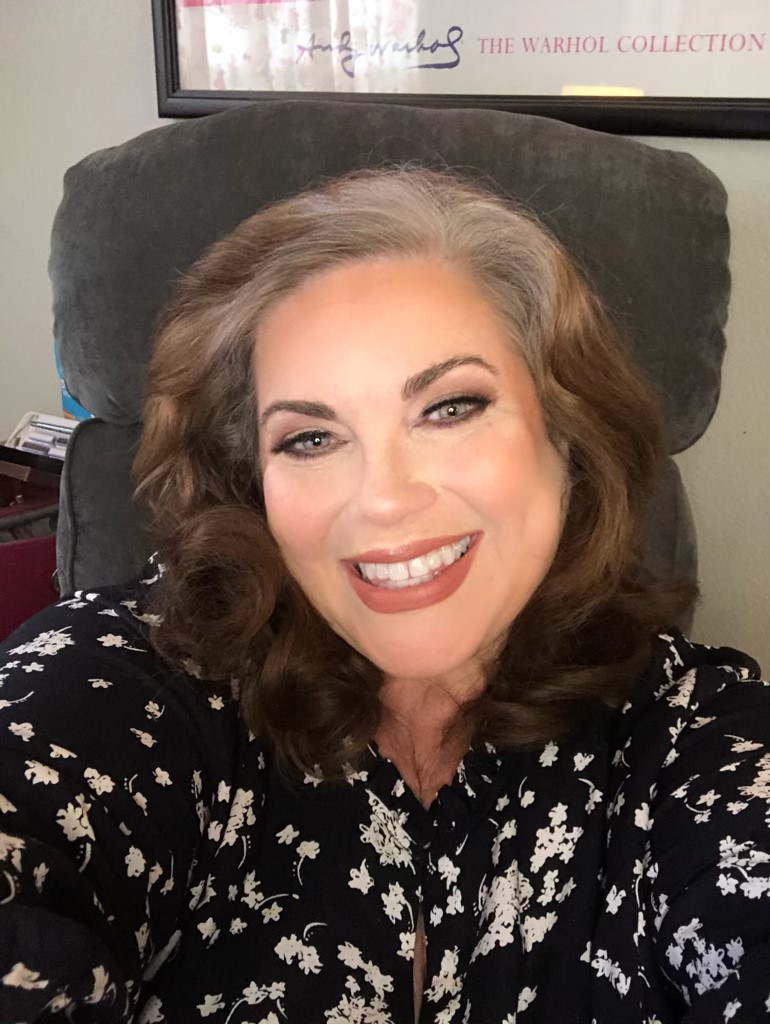
Laurisa is the author of the SCBWI Spark Award winning novel The Storytellers and the Spark Honor recipient Petals. She is also the Senior Editor at Skyrocket Press and an English instructor at College of the Canyons in Southern California.

Check out our interview on YouTube:

Check out HER book below!

(Click on the cover images to order your copy)

(As an Amazon Associate, I earn from qualifying purchases. That means, when you purchase a book using an Amazon link on this site, I earn an affiliate commission. All commission earnings go back into funding my books; editing, cover design, etc.)

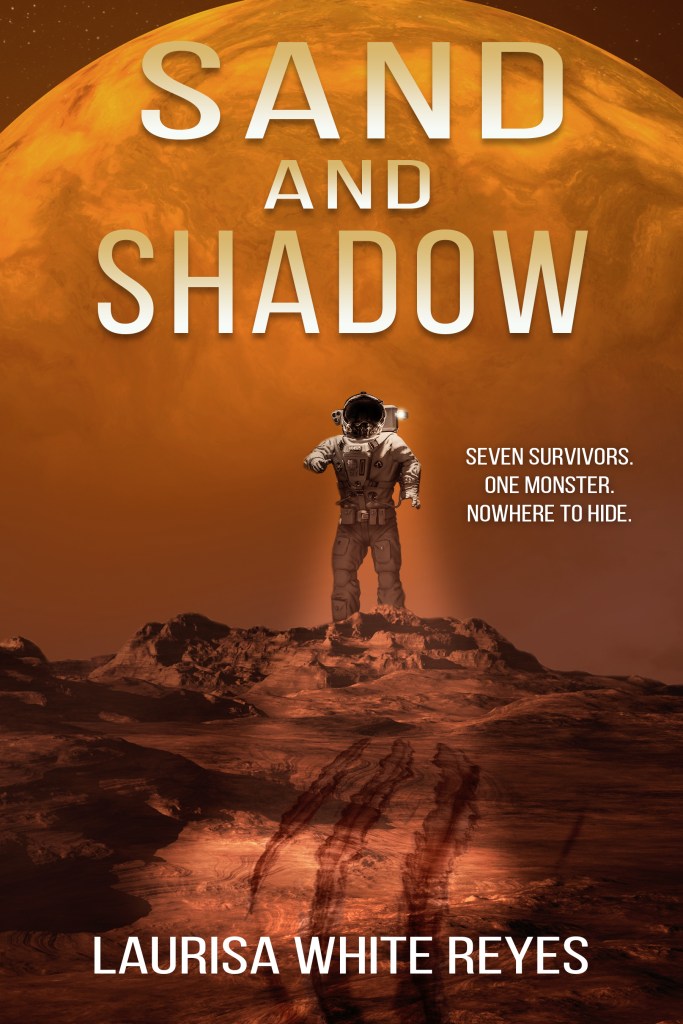
SAND AND SHADOW by Laurisa White Reyes

even survivors.

One monster.

Nowhere to hide.

Mission Specialist Adán Fuentes awakes from cryo-hibernation to discover that most of his fellow crewmates are dead and the shuttle Carpathia is not where it’s supposed to be. Surrounded by a vast barren landscape, he and the other survivors wonder how they can accomplish their mission, to establish a home for future colonists.

When an unseen creature attacks them, the Carpathia’s crew must turn their attention to surviving and solving the true purpose behind their mission.

Inspired by the 50’s sci-fi flick Forbidden Planet, Sand and Shadow plumbs the depths of the human psyche and the power of its influence. As the Carpathia’s crew’s secrets and flaws are revealed, readers may find themselves compelled to examine their own dark places.

★Winner of the Houston Writer’s House Competition★

Buy Sand and Shadow now and experience this exhilarating new horror tale for yourself!


Follow her on Social Media here:


Ashlea Thompson ~ Author Interview

Ashlea Thompson is an avid reader and a lover of Atlanta Braves Baseball and Crimson Tide Football.  She is also a member of the Alabama Writer’s Cooperative. “Steel Hearts” is her debut novella. 

Check out our interview on YouTube:

Check out HER book below!

(Click on the cover image to order your copy)

(As an Amazon Associate, I earn from qualifying purchases. That means, when you purchase a book using an Amazon link on this site, I earn an affiliate commission. All commission earnings go back into funding my books; editing, cover design, etc.)

STEEL HEARTS by Ashlea Thompson

Lottie Mae Haywood is living her best life doing what she loves. Art. When she meets Jake Samford, she believes she has found the one to spend the rest of her life with. When he is not the man she thought, she returns home to Thomasville, AL. With a new love interest and things going well, her sister brings home Jake. Things take a turn, and Lottie has a decision to make. Will she make the right one?


Follow her on Social Media here:


Anna Stewart ~ Author Interview

USA Today and national bestselling author Anna J Stewart writes sweet to spicy romances for Harlequin and ARC Manor’s Caezik Romance. Her sweet Heartwarming books include the Butterfly Harbor series as well as the ongoing Blackwell continuity series. She is also the author of the Honor Bound series for Harlequin Romantic Suspense and contributes to the bestselling continuity series, the Coltons. Her second Butterfly Harbor romance, RECIPE FOR REDEMPTION, was optioned as a TV movie and aired as CHRISTMAS RECIPE FOR ROMANCE in 2019 on UpTV.

Check out our interview on YouTube:

Check out BRIDE ON THE RUN below!

(Click on the cover image to order your copy)

(As an Amazon Associate, I earn from qualifying purchases. That means, when you purchase a book using an Amazon link on this site, I earn an affiliate commission. All commission earnings go back into funding my books; editing, cover design, etc.)

BRIDE ON THE RUN

Finding true love…
In the unlikeliest places!

Sienna Fairchild never imagined she’d be a runaway bride. Or that she’d stow away on a worn-down boat belonging to handsome tour operator Monty Bettencourt. Monty’s used to navigating rough seas, but Sienna might overturn his whole life, and avoiding drama is tough in such close quarters! If Sienna’s sure she doesn’t know what she wants, then why does running away feel so much like coming home?


Follow her on Social Media here:


Celaine Charles ~ Author Interview

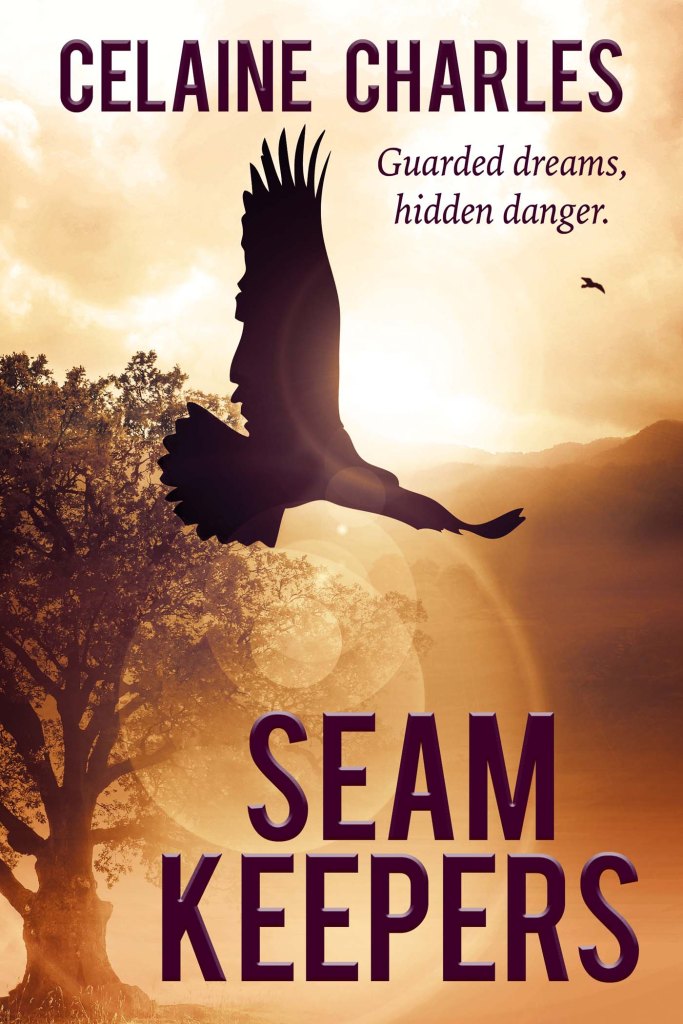
Celaine Charles’ YA Fantasy, Seam Keepers, debuted May 12, 2021 (The Wild Rose Press). Always busy, Celaine is currently drafting the sequel, Dream Keepers, along with a brand-new YA Contemporary Fantasy, Life Song, and writing poems inspired by nature.

Check out our interview on YouTube:

Check out HER book below!

(Click on the cover images to order your copy)

(As an Amazon Associate, I earn from qualifying purchases. That means, when you purchase a book using an Amazon link on this site, I earn an affiliate commission. All commission earnings go back into funding my books; editing, cover design, etc.)

SEAM KEEPERS – Ashton Nichols dreads the change graduation will bring, most of all, losing her impulsive best friend, Mason. Her world turns upside down when she follows him into the woods and encounters a demon and a destiny beyond what she ever imagined.

Mason Deed seeks freedom from his grief-stricken father. But after his encounter in the woods, he must think about Ashton’s safety. Hiding the truth from her about her identity leaves them both vulnerable and caught between good and evil.

Together they uncover the unimaginable. Will they find enough courage and strength to claim their own free will, save their families, and protect human souls?


Follow her on Social Media here:


Candace Havens ~ Author Interview

Bestselling author Candace Havens has published more than 25 books. Her novels have received nominations for the RITA’s, Holt Medallion, Write Touch Reader Awards and National Reader’s Choice Awards.

Check out our interview on YouTube:

Check out HER LATEST book below!

(Click on the cover images to order your copy)

(As an Amazon Associate, I earn from qualifying purchases. That means, when you purchase a book using an Amazon link on this site, I earn an affiliate commission. All commission earnings go back into funding my books; editing, cover design, etc.)

A CASE FOR THE TOY MAKER by Candace Havens

Ho. Ho. No…

It’s Christmas in Sweet River, Texas, and the whole town is feeling festive apart from Ainsley McGregor. Ainsley has never enjoyed the holidays and would rather ignore them, but with her shop Bless Your Art busier than ever and filled with happy shoppers, even she’s feeling some Christmas spirit. That is, until her Great Dane, George Clooney, sniffs out a dead body in the Santa House at the Christmas Festival.

When one of her favorite crafters becomes the prime suspect, Ainsley is determined to prove his innocence. The case is full of so many twists and turns that even Ainsley begins to fear the truth. Is she protecting a killer?

With help from her friends and some extremely nosey townsfolk, Ainsley and her dog hurry to find the truth––as long as they can outwit and outrun the killer first. Otherwise, this Christmas might just be her last.


Follow her on Social Media here:


Laurelle Lewis ~ Author Interview

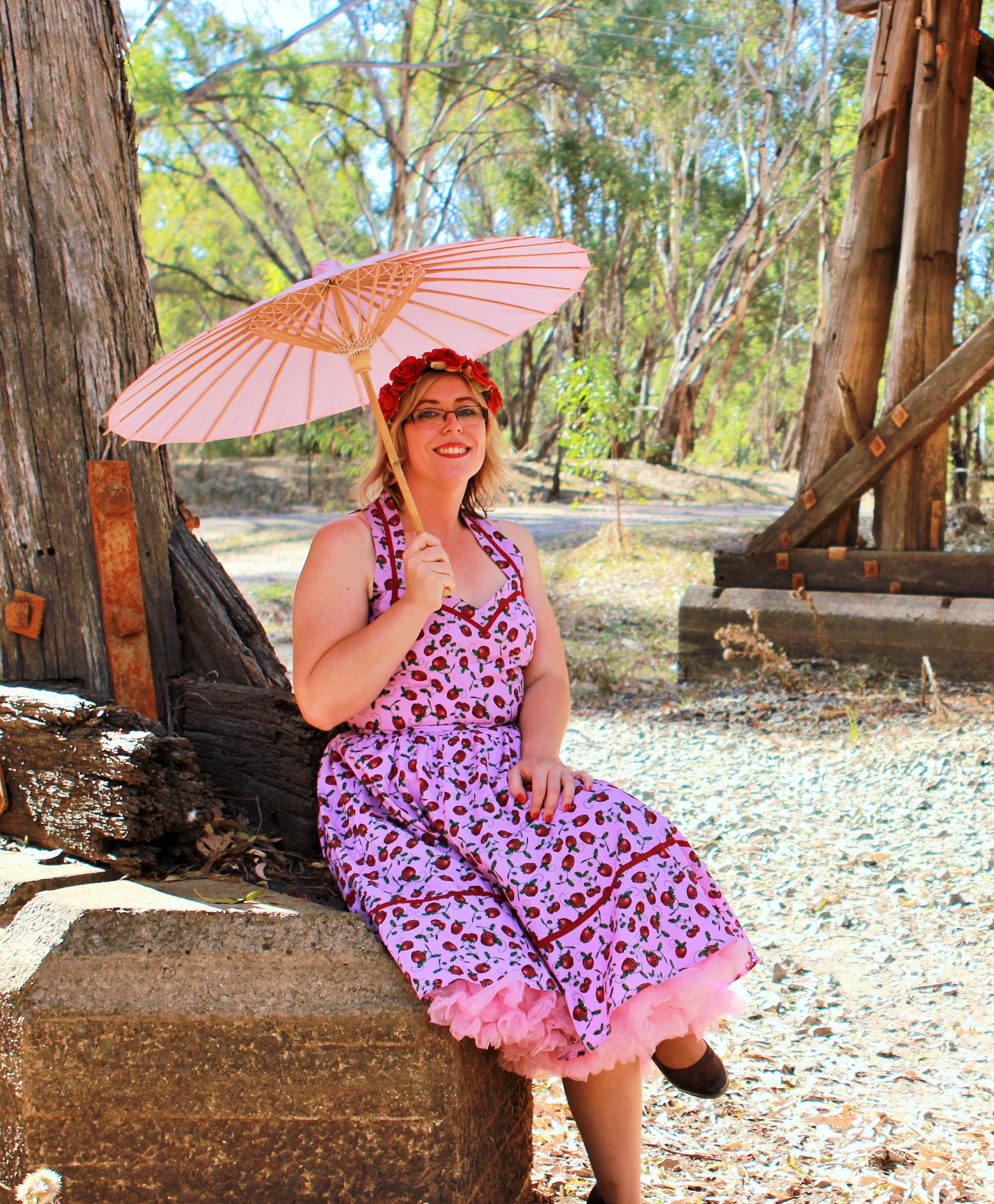
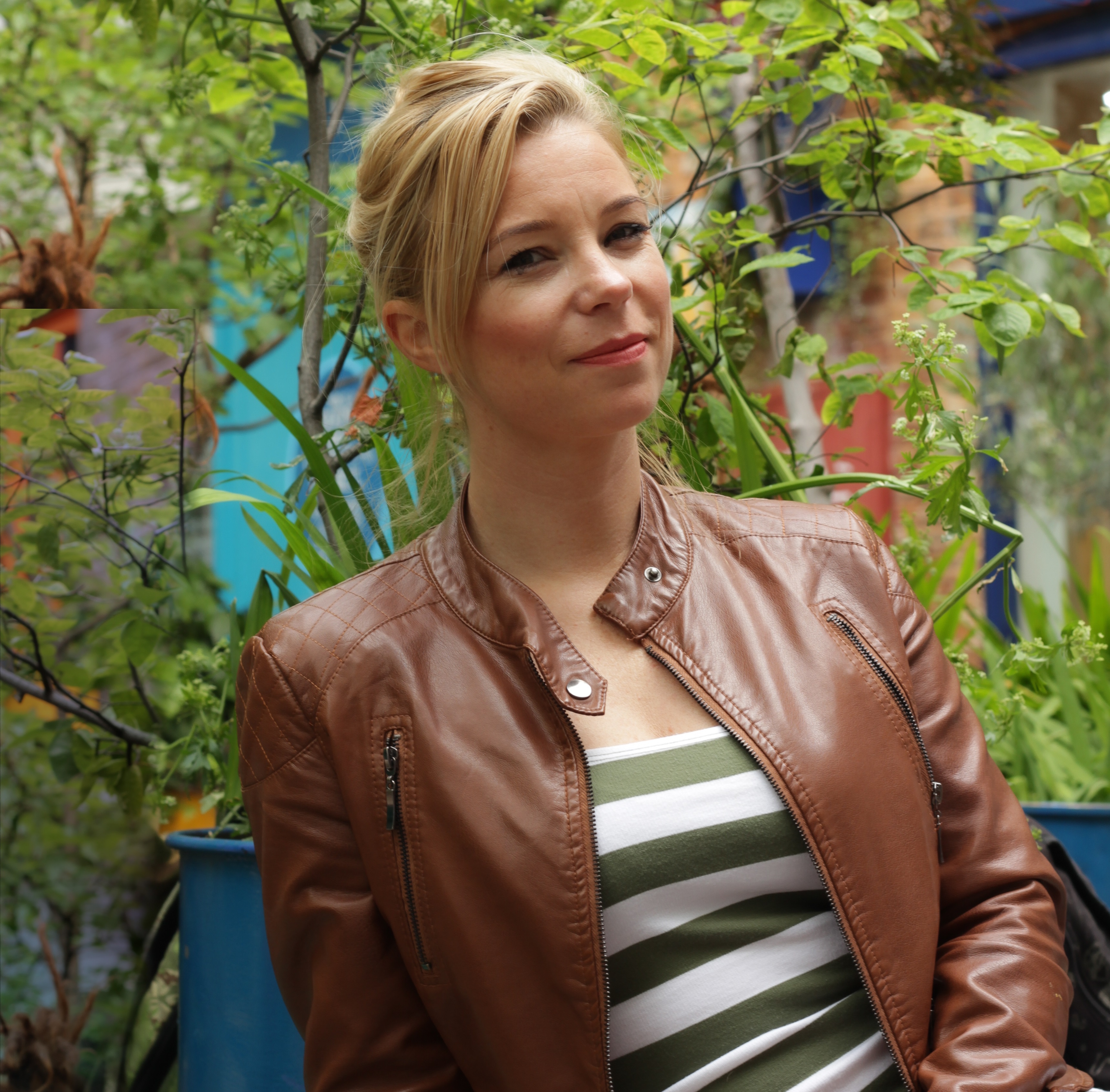
Laurelle Lewis is an Australian author, mother of three and home schooler. She has life experience with Autism, Special Needs and Learning Disabilities, through her study and care for her children.

Her aim is to create stories that will inspire children to always live their best life and know that no matter where they are born or who they are, everyone is important.

Check out our interview on YouTube:

Check out HER book below!

(Click on the cover image to order your copy)

(As an Amazon Associate, I earn from qualifying purchases. That means, when you purchase a book using an Amazon link on this site, I earn an affiliate commission. All commission earnings go back into funding my books; editing, cover design, etc.)

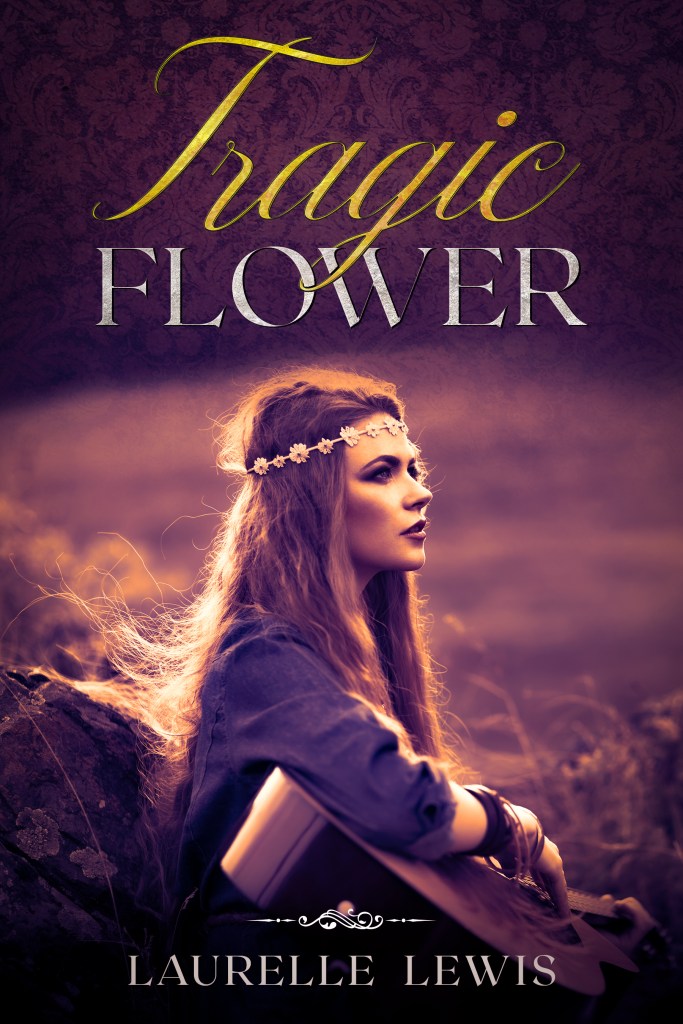
Tragic Flower: When Fleur meets the strange and exciting Jeffrey-the new kid in town- something tells Fleur she should stay away from him. Before she knows it, she is drawn into his world, but what tragic secret is he hiding?

Follow her on Social Media here:


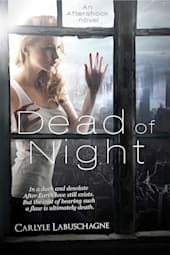
Carlyle Labuschagne ~ Author Interview

Carlyle is a South African USA Today Bestselling, award-winning, and international bestselling author with a flair for mixing genres and adding loads of drama to every story she creates!

Check out our interview on YouTube:

Check out HER book below!

(Click on the cover images to order your copy)

(As an Amazon Associate, I earn from qualifying purchases. That means, when you purchase a book using an Amazon link on this site, I earn an affiliate commission. All commission earnings go back into funding my books; editing, cover design, etc.)

Other books by Carlyle Labuschagne:


Follow her on Social Media here: