
Starting your journey as a writer, especially in the genres of urban fantasy and dystopian fiction, can feel daunting. The world of speculative fiction is vast and intricate, but with the right tools and mindset, you can navigate the writing process and find your unique voice. Here, I’ll break down how I approach writing my novels and offer advice to help you create immersive worlds and compelling narratives.
1. The Seed of an Idea: World-Building
In urban fantasy and dystopian novels, world-building is at the heart of the story. You’re crafting more than just a plot; you’re designing an entire universe that feels rich and believable. At least, that is the goal. Here’s how I approach it:
Urban Fantasy:
In urban fantasy, the world you create often coexists with our own. It’s an alternate version of reality where magic, mythical creatures, or supernatural elements blend seamlessly with modern society. When I begin, I think about the following:
- What is hidden beneath the surface? Perhaps a secret society of witches exists in the heart of a bustling city or small town, or supernatural beings roam the streets undetected by the humans they interact with. Consider how these elements influence daily life—how does the magical world interact with, or hide from, the mundane world?
- Setting details matter. You don’t need to describe every brick of a city, but small, evocative details—like a shadowy alley, an underground speakeasy, or a half-lit park—can make your world feel alive. Think about how things look, smell, sound, and feel…
Dystopian Fiction:
Dystopia often presents a future world that has collapsed or become a grim version of what we know. When crafting your dystopian world, ask yourself:
- What went wrong? What event, ideology, or technology changed the course of human history? It could be climate change, a totalitarian regime, a technological collapse, a medical epidemic, or something else entirely. How does this history affect the everyday lives of your characters?
- What’s at stake? In dystopian worlds, there’s always something at risk—freedom, survival, or the future itself. The rules of your world should be clearly defined, whether it’s rigid class structures, environmental decay, or the technological surveillance state.
- Sensory detail is key. In a world on the brink of collapse, smells, sounds, and visuals can intensify the atmosphere—whether it’s the acrid scent of pollution or the eerie silence of a deserted city.
2. Developing Characters: The Heart of the Story
Characters in urban fantasy and dystopian fiction, like in most novels, are not just participants in a story—they’re shaped by the world around them. However, in these genres, I believe characters should also be a reflection of the world they inhabit.
- The Reluctant Hero. Urban fantasy protagonists often start as ordinary people who are thrust into extraordinary circumstances. The appeal of this character type is that they’re accessible and relatable. They may be confused, overwhelmed, or even cynical about the magical world they are now part of. Developing this character arc, as they grow into their role, provides a satisfying emotional journey for the reader. Alee Moyer, from Awaken (Book 1 in the Blood Angel Series) is a perfect example of this.
- Flaws and Strengths. In dystopian fiction, characters often face immense challenges. They might rebel against oppressive systems, survive in a harsh world, or try to reclaim something lost. These characters need both deep flaws and strengths. A rebellious protagonist might be stubborn and impulsive, while someone seeking justice might struggle with a sense of hopelessness. These internal conflicts are key to their development and drive the narrative forward. Check out my SECTOR C series!
- Secondary Characters. Supporting characters, from sidekicks to antagonists, should be just as well-defined. In urban fantasy, these characters might be creatures like vampires or werewolves, or they could be humans caught in the crossfire. In dystopian settings, secondary characters often represent different factions or ideologies. Their relationships with the protagonist—whether they’re allies, enemies, or something in between—will create rich conflict and tension.
3. Plotting and Structure: The Backbone of the Story
Both urban fantasy and dystopian fiction thrive on strong plots that weave together personal struggles with broader societal issues. However, you don’t always have to follow a traditional narrative structure.
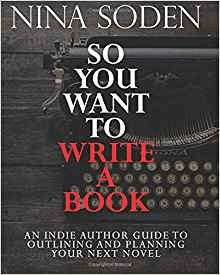
- Outline or No Outline? Some writers swear by detailed outlines, while others dive in and discover the story as they go. For me, a hybrid approach works best. I like to have a rough outline of the major plot points—key events, character arcs, and climaxes—while leaving room for spontaneity and surprises along the way. This balance lets me maintain a sense of direction while still allowing creativity to flow. If you need help with this part of the process, check out So You Want To Write A Book and Just Write. I use both of these tools on a regular basis, especially when I am starting a new story.
- Pacing is Essential. In urban fantasy, the plot often moves quickly, with twists, action scenes, and moments of discovery. But the key is to maintain tension while giving the reader enough time to absorb the world and connect with the characters. In dystopian fiction, pacing can be slower, building tension as the protagonist uncovers dark truths about the society they live in. But don’t let it drag—interspersing moments of action, tension, and discovery helps keep the reader engaged.
- The Theme of Resistance. A central theme in both urban fantasy and dystopian novels is resistance—whether it’s resisting a villainous force, oppressive government, or internal fears. The plot should be a vehicle for exploring this resistance, with plenty of obstacles and challenges that force the protagonist to grow, adapt, and change.
4. Finding Your Voice: The Art of Writing
As a writer, developing a unique voice is crucial to standing out in any genre. For me, voice is the combination of writing style, character perspective, and tone. Urban fantasy tends to be fast-paced, sometimes humorous, while dystopian fiction often has a darker, more reflective tone. Here are some tips for finding your own voice:
- Experiment with Perspectives. First-person narration can create intimacy, allowing the reader to experience the world through the protagonist’s eyes. Third-person omniscient narration allows you to zoom out and show multiple perspectives. Each has its strengths—experiment to find what works best for your story.
- Play with Tone. Urban fantasy often combines action and humor, while dystopian fiction tends to be darker and more introspective. However, don’t be afraid to mix tones. A lighthearted moment in the midst of a dark world can make the contrast even more powerful.
- Show, Don’t Tell. This age-old advice is especially true in speculative genres. The world you’re building and the emotions your characters experience should be conveyed through action and sensory detail, not just exposition. Instead of saying, “The city was full of magic,” show it through a character’s interaction with a magical object or an encounter with a supernatural creature.
5. Editing and Revision: Polishing Your World
The first draft is just that… the first draft… the beginning. Once you’ve completed your manuscript, the real work begins. Editing is a chance to refine your world-building, deepen character arcs, and tighten your plot. For urban fantasy and dystopian fiction, this often means ensuring that the world feels cohesive and that the internal logic makes sense.
- Consistency is Key. Urban fantasy can be tricky because it blends the real and the magical. Ensure the rules of magic or supernatural elements remain consistent throughout. In dystopian fiction, the society you’ve built needs to follow its own logic—if a government controls everything, show us how, and if the environment is collapsing, make sure the signs of decay are present at every turn.
- Pacing and Tension. Pay attention to pacing during revisions. If a scene feels slow or unnecessary, cut it. If a moment feels rushed, slow down and give the reader time to process what’s happening.
6. Staying Motivated: Overcoming Writer’s Block
Writing can be a long and sometimes lonely process. There will be days… weeks… and sometimes months when you’re not feeling inspired, or when the words don’t come as easily as you’d like. I’ve been there, too. I think every writer has from time to time. Here are a few tips to keep pushing forward:
- Set Small Goals. Break your writing into manageable chunks. Write a set word count each day or aim to finish a chapter. This keeps you motivated and helps build momentum. If you can’t write every day, that is ok too. Just set yourself a schedule and plan to write when you say you’re going to write.
- Take Breaks. Sometimes stepping away from your manuscript allows your brain to make connections you might have missed. Go for a walk, read a book, take a bath, or do something else creative to reset your mind.
- Find Your Writing Community. Whether it’s online or in person, surrounding yourself with other writers can provide support, feedback, and encouragement.
Writing urban fantasy and dystopian fiction requires a unique mix of creativity, structure, and persistence. But above all, it’s about immersing yourself and your readers in a world that feels as real and urgent as our own. Start small, take risks, and most importantly, have fun and keep writing—your world is waiting to be discovered.









 Nina Soden