If you’ve been wondering whether I’m still here—still writing, still imagining, still chasing stories late at night—I wanted to answer that question plainly and honestly.
Yes. I’m still here. And yes, I’m still writing.
The past two years have been one of those seasons that look quiet from the outside but feel anything but on the inside. The kind where words are being shaped slowly, where stories are tested and re-tested, where worlds are being built with care rather than urgency. Not every chapter is written in public, and not every creative season announces itself loudly—but that doesn’t mean the work isn’t happening.
It is.
I’ve been spending time in two very different story spaces. One is filled with wonder, light, and the kind of magic that asks readers to believe again. The other leans darker, asking harder questions about survival, memory, and what remains when everything familiar is stripped away. They couldn’t be more different on the surface, and yet they share the same heartbeat: characters searching for truth, belonging, and hope in worlds that challenge them at every turn.
I’m being intentionally careful with these stories. Not because I’m unsure of them—but because I believe some worlds deserve patience. I want them to arrive fully themselves, not rushed or diluted by timelines that don’t serve the story. If you’ve followed my work for any length of time, you know I care deeply about atmosphere, emotional resonance, and the slow unfolding of meaning. That hasn’t changed.
What has changed is the depth of the work.
I’ve grown as a writer over the last few years—not just in craft, but in confidence. I trust my instincts more. I’m more willing to sit with difficult scenes until they say what they need to say. I’m less interested in chasing trends and more interested in telling stories that linger after the final page.
That’s the energy behind the stories I’m working on right now.
While I’m not ready to share titles, covers, or plot details just yet, I am hopeful—and quietly excited—to have something ready to share later this year. When it’s time, you’ll be the first to know. And when these stories do step into the light, they’ll do so with intention.
If you’re a reader who has been waiting, wondering, or checking back from time to time—thank you. Your patience means more than you know. Writing can sometimes feel like a solitary act, but it’s never done in isolation. Knowing there are readers who care, who remember, who are willing to wait—that matters.
So this is simply a small note to say: I haven’t gone anywhere.
I’m still building worlds. I’m still chasing characters who refuse to leave me alone. I’m still writing toward something I believe is meaningful.
And I can’t wait to share it with you when the time is right.
As an Amazon Associate, I earn from qualifying purchases. That means, when you purchase a book using an Amazon link on this site, I earn an affiliate commission. All commission earnings go back into funding my books; editing, cover design, etc.
Deep family bonds meet the thrill of unexpected romance. It’s finally time for the Winston siblings to surrender to passion and find their forever loves!
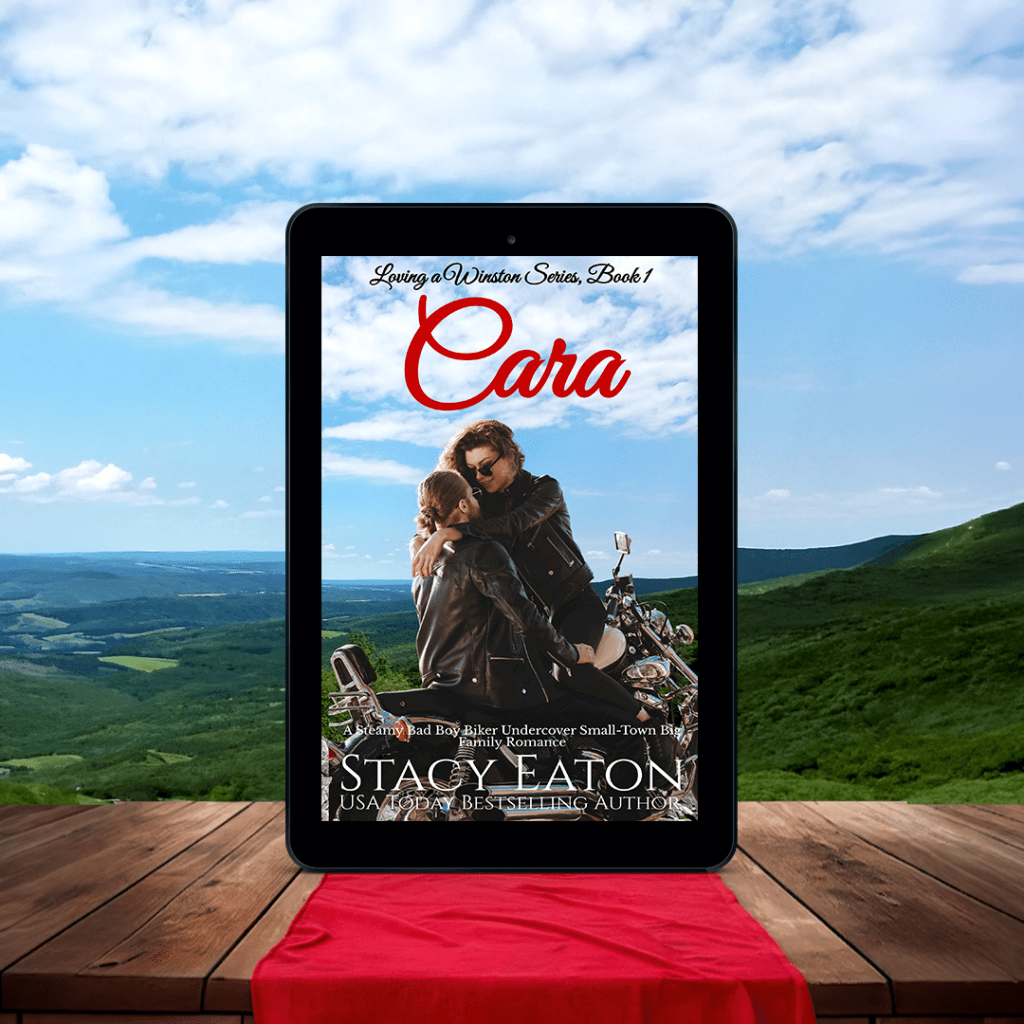
What happens when the man you fall for is all wrong for you?
Cara Winston has always been a bit of a rebel and an adrenaline junkie. As a helicopter pilot and paramedic, she relies on that to do her job. When Cara and her team respond to a multi-vehicle accident involving motorcycles, she’s expecting the worst. What Cara doesn’t expect is to find herself intrigued by the blue eyes of a man wearing motorcycle gang colors.
Ryan Vigilante rides the road mostly on two wheels, not four. When several of the club members end up in an accident on the highway, Ryan never expects to see a future in the eyes of the intense female paramedic. The only problem is that she’s way out of his league, and he knows that getting involved with her could only jeopardize her safety.
With Cara’s family trying to keep them apart and Ryan’s club breaking the law, Cara finds herself more of a rebel than usual. Will things work out for Cara and Ryan, or will Cara’s law enforcement brother, Ethan, find a way to stop it for good?
The Loving a Winston Series is a five-book, steamy adult romance series that spins off the six-book Loving a Young Series. While these books are all standalone romances, the characters will be seen throughout the series.
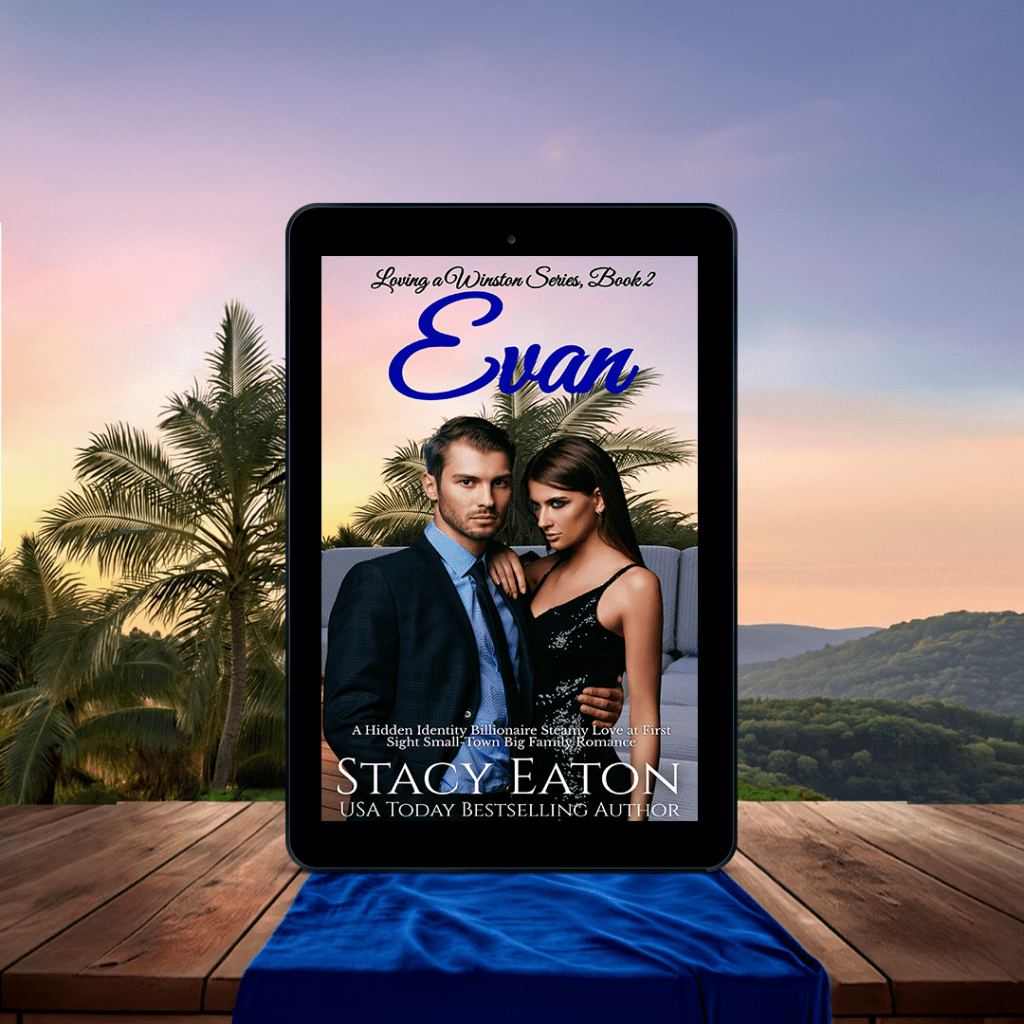
What happens when she’s not really who you think she is?
Evan Winston is dedicated to his job as a registered nurse in the ICU department of the local hospital. He’s one hundred percent focused on the needs of his patients and his family, or at least he usually is. That changes the day a woman visits one of his patients and turns his world upside down.
Laney Marshall wants nothing more than to help people who struggle—especially those women and children who are fighting to survive domestic violence situations. After losing someone close to her to an abusive man, she is determined to do everything in her power to help.
Unfortunately, Laney has people that don’t want her to do that. In fact, they don’t even like her in this town or even the state of Pennsylvania. They prefer her on the other side of the country, where they think she belongs, living the life planned for her.
Can Laney and Evan find a way to build a relationship while keeping others from getting involved, or will the revealed secrets be enough to end any chance of a future before it begins?
The Loving a Winston Series is a five-book, steamy adult romance series that spins off the six-book Loving a Young Series. While these books are all standalone romances, the characters will be seen throughout the series.
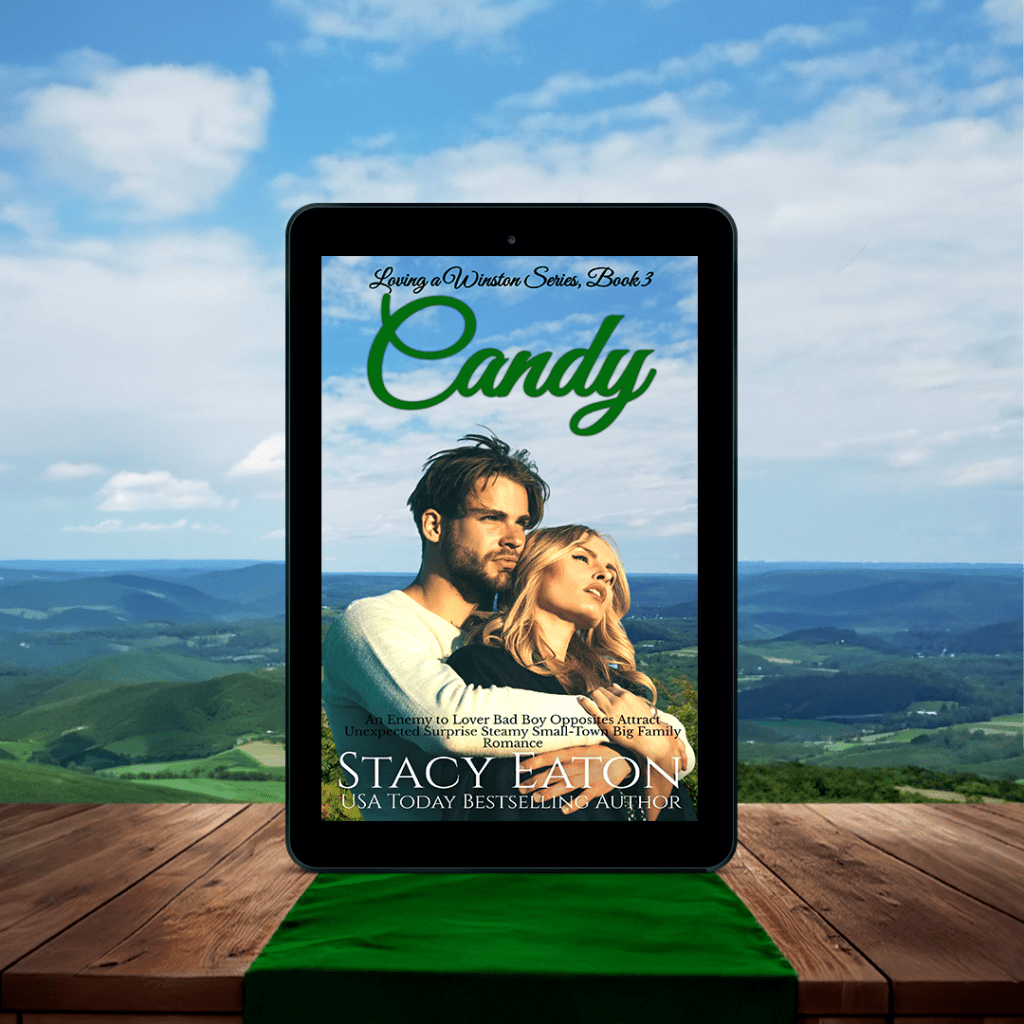
What happens when your lustful heart wins over your intellectual mind?
When Candy’s sister, Cara, was dating outlaw biker member Ryan Vigilante, Candy paid little attention to Ryan’s club buddy, Bollard. Sure, Bollard, who works behind the bar at the local tavern, was pleasing on the eyes and made a mean chocolate martini, but he was an outlaw, and that’s not the kind of person Candy associates with.
Michael Bollard is out of the club now and hopes to purchase the tavern. He had never wanted more than his bikes and the club, but now, Mike has high hopes to build a future. A future that suddenly collides with sexy and intelligent Candy Winston in ways he could have never imagined.
Just when he thinks he might have this new future figured out, a stranger enters the bar with a surprise he never saw coming. Will that surprise send Candy running for higher ground, or will it cement her future in the tavern with Mike?
The Loving a Winston Series is a five-book, steamy adult romance series that spins off the six-book Loving a Young Series. While these books are all standalone romances, the characters will be seen throughout the series.
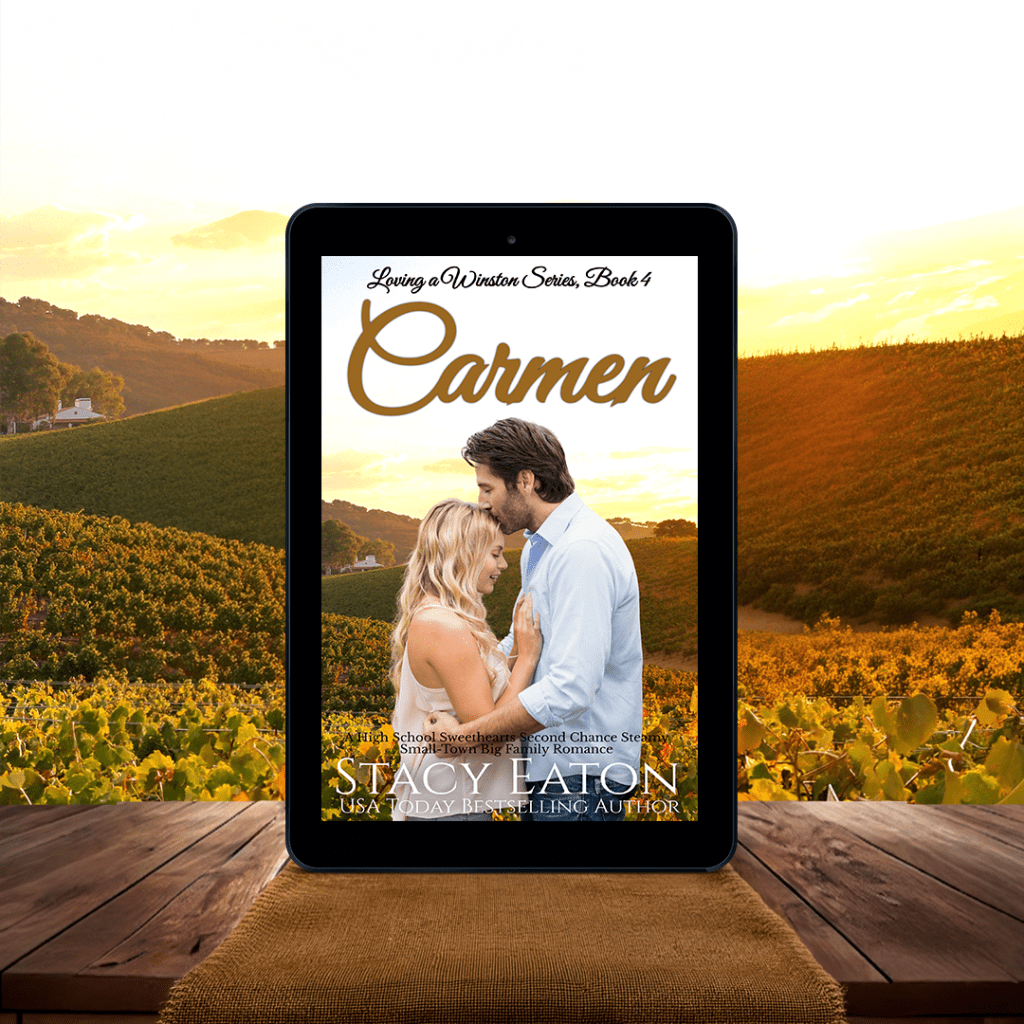
What happens when your first love returns to town—twenty years later?
Child Psychologist Carmen Winston spends a lot of time at the schools, and when she comes across a man and the name of a new student, she mentally flashes back to a time of young love and dreamy hopes of the perfect future that never happened.
Tim Kohl lived in Millerstown for six years before his parents moved him across the country. He never expected to return or to bring three kids with him when he did. The last thing Tim expected to find in town is his high school sweetheart, who is still as beautiful as ever and still single after all this time.
When sparks fly, can these two put the past behind them and plan a future, or will the years apart separate them before they can figure it out?
The Loving a Winston Series is a five-book, steamy adult romance series that spins off the six-book Loving a Young Series. While these books are all standalone romances, the characters will be seen throughout the series.
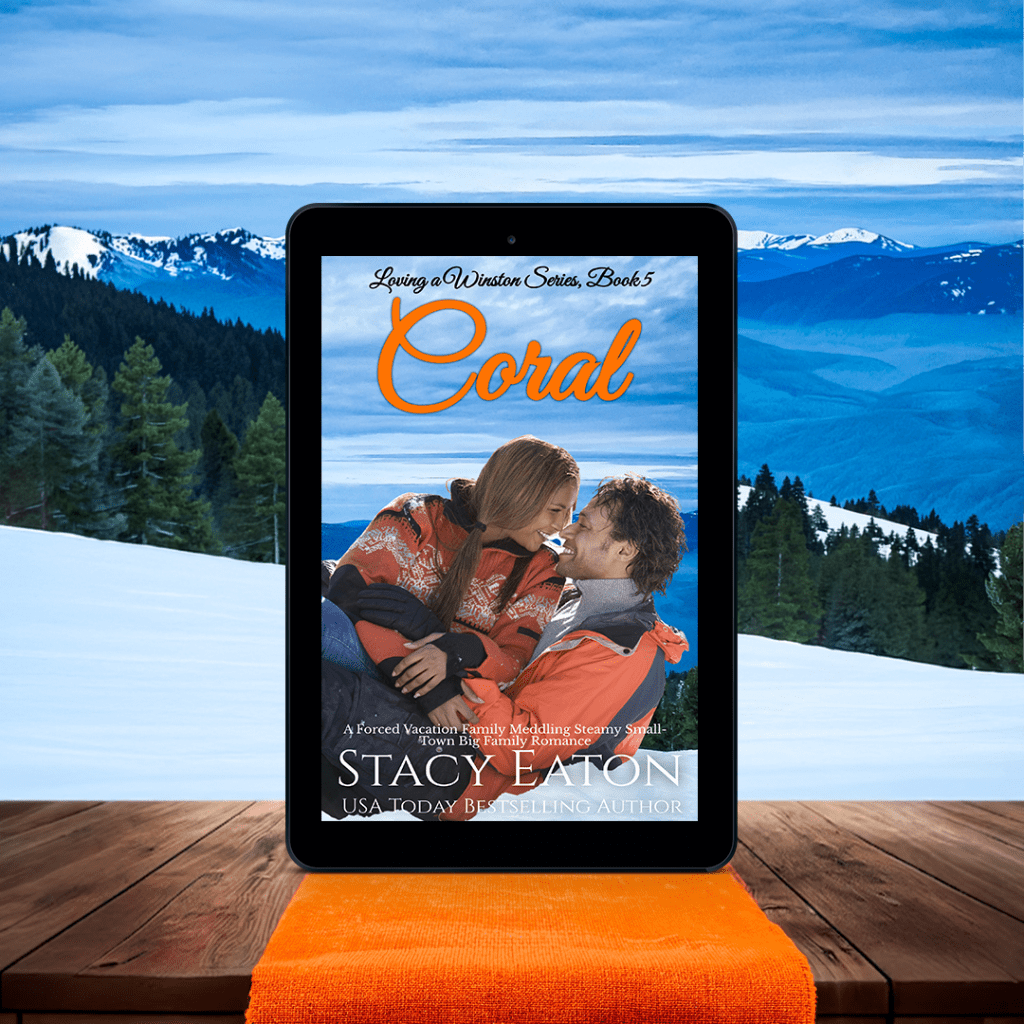
What happens when you overhear your family talking to the man you’ve fallen for?
Coral Winston has felt out of touch with her family since her mother passed away and threw everything she had into her coffee café. When her family forces her to vacation, they decide to come along for the fun.
Landan Lancaster is the oldest of the eight Lancaster children, and he’s still trying to deal with walking away from his cheating bride the night before their wedding many months prior. When a large family comes to stay in the Lancaster guest house on the lake, he finds himself expectedly intrigued by the woman standing at the water’s edge.
On the slopes of South Lake Tahoe, Landan realizes he has met his match in more ways than one, and Coral begins to feel as if she has finally found a place where she belongs. When she overhears a conversation between Landan and her family, Coral gets the wrong idea and flees without thinking. Unfortunately, she finds the café a mess and the cops waiting for her when she arrives home.
Can Coral overcome the issues facing her and find her way back to the beautiful mountains and water of Lake Tahoe, or will Landan lose her before he can ever call her his own?
The Loving a Winston Series is a five-book, steamy adult romance series that spins off the six-book Loving a Young Series. While these books are all standalone romances, the characters will be seen throughout the series.
Would you like a chance to win a$20 Amazon or PayPalGift Card?Follow the tour HERE for special content and a giveaway!
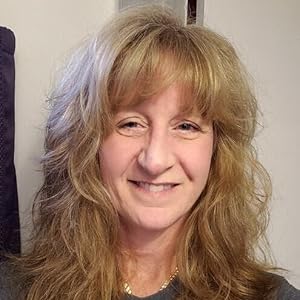
Stacy Eaton is a USA Today Bestselling author and began her writing career in October of 2010. Stacy took early retirement from law enforcement after over fifteen years of service in 2016 due to a second serious concussion. Her last three years on the job were in investigations and crime scene investigation. She now writes full-time.
Stacy resides in southeastern Pennsylvania with her husband, who works in law enforcement. She has a daughter in college and a son who is currently serving in the United States Navy.
Stacy writes a variety of genres, but mostly romance. She enjoys writing real-life stories that people can relate to with real-life problems, emotions, and solutions.
Her favorites: Classic cars, photography, Disney, music, coffee, and her favorite sweatshirt that says, You are dangerously close to getting killed in my next novel.
As an Amazon Associate, I earn from qualifying purchases. That means, when you purchase a book using an Amazon link on this site, I earn an affiliate commission. All commission earnings go back into funding my books; editing, cover design, etc.
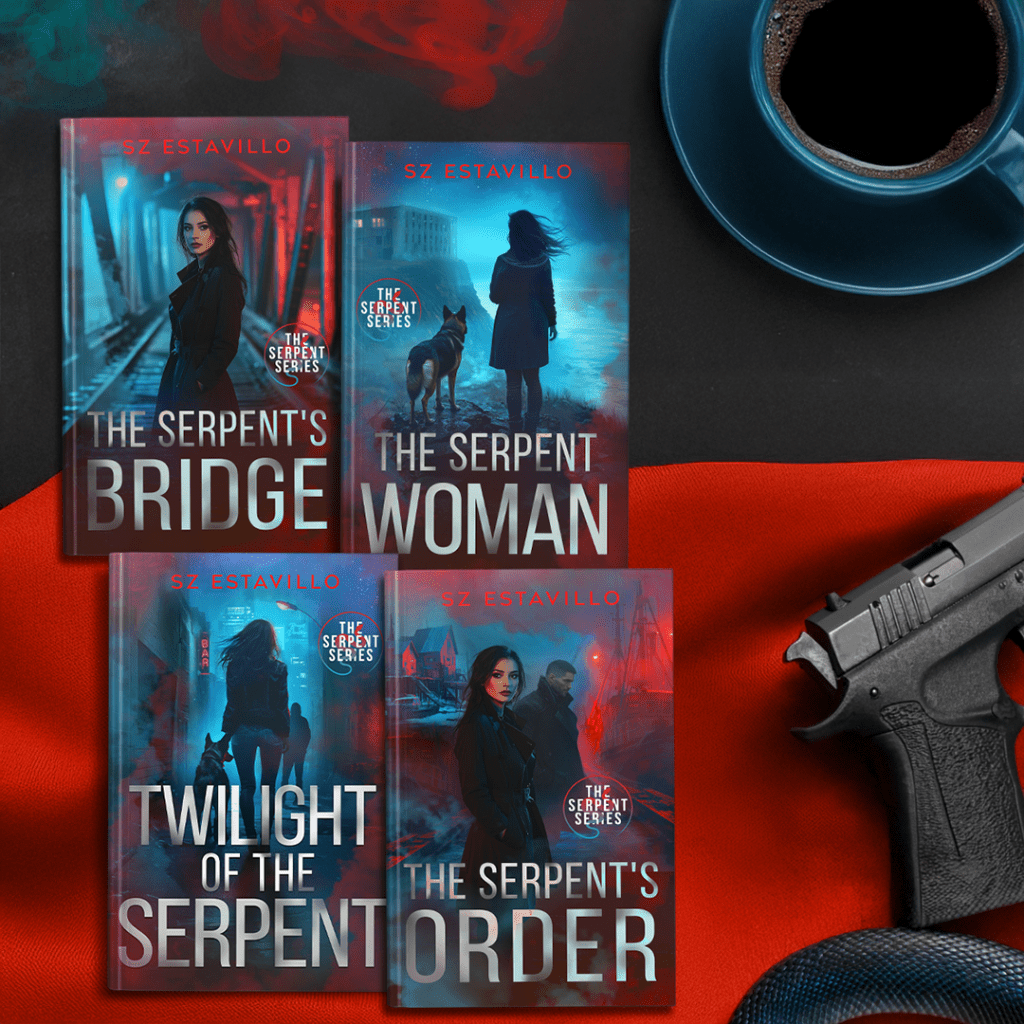
An assassin bound by obedience. A detective marked for death. A cartel war with no survivors.
Von Schlange thought she’d escaped her past. Now Black Nova owns her—an elite, off-the-books task force where obedience is survival and failure means death. As their newest assassin, she’s unleashed on targets tied to Jaxon Ryker, a drug lord buried deep in the Alaskan wilds.
Her partner, Xander Holt, a former Navy SEAL with ice in his veins, lives by the same brutal code: no attachments, no lines crossed. But as missions turn bloody, the fragile boundary between partner and lover begins to blur—and desire becomes its own kind of danger.
Across the country, Detective Anaya Nazario faces a nightmare of her own. A synthetic “zombie drug,” deadlier than fentanyl and immune to Narcan, is ripping through Los Angeles. Her investigation exposes a network of dirty cops shielding Ryker’s empire—and puts a target squarely on her back.
Two women on opposite fronts. One war against corruption and cartel power. And a single truth—every betrayal leaves a body behind.
Explosive, unrelenting, and razor-sharp, The Serpent’s Order propels the Serpent Series into its most dangerous chapter yet—where justice is a myth, and survival comes at a price paid in blood.
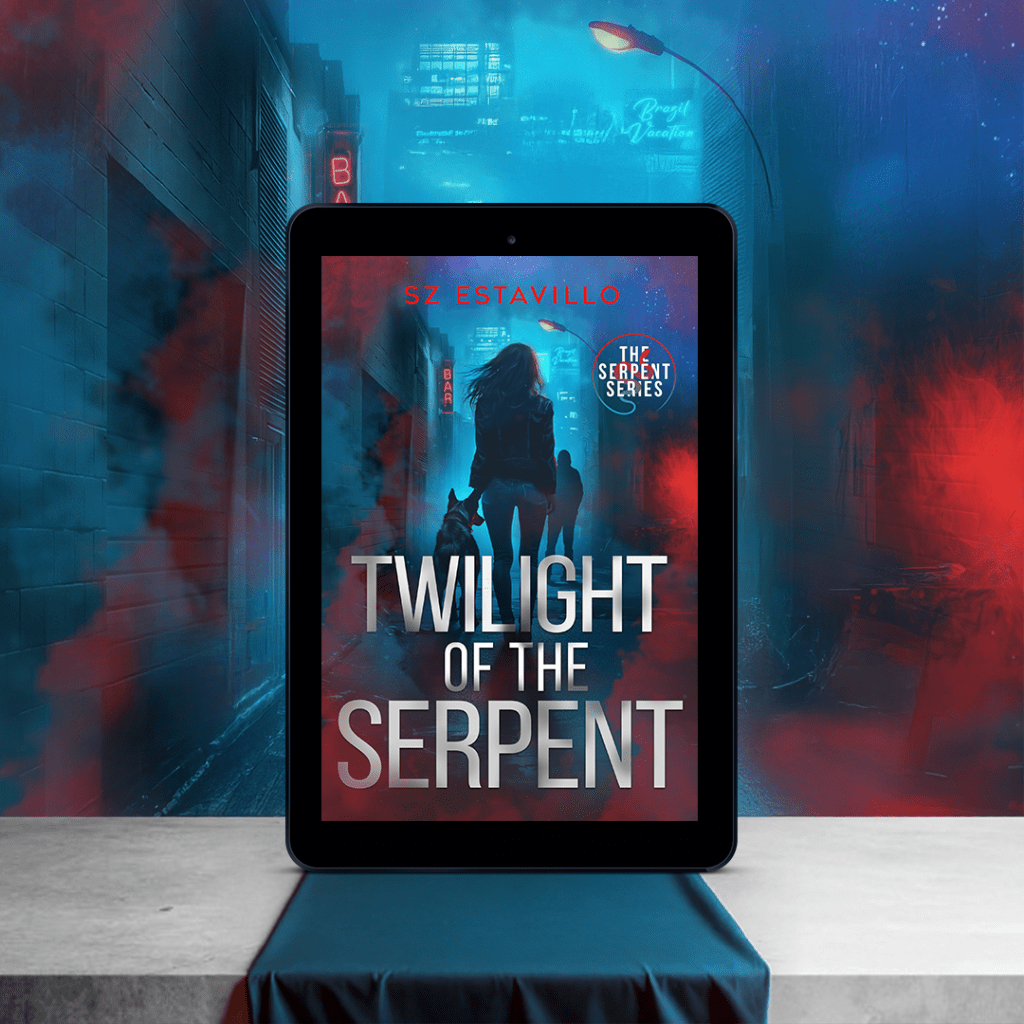
Some predators hide in plain sight. Others hunt from the shadows.
Merrick Winslow is a decorated Army officer, a man of discipline and honor—or so he claims. When he reports that his ex-wife, Cheonsa Soo-Min, has been stalking him, no one questions his story. He paints her as unstable, vengeful, and dangerous, a woman consumed by obsession. But when two officers are gunned down with her own weapon, the truth becomes harder to see. With the law closing in, Cheonsa vanishes, fleeing to Rio de Janeiro, where she is taken in by Von Schlange, the vigilante thought to have disappeared for good.
Von has retired her vengeful ways, leaving behind a life of bloodshed to run a quiet veterinary clinic. But when Cheonsa’s past collides with Winslow’s lies, the two women begin to unravel a deadly deception—one that turns predator into prey. By the time Von uncovers the truth, an innocent life has already been taken.
Now, there’s only one thing left to do: find the real monster and make him pay.
Meanwhile, in Los Angeles, Detective Anaya Nazario and Supervising Special Agent Blake Huxley are adjusting to life as new parents. But after only four months of maternity leave, Nazario is pulled back into the field to investigate the murder of two officers. What should be a straightforward case quickly spirals into something far more sinister—secrets buried beneath the badge, a killer hiding behind a uniform, and a web of corruption stretching further than anyone expected.
As Nazario and Huxley chase down leads, their investigation intersects with a vigilante they once thought was dead. And this time, Von Schlange isn’t just seeking justice—she’s delivering retribution.
For fans of Karin Slaughter, Gillian Flynn, and Taylor Adams, Twilight of the Serpent delivers a high-stakes vigilante thriller packed with morally gray justice, relentless suspense, and a tangled web of deception. Perfect for readers who love strong female leads, intense cat-and-mouse chases, and dark psychological twists.
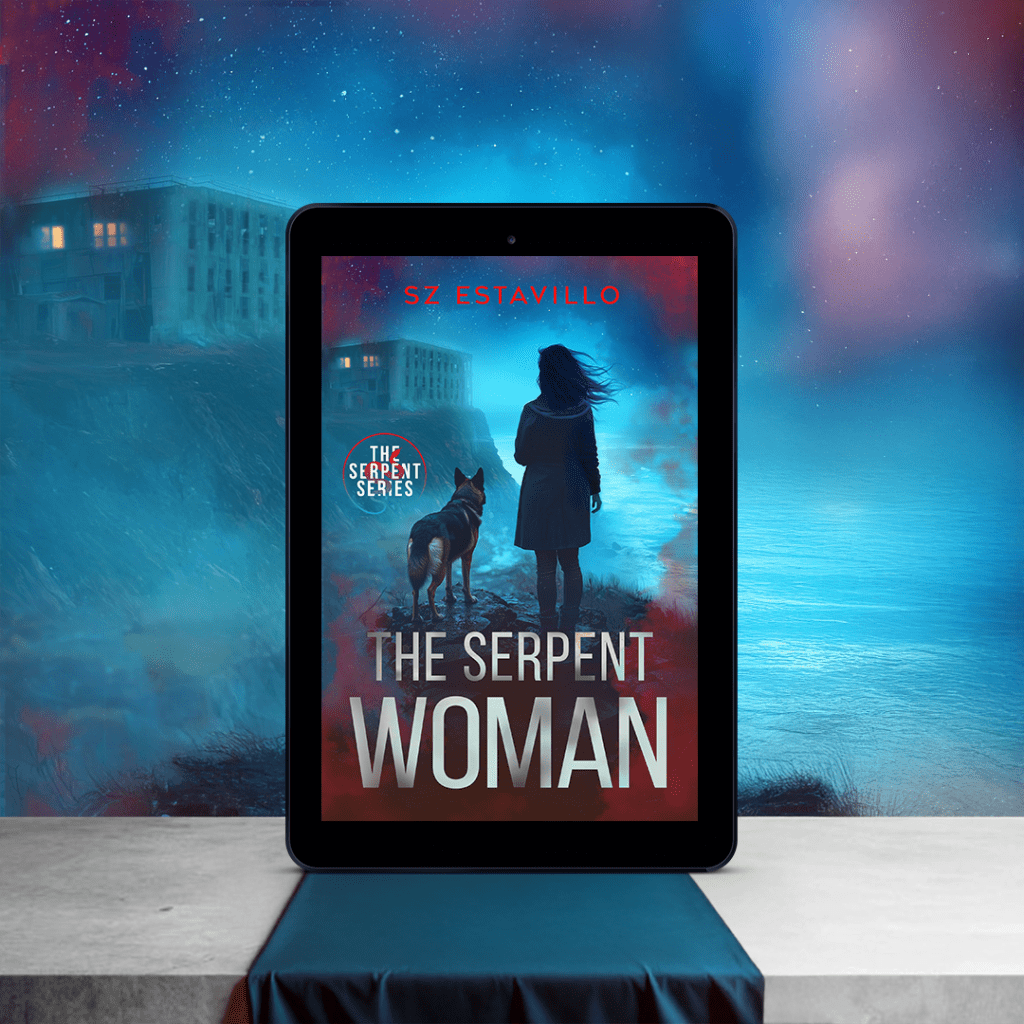
A serial killer is on the loose. With her insidious tattoo and venomous killer strike, they’re calling her the serpent woman.
Two of the best in their field, LAPD Detective Anaya Nazario and FBI Supervising Special Agent Blake Huxley are forced to work together yet again, despite their strained romantic history and a baby on the way. Together on a nationwide hunt, they must find this serpent woman before she strikes again.
But, as the cat-and-mouse chase evolves, Nazario and Huxley begin to realize that their killer is on a mission of vigilante justice and they must struggle with the question of who really deserves their justice: The killer, or her victims?
This dark thriller delves into the sensitive topics of sex trafficking, child abuse, animal death, sexual assault, graphic violence, and dead bodies. Reader discretion is advised.
Compelling dialogue, rich, gritty prose, and characters you won’t forget — if you loved The Girl Who Kicked the Hornets Nest by Stieg Larsson, or Ink and Bone by Lisa Unger, you’ll love The Serpent’s Bridge.
Recovering alcoholic Detective Anaya Nazario remains haunted by her father’s murder. Lucas Nazario was the highest-ranking Puerto Rican LAPD detective, and his case has gone unsolved for twenty-four years since his murder. When Mexican immigrants are targeted by a serial killer, Nazario senses a connection and fights to keep the leadless case open. The homicide investigation centers on Sanctuary Baptist, a church composed of immigrants led by Pastor Stan and his wife. Nazario’s personal and professional worlds collide when she is compelled to collaborate with her former lover, Special Agent Blake Huxley. As their lives merge once more, the FBI and Detective Nazario stop at nothing to find a killer.
Is this the same monster who killed her father and left him for dead under a bridge?
Can she put a stop to the murders before more families lose loved ones?
Would you like a chance to win a$20 Amazon or PayPalGift Card?Follow the tour HERE for special content and a giveaway!
As a BIPOC thriller author, she previously parted amicably with her agent and, three months later, secured an eight-book deal with Oliver-Heber Books—now boasting 24,000 downloads in its first year and a BookRaid bestseller ranking in the thriller category. The Serpent Woman (Book 2) reached #1 on Amazon and topped all three of its categories. Her background spans literary agencies and TV studios, where she contributed to greenlit screenplays that became Lifetime movies. She holds a Master’s in Television, Radio, and Film, has taught author branding workshops (L.A. Writer’s Conference, North Texas RWA), and maintains a 100K+ social media following.
In my everyday, real‑world life, I’m a Realtor. I lead The Soden Team of Legend Realty. I coach new real estate agents to build their dreams… their businesses. I talk about homes, contracts, inspections, negotiations, market shifts, and deadlines. I answer my phone – a lot. I send emails at odd hours. I help people navigate one of the biggest decisions of their lives, and I genuinely love that work.
But here’s the part most people don’t know.
I have a secret life.
When the day quiets down, when the inbox is closed and the showing schedule is finally clear, I slip into another world. One filled with characters and conflict, tension and hope, what‑ifs and maybes. I’m not unlocking doors or analyzing comps — I’m building worlds, chasing scenes, and listening to voices that don’t exist anywhere but, on the page, and in my mind.
If you found your way to this website, that probably isn’t a secret to you. You might already know about the books, the stories, the interviews, the projects that live here. But what might surprise you is that for many people in my real, day‑to‑day life… this part of me is still hidden in plain sight.
And here’s the twist: for some of the people reading this, my real‑world job might be the surprise.
“Wait,” you might be thinking, “you’re a Realtor?”
For a long time, I thought those two things lived in separate boxes. One was practical, grounded, responsible. The other was creative, private, a little bit wild. I worried that sharing both would confuse people — or that one would somehow cancel out the other.
But the truth is, they inform each other in ways I didn’t expect.
Real estate taught me how to listen. Writing taught me how to notice. Real life gives me endless inspiration for stories, and storytelling helps me connect more deeply with the people I serve every day.
Still, calling writing my secret life feels right.
Because it’s the part of me that shows up early in the morning or late at night. The part that exists quietly alongside everything else. The part that isn’t always visible, but is always there — waiting.
And I know I’m not alone in that.
So many people carry secret lives with them.
Maybe yours is a hobby you don’t talk about much. A creative dream you haven’t shared yet. A business idea scribbled in a notebook. A passion you explore in stolen moments between responsibilities. A version of yourself that feels very real — even if not many people see it.
I’d love to hear about it.
If you’re comfortable, tell me about your secret life. The thing you love. The thing you dream about. The part of you that lives just beneath the surface.
Because sometimes, sharing the secret is how it starts to feel real.
And who knows — maybe it was never meant to stay a secret at all.
As an Amazon Associate, I earn from qualifying purchases. That means, when you purchase a book using an Amazon link on this site, I earn an affiliate commission. All commission earnings go back into funding my books; editing, cover design, etc.
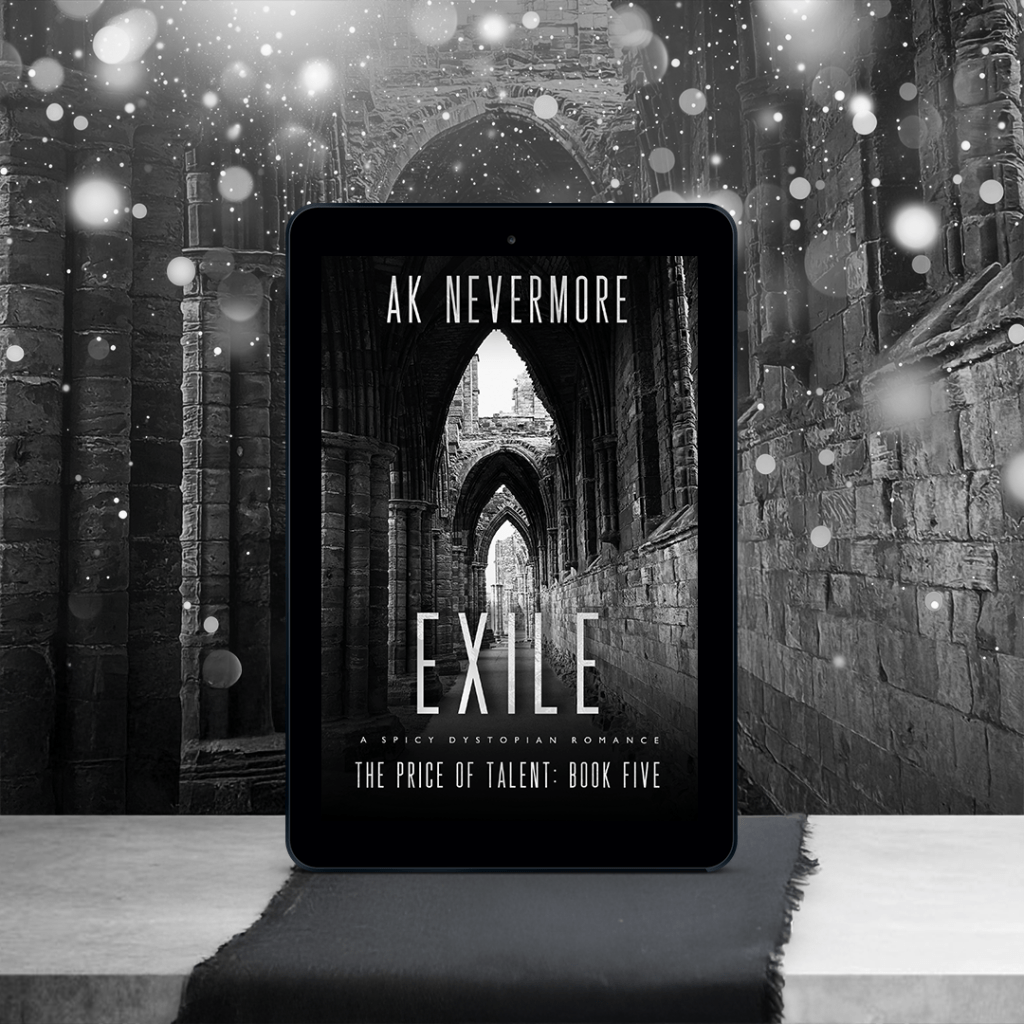
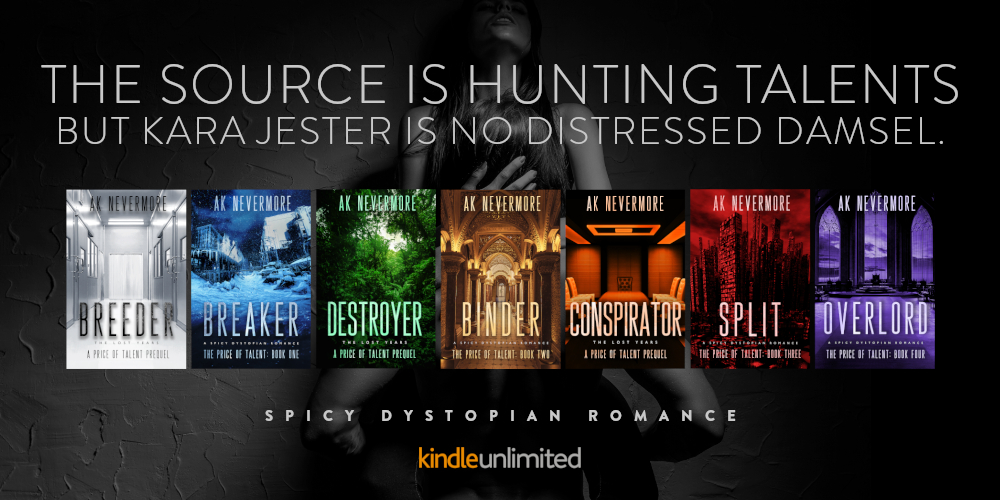
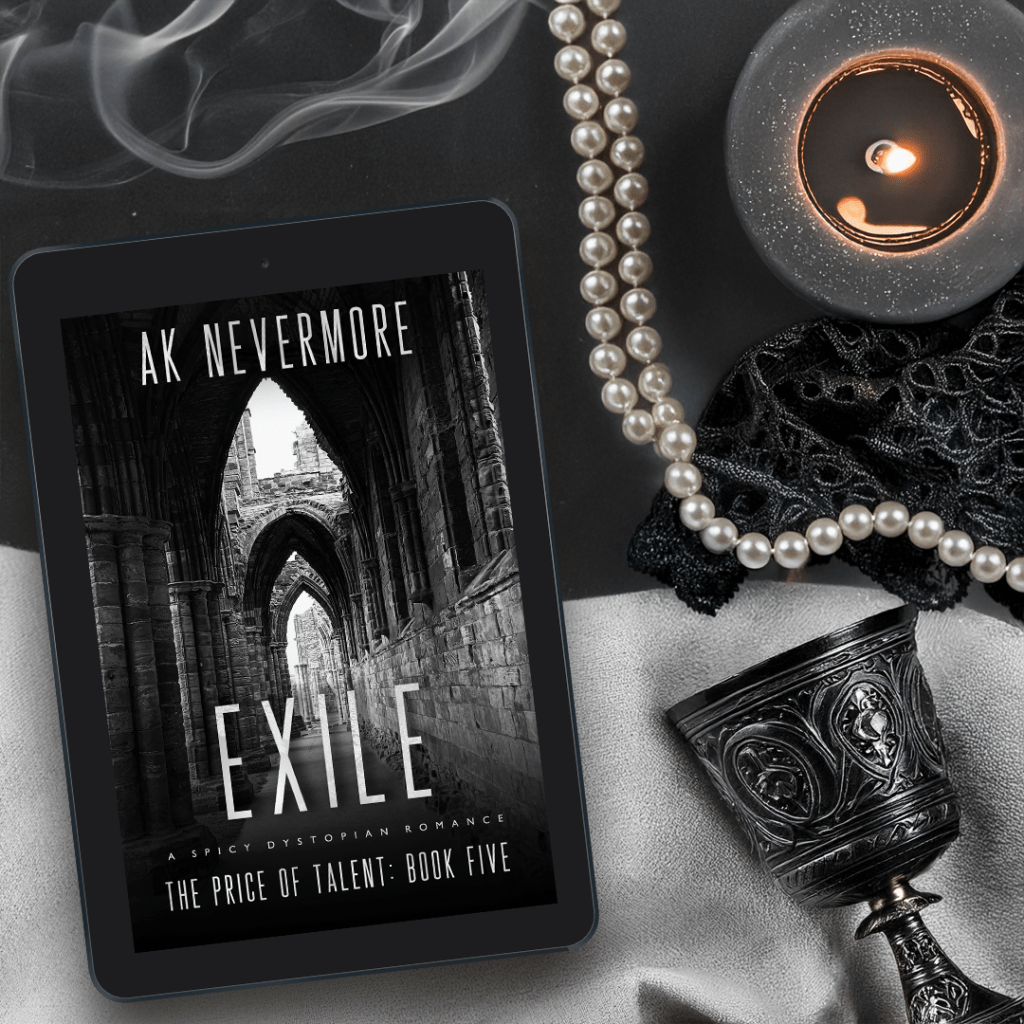
On an alternate earth, a cataclysm has altered a subset of the population. Talents are persecuted for their psychic and physical mutations, giving rise to two conflicting societies based upon maintaining genetic purity. And the Source, a shadowy corporate entity dependent upon the exploitation of captive Talents, is hunting them…
Flynn Scot is spiraling.
After a cataclysmic chain of events and devastating loss, Flynn’s grasp on reality is slipping. Backed into a corner by the Assembly and his sanity called into question, the threat of exile and having his talent stripped endangers not only him, but any chance he might have of getting his family back…if they’re not already past saving.
Deep in stasis, Kara’s fate is uncertain.
Stolen away and in the clutches of a madman, Kara’s future depends solely upon Titus’s sufferance. With unfettered access to her genome, his attention is fixated upon the next iteration of Talents—especially after events in the North change her status from prize to bait.
Because Flynn is coming for her, and he’s not coming alone.
AK Nevermore enjoys operating heavy machinery, freebases coffee, and gives up sarcasm for Lent every year. A Jane-of-all-trades, she’s a certified chef, restores antiques, and dabbles in beekeeping when she’s not reading voraciously or running down the dream in her beat-up camo Chucks.
Unable to ignore the voices in her head, and unwilling to become medicated, she writes Science Fiction and Fantasy full time.
She pays the bills editing, wielding a wicked hot pink pen and writing a column on SFF. She also belongs to the Authors Guild, is a chapter treasurer for the RWA, teaches creative writing, and on the rare occasion, sleeps.
As an Amazon Associate, I earn from qualifying purchases. That means, when you purchase a book using an Amazon link on this site, I earn an affiliate commission. All commission earnings go back into funding my books; editing, cover design, etc.
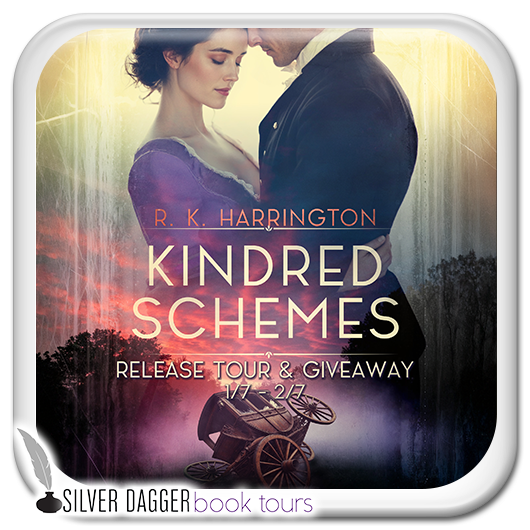
One bookish debutante. Two dashing suitors. And a season full of scandal.
One bookish debutante. Two dashing suitors. And a season full of scandal.
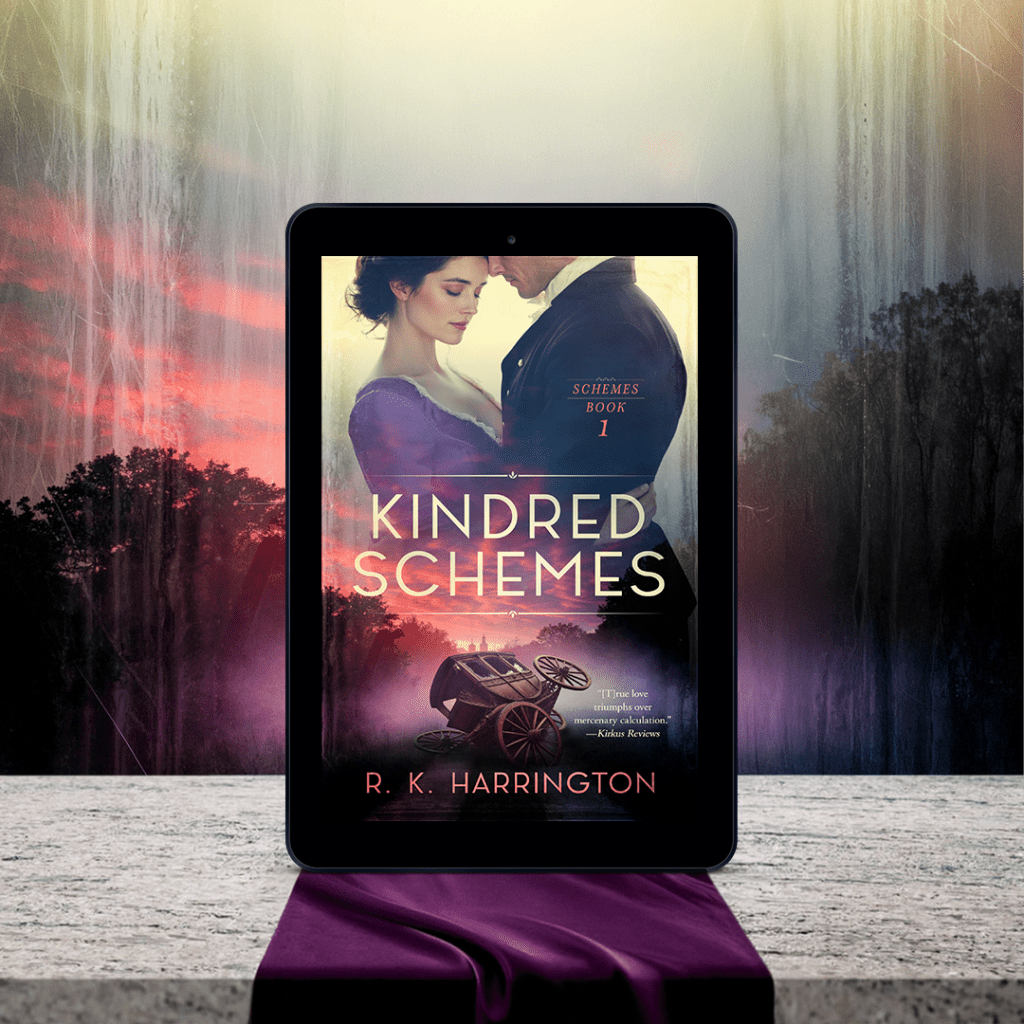
Lady Alaina Sinclair never expected London society to be so treacherous—or so tempting. She has always preferred books to ballrooms, but with a disastrous start to her first season, she’s determined to rewrite her fate. With her heart set on the respectable—and very eligible—Duke of Ashford, Alaina is ready to embrace society’s expectations… even if it means silencing her true desires.
Alaina’s world is set awry by Christopher Kendall, the Marquess of Rochester—sharp-tongued, maddeningly handsome, and inconveniently, the duke’s closest friend. Their first encounter is a disaster. Their next, a temptation. And every moment together after that, increasingly impossible to ignore. But with a web of secrets, jealous relatives, and mysterious threats unraveling around her, it soon becomes clear: this is no ordinary season.
Kindred Schemes is a modern take on a regency romance with glamour, a steamy love triangle, and enough mystery to keep readers turning the page.
What readers are saying:
“The story’s central love triangle will delight romance fans…Harrington excels in crafting multidimensional characters…[A] satisfying blend of romance, intrigue, and character-driven storytelling.” — Booklife
An entertaining period love story, nicely balancing breathless lust with social satire and high-mindedness.” — Kirkus Reviews
“The characters are colorful and sharply etched…the prose has a droll, Austen-esque verve to it, using pompously polite palaver to reveal the crassness of high society…In keeping with the style is the spirit of the book’s message—that true love triumphs over mercenary calculation. Readers will root for the feisty Alaina to overcome the stuffed shirts and find her heart’s desire.” — Kirkus Reviews
R. K. Harrington is a debut historical romance author, combining swoon-worthy romance with a bit of mystery. Her first novel, Kindred Schemes, is scheduled to be released February 2026.
In 2021, R. K. Harrington found that her daydreams were yearning to spill over to the written page, and, ever since, has been writing historical romance with a dash of mystery in hopes of publishing her work one day. After much editing, and long hours designing, she is gearing up to release her first novel, with many more to come!
R. K. Harrington grew up reading romance novels at a (maybe too) young age, and the stories entranced her. Give her a Happily Ever After (HEA) and there is no better book in the world. While romance books (namely historical romances) are her first love, R. K. Harrington is an avid reader of all genres. She has gone through many phases: medical mysteries, crime dramas, science fiction, romantasy, and is currently in a fantasy phase (she does do the occasional non-fiction book as well, namely history). Through every season of reading, romance books of all kinds are sprinkled liberally.
When R. K. Harrington is not writing or reading (or working her day job as an engineer), she is having fun with her husband, their kids, and her very cute dog, a Pembroke Welsh Corgi named Maximus. They all live in the DMV area, where the summers are hot, the winters are cold, and the two days of Spring and Fall are beautiful enough to open the windows!
As an Amazon Associate, I earn from qualifying purchases. That means, when you purchase a book using an Amazon link on this site, I earn an affiliate commission. All commission earnings go back into funding my books; editing, cover design, etc.
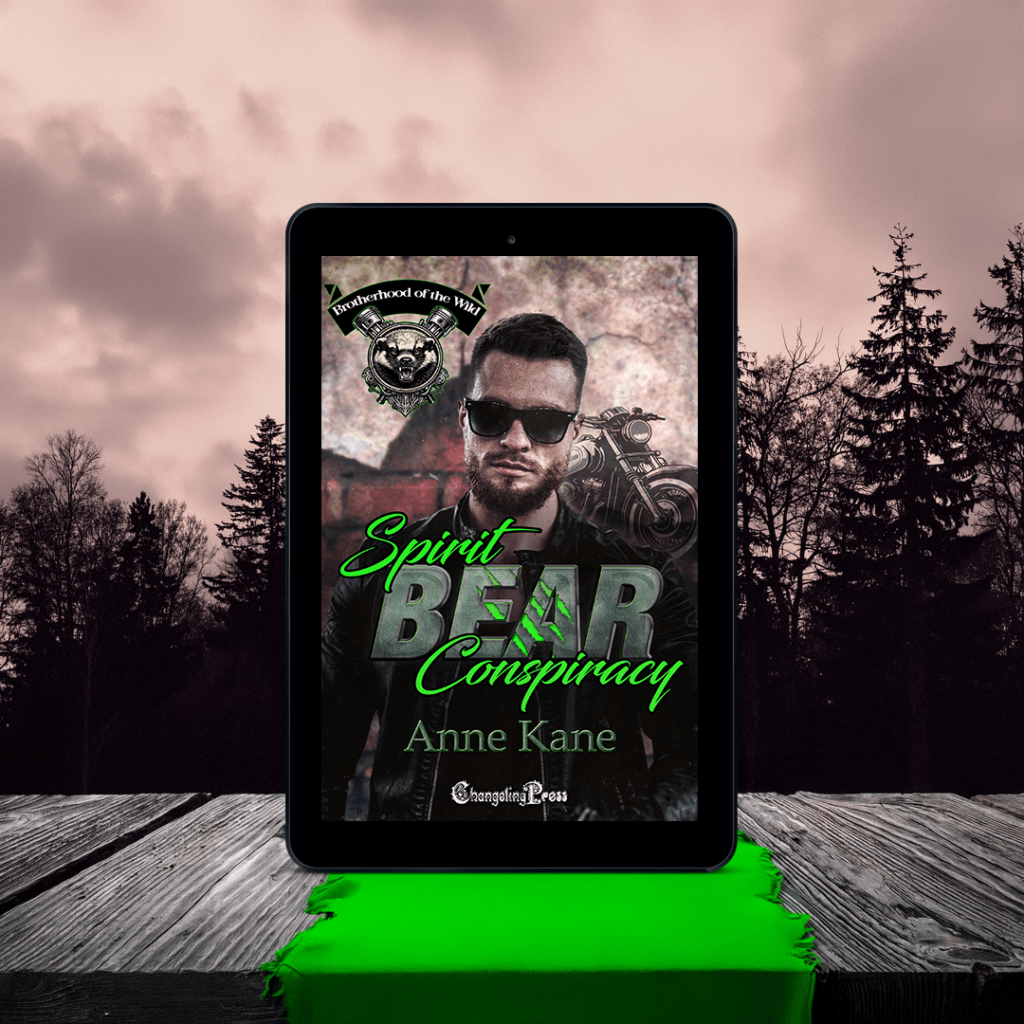
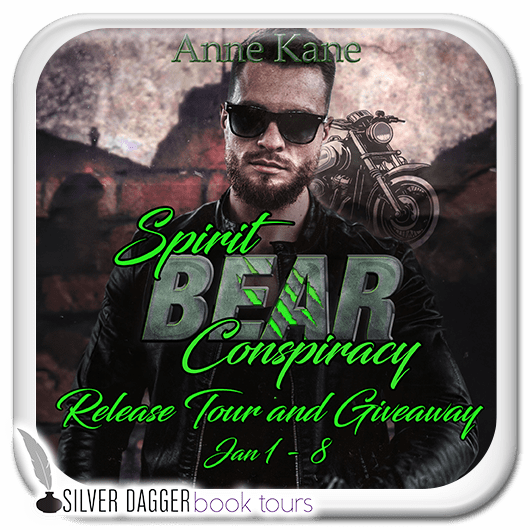
My mission: Save my woman, guard the secret of the Spirit Bear, and take down the poachers.
My mission: Save my woman, guard the secret of the rare spirit bear, and take down the poachers.
Ryland — I was tailing a gang of poachers, certain they’d lead me straight to their kingpin, when a stray arrow from a crossbow slammed into me. Pain lanced through me and everything faded to black. In that blur of unconsciousness, I could have sworn a pure white bear stood over me, calm as can be. When I opened my eyes again, a woman — curvy and impossibly beautiful — was watching me with the cutest look of mixed concern and distrust on her face.
Kimberly — I thought I was alone on a tiny island off the coast of British Columbia until an arrow from a crossbow barely missed skewering me. With my dog Diego at my heels, I ran to hide in a maze of caves, my heart pounding. Crouched down in the dark, I listened in terror as voices and footsteps floated to me from outside. I prayed the shooters wouldn’t find the spirit bear that inhabited this place. When I finally crept back out into the daylight, I found I wasn’t the only target — but the unconscious man lying in a pool of his own blood wasn’t talking. Victim or one of them?
WARNING: This Riptide action-adventure romance includes violence, abuse, coarse language, vigilante justice, and adult situations. No cheating, no cliffhangers, and a guaranteed happily ever after. Enjoy!
Loved the start of The Brotherhood series !! It has loose ties to the Author’s other series called Riptide MC ! The characters Kimberly and Ryland are well written and a lot of fun to read. The storyline has real world implications in the animal poaching and for animals living in shelters, so please be careful if such stories cause you any emotional distress. The book has a lot of action both in and out of the “bedroom”. I can’t wait to read book 2. 5’s for an action packed read !. · Dianna Rule TX
Award winning author Anne Kane lives in the beautiful Okanagan Valley with a bouncy little rescue mutt(Merlin the Wonder Dog), a slightly larger rescue dog (Lexi the Aussie Shepherd) a cantankerous Himalayan cat, and too many fish to count. She has two handsome sons and seven adorable grandchildren. She’s always been fascinated by science fiction and fantasy so of course when she writes, she lets her imagination take over. The one thing the reader can always count on is that the main characters will live happily ever after, even if they have to defeat a few nasty aliens first.
When she’s not busy writing the next great novel, she likes to kayak, hike, ride motorcycles, swim, skate, practice karate, play her guitar, sing and of course, read.
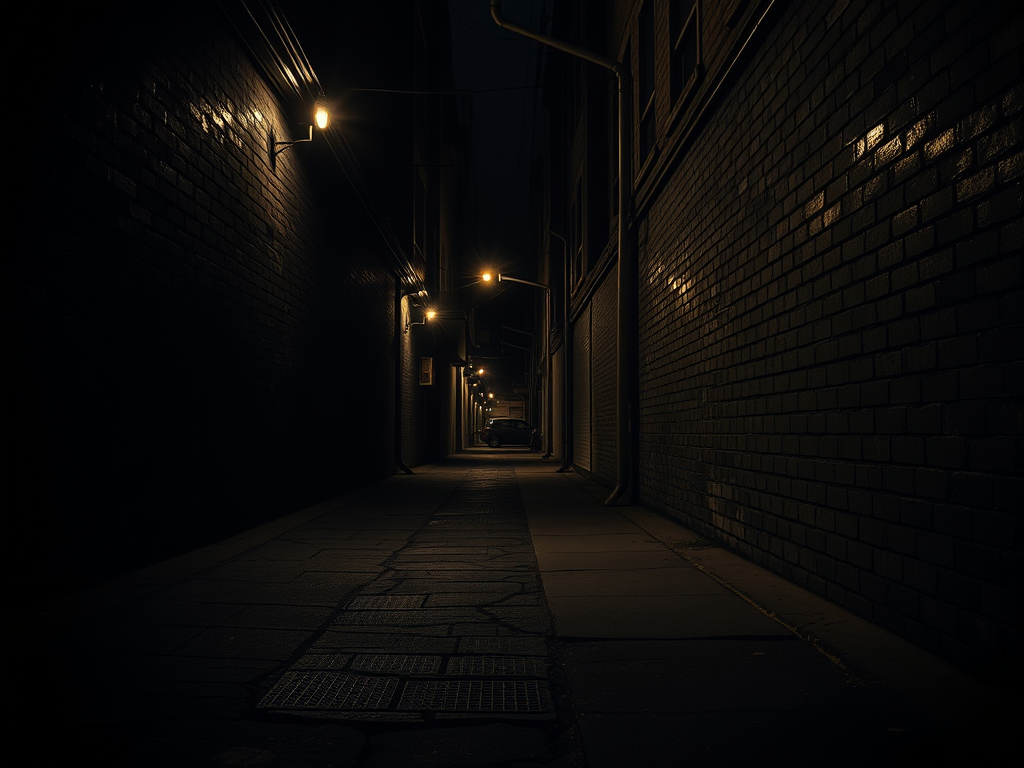
Urban fantasy readers are a special breed. If you’ve ever looked at a dark alley and wondered what might be lurking just out of sight, this genre probably already has you in its grip.
Here are 15 signs you’re definitely an urban fantasy reader—and why this genre keeps pulling us back. Yup, us, I love reading and writing urban fantasy!
1. You Love the Idea of Magic Existing Right Now
Urban fantasy isn’t about far-off worlds. It’s about this one—just with secrets hidden beneath the surface. It might be a magical underworld… vampires hiding in plain sight… werewolves that come out with the full moon… you get the picture.
2. Cities Feel Alive to You
Subways, rooftops, abandoned buildings—urban fantasy turns cities into living, breathing characters. Those dark alleys no one ventures into in the real world… they are full of characters we love to hate between the pages of novels, safe in our homes.
3. You Believe the Ordinary Is Never Truly Ordinary
That barista? Probably a witch. That stranger on the bus? Maybe not human. Even your mom, your dad, your best friend’s cousin… no one is safe from speculation when you dive into an urban fantasy adventure.
4. You Love Strong, Flawed Protagonists
Urban fantasy heroes are rarely perfect—and that’s the point. Let me ask you this: Who among us is perfect? Movie superheroes are portrayed as almost God-like with their perfect personalities. However, in real life, as in urban fantasy, most heroes have flaws just like you and me, and oftentimes even worse.
5. Found Family Hits Hard
These stories thrive on chosen family, loyalty, and unlikely alliances. We can’t pick the family we are born into, but the family we do select can be even stronger. Urban fantasy stories flourish when the ‘found family’ aspect is at its best.
6. You Enjoy Darker Themes
Urban fantasy isn’t afraid of shadows, trauma, or moral gray areas. Not going to lie… there are often trigger warnings associated with many of the dark urban fantasies. Go in with caution… enjoy with an open mind.
7. You Love Rules to Magic
Magic systems matter—and breaking them always comes with consequences. This is pretty self-explanatory. Rules exist, no matter what world you live in. Break the rules and pay the price.
8. You Enjoy Slow-Burn Romance
Romance exists, but it never overshadows the story. That feeling of ‘what if’ or ‘just do it’ will come up, but it is rarely the driving force.
9. You Like Stories That Feel Real
Even with magic, the emotional stakes stay grounded. Urban fantasy reality, even when adding the element of magic or supernatural beings, doesn’t have to seem pretend or far-fetched.
10. You’re Drawn to Mythology
Gods, demons, fae, legends—urban fantasy reimagines them all. I love me some Greek mythology, which is the inspiration for a lot of urban fantasy stories.
11. You Love Secrets
Every chapter feels like peeling back another layer… diving deeper into a world we aren’t supposed to know exists. Maybe it does… maybe it doesn’t… who’s to say? The stories come from somewhere.
12. You Like Power With a Price
Again, nothing comes without consequences.
13. You Prefer Dark Humor
Sarcasm and grit go hand-in-hand in this genre. Do your friends often tell you that you have a dark sense of humor or that your humor is dry or harsh? Yeah, you just might fit in with the rest of us!
14. You Love Worlds That Feel Just Out of Reach
Urban fantasy whispers, This could be real. Urban fantasy calls to readers… drawing them in, but often keeping them peeking through the window, just outside of reality.
15. You Always Want More –
Once you find a good series, you’re in for life. Book 1… book 10… or even book 40… keep them coming.
DO YOU LIKE STARTING A SERIES THAT IS ALREADY COMPLETE, KNOWING YOU WON’T HAVE TO WAIT FOR THE NEXT ONE TO COME OUT? YOU’RE IN LUCK, BOTH MY BLOOD ANGEL SERIES AND MY SECTOR C SERIES ARE AVAILABLE IN FULL! CHECK THEM OUT BELOW!
Dystopian fiction has always mirrored society—but lately, it feels uncomfortably close to home. Readers aren’t drawn to dystopian worlds because they’re bleak. They’re drawn to them because they ask hard questions.
How it explores the theme: Power is hierarchical and political: the White Council, vampire courts, fae queens. Control is maintained through rules, fear, and tradition.
Why it matters: Magic doesn’t equal freedom — power always comes with oversight and consequences.
How it explores the theme: Society is governed by a council of vampires and shapeshifters. Yet the world, and their power, begin to crumble around them.
Why it matters: In a world where control is everything, a pebble in the pond can change the world!
There’s something about the holiday season that feels like a book you return to year after year.
The familiar opening lines. The comforting setting. The quiet moments that linger long after the last page.
As the year comes to a close, I wanted to pause and say thank you—and Happy Holidays—to every author I’ve had the honor of featuring here, and to every reader who has spent even a few minutes of their time wandering through my posts (or even better, through the pages of my novels).
If you’re reading this, you’re part of a community that believes in stories. You’re part of MY community.
And that matters. It matters to me.
Books Are the Gifts That Never Stop Giving
Books have always been a special kind of gift. They don’t sparkle under the tree, but they glow in other ways:
They offer escape when the world feels heavy. They provide comfort when words are hard to find. They challenge us, soften us, and sometimes even change us.
This time of year, stories feel especially powerful. We read by twinkling lights. We recommend favorite novels to friends. We tuck books into stockings, hoping the right story finds the right person at the right time.
Stories remind us that even in dark chapters, hope still exists.
And that’s a very special kind of magic.
To the Authors Who Shared Their Stories Here
To every author who trusted me with their work, their process, their vulnerability, and their voice—thank you.
Writing is brave. Sharing that writing is even braver.
Behind every book is a person who wrestled with doubt, chased inspiration at odd hours, and kept going even when the path felt uncertain. Trust me, I know! Featuring your stories on this site has been one of the greatest joys of my year, and I’m endlessly grateful for the chance to spotlight your creativity.
Your words matter. Your stories matter. And I can’t wait to see where the next chapter takes you.
To the Readers Who Keep Showing Up
And to the readers—those who comment, share, recommend, and quietly return—thank you for being here.
Readers are the heartbeat of storytelling. Without you, stories are just words on a page. With you, they become worlds, emotions, and memories.
Whether you found this site through a favorite genre, an author interview, or a single late-night scroll, I’m grateful you stayed.
May your holidays be filled with stories that make you feel understood, inspired, and a little less alone.
Turning the Page on a New Year
As we step into a brand-new year, I hope it brings:
More time to read
More courage to write
More stories that surprise us
And more moments of quiet joy with a good book in hand
The best stories are never really finished—they simply invite us to keep reading.
So here’s to fresh chapters, new ideas, and the magic that only stories can create.