Every writer starts somewhere. Whether you’re working on your first novel, drafting short stories, or dreaming of seeing your name on a book cover, the journey from aspiring writer to published author is filled with lessons. Some hard… some easy. The good news? Many of the challenges new writers face are common—and avoidable.
If you’re just beginning your writing journey, here are ten mistakes many new writers make (been there, done that) and some practical ways to steer clear of them.
1. Waiting for Inspiration to Strike
Many new writers believe they must feel inspired before they can write. Unfortunately, inspiration is unpredictable and uncontrollable.
How to avoid it: Develop a writing habit. Set aside dedicated time each day or week to write, even when you don’t feel particularly creative. Inspiration often arrives after you’ve begun. So, put it on your calendar and make the time, just as if it were an important appointment you wouldn’t want to miss.
2. Trying to Make the First Draft Perfect
Perfectionism is one of the biggest obstacles writers often face. Spending hours polishing the first chapter while the rest of the story remains unwritten can bring progress to a dead halt.
How to avoid it: Give yourself permission to write badly. First drafts are supposed to be messy. Focus on finishing the story first. Editing comes later… much later.
3. Overloading the Story with Information
New writers sometimes feel compelled to explain everything immediately—character histories, world-building details, and backstory.
How to avoid it: Trust your readers. Reveal information gradually and naturally. Allow readers to discover the world and characters as the story unfolds within the pages of your book.
4. Neglecting Character Development
Readers connect with characters more than plots. Even the most exciting storyline can fall flat if the characters feel shallow or unrealistic.
Finishing a first draft is a major accomplishment, but it’s only the beginning. Your first draft is never the finished product.
How to avoid it: Accept that rewriting is part of the process. Most books go through multiple rounds of beta readers and editors. Great writing often finds its way to the page during revisions.
6. Comparing Yourself to Other Writers
It’s easy to become discouraged when comparing your work to bestselling authors or writers who seem more successful.
How to avoid it: Remember that every writer has a different journey. Focus on improving your own craft rather than measuring yourself against someone else’s accomplishments.
7. Not Reading Enough
Some writers become so focused on producing their own work that they neglect reading. They don’t understand that reading is part of the process.
How to avoid it: Read widely and often. Explore different genres and writing styles. Reading not only fuels creativity but also teaches valuable lessons about storytelling. It is also a very helpful tool when you do find yourself in a writing slump.
8. Trying to Please Everyone
Writing with the goal of satisfying every reader can dilute your voice and make your work feel generic.
How to avoid it: Write the stories you’re passionate about. Your unique perspective is one of your greatest strengths, and the right readers will connect with it. You have one reader to make proud, yourself. So, write the book you want to read, and other readers will show up.
9. Giving Up Too Soon
Many aspiring authors abandon projects when they encounter setbacks, rejection, or self-doubt.
How to avoid it: Understand that perseverance is part of being a writer. Rejections, disappointing reviews, and moments of frustration happen to every author. Success belongs to those who keep going.
10. Believing You Have to Do It Alone
Writing may be a solitary activity, but the journey doesn’t have to be lonely.
How to avoid it: Find a writing community. Join critique groups, attend conferences, connect with other writers online, and learn from authors who have gone before you. Encouragement and accountability can make all the difference.
Here is the truth of it all…
No writer starts out knowing everything. Mistakes are part of the learning process, and every draft teaches us something new. The key isn’t avoiding every misstep—it’s continuing to grow and improve, and above all else, to keep writing.
Remember, every bestselling author was once a beginner staring at a blank page.
So give yourself grace, embrace the process, and keep putting words on the page. Your story matters, and someone out there is waiting to read it.
A cozy home office/library… prime for writing time!
When people think about successful authors, they often picture inspiration striking like lightning — a writer sitting in a cozy room effortlessly crafting bestselling novels. In reality, most successful authors rely less on sudden inspiration and more on consistent daily habits.
Writing a book doesn’t happen overnight. It happens sentence by sentence, page by page, and day by day.
While every writer’s process looks different, many successful authors share similar routines that help them stay creative, productive, and focused. Whether you’re an aspiring novelist or a seasoned writer working on your next project, adopting a few intentional habits can make a tremendous difference in your writing journey.
Here are some of the most common daily habits of successful authors.
1. They Write Consistently
One of the biggest differences between writers who finish books and writers who don’t is consistency.
Successful authors understand that waiting for motivation isn’t reliable. Instead, they build a regular writing routine — even on days when creativity feels low.
Some write for hours every morning. Others squeeze in 30 minutes before work or late at night. The key isn’t necessarily how long they write, but how consistently they show up.
Progress adds up over time.
2. They Read Every Day
Great writers are almost always great readers.
Reading exposes authors to different writing styles, storytelling techniques, dialogue structures, pacing, and character development. It also helps refill the creative well.
Many successful authors read both inside and outside their genre to broaden their perspective and sharpen their craft.
Remember, reading isn’t a distraction from writing — it’s part of the process.
3. They Protect Their Creative Time
Successful writers treat writing like a priority, not an afterthought.
They create boundaries around their writing time by limiting distractions, turning off notifications, or setting dedicated work hours. Some wake up early before the rest of the world is awake, while others write during their most productive hours of the day.
Protecting creative energy is often just as important as finding it.
4. They Accept Imperfect First Drafts
Many new writers get stuck trying to make every sentence perfect the first time around.
Successful authors know better. They understand that first drafts are supposed to be messy. The goal is progress, not perfection. Editing comes later.
Giving yourself permission to write imperfectly can remove a tremendous amount of pressure and help creativity flow more freely.
5. They Stay Curious
Writers draw inspiration from the world around them.
Successful authors observe conversations, study people, ask questions, and pay attention to everyday details. Curiosity fuels storytelling.
Sometimes the smallest moment — a stranger’s comment, a childhood memory, or a random news headline — can spark an entirely new story idea.
6. They Keep Notes and Ideas Nearby
Ideas rarely arrive at convenient times.
Many authors keep notebooks, voice memos, or notes apps nearby to capture dialogue snippets, story concepts, character ideas, or sudden inspiration before it disappears.
A small idea today could become the foundation for a future novel or even a series.
7. They Embrace Discipline Over Motivation
Motivation comes and goes. Discipline is what keeps books moving forward.
Successful authors understand that not every writing session will feel magical. Some days are difficult, frustrating, or uninspired. But they continue anyway.
The habit of showing up consistently often matters more than fleeting bursts of inspiration.
8. They Take Care of Their Mental and Physical Health
Writing requires mental clarity, creativity, and emotional energy.
Many successful authors prioritize habits that support their overall well-being, such as exercise, sleep, healthy routines, and time away from screens.
Burnout can quickly drain creativity. Rest and balance are essential parts of a sustainable writing life.
Let me speak honestly here… This is my problem. I often take on way too much, and my mental and physical health suffer for it. When that happens, my writing is often the first commitment that gets set to the side. For example, I am a wife, a mom, a full-time Realtor, I am a co-owner of a local lounge bar and wine/bourbon retail shop (The Vine And Oak), I am the owner/founder of a new local theatre troupe (Front Row Theatre Troupe) that does dinner theatre at a local restaurant (Main Street Cafe), and I am an author. That is a lot of hats to wear, and I often find very little time to just focus on myself. White space on my calendar doesn’t exist, so exercise time, meditation time, etc., tend to get forgotten. When that happens, my creativity goes down the drain, and my writing time suffers.
9. They Learn Continuously
The writing journey never truly ends.
Successful authors continue improving their craft through workshops, podcasts, books, classes, critique groups, and feedback from other writers. No matter how experienced they become, they remain open to growth.
10. They Finish What They Start
Starting a story is exciting. Finishing one requires commitment.
Many successful authors develop the habit of pushing through the middle sections, difficult scenes, and moments of doubt instead of abandoning projects too soon.
Finished manuscripts create opportunities. Unfinished ideas stay stuck in notebooks.
There’s no single formula for becoming a successful author. Every writer has different routines, creative rhythms, and processes. However, consistent habits often separate those who dream about writing from those who actually complete books.
Success in writing rarely comes from one perfect day of inspiration. More often, it’s built through small daily actions repeated over time.
Write regularly. Read often. Stay curious. Keep learning. And most importantly, keep showing up for your stories.
Those small habits may eventually lead to something extraordinary.
Every writer faces it sooner or later: writer’s block. One day the words flow effortlessly, and the next, the blank page feels impossible to conquer. Whether you’re drafting your first novel, working on your tenth manuscript, or simply trying to finish a blog post, creative roadblocks are a normal part of the writing journey.
The good news? Writer’s block doesn’t have to stop you for long.
Here are 25 practical tips to help you break through the mental fog, rediscover your creativity, and get the words flowing again.
1. Stop Waiting for Perfection
Perfectionism is one of the biggest causes of writer’s block. Give yourself permission to write badly. You can always edit later.
2. Write Something Different
If your novel feels stuck, try journaling, poetry, flash fiction, or even a social media post. Sometimes creativity just needs a change of scenery.
3. Set a Tiny Goal
Instead of aiming for 2,000 words, aim for 100. Small victories build momentum.
4. Take a Walk
Movement clears the mind. Some of the best story ideas appear when you step away from the keyboard.
5. Read a Great Book
Reading reminds you why you fell in love with storytelling in the first place and can definitely spark creativity when you feel like the flames have all died down.
6. Change Your Environment
Try writing at a coffee shop, library, park, or different room in your house. A fresh setting can inspire fresh ideas.
7. Write the Scene You Want to Write
You don’t have to write your book in order. Skip ahead to the exciting scene that’s been living in your head.
8. Turn Off Your Inner Critic
Your first draft is not supposed to be polished. Let creativity happen before editing begins. I know it is hard, but if you can just write without stopping to correct your mistakes, you might find that the creativity continues to flow.
9. Use Writing Prompts
Prompts can jumpstart creativity when your imagination feels stuck. You can even use Google to search for writing prompts in the genre of your story, that way you stay within the same mindset.
10. Talk Through Your Story Out Loud
Sometimes speaking your ideas out loud helps untangle plot problems faster than staring at a screen.
11. Take a Break Without Guilt
Rest is productive. Your brain often solves creative problems in the background. Take a break for 5 minutes or 5 days, sometimes you just need to give yourself a timeout.
12. Listen to Music
Create a playlist that matches the mood of your story or characters. Do you write in silence or with background noise like music? Sometimes writing to a playlist curated by the mood of your story can help. And, if you like to write in silence, listening to the playlist while not writing can spark ideas and creativity between writing sessions.
13. Revisit Your “Why”
Why did you start writing this story? Reconnecting with your purpose can reignite motivation.
14. Eliminate Distractions
Put your phone away, close unnecessary tabs, and give your writing your full attention.
15. Write at a Different Time of Day
You may discover your creativity works better early in the morning or late at night.
16. Don’t Compare Yourself to Other Writers
Every writer’s journey looks different. Focus on your progress, not someone else’s highlight reel. This one is so important. Don’t compare yourself to the author who pumps out 12 books a year, or the one who always seems to have a new release just around the corner. Your journey is yours and theirs is theirs.
17. Brain Dump Your Ideas
Write down every thought, scene, or dialogue snippet without organizing it. Clarity often follows chaos.
18. Re-read Your Favorite Scene
Reading something you’ve already written well can boost confidence and help you reconnect with your voice.
19. Set a Timer
Try writing nonstop for 10 or 15 minutes. You might be surprised how much appears when you stop overthinking.
20. Remember That Inspiration Often Follows Action
Waiting to feel inspired can keep you stuck. Sometimes the act of writing creates inspiration.
21. Talk to Other Writers
Writing communities can offer encouragement, accountability, and fresh perspectives. I bet you have a local writing group in your area. Reach out to your local library or search on social media and get connected.
22. Focus on Progress, Not Word Count
Even a single paragraph is progress. Even a single sentence is progress. Celebrate those small wins.
23. Give Your Characters New Problems
If your story feels flat, raise the stakes. Conflict creates momentum.
24. Accept That Writer’s Block Happens to Everyone
Even bestselling authors struggle sometimes. Writer’s block is not failure — it’s part of the process.
25. Keep Showing Up
The most important thing a writer can do is continue. One sentence at a time still moves the story forward.
Writer’s block can feel frustrating, discouraging, and even overwhelming. But it doesn’t mean you’ve lost your talent or creativity. More often than not, it simply means your mind needs a reset, a new perspective, or permission to write imperfectly.
Some days writing will flow naturally. Other days it will take discipline and patience. Both are part of being a writer.
Keep going. Your story is still worth telling.
You can break through writer’s block… You just have to find the right strategy for you! Comment below and share what works for you.
There’s a reason murder mystery books never go out of style. From classic whodunits to modern psychological crime fiction, readers continue to return to stories centered on the darkest act imaginable — not because they crave violence, but because they crave understanding.
At their core, murder mysteries offer something deeply human:
Order in chaos
Answers where there was confusion
Justice, even when it’s imperfect
Mystery readers aren’t fascinated by death. They’re fascinated by truth.
And in every mystery, truth is the ultimate prize.
There is an innate human need for order in chaos!
Murder is the ultimate disruption. It shatters routine, safety, and expectation in a single moment. In real life, that kind of chaos often remains unresolved, messy, and painful.
In crime fiction, however, chaos is given a framework. A mystery promises the reader something reality often cannot: The belief that everything will make sense eventually.
Through clues, patterns, and investigation, murder mysteries restore balance to a broken world. Even when the ending is grim, the act of uncovering the truth provides emotional closure.
This is why mystery readers feel comforted — not disturbed — by these stories.
And let’s be honest, a lot of us, especially those of us who love a good mystery, also love the search for truth!
At the heart of every murder mystery is a question:
What really happened?
The psychology of crime fiction revolves around curiosity. Humans are natural problem-solvers, and mysteries invite readers to participate rather than observe.
We analyze suspects
We track motives
We question alibis
We search for inconsistencies
Unlike many genres, murder mysteries treat readers as intelligent collaborators, not passive consumers. Each page becomes an invitation to think deeper, notice more, and question assumptions.
That intellectual engagement is addictive. It is what keeps us up late at night, turning page after page.
When you really think about it, murder mysteries offer control over our deepest fears.
Darkness exists in the real world — violence, betrayal, cruelty — and pretending otherwise doesn’t make it disappear. Mystery novels (much like true crime podcasts) allow readers (and listeners) to confront those fears from a position of safety.
In a book, the threat is contained, the danger has boundaries, and the reader controls when to turn the page and when to stop reading.
This sense of control is critical. Crime fiction lets readers explore fear without being consumed by it. The structure of the genre acts as a psychological safety net. Along the same lines, true crime allows the listener/reader to gain knowledge by exploring real-life situations to heighten their awareness as a form of self-defense or personal protection.
This is one of the biggest reasons people love mysteries: they allow us to look at the darkness without being swallowed by it.
We all seek justice, even when it’s complicated; mysteries often provide that.
Real-world justice is often slow, flawed, or nonexistent. In murder mysteries, justice may not always be clean — but it is acknowledged.
Sometimes the killer is punished, sometimes they’re exposed, and sometimes justice is moral, not legal.
But the story always recognizes that what happened matters.
For mystery readers, this acknowledgment is powerful. It reassures us that actions have consequences and that truth still holds value — even in broken systems.
Oftentimes, the “Why” matters more than the “Who” in mysteries and in life!
While readers enjoy solving the puzzle, the most compelling murder mysteries go deeper than who committed the crime.
They ask:
Why did this happen?
What broke inside someone?
What pressures, fears, or secrets led to the act?
This exploration of motive is where crime fiction becomes deeply human. Murder mysteries aren’t about monsters — they’re about people. Flawed, frightened, desperate people.
And that’s what makes them unsettling — unforgettable — and often real.
If you’ve ever listened to (or read) true crime, you already know that ordinary people make the most terrifying villains.
One of the most haunting elements of modern murder mystery books (and real life) is the realization that evil rarely looks evil.
The killer is often a spouse, a friend, a neighbor, a co-worker, or someone trusted.
This forces readers to confront an uncomfortable truth: darkness doesn’t always announce itself.
Crime fiction holds up a mirror to society and asks: How well do we really know the people around us?
That question lingers long after the final page. It makes us look at those around us in a slightly different way.
I don’t believe that as a society we are fascinated by death — I believe we’re fascinated by truth.
At its core, the enduring appeal of murder mysteries isn’t morbid curiosity. It’s the belief that truth can still be uncovered, even when everything feels broken.
Mystery readers return to these stories because they promise: clarity, meaning, and understanding.
In a world filled with unanswered questions, crime fiction offers one profound comfort:
The truth matters — and it’s worth seeking, no matter how dark it gets!
Maybe one day I’ll write a murder mystery… for now, I will continue to enjoy reading them!
It’s been a little quiet around here lately… and if you’ve been following along, you’ve probably noticed.
The truth is that life has been full in the best (and busiest) ways. Real estate has picked up in a big way this year and in between helping clients navigate one of the biggest decisions of their lives, I’ve also been soaking in a pretty special season at home—my son’s graduation is right around the corner. If you’ve ever walked through a milestone like that, you know how quickly time seems to speed up. To top it off, I’ve started a dinner theatre troupe (Front Row Theatre Troupe) and our first production opens tonight and runs for one weekend.
Somewhere in the middle of all of that, my writing routine slowed down more than I’d like to admit.
But here’s what hasn’t changed: my commitment to this year’s goal of publishing two books.
I haven’t walked away from the stories. Not even close. If anything, they’ve been quietly growing in the background—taking shape in snippets of notes, late-night ideas, and those moments where inspiration shows up at the most inconvenient times (like in the middle of a showing or while driving between appointments).
Sometimes the creative process isn’t about constant output. Sometimes it’s about living enough life to have something meaningful to write about.
That said… I’m ready to get back to it.
Over the next few weeks, you’ll start to see more from me again—both here on the blog and behind the scenes as I move these projects forward. I’m excited about what’s coming, and I think you will be too. There are stories in the works that feel deeper, more layered, and more alive than anything I’ve written before.
Thank you for your patience, for sticking with me, and for continuing to care about the stories I’m telling.
We’re not behind… we’re just building momentum.
And the best is still ahead.
The empty page can either be exciting or frustrating… Today it is exciting!
Earlier this year, I made a commitment in writing — I said I would publish two books this year.
That wasn’t a casual goal. It was intentional. A little scary, but very real.
So today, I want to share an update.
Book One of my newest series (NAME TO BE ANNOUNCED SOON) is officially in rewrites.
This stage of the process is one of my favorites — and also one of the most demanding. Rewrites aren’t about fixing something broken. They’re about refining something with potential. They’re where characters deepen, tension sharpens, and themes become clearer. It’s where the story truly becomes what it was always meant to be.
According to my beta readers and editor, the bones are strong and the world is alive. Most importantly, the heart of the story is exactly where I want it to be.
Now it’s about polishing and fine-tuning.
Once rewrites are complete, the manuscript will head to final editing. From there, it’s formatting, cover design, and all the behind-the-scenes pieces that transform a document into a book you can hold in your hands (or download to your device).
If all continues on schedule, I’m hoping for a late April or early May release. Please keep your fingers crossed for me.
I share that carefully — not as a hard promise, but as a target I’m actively working toward. Publishing isn’t just about finishing a draft. It’s about stewarding a story well all the way to the finish line. And I want to do that thoughtfully.
What I can say with certainty is this: the progress is real and I am so excited for you all to meet the characters who have been living in my mind for the past few months.
The world within this story is expanding in ways that excite me. The emotional arcs are landing more deeply. The layers feel richer. Every pass through the manuscript makes it stronger.
When I wrote that New Year’s resolution about publishing two books this year, I meant it. And this is the first major step toward fulfilling that commitment to both my readers and me.
Thank you for following along in this season of creation. Writing can sometimes look quiet from the outside, but there is so much happening beneath the surface. I can’t wait to share more as I move closer to release.
Disclaimer: Theatre Happenings has never and will never sell or share your information with anyone. All information you provide via the links (Submission Form, Giveaway Entry Form, and Feedback Form) within this newsletter is used solely for the purposes of Theatre Happenings and its moderator (Nina Soden) to ensure the best experience possible.
A LITTLE ABOUT ME
GIVEAWAY WINNER ANNOUNCED
PRODUCTIONS
EVENT
GROUP
LOCATION
DATE
I love you, You’re Perfect… Now Change
Bank Street Players
Banksy Event Venue
2/6-2/8
Open To Suggestions: Valentine’s Day Show
Plumb Line Events
Fantasy Playhouse Children’s Theatre
2/13
9 To 5 The Musical
The Whole Backstage
The Whole Backstage, Guntersville, AL
2/13-2/22
The Choir of Man
Broadway Theatre League
Mark C. Smith Concert Hall
2/13-2/14
Brahms Violin Concerto
Huntsville Symphony Orchestra
Mark C. Smith Concert Hall
2/21
& Juliet
Broadway Theatre League
Mark C. Smith Concert Hall
2/24-3/1
Jim Brickman & Huntsville Symphony Orchestra
Huntsville Symphony Orchestra
Mark C. Smith Concert Hall
3/7
Mrs. Doubtfire
Broadway Theatre League
Mark C. Smith Concert Hall
3/27-3/29
Dreams in Flight
Huntsville Symphony Orchestra
Mark C. Smith Concert Hall
4/11
Cat on a Hot Tin Roof
The Whole Backstage
The Whole Backstage, Guntersville, AL
4/17-4/26
Give Me Justice
Valley Consort
Messiah Lutheran Church, Madison & Faith Presbyterian Church, Huntsville
4/24-4/25
Video Games Live
Huntsville Symphony Orchestra
Mark C. Smith Concert Hall
4/25
Bolero
Huntsville Symphony Orchestra
Mark C. Smith Concert Hall
5/2
Water for Elephants
Broadway Theatre League
Mark C. Smith Concert Hall
5/5-5/9
Oklahoma
The Whole Backstage
The Whole Backstage, Guntersville, AL
6/19-6/28
OTHER THEATRE-RELATED EVENTS / ARTS-RELATED INFORMATION
DETAILS
GROUP/ETC
LOCATION
DATE
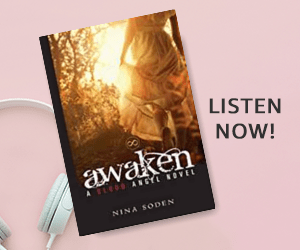
Awaken – Audiobook Released
Nina Soden
Amazon
NOW
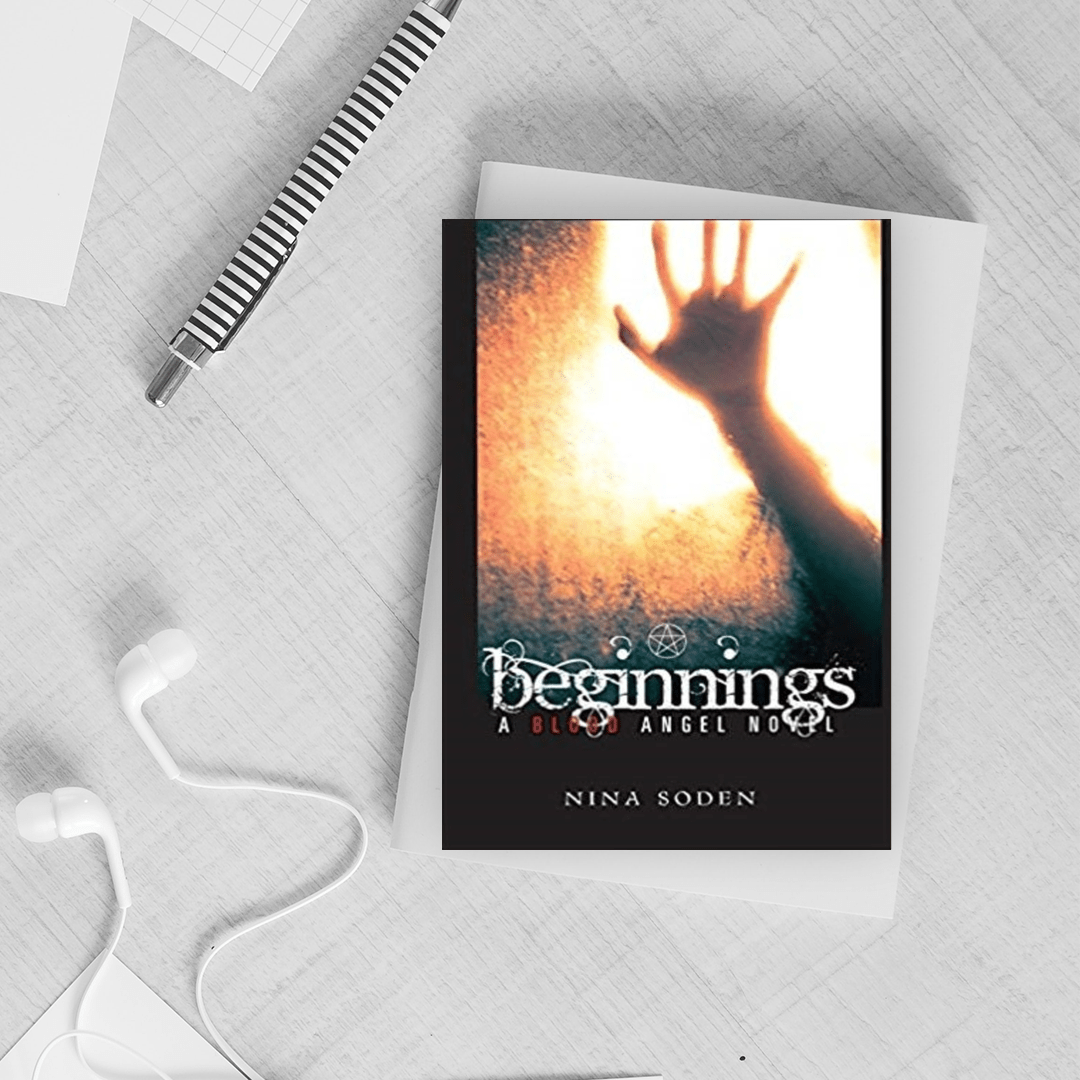
Beginnings – Audiobook Just Released
Nina Soden
Amazon
NOW
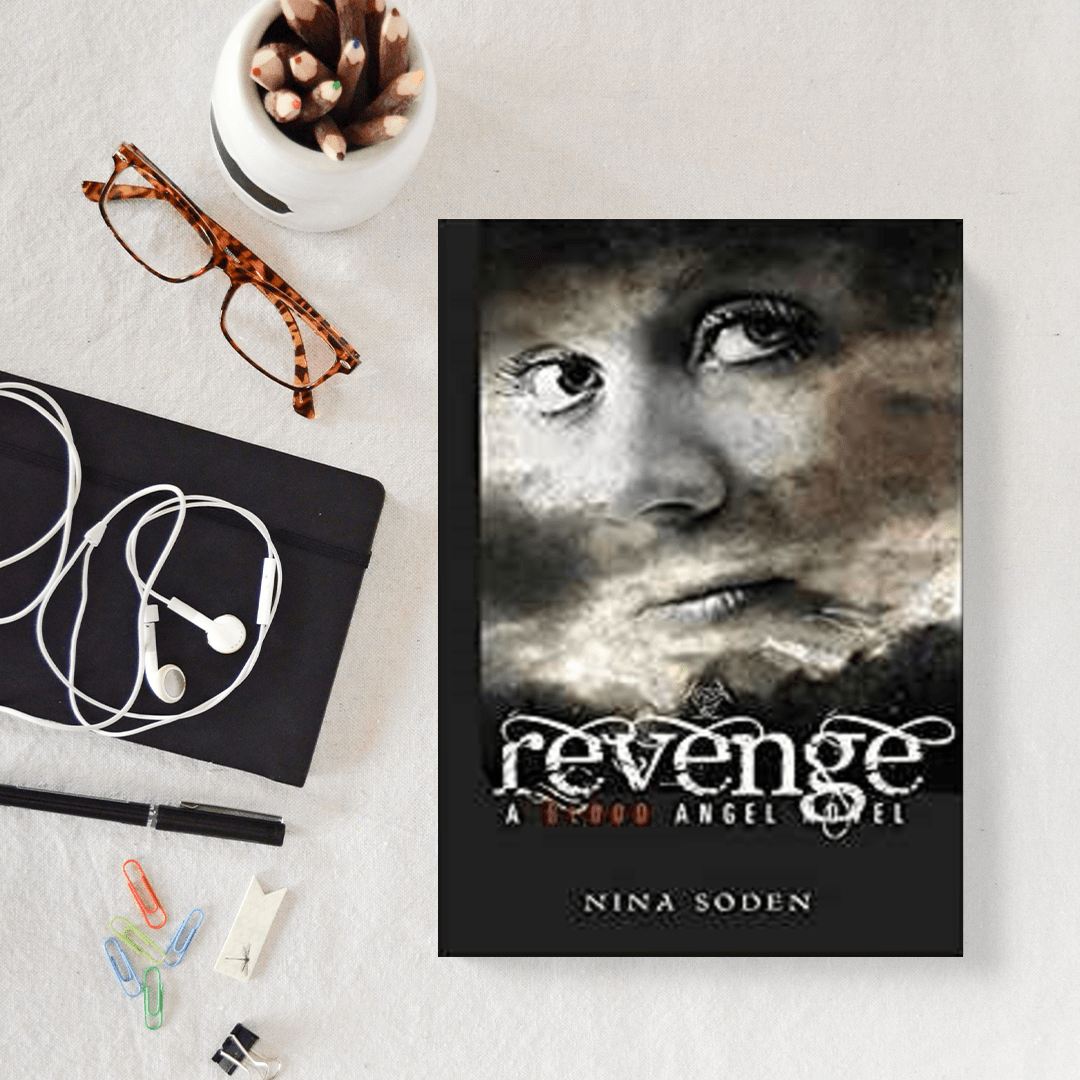
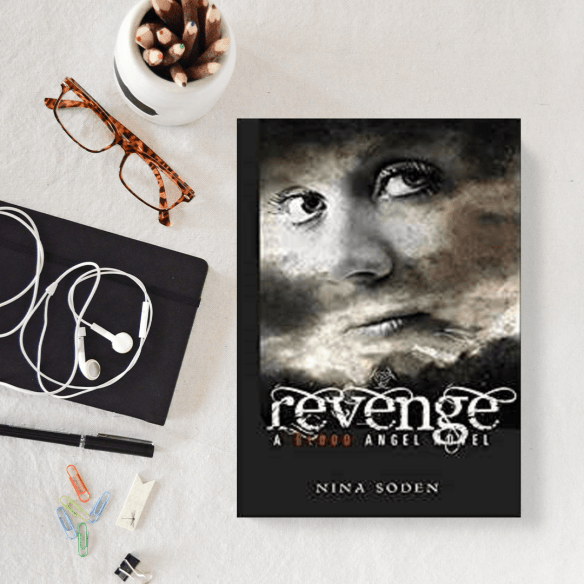
Revenge – Audiobook Just Released
Nina Soden
Amazon
NOW
A Winter Affair
Independent Musical Productions
Trilogy Hotel
2/5
SUBMISSION REQUESTS
MONTHLY GIVEAWAY DETAILS
Lessons from a Flubbed Line
Once during an audition, while performing a monologue, I completely blanked. My heart stopped — but instinct kicked in, and I improvised until the words found their way back. I don’t know if the casting director knew or not. If she did, she never said anything. In the end, I got the part. I learned that sometimes improvisation is not only necessary but also welcomed.
Real estate is full of those moments, too — unexpected hiccups, sudden shifts, creative pivots. Experience has taught me how to stay calm, adapt, and guide my clients through to the final curtain call.
Nina Soden (Associate Broker/Realtor, The Soden Team at LEGEND REALTY)
Sarah, you have won two tickets to Broadway Theatre League’s performance of The Choir of Man on Friday, February 13th. A representative of Broadway Theatre League will reach out to you shortly to schedule your seats.
Lawrence, you have won two tickets to Plumb Line Events’ Open To Suggestions: Valentine’s Day Show on February 13, 2026 at 7:00PM at Fantasy Playhouse. A representative of Plumb Line Events will reach out to you shortly to schedule your tickets.
Check out the upcoming giveaways below. The next winner will be announced on Tuesday, February 10, 2026. It could be you!
UPCOMING GIVEAWAYS:
Sponsor: Broadway Theatre League Production: & Juliet Ticket Date/Time: Tuesday, February 24, 2026 at 7:00 PM – Orchestra 3 WINNER ANNOUNCED: FEBRUARY 10, 2026
Sponsor: Broadway Theatre League Production: Mrs. Doubtfire Ticket Date/Time: Friday, March 27, 2026 at 7:30 PM – Orchestra 3 WINNER ANNOUNCED: MARCH 17, 2026
Sponsor: Broadway Theatre League Production: Water for Elephants Ticket Date/Time: Tuesday, May 5, 2026 at 7:00 PM – Orchestra 3 WINNER ANNOUNCED: APRIL 21, 2026
February 6 & 7; Dinner Theatre at 7:00 PM- Doors Open at 6:00 PM
February 8: Dessert Theatre at 2:30 PM – Doors Open at 1:30 PM
Performed at: Banksy Event Venue
Synopsis: Dinner and a Show! A witty, fast-paced musical comedy that hilariously explores love, dating, marriage, and everything in between—showing how relationships evolve as we grow, change, and learn to love each other anyway. Enjoy dinner (or dessert) catered by Bank Street Grille! Menus choices available at ticket purchase. Cash Bar at all shows.
Tickets: Dinner Theatre: $60 PP – Includes choice of Pork/Chicken Dessert Theatre: $30 PP Cheesecake/Banana Pudding & Coffee CASH BAR available at all shows.https://bankstreetplayers.ludus.com/index.php
Added 1/25/2026
Plumb Line Events
Open To Suggestions: Valentine’s Day
Date: February 13th @ 7PM
Performed at: Fantasy Playhouse Children’s Theater & Academy (3320 SW Triana Blvd, Huntsville, AL 35805)
Synopsis: Fast, Funny, Fully Made-Up! Come give us your Suggestions for this interactive, family friendly, Huntsville original improv comedy show! The show uses audience suggestions to inspire hilarious scenes that the actors come up with on the spot. No two shows are alike, everything is made up, and it is always a good time!
Fans of TV shows like “Whose Line Is It Anyway” will fall in-love with this fast, funny, fully made-up show!
Tickets: $10-$15 at the door or online at Fantasyplayhouse.org
Added 1/25/2026
The Whole Backstage
9 To 5 The Musical
Dates:
February 13th at 7:00 PM
February 14th at 7:00 PM
February 15th at 2:00 PM
February 15th at 7:00 PM
February 20th at 7:00 PM
February 21st at 7:00 PM
February 22nd at 2:00 PM
Performed at: The Whole Backstage Theatre (1120 Rayburn Ave/Dot Moore Way, Guntersville, AL 35976)
Synopsis: 9 to 5, with music and lyrics by Dolly Parton and book by Patricia Resnick, is based on the seminal 1980 hit movie. Set in the late 1970s, this hilarious story of friendship and revenge in the Rolodex era is outrageous, thought-provoking and even a little romantic.
Pushed to the boiling point, three female coworkers concoct a plan to get even with the sexist, egotistical, lying, hypocritical bigot they call their boss. In a hilarious turn of events, Violet, Judy and Doralee live out their wildest fantasy – giving their boss the boot! While Hart remains “otherwise engaged,” the women give their workplace a dream makeover, taking control of the company that had always kept them down. Hey, a girl can scheme, can’t she?
This high-energy show is ideal for a large, mostly female cast, but also has opportunities for talented male dancers. With its jubilant score and easily relatable characters, 9 to 5is the perfect show for community theatres.
Tickets: Call 256-582-7469
Added 10/21/2025
8800 Belle Mor Drive Madison, AL 35757 OPEN HOUSE SUNDAY 1/25/26 from 2-4PM
Custom-built, all-brick home in Belle Mor Lakes w/ 3B/2B & features an in-home office, formal dining room, breakfast nook, galley kitchen, bonus/flex room, & large backyard concrete patio on .33 acres. The secluded master suite is situated at the back of the home for extra privacy. Master BR has double-insulated interior walls to reduce noise. Beautiful marble kitchen countertops, GE stainless steel appliances. LVP flooring (teak) throughout the home (2018). NEW carpeting in front BRs. Quiet belted garage door opener (2019). Generac Whole House Generator w/3 125 Gallon Tanks. Leaf Guard Gutter System – Guaranteed for life. *TDI – Insect/Termite Biological System.
Broadway Theatre League
The Choir of Man
Dates:
February 13, 2026 at 7:30 PM
February 14, 2026 at 1:00 PM
February 14, 2026 at 7:30 PM
Performed at: Mark C. Smith Concert Hall (700 Monroe St SW, Huntsville, AL 35801)
Synopsis: THE CHOIR OF MAN
THE RUNAWAY INTERNATIONAL HIT IS COMING TO HUNTSVILLE! Known across the globe as “the ultimate-feel good show,” The THE CHOIR OF MAN offers up one hour of indisputable joy for all ages! It’s a party. It’s a concert. It’s the best pub “lock-in” you’ve ever been to. Featuring pop, classic rock, folk, Broadway and pub tunes, The THE CHOIR OF MAN has something for everyone. A multi-talented cast of nine handsome guys combines hair-raising harmonies, foot-stomping singalongs, world-class tap dance and poetic meditations on the power of community in this riotously enjoyable homage to that gathering place we’ve all missed so much over the last year: your local pub. With a real working bar on stage, come ready to drink in the action. The first round’s on us. Cheers!
Performed at: Mark C. Smith Concert Hall (700 Monroe St SW, Huntsville, AL 35801)
Synopsis: & JULIET
Created by the Emmy®-winning writer from “Schitt’s Creek,” this hilarious new musical flips the script on the greatest love story ever told. & JULIET asks: what would happen next if Juliet didn’t end it all over Romeo? Get whisked away on a fabulous journey as she ditches her famous ending for a fresh beginning and a second chance at life and love—her way.
Juliet’s new story bursts to life through a playlist of pop anthems as iconic as her name, including “Since U Been Gone‚” “Roar,” “Baby One More Time,” “Larger Than Life‚” “That’s The Way It Is,“ and “Can’t Stop the Feeling!”—all from the genius songwriter/producer behind more #1 hits than any other artist this century. Break free of the balcony scene and get into this romantic comedy that proves there’s life after Romeo. The only thing tragic would be missing it.
ADVISORY: & Juliet includes flashing/strobe lighting, loud noises, confetti cannons, and pyrotechnics throughout.
Single Tickets go on sale October 14, 2025!
Run Time: 2 hours 30 minutes Includes Intermission
Performed at: Mark C. Smith Concert Hall (700 Monroe St SW, Huntsville, AL 35801)
Synopsis: MRS. DOUBTFIRE – A new musical comedy about the things we do to stay together.
Everyone’s favorite Scottish nanny is headed to Huntsville in this internationally acclaimed hit musical critics call “wonderful, heart-warming, and laugh-out-loud funny” (Manchester Evening News) and “a feel-good, family-friendly comedy that delivers” (The Hollywood Reporter). Based on the beloved film, MRS. DOUBTFIRE tells the hysterical and heartfelt story of an out-of-work actor who will do anything for his kids. It’s “the lovable, big-hearted musical comedy we need right now,” raves the Chicago Tribune – one that proves we’re better together.
Out-of-work actor Daniel Hillard will do anything for his kids. After losing custody in a messy divorce, he creates the kindly alter ego of Scottish nanny Euphegenia Doubtfire in a desperate attempt to stay in their lives. As his new character takes on a life of its own, MRS. DOUBTFIRE teaches Daniel more than he bargained for about how to be a father. A hysterical and heartfelt story about holding onto your loved ones against all odds, this is the musical comedy we need right now – one that proves we’re better together.
Single Tickets go on sale October 23, 2025!
Run Time: 2 Hours 35 Minutes Includes Intermission
Performed at: The Whole Backstage Theatre (1120 Rayburn Ave/Dot Moore Way, Guntersville, AL 35976)
Synopsis: In Tennessee Williams’ Pulitzer Prize-winning Cat on a Hot Tin Roof, the dysfunctional but wealthy Pollitt family gathers to celebrate aging patriarch Big Daddy’s birthday. But there is more to this gathering than a family reunion– Big Daddy, unbeknown to him, is dying of cancer. He is still to decide which of his sons will inherit the estate. His options include favorite son Brick, who drinks himself into oblivion in order to bear the desires of his determined wife, Maggie, or his less-favored son Gooper, his fertile wife Mae, and their “no-neck monster” children. While sensuous Maggie “the cat” tries to work her wiles to secure a future for them, Brick spirals deeper into despair, crippled by both physical pain and emotional loss. Lurking under every practiced interaction between the Pollitts is an ulterior motive, under every smile, a challenge, and under every statement, the spectre of mendacity. For the Pollitts, the truth is as hazy as the late summer sun in Mississippi, and sometimes the only way to find it is to journey through the lies.
Tickets: Call 256-582-7469
Added 10/21/2025
Valley Consort
Give Me Justice
Dates:
April 24th & 25th at 7:30 PM
Performed at: Messiah Lutheran Church, Madison (Fri.)/Faith Presbyterian Church Huntsville (Sat.)
Synopsis: Come and hear (mostly) a cappella choral group Valley Consort in this concert of music on the theme of Mercy & Justice. Composers include Poulenc, Schutz, Bruckner, Barnwell, Byrd, and more.
Tickets: FREE – Donations Accepted
Added 1/25/2026
Huntsville Symphony Orchestra
Video Games Live
Date: Saturday, April 125th at 7:30 PM
Performed at: Mark C. Smith Concert Hall (700 Monroe St SW, Huntsville, AL 35801)
Performed at: Mark C. Smith Concert Hall (700 Monroe St SW, Huntsville, AL 35801)
Synopsis: Water for Elephants
The critically acclaimed bestselling novel comes to “thrilling, dazzling” life (Time Out New York) in a unique, spectacle-filled new musical, Water for Elephants! Hailed as a Critic’s Pick, The New York Times calls it “stunning, emotional, heart-filled and gorgeously imaginative.”
After losing what matters most, a young man jumps a moving train unsure of where the road will take him and finds a new home with the remarkable crew of a traveling circus, and a life—and love—beyond his wildest dreams. Seen through the eyes of his older self, his adventure becomes a poignant reminder that if you choose the ride, life can begin again at any age.
Tony Award-nominated director Jessica Stone’s “huge, heart-filling” production (The New York Times) features a book by three-time Tony nominee Rick Elice adapted from Sara Gruen’s novel, and a soaring score by the acclaimed PigPen Theatre Co.
So, step right up to the “spellbinding entertainment” (Variety) at Water For Elephants, “the best new musical on Broadway” (Theatermania).
Single Tickets to this show will go on sale November 4, 2025
Run Time: 2 Hours 40 Minutes Includes Intermission
Performed at: The Whole Backstage Theatre (1120 Rayburn Ave/Dot Moore Way, Guntersville, AL 35976)
Synopsis: Oklahoma! is a musical set in 1906 Oklahoma Territory, centering on the romance between cowboy Curly McLain and farm girl Laurey Williams. Their love story is complicated by a rival suitor, the menacing farmhand Jud Fry. A comedic subplot follows Ado Annie’s romantic entanglements with her fiancé, Will Parker, and a traveling peddler, Ali Hakim. The musical’s story is driven by these relationships against the backdrop of a community preparing for statehood.
Tickets: Call 256-582-7469
Added 10/21/2025
Looking to buy a new home or maybe a rental property in North Alabama? Check out these great homes:
3303 McDow Ave. NW. Huntsville, AL 35816
Just minutes from Mid-City and Stovehouse entertainment and event center, this totally remodeled home features new granite countertops, new stainless steel appliances, new LVP flooring and new tile areas. Back yard is fully fenced. New light fixtures and brass hardware throughout. New HVAC, new water heater, roof is three years old. Basement/storm shelter has new LVP flooring. Three sheds on-site provide plenty of storage and all sheds have electric to them. 2-car carport through gate behind house. Seller to provide 1-year home warranty.
Call me at 256-520-9640 to schedule a showing.
OTHER THEATRE-RELATED EVENTS / ARTS-RELATED INFORMATION:
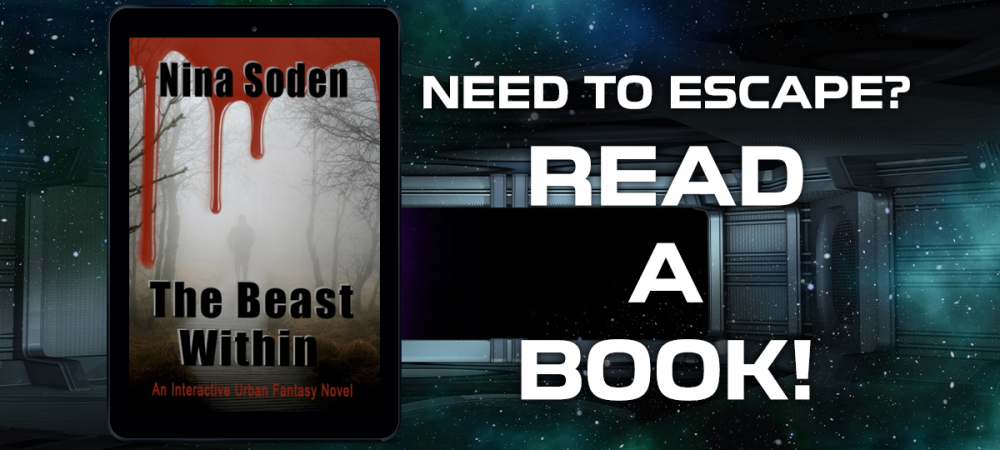
New audiobooks released by yours truly, Nina Soden, YA Urban Fantasy Author!
Synopsis: Join us on February 5, 2026 for a night of exquisite food, stunning silent auction opportunities, live music and dancing! This formal, black-tie optional occasion will be unlike anything you’ve seen before.
All proceeds raised will be allocated to their new facility, a space that will allow their all-volunteer company to continue to deliver Broadway-caliber musicals to the Huntsville Community.
If you know of anyone in the theater world who would be interested in receiving the ‘weekly’ THEATRE HAPPENINGS newsletter, please share this email with them and ask them to subscribe by reaching out to me directly at ninasodenbooks@gmail.com(There will be an online subscription form coming soon!)
Thank you, and I look forward to receiving your submissions.
My goal is to do a monthly giveaway… That’s right, I want you all to have a chance to win free things…
WE ARE ALWAYS LOOKING FOR THE NEXT TICKET GIVEAWAY… If you are a part of an upcoming theater production or theatre/arts event and would like to donate 2 tickets, please give me a call at 256-520-9640 or email me the details atninasodenbooks@gmail.com.
Looking to buy land in North Alabama? Check out this great property:
5.32 Acres PULASKI PIKE, HUNTSVILLE, AL 35810
Discover the perfect canvas for your dream home with 5.32 acres of prime land, ideally situated just minutes from the Toyota plant, downtown Huntsville, Research Park, and a wealth of local amenities. Create your private retreat in this highly desirable location!
I’m a little late to the New Year’s resolutions conversation—and honestly, that feels fitting.
I’ve never been great at January declarations. They tend to arrive before the year has fully revealed itself, before the dust settles, before I know what kind of energy the months ahead will actually require. February feels more honest. More awake. More intentional. More me.
So here it is—written down, on purpose, for the whole world to see. Or at least those few of you out there who are hanging on and visiting my website. I truly appreciate you more than you could ever know.
This year, I am committing to publishing two books.
Writing that goal down feels equal parts exhilarating and terrifying, which is how I know it matters. This isn’t a wish or a vague hope or a “someday.” It’s a decision. One rooted in consistency, discipline, and trust in the work I’ve been quietly building behind the scenes.
I’ve spent a long time learning how I write best, because trust me – we authors are not all the same. I’ve learned how stories take shape for me, how worlds reveal themselves slowly, and how forcing the process never leads to the kind of work I’m proud of. But I’ve also learned that creativity needs commitment just as much as it needs space. At some point, the dreaming has to meet the doing.
This is that moment.
Publishing two books this year doesn’t mean rushing the stories or cutting corners. It means showing up when it would be easier to wait. It means protecting writing time. It means choosing progress over perfection and trusting that the stories will meet me halfway if I meet them with consistency.
There are worlds I’ve been carrying for quite some time now. Characters who refuse to be quiet. Themes that keep circling back, asking to be explored fully and honestly. Those stories deserve to exist beyond my drafts folder.
So, this is me saying it out loud, in public, where I can’t quietly walk it back later.
By the end of this year, two of those stories will be released into the world.
I don’t know exactly how the year will unfold, none of us do. But what I do know is that there will be hard days, slow chapters, and moments where doubt tries to convince me to play small. But I also know this: I am capable of finishing what I start. I have done it before, and I will do it again. I will keep you updated monthly with my progress. It will come in the form of a post… likely something excited and hurried when things are going well and something short and hushed when writing is a struggle, but updates will come, good or bad.
This post isn’t for pressure. It’s for accountability. It’s a reminder to myself that the work matters—and that believing in your stories sometimes looks like choosing to stand behind them before anyone else sees them.
So here’s to a slightly late resolution, written with intention and hope.
If you’ve been wondering whether I’m still here—still writing, still imagining, still chasing stories late at night—I wanted to answer that question plainly and honestly.
Yes. I’m still here. And yes, I’m still writing.
The past two years have been one of those seasons that look quiet from the outside but feel anything but on the inside. The kind where words are being shaped slowly, where stories are tested and re-tested, where worlds are being built with care rather than urgency. Not every chapter is written in public, and not every creative season announces itself loudly—but that doesn’t mean the work isn’t happening.
It is.
I’ve been spending time in two very different story spaces. One is filled with wonder, light, and the kind of magic that asks readers to believe again. The other leans darker, asking harder questions about survival, memory, and what remains when everything familiar is stripped away. They couldn’t be more different on the surface, and yet they share the same heartbeat: characters searching for truth, belonging, and hope in worlds that challenge them at every turn.
I’m being intentionally careful with these stories. Not because I’m unsure of them—but because I believe some worlds deserve patience. I want them to arrive fully themselves, not rushed or diluted by timelines that don’t serve the story. If you’ve followed my work for any length of time, you know I care deeply about atmosphere, emotional resonance, and the slow unfolding of meaning. That hasn’t changed.
What has changed is the depth of the work.
I’ve grown as a writer over the last few years—not just in craft, but in confidence. I trust my instincts more. I’m more willing to sit with difficult scenes until they say what they need to say. I’m less interested in chasing trends and more interested in telling stories that linger after the final page.
That’s the energy behind the stories I’m working on right now.
While I’m not ready to share titles, covers, or plot details just yet, I am hopeful—and quietly excited—to have something ready to share later this year. When it’s time, you’ll be the first to know. And when these stories do step into the light, they’ll do so with intention.
If you’re a reader who has been waiting, wondering, or checking back from time to time—thank you. Your patience means more than you know. Writing can sometimes feel like a solitary act, but it’s never done in isolation. Knowing there are readers who care, who remember, who are willing to wait—that matters.
So this is simply a small note to say: I haven’t gone anywhere.
I’m still building worlds. I’m still chasing characters who refuse to leave me alone. I’m still writing toward something I believe is meaningful.
And I can’t wait to share it with you when the time is right.
In my everyday, real‑world life, I’m a Realtor. I lead The Soden Team of Legend Realty. I coach new real estate agents to build their dreams… their businesses. I talk about homes, contracts, inspections, negotiations, market shifts, and deadlines. I answer my phone – a lot. I send emails at odd hours. I help people navigate one of the biggest decisions of their lives, and I genuinely love that work.
But here’s the part most people don’t know.
I have a secret life.
When the day quiets down, when the inbox is closed and the showing schedule is finally clear, I slip into another world. One filled with characters and conflict, tension and hope, what‑ifs and maybes. I’m not unlocking doors or analyzing comps — I’m building worlds, chasing scenes, and listening to voices that don’t exist anywhere but, on the page, and in my mind.
If you found your way to this website, that probably isn’t a secret to you. You might already know about the books, the stories, the interviews, the projects that live here. But what might surprise you is that for many people in my real, day‑to‑day life… this part of me is still hidden in plain sight.
And here’s the twist: for some of the people reading this, my real‑world job might be the surprise.
“Wait,” you might be thinking, “you’re a Realtor?”
For a long time, I thought those two things lived in separate boxes. One was practical, grounded, responsible. The other was creative, private, a little bit wild. I worried that sharing both would confuse people — or that one would somehow cancel out the other.
But the truth is, they inform each other in ways I didn’t expect.
Real estate taught me how to listen. Writing taught me how to notice. Real life gives me endless inspiration for stories, and storytelling helps me connect more deeply with the people I serve every day.
Still, calling writing my secret life feels right.
Because it’s the part of me that shows up early in the morning or late at night. The part that exists quietly alongside everything else. The part that isn’t always visible, but is always there — waiting.
And I know I’m not alone in that.
So many people carry secret lives with them.
Maybe yours is a hobby you don’t talk about much. A creative dream you haven’t shared yet. A business idea scribbled in a notebook. A passion you explore in stolen moments between responsibilities. A version of yourself that feels very real — even if not many people see it.
I’d love to hear about it.
If you’re comfortable, tell me about your secret life. The thing you love. The thing you dream about. The part of you that lives just beneath the surface.
Because sometimes, sharing the secret is how it starts to feel real.
And who knows — maybe it was never meant to stay a secret at all.