Books You May Have Missed (Including One From Yours Truly)

Hey there, book lovers! Today, I’m sharing a special list of hidden indie gems — books that have captured the heart of readers and deserve way more hype. These stories have fantastic characters, compelling plots, and unique worlds that indie authors have poured their souls into. Plus, I’m including one from my own paranormal series because it seems I sneak under the radar with readers!

Hidden Indie Gems You’ll Love

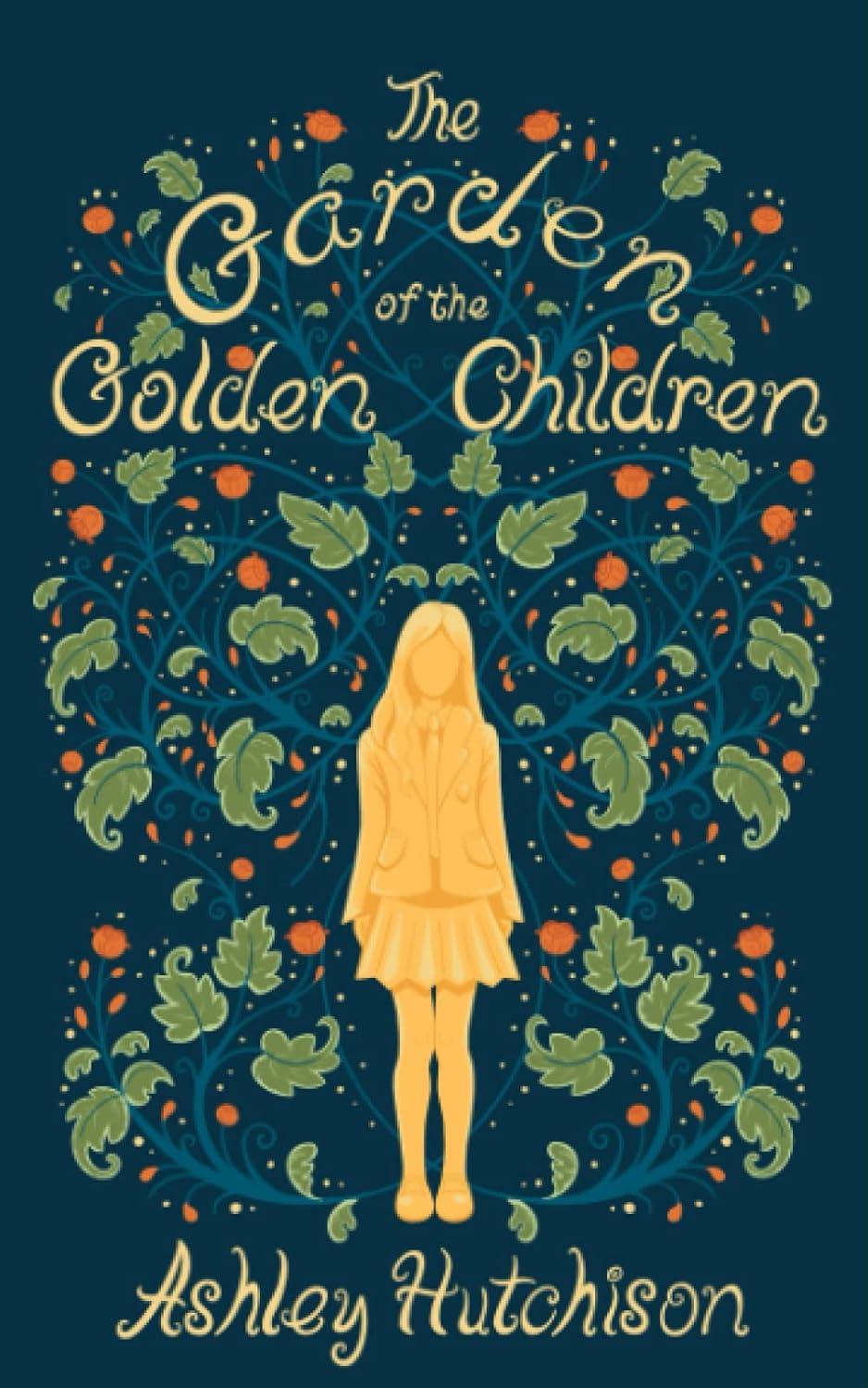
1. The Garden of the Golden Children by Ashley Hutchison

A hauntingly beautiful novel filled with lyrical prose and emotional depth. Ashley’s storytelling weaves mystery and family secrets into a tapestry you won’t want to put down.

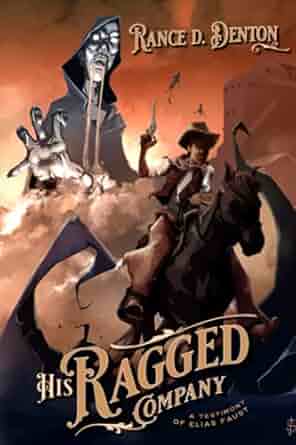
2. His Ragged Company: A Testimony of Elias Faust by Rance D. Denton

If you love gritty fantasy mixed with Western vibes, this one’s for you. It blends genre lines in a way that feels fresh and original.

3. By a Silver Thread by Rachel Aaron

Rachel brings magic to modern urban fantasy in a way that’s both thrilling and heartfelt. This first book in the DFZ Changeling series is a fantastic start to a captivating world.

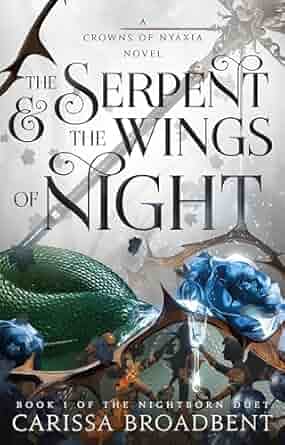
4. The Serpent and the Wings of Night by Carissa Broadbent

Dive into dark fantasy romance with rich world-building and unforgettable characters. Carissa’s writing pulls you into a beautifully dangerous world.

5. Shredded by Karen Avivi

A YA novel that combines BMX biking and self-discovery, perfect for readers who enjoy stories about passion and personal growth.


And Now… A Little Something From Me

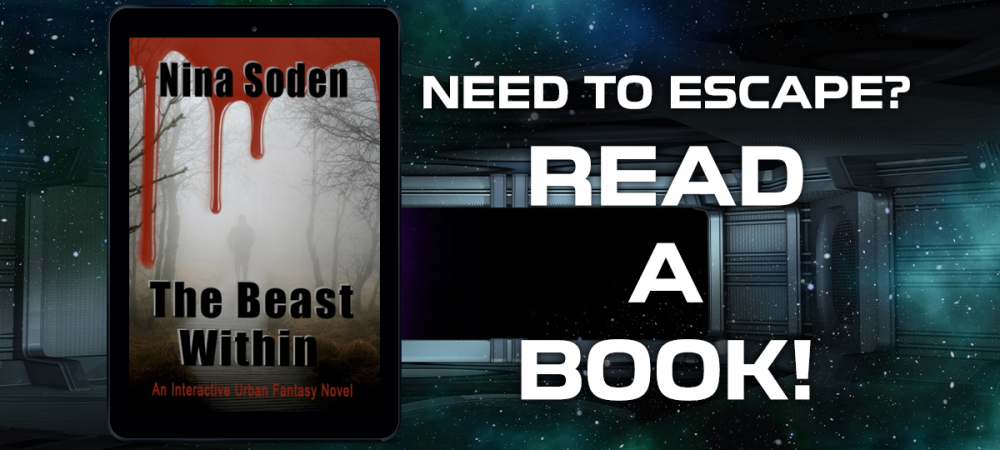
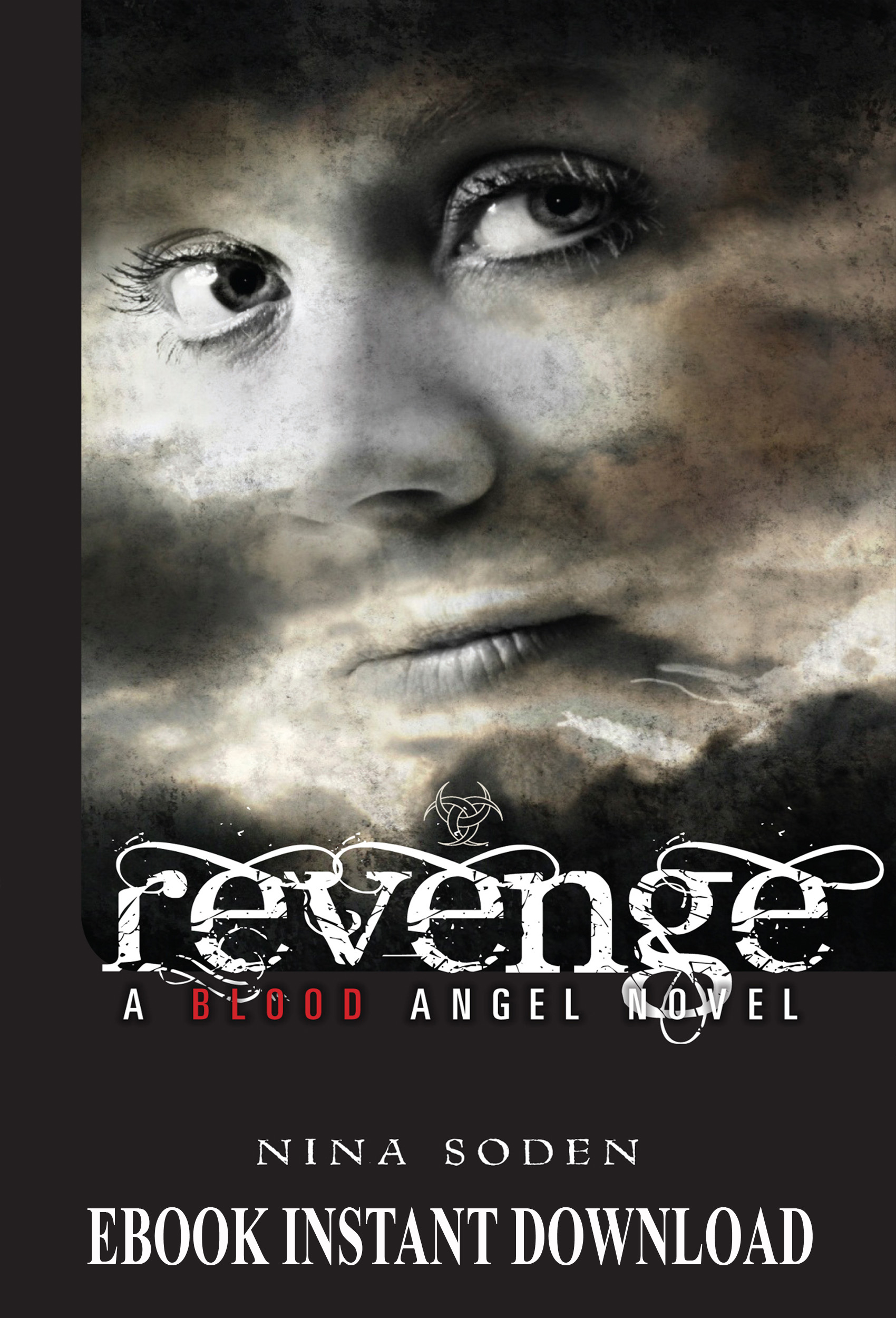
Blood Angel Series by Nina Soden

My Blood Angel series is a paranormal urban fantasy journey into a world where vampires, witches, and supernatural forces clash in shadowy battles. With intense action, complex characters, and a twist on vampire lore, it’s a series close to my heart. If you love paranormal stories with a fresh voice and a bit of grit, this one might just surprise you!


Thanks for stopping by and exploring these underrated indie reads with me. If you pick any up, I’d love to hear what you think! And if you have any hidden gems of your own, please share — I’m always on the lookout for my next favorite book.

Happy reading!

— Nina


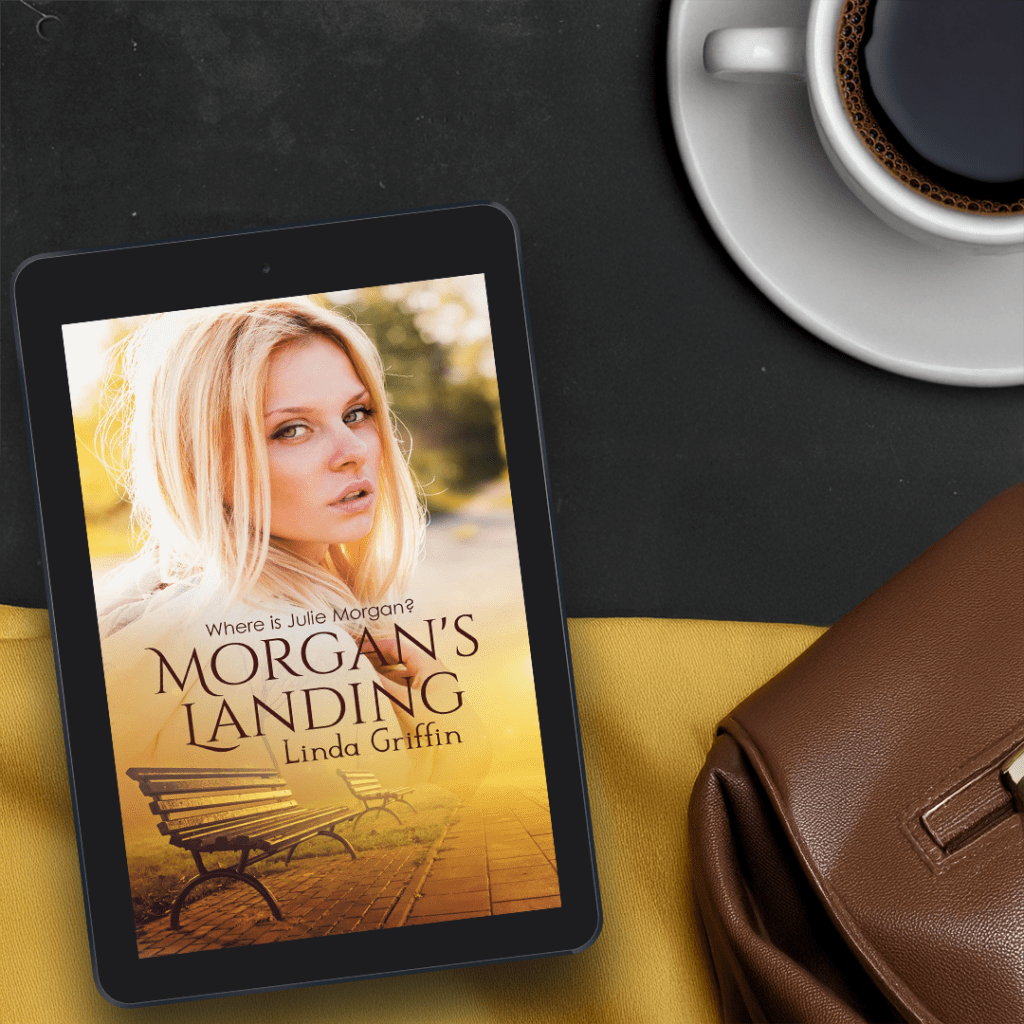
Morgan’s Landing by Linda Griffin

As an Amazon Associate, I earn from qualifying purchases. That means, when you purchase a book using an Amazon link on this site, I earn an affiliate commission. All commission earnings go back into funding my books; editing, cover design, etc.

Where is Julie Morgan?

Morgan’s Landing

by Linda Griffin

Genre: Mystery, Police Procedural

In the small Maryland town of Morgan’s Landing, fourteen-year-old Julie Morgan is living in comfort with her wealthy family. She disappears on her way to school after a spat with her twin sister.

Detective Jim Brady, married and the father of two, has been on the Morgan’s Landing police force for twelve years. He identifies a few suspects in the girl’s disappearance—Is it the fired school janitor, a paroled sex offender, Julie’s computer teacher…or his own teenage son? Jim can’t believe his son could be involved, but his wife is convinced the boy is hiding something.

He needs to find Julie before the worst happens—and keep the peace at home.

“Morgan’s Landing is a fast-paced, unpredictable mystery you’ll devour in a single sitting.”

 ~ Indies Today

Amazon * Apple * B&N * Google * Kobo * Audible * Bookbub * Goodreads

I was born and raised in San Diego, California and earned a BA in English from San Diego State University and an MLS from UCLA. I began my career as a reference and collection development librarian in the Art and Music Section of the San Diego Public Library and then transferred to the Literature and Languages Section, where I had the pleasure of managing the Central Library’s Fiction collection. Although I also enjoy reading biography, memoir, and history, fiction remains my first love. In addition to the three R’s—reading, writing, and research—I enjoy Scrabble, movies, and travel.

My earliest ambition was to be a “book maker” and I wrote my first story, “Judy and the Fairies,” with a plot stolen from a comic book, at the age of six. I broke into print in college with a story in the San Diego State University literary journal, The Phoenix, but most of my magazine publications came after I left the library to spend more time on my writing.

My stories have been published in numerous journals, including Eclectica, Thema Literary Journal, Avalon Literary Review, The Nassau Review, and Orbis, and in the anthologies Short Story America, Vol. 2, The Captive and the Dead, Australia Burns, 2023 in a Flash, and Apocalypse.

Member of the Authors Guild and Sisters in Crime

Website * Facebook * X * Instagram * Bluesky * Bookbub * Amazon * Goodreads

Would you like a chance to win a $10 Amazon gift card? Follow the blitz HERE for special content and a giveaway!


Sometimes I Want to Give Up

By a Wife, Mom, Fiction Writer, and Real Estate Agent Who’s Just Trying to Breathe

There are days when I look at my to-do list and feel the tears sting before I even get out of bed. I’m a wife. I’m a mom. I’m a fiction writer. And I’m a real estate agent who hustles 24/7 in a business that rarely sleeps. Somewhere in the mix, I’m also a woman who keeps forgetting to take care of herself. And some days—maybe today—I just want to give up.

Not because I don’t love my family. Not because I’m not grateful for my clients or the opportunity to tell stories. But because the sheer volume of it all feels like a tidal wave crashing over me. Over and over again.

The Weight of Mom Guilt

The mom guilt is real. Over the years I have missed the school assemblies, or I’m answering a client call during dinner. I’m thinking about an upcoming showing while my child just needs to talk. And don’t even get me started on the guilt of screen time when I just need a moment to breathe or send a contract.

And then there’s the emotional math I do constantly—“If I work a little more tonight, maybe I can take Saturday off…” But Saturday comes and someone wants to see a house. Or something falls apart in escrow. Or I just can’t ignore the buzzing of my phone. Again.

The Loss of Me

Somewhere between the showings, the open houses, the packing lunches, the editing/writing deadlines I never meet, I stopped taking care of myself. I skip meals. I run on caffeine and adrenaline. My writing? It waits in the shadows, a dusty notebook or half-open document that aches for attention but never quite gets it. That hurts the most. Because writing is the piece of me that feels like me. And she’s the one I abandon first when life gets busy.

I’ll be honest: sometimes it feels like everything I do is for everyone else. Clients. Kids. My spouse. I show up, smile, problem-solve, negotiate, fix, drive, cook, clean—and then collapse. But rarely do I pause and ask myself: Am I okay?

The Illusion of Control

Real estate doesn’t come with predictability. You can do everything right, and the deal still falls through. A client can change their mind. A buyer can ghost. A seller can panic. And in the meantime, your child spikes a fever, your spouse is working late, and your characters are still sitting in chapter six, waiting for you to bring them to life.

It’s chaos. And it’s hard to admit you’re drowning when your job requires you to be the calm in everyone else’s storm.

When It’s Too Much

So what do I do when it’s all too much? When the plates I’m spinning start crashing to the floor?

Here’s what I’m learning—sometimes painfully slowly:

  1. It’s okay to say no. You don’t have to be everything to everyone all the time. Boundaries aren’t selfish—they’re survival.
  2. Ask for help. Whether it’s your partner, a friend, a colleague, or a therapist—reach out. You don’t earn extra points for suffering in silence.
  3. Find micro-moments for yourself. Maybe it’s a five-minute journal entry. A short walk. A hot coffee sipped in actual peace. It matters. You matter.
  4. Put writing back on the calendar. Even if it’s just 10 minutes a day. Writing isn’t a luxury—it’s your breath, your voice, your therapy. Don’t let it die in the name of “busy.”
  5. Rest is not lazy. You are not a machine. Rest. Sleep. Unplug. You’ll come back stronger, clearer, and more present.
  6. Forgive yourself. For the forgotten lunch. For the client you lost. For the book you haven’t finished. You’re human. You’re trying. That’s enough.

One Breath at a Time

Some days, the only thing I accomplish is keeping everyone alive. Some days, I close a deal, make dinner, and write a paragraph I actually like. But every day, I’m learning to show myself more grace. To stop chasing perfection and instead chase peace.

If you’re in the thick of it too—if you’re a mom, a partner, a worker, a dreamer—just know this: you are not alone. You’re not failing. You’re carrying a lot. And it’s okay to feel like it’s too much.

Just don’t give up. Pause. Rest. Refill. Cry if you need to. Then take the next small step. Not for the world. Not even for your family. But for you.

Because you’re worth saving, too.


Finding Time to Write: Tips for Achieving Work/Life Balance

As an aspiring author, the dream of seeing your name on a published book is both exciting and daunting. But for many, the challenge isn’t coming up with ideas or having the passion to write—it’s finding the time. Between work commitments and family responsibilities, carving out space for writing often feels like an impossible task. The reality is, you don’t have to quit your job or put your family on hold to become a writer. It’s all about creating a balance that allows you to nurture your creative side without neglecting your professional and personal life.

Here are some practical tips on how to find time to write, even when you’re juggling a busy career and a family.

1. Create a Dedicated Writing Space

Whether you have a full office or a small corner in your home, creating a designated space for writing can mentally prepare you to be productive. This space doesn’t need to be elaborate—just a spot where you can set aside distractions and immerse yourself in your writing.

Why it helps: A dedicated writing space helps you mentally switch gears and signals to your brain that it’s time to focus on your writing. It also creates a physical separation between work and writing, which can be particularly helpful when you have multiple responsibilities at home.

Tip: If you’re short on space, try using noise-cancelling headphones or setting up a small, portable desk. Even a corner of your kitchen table can become a creative zone when you treat it as such.

2. Schedule Writing Time Like an Important Meeting

If you’re struggling to find time to write, start scheduling it into your day just like any other important task. This may mean setting aside 15 to 30 minutes in the morning before your family wakes up or during your lunch break at work. The key is to carve out regular blocks of time that are non-negotiable.

Why it helps: When you treat your writing time with the same level of importance as a work meeting or family obligation, you are more likely to honor that time and make it a priority.

Tip: Use a planner or digital calendar to block out writing time. Make it a recurring event in your schedule, so it becomes a regular part of your day, not just something that happens “when you have time.”

3. Set Realistic Goals and Prioritize

Trying to write an entire novel in a month while working full-time and caring for a family is an unrealistic expectation for most people. Instead, set achievable, incremental goals that align with your schedule. Writing 500 words a day may not sound like much, but over time, it adds up.

Why it helps: Realistic goals help reduce feelings of overwhelm. By breaking down your larger writing project into manageable chunks, you create a sense of progress and momentum, which keeps you motivated.

Tip: Focus on small, tangible milestones, such as writing a chapter a week or completing a set number of pages each day. If you’re working on a longer project, consider setting deadlines for key events or scenes within the book to keep you on track.

4. Learn to Write in Small, Bite-Sized Sessions

Not every writing session needs to be a lengthy, focused marathon. In fact, writing in small, concentrated bursts may actually help you be more productive. Whether it’s 10 minutes between meetings or 30 minutes before bed, seize the time you do have.

Why it helps: Writing in shorter sessions may feel more doable, especially on days when your schedule is packed. You might be surprised by how much you can accomplish in a short period, and those small moments can add up over time.

Tip: Keep a notebook or your phone’s notes app handy for those quick bursts of inspiration. Write during your lunch break, while waiting for the kids to finish soccer practice, or even while commuting (if you’re not driving). Every little bit counts!

5. Communicate and Get Support from Family

Having a conversation with your family about your writing goals is crucial for gaining their support. Let them know that writing is something important to you and that you need time to work on your craft. Most families will appreciate your passion and be willing to help you find time for it.

Why it helps: Support from your family can make a world of difference. Whether it’s helping with household chores, watching the kids for a few hours, or simply being understanding when you need to dedicate time to writing, their encouragement can alleviate stress and allow you to focus.

Tip: If you have young children, consider swapping childcare with a partner or friend for a few hours each week to create uninterrupted writing time. For older kids, ask them to respect your writing time in exchange for quality time together later.

6. Embrace Flexibility and Set Boundaries

Life happens, and sometimes even the best-laid plans will fall apart. Kids get sick, work deadlines shift, or family emergencies arise. The key is to remain flexible and adjust your expectations accordingly. However, it’s also important to set clear boundaries when it comes to your writing time.

Why it helps: Setting boundaries allows you to safeguard your writing time. It’s easy to fall into the trap of constantly pushing your writing aside for other people’s needs. But setting boundaries ensures that your writing time is respected, just like any other part of your life.

Tip: Learn to say “no” when necessary. If a friend invites you to an impromptu event during your writing time, it’s okay to decline to prioritize your writing. Also, be prepared to reschedule your writing if things don’t go as planned. Flexibility is essential, but consistency is key.

7. Take Care of Yourself: Avoid Burnout

Writing, like any creative endeavor, requires mental and emotional energy. Trying to do everything without taking care of yourself will lead to burnout. To maintain balance, make sure to schedule time for rest, relaxation, and activities that recharge you.

Why it helps: When you neglect self-care, your creativity and energy will diminish, making it harder to write. By maintaining a healthy work/life balance, you ensure that you have the stamina to juggle both your writing and other responsibilities.

Tip: Prioritize sleep, exercise, and downtime. Taking care of your body and mind will help you stay focused when it’s time to write. Also, don’t be afraid to take breaks when you need them. Writing isn’t a sprint—it’s a marathon.

8. Use Technology to Your Advantage

Leverage technology to help you stay organized and productive. Whether it’s dictating your ideas into a voice recorder while commuting, using writing apps like Scrivener or Google Docs for easy access to your manuscript, or using productivity apps to stay on track, technology can make your writing process more efficient.

Why it helps: Technology can save time and reduce the effort needed to write. It also allows you to work on your project during those in-between moments, making the most of your day.

Tip: Experiment with productivity tools like time trackers or focus apps (e.g., Pomodoro technique) to help you maximize the short bursts of time you have available for writing.

The Importance of Persistence

Balancing work, family, and writing is not easy, but it is possible with the right mindset and strategies. The key is to find a balance that works for you, whether it’s writing early in the morning, during lunch breaks, or late at night. By setting realistic goals, creating a supportive environment, and respecting your boundaries, you can carve out time for your writing ambitions while still being present for your family and work.

Remember, the journey to becoming a published author is a marathon, not a sprint. Every word written is progress, and every moment spent writing is a step closer to your goal.


How to Outline and Map Out a Novel in One Day

Writing a novel can feel like a monumental task. However, one of the key steps to making the process smoother is creating a clear and detailed outline. The beauty of outlining is that it allows you to visualize your story from start to finish, saving you from writer’s block and disorganization along the way. While outlining typically takes weeks or months, it’s entirely possible to map out an entire novel in a single day. Here’s how you can do it.


1. Set the Stage: Preparation is Key

Before diving into the actual outline, take a few moments to prepare yourself. This stage sets the tone for a productive day of writing.

  • Create the right environment: Find a quiet place where you can focus. Whether that’s a cozy nook at home, a local coffee shop, or a park, the environment should inspire you, not distract you.
  • Gather materials: All you need is a notebook, pen, or a digital device if that’s your preference. Choose whichever you’ll feel most comfortable working with for extended hours.
  • Clear your mind: Start with a quick brainstorming session. Jot down any ideas you’ve had for the novel. These might be rough thoughts on plot, characters, settings, or themes. Don’t worry about how they connect at this point—just let your creativity flow.

2. Define Your Story’s Core

The foundation of your novel rests on its core. Spend some time deciding what your story is truly about.

  • Theme: What is the central message or theme you want to explore? Is it about love, redemption, survival, or personal transformation? Knowing your theme will guide the plot’s direction.
  • Genre and Tone: What genre are you writing in? Fantasy, romance, mystery, sci-fi, historical fiction, etc.? Defining this early will help you set the tone for the narrative.
  • Premise: Condense your story into one or two sentences. This is your novel’s elevator pitch, the hook that gets you and your potential readers excited. A solid premise will keep you focused as you build the plot.

3. Craft the Main Plot

Now that you know your story’s foundation, let’s start constructing the main plot.

  • The Three-Act Structure: Most novels follow a three-act structure. Break your novel into three major sections: the setup, the confrontation, and the resolution.
    • Act One (Setup): Introduce your protagonist, their world, and the central problem. Think about how you’ll hook your readers from the beginning. What inciting incident will push your character out of their comfort zone?
    • Act Two (Confrontation): This is where the majority of the action happens. The protagonist faces obstacles that challenge them and force growth. Consider how your character will change during this act. What stakes increase as the story progresses?
    • Act Three (Resolution): Tie up the loose ends. What final confrontation or moment of revelation will allow your protagonist to confront their main problem? The resolution should offer closure but can also leave room for future growth or sequels if necessary.
  • Pacing and Conflict: For each act, plan out major turning points—moments when the story takes an unexpected turn or when stakes are raised. Conflict drives the plot, so ensure you’re constantly challenging your protagonist.

4. Develop Characters

A great plot relies on compelling characters. Spend time outlining their motivations, arcs, and key traits.

  • Protagonist: Who is your main character? What do they want, and what’s standing in their way? Understanding your protagonist’s internal and external conflicts will guide their actions throughout the story.
  • Antagonist: Who or what opposes your protagonist? Whether it’s a villain, societal structure, or the character’s own flaws, the antagonist creates conflict and challenges the protagonist’s goals.
  • Supporting Cast: Outline your side characters and their roles in the story. Even secondary characters need clear motivations and arcs that tie into the main plot.
  • Character Arcs: Think about how each major character will grow or change throughout the story. A compelling character arc helps readers emotionally connect with the narrative.

5. Outline Key Scenes

To make your outline more specific, break the plot down into key scenes. These will be the building blocks of your novel.

  • Scene Summaries: Write a brief description of each key scene, noting the action, emotional beats, and character decisions. Each scene should serve a purpose in moving the plot forward or developing characters.
  • Character Goals for Each Scene: In every scene, your protagonist should have a clear goal. Are they trying to gain information, defeat an enemy, or form a new alliance? Their success or failure in each scene should further the narrative.
  • Transitions: Consider how each scene will transition smoothly into the next. Does one scene lead to an unexpected twist? Does a change in setting affect the mood or tone of the story?

6. Create a Chapter Breakdown

Once you have your key scenes mapped out, organize them into chapters.

  • Chapter One: This should be your hook. Introduce your protagonist and set the stage for the conflict. End with a cliffhanger or a compelling question that propels the reader into the next chapter.
  • Middle Chapters: These chapters should escalate tension, deepen character relationships, and introduce more complications. Think about pacing—some chapters might have quieter, introspective moments, while others should be action-packed.
  • Climax and Conclusion: Plan how you’ll build toward the climax, the final showdown, and how you’ll resolve the central conflict. Each chapter should build toward this moment of culmination.

7. Tie Up Loose Ends

As you map out the rest of the novel, make sure every plot thread has a purpose and will be resolved by the end. Avoid overly complex subplots that don’t serve the main story. After all, this outline is a map, and you don’t want to get lost.

  • Subplots: Subplots should intertwine with the main plot. Maybe a character’s side story ties into the protagonist’s journey or highlights an aspect of the theme.
  • Foreshadowing: Plant small details that will pay off later in the story. This adds layers to your novel and keeps readers engaged in the puzzle of your plot.

8. Review and Refine

Once you’ve completed your outline, step away for a bit. Take a break to clear your head. After that, return with fresh eyes and read over your outline. Does everything make sense? Are there any scenes that feel redundant or unnecessary? Refine your outline until you’re satisfied.


9. Get Ready to Write!

At the end of the day, your novel is outlined, the plot is mapped, and your characters are set. You now have a clear roadmap to follow as you write the novel. The beauty of outlining in one day is that you’ve broken down a massive undertaking into manageable chunks. You’ve structured the bones of the story, and now it’s time to breathe life into it with your words.


Final Thoughts

Outlining your novel in one day is not only possible but incredibly efficient. By focusing on the core elements of plot, character, and structure, you can create a detailed map that will guide you through the process of writing. It’s all about having a clear vision before you start typing. So, grab your materials, follow these steps, and in just one day, you’ll have the blueprint for your novel—ready to be written.


Why Urban Fantasy Thrives in the Modern World

Urban fantasy, a genre that blends supernatural elements with modern-day settings, has exploded in popularity in recent years. From the bustling streets of New York City to the quiet corners of small towns, urban fantasy brings fantastical creatures, magic, and myth into our own world. It offers a tantalizing contrast—where ordinary people navigate extraordinary situations, and the supernatural lurks just beneath the surface of everyday life. But why does urban fantasy resonate so deeply with modern readers, and what is it about our contemporary world that makes it such an ideal backdrop for these otherworldly elements?

Let’s explore why urban fantasy thrives in today’s world, how the genre reflects our collective consciousness, and why its blend of magic and modern continues to captivate readers.

1. The Appeal of the Familiar with the Fantastic

One of the primary reasons urban fantasy is so compelling is its ability to take readers out of the ordinary and transport them into a world where magic exists alongside the familiar. In a genre where the supernatural exists right next to the mundane, readers are able to see their own world transformed. Magic doesn’t exist in a distant fantasy realm—it’s something that could be lurking down the street, hidden in plain sight.

Familiar Settings: Urban fantasy often takes place in cities or towns that readers recognize. The locations are not distant, unknown realms, but places readers know and love. Places they may have even visited. This proximity creates a sense of immersion, where the magical and the mundane feel like they could coexist just around the corner. Imagine a tough, world-weary detective solving magical crimes in downtown Chicago, or a young woman discovering her supernatural abilities while navigating a high school in an ordinary suburb—these modern settings make the fantastical elements feel real and plausible.

By using everyday backdrops, urban fantasy allows readers to fantasize about how their lives might intersect with the extraordinary. For example, what if the coffee shop you walk into every morning is run by a witch, or a local library contains portals to other worlds? The idea that magic could be hidden just beneath the surface of the world we know is both intriguing and comforting, offering a sense of wonder while still feeling grounded.

2. The Intersection of Modern Problems and Supernatural Solutions

Urban fantasy thrives because it mirrors modern society’s complex issues while offering a supernatural lens through which to view them. The genre provides a platform for addressing everything from social justice and inequality to personal identity and moral dilemmas—all within the context of a magical world. Supernatural elements in urban fantasy often symbolize real-world problems, allowing for a unique exploration of contemporary themes.

Reflection of Modern Struggles: Characters in urban fantasy are often flawed, complex individuals who wrestle with personal challenges, such as addiction, mental health, self-doubt, or identity. Magic isn’t a cure-all—it complicates their lives in ways that feel both fresh and relatable. For example, a character might struggle with control over their magical abilities, mirroring the internal struggles many people face in the real world. Or perhaps a hidden magical society deals with discrimination or power struggles, echoing themes of social inequality.

In many urban fantasy novels, the protagonist is someone who feels disconnected from the world around them—someone who doesn’t quite fit in, only to discover their connection to a larger, hidden magical community. This journey of self-discovery resonates with readers, as many of us often feel as though there is something more to our lives, waiting just beneath the surface.

Urban fantasy also offers fresh takes on familiar problems. For example, a werewolf struggling with their transformation might symbolize someone struggling with a personal issue, such as anger management or a relationship with their family. A vampire navigating the complexities of immortality could be a metaphor for modern concerns about aging or the search for purpose. By blending the supernatural with contemporary struggles, urban fantasy allows readers to explore complex issues in an engaging, imaginative way.

3. Magic as Metaphor in a Changing World

Another key reason urban fantasy flourishes today is its ability to use magic as a metaphor for larger societal and cultural changes. The modern world is filled with uncertainty and rapid transformation, and urban fantasy reflects this by exploring how the introduction of magical elements could change how people live, think, and relate to each other. Magic can serve as a powerful metaphor for many aspects of the human experience—desire, power, control, and transformation.

Transformation and Empowerment: Urban fantasy often features protagonists who undergo significant personal transformations, both magical and emotional. For example, a character may unlock their latent magical abilities, gaining power and control over their life. This can symbolize personal growth, empowerment, and the ability to overcome obstacles, which speaks directly to readers who are navigating their own life challenges. In a world that’s rapidly changing and sometimes feels beyond our control, the idea that one could find hidden powers or unlock their potential is deeply appealing.

Moreover, urban fantasy offers a unique perspective on power dynamics. Often, the supernatural beings in these stories—vampires, witches, shifters—live in parallel with human society, creating a kind of dual hierarchy. These alternate societies can serve as an allegory for real-world power struggles, showing how marginalized groups fight for recognition and control, or how different groups struggle to maintain power in a world that is constantly changing.

4. The Blurring of Fantasy and Reality in a Digital Age

Today’s readers are accustomed to blending the digital and physical realms. Technology allows us to access vast amounts of information, stay connected with others, and even step into virtual worlds—all within the span of a single day. This digital landscape makes it easier for readers to accept the blending of the supernatural with the everyday in urban fantasy.

The Magic of Technology: Urban fantasy often takes advantage of modern technology, incorporating it seamlessly into the magical world. A spell might be cast via smartphone or a magical app that connects witches with their covens. Magic could even be manipulated through futuristic technology, creating a techno-magic hybrid that blends both realms. This overlap feels natural in an age where technology is changing the way we experience and interact with the world around us.

Moreover, the internet and social media provide an instant platform for urban fantasy stories to flourish. Fans can share ideas, create fan fiction, or build communities around their favorite magical worlds. This digital connection fuels the genre’s growth, making it even more ingrained in the modern world.

Escapism with Real-World Connection: In the chaotic, fast-paced world we live in, urban fantasy offers an escape while still holding a mirror to our reality. While the magical elements provide an imaginative escape, the problems and challenges the characters face are often all too real. Whether it’s dealing with a difficult boss, struggling to balance work and relationships, or facing a moral dilemma, urban fantasy allows readers to engage with these everyday issues through a fantastical lens, making the escapism feel meaningful and relatable.

5. The Enduring Appeal of the Supernatural

Finally, the supernatural continues to captivate us because, in many ways, it offers a connection to something larger than ourselves. Magic, monsters, and myth allow us to explore aspects of the unknown, and to wonder about possibilities beyond the visible world. In urban fantasy, the supernatural is often hidden just beneath the surface, reminding readers that magic could be real if only we knew where to look.

The modern world, with all its complexity, often leaves us longing for something more—a sense of mystery, wonder, and adventure. Urban fantasy fulfills this longing by weaving the supernatural into the everyday, creating a space where magic is not an escape from the world, but an enhancement of it.

Conclusion: Why Urban Fantasy Continues to Captivate Readers

Urban fantasy thrives in the modern world because it taps into our desire for wonder, self-discovery, and connection. It takes the familiar and turns it on its head, allowing us to imagine a world where magic exists just out of view, where the boundaries between the ordinary and extraordinary blur. By blending supernatural elements with real-world struggles, urban fantasy offers both escapism and reflection, presenting a unique lens through which to understand our rapidly changing society.

In a world where magic is rarely tangible, urban fantasy invites readers to believe that, just maybe, there is a little bit of magic hidden in the world around us, waiting to be uncovered. Whether it’s exploring hidden communities, fighting for justice in a world of shadows, or simply enjoying the thrill of discovering magic where you least expect it, urban fantasy remains a genre that resonates with readers of all ages—and shows no sign of fading anytime soon. Which, as an urban fantasy author, I am truly grateful for.


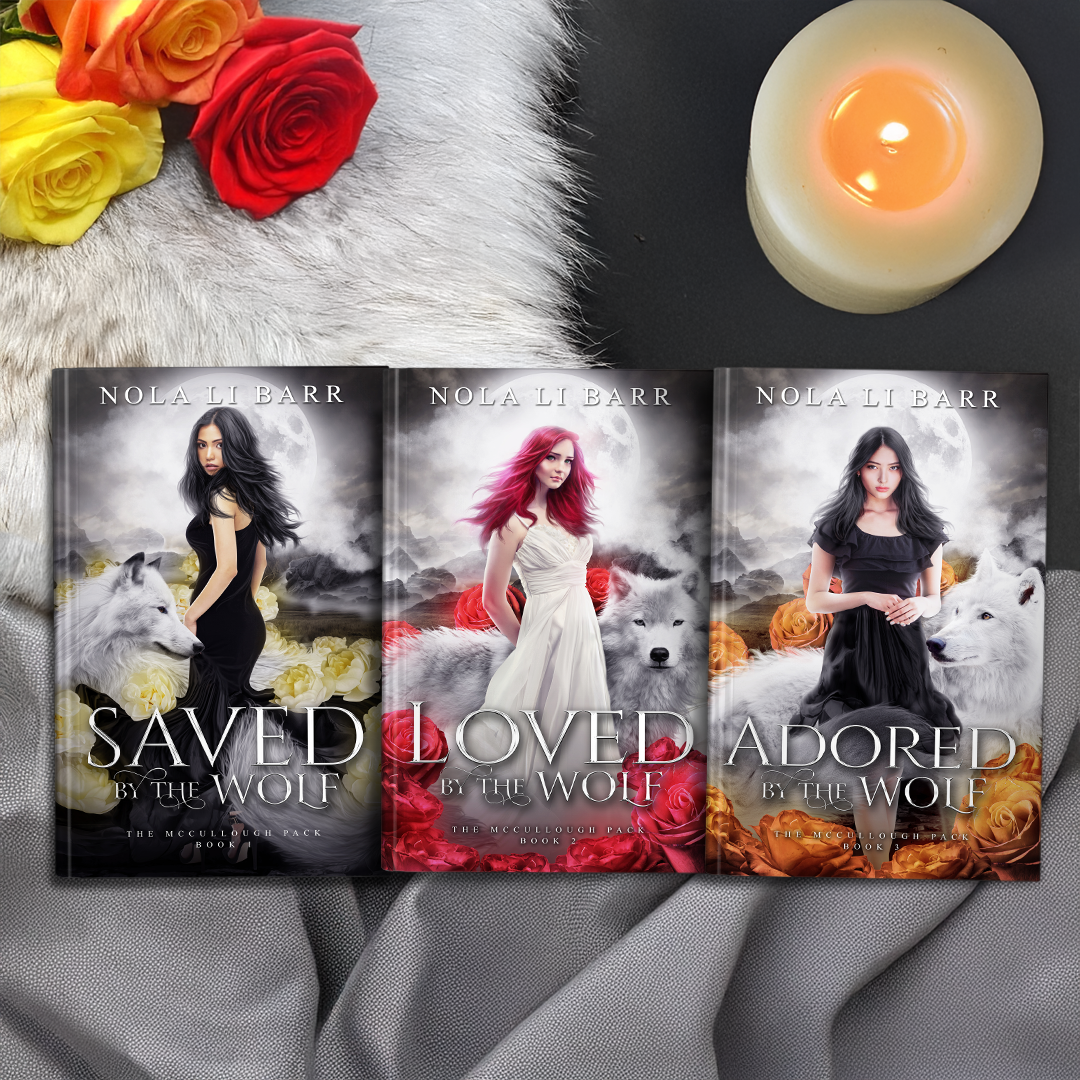
The McCullough Pack Series by Nola Li Barr

As an Amazon Associate, I earn from qualifying purchases. That means, when you purchase a book using an Amazon link on this site, I earn an affiliate commission. All commission earnings go back into funding my books; editing, cover design, etc.

When love walks into a family war: Headstrong siblings, fated mates, a grandmother’s love, and enemies thirsting for revenge.

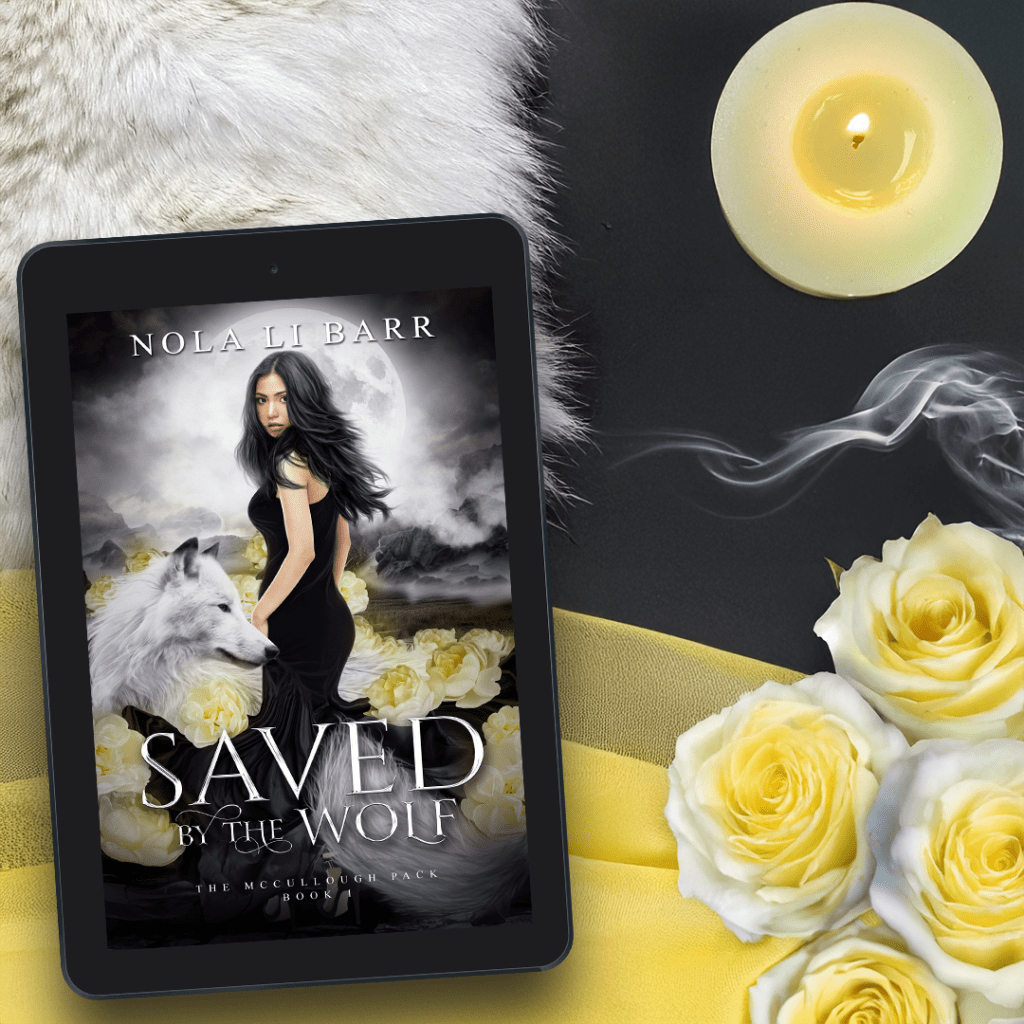
Saved by the Wolf
The McCullough Pack Book 1
by Nola Li Barr
Genre: Sweet Paranormal Romance

A Sweet Paranormal Romance Complete Series

Fate brought us together, but the scars of our pasts threaten to tear us apart.

Jill

The moment I hear his voice, something inside me shifts. He seems to reach right into my soul, and suddenly, all I want is to be near him, to feel safe in his arms. But I’ve been down this road before. My last relationship left me broken, bruised, and wary. And the way his friends hang on his every word? It’s too familiar—too much like my past.

Still, there’s an undeniable connection between us. My heart whispers that he’s different, that he’s the one I’ve been waiting for. But how can I trust it when my head is screaming to run?

Luc

She’s shy, quiet . . . human. Not someone my wolf should be drawn to, but he is. When I’m near her, my wolf is calm, content, and all he wants is to claim her as mine. But I’ve sworn off love. I know too well the pain of a broken heart, and I promised myself I wouldn’t go through that again.

Yet, no matter how much I try to push her away, my wolf won’t let me. She’s the one, and every fiber of my being knows it.

Saved by the Wolf is the first book in the McCullough Pack series—a heart-tugging, sweet paranormal romance with all the love, none of the spice, and a guaranteed happily ever after.

Amazon * Bookbub * Goodreads

Loved by the Wolf
The McCullough Pack Book 2

*Originally published under Nola Li Gordon. The whole series is now under Nola Li Barr.

He loves me . . . He loves me not . . .
Becca
I’ve loved him for years and thought the feeling was mutual. But when I lean in to kiss him on our first date, he recoils, claiming he only loves me like a sister.
He breaks my heart that night.
Every bone in my body is telling me to leave—to start a new life in a new place. A place without him in it.
But I must be a masochist because no matter what I tell myself, I cannot stay away from him . . .
Brandon
She is my mate. My wolf knows it.
Ever since she kissed me, my wolf has been clawing at me to claim her. It is becoming harder and harder to control myself.
Because I can’t claim her.
My past haunts me with reminders of my failures. She’s better off without me. The best I can do is be her protector—if I can even do that . . . .
Set against a backdrop of a tight-knit family, this friends-to-lovers story is filled with all the love without the spice, and a guaranteed happily ever after.

Amazon * Bookbub * Goodreads

Adored by the Wolf
The McCullough Pack Book 3

A Sweet Paranormal Romance

*Originally published under Nola Li Gordon. The whole series is now under Nola Li Barr.

All is fair in love and war.

Millie

I’m the responsible sister. The one my family relies on. It’s the reason I’m standing in for my sister, instead of going on my well-deserved vacation.

My day brightens when he walks in. I try to act professional, but he stands close, and his eyes never leave me.

When he leaves, I tell myself he’ll soon forget about me. But on a visit to my friend, he’s there to greet me. This time, I’m the one who can’t look away.

I’m only enjoying his company. Nothing can go wrong.

Jacob

I’m the planner of my family, and with war coming to my pack, I must prepare for it. But my wolf is restless, wanting what my elder brothers have—a mate.

When I see her, my wolf screams she’s the one, and I feel the urge to claim her. I push him down and manage to leave, but thoughts of her continue to bombard me every day.

A day later, my brother pays her a visit, and on his return, he starts acting . . . odd. Once my partner in crime, now he’s looking at me as his enemy.

Suddenly, everything goes wrong.

Enter a world where the strength of a family lies not only with its pack but also with their soulmates. A world filled with all the love without the spice, and a guaranteed happily ever after.

Amazon * Bookbub * Goodreads

Don’t miss the rest of the series!!
Find them on Amazon!

Or get the box sets!
Get Set 1-3 or Set 4-6 and the NEW RELEASE on March 9th – Set 7-9

FREEBIE ALERT!
Subscribe to Nola’s newsletter and get the prequel FREE!
Sign up here!

Nola Li Barr writes sweet family saga romances. Both in contemporary and paranormal/fairy tale settings. She loves to explore family dynamics with her characters and see them fall in love, most of the time with someone they’d never deem possible. In the hopes of sharing her stories with her kids sooner than later, her romances are always sweet with a happily ever after. When she’s not writing she can be found reading, baking, and navigating the path of motherhood. Follow her on social media @nolalibarr or visit nolalibarr.com.

Website * Facebook * X * Instagram * Bluesky * Bookbub * Amazon * Goodreads

Would you like a chance to win a $30 Amazon gift card?
Follow the tour HERE for special content and a giveaway!

What are you passionate about these days?
I’m super passionate about my books. It’s literally the best career I’ve ever had. The hardest I’ve ever had running my own business, but so rewarding. I wake up wanting to do the work. I’ve also been setting aside time to read books for enjoyment, something I haven’t done consistently in a long time.

What do you do to unwind and relax?
To unwind I usually go into my kindle reader or my bookshelf and pick a book that I don’t have to edit or concentrate too much on. I let myself just enjoy the story.
Also, just this year I finally learned how to crochet. It was something I’d been wanting to learn for a very long time, and it was great to see the tiger take shape. I’m hoping to move on to blankets soon.

How to find time to write as a parent?
For most of the time, I feel like I have no time to write because my brain can’t calm down enough to concentrate. I know lots of authors write in the early morning before everyone gets out of bed, but I’m not a morning person. I’ve found the best times for me are after the kids go to bed, and sometimes it’s on my phone while I’m standing in line or sitting in the car waiting for a sporting practice to end. Lately, I’ve been trying out 5-20 minute chunks. That way it doesn’t seem too overwhelming. Every little bit helps even if it’s a hundred words every day.

When did you first consider yourself a writer?
When I finished the rough draft of my very first book.

As a writer, what would you choose as your mascot/avatar/spirit animal?
A wolf 😊

I am happy to be one of many tour hosts sharing information about

The Writing Process for Aspiring Urban Fantasy and Dystopian Authors

Starting your journey as a writer, especially in the genres of urban fantasy and dystopian fiction, can feel daunting. The world of speculative fiction is vast and intricate, but with the right tools and mindset, you can navigate the writing process and find your unique voice. Here, I’ll break down how I approach writing my novels and offer advice to help you create immersive worlds and compelling narratives.

1. The Seed of an Idea: World-Building

In urban fantasy and dystopian novels, world-building is at the heart of the story. You’re crafting more than just a plot; you’re designing an entire universe that feels rich and believable. At least, that is the goal. Here’s how I approach it:

Urban Fantasy:

In urban fantasy, the world you create often coexists with our own. It’s an alternate version of reality where magic, mythical creatures, or supernatural elements blend seamlessly with modern society. When I begin, I think about the following:

  • What is hidden beneath the surface? Perhaps a secret society of witches exists in the heart of a bustling city or small town, or supernatural beings roam the streets undetected by the humans they interact with. Consider how these elements influence daily life—how does the magical world interact with, or hide from, the mundane world?
  • Setting details matter. You don’t need to describe every brick of a city, but small, evocative details—like a shadowy alley, an underground speakeasy, or a half-lit park—can make your world feel alive. Think about how things look, smell, sound, and feel…

Dystopian Fiction:

Dystopia often presents a future world that has collapsed or become a grim version of what we know. When crafting your dystopian world, ask yourself:

  • What went wrong? What event, ideology, or technology changed the course of human history? It could be climate change, a totalitarian regime, a technological collapse, a medical epidemic, or something else entirely. How does this history affect the everyday lives of your characters?
  • What’s at stake? In dystopian worlds, there’s always something at risk—freedom, survival, or the future itself. The rules of your world should be clearly defined, whether it’s rigid class structures, environmental decay, or the technological surveillance state.
  • Sensory detail is key. In a world on the brink of collapse, smells, sounds, and visuals can intensify the atmosphere—whether it’s the acrid scent of pollution or the eerie silence of a deserted city.

2. Developing Characters: The Heart of the Story

Characters in urban fantasy and dystopian fiction, like in most novels, are not just participants in a story—they’re shaped by the world around them. However, in these genres, I believe characters should also be a reflection of the world they inhabit.

  • The Reluctant Hero. Urban fantasy protagonists often start as ordinary people who are thrust into extraordinary circumstances. The appeal of this character type is that they’re accessible and relatable. They may be confused, overwhelmed, or even cynical about the magical world they are now part of. Developing this character arc, as they grow into their role, provides a satisfying emotional journey for the reader. Alee Moyer, from Awaken (Book 1 in the Blood Angel Series) is a perfect example of this.
  • Flaws and Strengths. In dystopian fiction, characters often face immense challenges. They might rebel against oppressive systems, survive in a harsh world, or try to reclaim something lost. These characters need both deep flaws and strengths. A rebellious protagonist might be stubborn and impulsive, while someone seeking justice might struggle with a sense of hopelessness. These internal conflicts are key to their development and drive the narrative forward. Check out my SECTOR C series!
  • Secondary Characters. Supporting characters, from sidekicks to antagonists, should be just as well-defined. In urban fantasy, these characters might be creatures like vampires or werewolves, or they could be humans caught in the crossfire. In dystopian settings, secondary characters often represent different factions or ideologies. Their relationships with the protagonist—whether they’re allies, enemies, or something in between—will create rich conflict and tension.

3. Plotting and Structure: The Backbone of the Story

Both urban fantasy and dystopian fiction thrive on strong plots that weave together personal struggles with broader societal issues. However, you don’t always have to follow a traditional narrative structure.

  • Outline or No Outline? Some writers swear by detailed outlines, while others dive in and discover the story as they go. For me, a hybrid approach works best. I like to have a rough outline of the major plot points—key events, character arcs, and climaxes—while leaving room for spontaneity and surprises along the way. This balance lets me maintain a sense of direction while still allowing creativity to flow. If you need help with this part of the process, check out So You Want To Write A Book and Just Write. I use both of these tools on a regular basis, especially when I am starting a new story.
  • Pacing is Essential. In urban fantasy, the plot often moves quickly, with twists, action scenes, and moments of discovery. But the key is to maintain tension while giving the reader enough time to absorb the world and connect with the characters. In dystopian fiction, pacing can be slower, building tension as the protagonist uncovers dark truths about the society they live in. But don’t let it drag—interspersing moments of action, tension, and discovery helps keep the reader engaged.
  • The Theme of Resistance. A central theme in both urban fantasy and dystopian novels is resistance—whether it’s resisting a villainous force, oppressive government, or internal fears. The plot should be a vehicle for exploring this resistance, with plenty of obstacles and challenges that force the protagonist to grow, adapt, and change.

4. Finding Your Voice: The Art of Writing

As a writer, developing a unique voice is crucial to standing out in any genre. For me, voice is the combination of writing style, character perspective, and tone. Urban fantasy tends to be fast-paced, sometimes humorous, while dystopian fiction often has a darker, more reflective tone. Here are some tips for finding your own voice:

  • Experiment with Perspectives. First-person narration can create intimacy, allowing the reader to experience the world through the protagonist’s eyes. Third-person omniscient narration allows you to zoom out and show multiple perspectives. Each has its strengths—experiment to find what works best for your story.
  • Play with Tone. Urban fantasy often combines action and humor, while dystopian fiction tends to be darker and more introspective. However, don’t be afraid to mix tones. A lighthearted moment in the midst of a dark world can make the contrast even more powerful.
  • Show, Don’t Tell. This age-old advice is especially true in speculative genres. The world you’re building and the emotions your characters experience should be conveyed through action and sensory detail, not just exposition. Instead of saying, “The city was full of magic,” show it through a character’s interaction with a magical object or an encounter with a supernatural creature.

5. Editing and Revision: Polishing Your World

The first draft is just that… the first draft… the beginning. Once you’ve completed your manuscript, the real work begins. Editing is a chance to refine your world-building, deepen character arcs, and tighten your plot. For urban fantasy and dystopian fiction, this often means ensuring that the world feels cohesive and that the internal logic makes sense.

  • Consistency is Key. Urban fantasy can be tricky because it blends the real and the magical. Ensure the rules of magic or supernatural elements remain consistent throughout. In dystopian fiction, the society you’ve built needs to follow its own logic—if a government controls everything, show us how, and if the environment is collapsing, make sure the signs of decay are present at every turn.
  • Pacing and Tension. Pay attention to pacing during revisions. If a scene feels slow or unnecessary, cut it. If a moment feels rushed, slow down and give the reader time to process what’s happening.

6. Staying Motivated: Overcoming Writer’s Block

Writing can be a long and sometimes lonely process. There will be days… weeks… and sometimes months when you’re not feeling inspired, or when the words don’t come as easily as you’d like. I’ve been there, too. I think every writer has from time to time. Here are a few tips to keep pushing forward:

  • Set Small Goals. Break your writing into manageable chunks. Write a set word count each day or aim to finish a chapter. This keeps you motivated and helps build momentum. If you can’t write every day, that is ok too. Just set yourself a schedule and plan to write when you say you’re going to write.
  • Take Breaks. Sometimes stepping away from your manuscript allows your brain to make connections you might have missed. Go for a walk, read a book, take a bath, or do something else creative to reset your mind.
  • Find Your Writing Community. Whether it’s online or in person, surrounding yourself with other writers can provide support, feedback, and encouragement.

Writing urban fantasy and dystopian fiction requires a unique mix of creativity, structure, and persistence. But above all, it’s about immersing yourself and your readers in a world that feels as real and urgent as our own. Start small, take risks, and most importantly, have fun and keep writing—your world is waiting to be discovered.


The 3 Pillars of Publishing: Self-Publishing, Vanity Publishing, and Traditional Publishing

The publishing world has evolved dramatically in recent years, offering authors an array of options for sharing their work with readers. Whether you’re a first-time author or a seasoned writer, understanding the key differences between self-publishing, vanity publishing, and traditional publishing can help you make an informed decision on how to release your book. Each route has its unique set of advantages and drawbacks, and the best option depends on your goals, resources, and expectations.

Self-Publishing: Empowerment or Overwhelming Responsibility?

What is it? Self-publishing is the process of independently publishing a book without the involvement of a traditional publisher. Authors retain full control over every aspect of the process, from writing and editing to designing and marketing. The book is then published directly through online platforms like Amazon’s Kindle Direct Publishing (KDP), IngramSpark, or other digital and print-on-demand services.

Pros:

  1. Creative Control: The author has complete control over the content, design, and marketing of the book. There’s no need to follow an editor’s or publisher’s vision.
  2. Higher Royalties: Self-published authors typically keep a larger percentage of book sales—sometimes up to 70% of the retail price for eBooks, compared to much lower percentages from traditional publishers.
  3. Speed to Market: The book can be released as soon as it’s ready, with no lengthy approval processes or waiting for a publisher’s schedule.
  4. No Gatekeepers: Writers are not required to get an agent or publisher’s approval to see their work in print.

Cons:

  1. Initial Costs: Authors are responsible for costs such as editing, cover design, formatting, and marketing. These expenses can add up quickly and are not guaranteed to lead to success.
  2. Time-Consuming: Authors must take on many roles outside of writing—business decisions, marketing, promotions, and customer service.
  3. Limited Reach: Without the backing of a major publishing house, gaining exposure can be more challenging. Self-published authors often need to rely heavily on social media, word of mouth, and personal networks to generate interest.
  4. Perceived Stigma: Though the stigma surrounding self-publishing has diminished over the years, some readers and industry professionals still view it as less prestigious than books published through traditional routes.

Vanity Publishing: Paying for Prestige

What is it? Vanity publishing is a hybrid form of publishing where an author pays a publishing company to publish their work. These companies often offer a range of services, such as editing, cover design, marketing, and distribution. However, the key distinction from traditional publishing is that the author typically covers the costs up front.

Pros:

  1. Professional Services: Vanity publishers often provide high-quality editorial and design services, giving the book a more polished appearance and feel than a typical self-published work.
  2. Less Work for the Author: These publishers handle much of the technical and logistical side of publishing, including formatting and printing, freeing the author to focus on their writing.
  3. Aesthetic Appeal: Books published through vanity presses may appear to be more “legitimate” or professionally produced, as they are physically printed and distributed by a third-party company.

Cons:

  1. High Costs: Authors must pay for all services, which can be costly, ranging from hundreds to thousands of dollars. Even if the book sells, the author may not recoup these expenses.
  2. Limited Distribution: While vanity publishers may offer distribution channels, they often don’t have the far-reaching networks of traditional publishers, so getting the book into bookstores or libraries may be a challenge.
  3. No Guarantee of Success: Vanity publishers typically do not market books with the same intensity or effectiveness as traditional publishers, leaving the author to take on much of the promotional work. There’s no guarantee of sales.
  4. Potential for Exploitation: Some vanity presses prey on naïve authors by offering expensive services without any real return. These publishers may not provide meaningful distribution or marketing, and some operate with dubious business practices.

Traditional Publishing: The Gatekeeper Path

What is it? Traditional publishing involves submitting a manuscript to a publishing house, typically through an agent. If accepted, the publisher will take over the publishing process, including editing, design, marketing, and distribution. The author’s involvement is often limited to the creative aspects and promotional efforts post-publication.

Pros:

  1. Professional Expertise: A traditional publisher brings in a team of professionals—editors, designers, marketers, and publicists—to ensure the book is well-crafted and widely distributed.
  2. No Upfront Costs: Authors receive an advance against royalties and don’t have to cover the costs of production, printing, or distribution. The publisher handles these expenses.
  3. Broader Distribution: Traditional publishers have established networks for getting books into bookstores, libraries, and online platforms, resulting in better visibility and access to readers.
  4. Prestige and Recognition: Being accepted by a reputable publisher often carries a sense of prestige, and a publisher’s name on the cover can lend credibility to a book.

Cons:

  1. Long Process: Traditional publishing can be a slow process. It may take months or even years to get a book published, and there’s a lengthy submission process that includes finding an agent and getting approval from a publisher.
  2. Limited Control: Authors have little control over the final product. Editors may make significant changes to the manuscript, and decisions about marketing, cover design, and distribution lie largely with the publisher.
  3. Lower Royalties: While authors receive advances, their royalties (the percentage of sales they earn) are typically much lower than those in self-publishing, often around 10-15% of the book’s retail price.
  4. Highly Competitive: The process of being accepted by a traditional publisher is highly competitive. Many authors struggle to secure an agent or a deal with a publisher, particularly if they are new or unproven in the market.

Which Path is Right for You?

Ultimately, choosing between self-publishing, vanity publishing, and traditional publishing depends on your personal goals, financial resources, and willingness to take on various roles throughout the publishing process.

  • Self-publishing might be right for you if you’re tech-savvy, enjoy having full control, and are prepared to manage all aspects of your book’s release, from writing to marketing.
  • Vanity publishing could be a good option if you want a more hands-off approach but are willing to invest money into the process and don’t mind the costs associated with professional services.
  • Traditional publishing is ideal if you are looking for a professional team to help bring your book to market and are prepared to wait for the submission process and the potential compromises on creative control.

Each publishing option comes with trade-offs, and there’s no one-size-fits-all answer. By understanding the pros and cons of each, you can choose the route that aligns best with your vision for your book and your career as an author. For me personally, I am a self-published author. I hire talented professionals to design my book covers and of course, to edit my manuscripts (several times over), but I am the one in charge of the process every step of the way… to include self-promotion and all marketing.

If you haven’t read my books, I’d love to share them with you. You can find me on Amazon by following THIS LINK!


What It Really Takes to Write a Novel: The Truth Behind the Glamorous—Not So Glamorous—Writing Life

If you’ve ever read a captivating novel and thought, I could do that, you’re not alone. Many aspiring writers dream of having their work published, imagining that writing a novel is an exciting, glamorous endeavor—filled with quiet mornings at coffee shops, elegant book launches, and long days spent immersed in creative bliss. But as someone who juggles writing with a full-time career in real estate, a busy household with a husband and two kids, and endless daily responsibilities, I can tell you the reality of writing a novel is much less glamorous. It’s often chaotic, exhausting, and involves far more sacrifice than most people realize. But for those who are committed to making it happen, it’s also incredibly rewarding.

I want to pull back the curtain on the real writing life, the highs, the lows, and everything in between. As a part-time writer, I’ve learned that writing a novel requires more than just passion; it demands dedication, resilience, and a lot of time management. Here’s what it really takes to write a novel when life keeps you busy.

1. Finding Time in a Packed Schedule

First, let’s talk about time—or, more accurately, the lack of it.

I work as a full-time real estate agent in North Alabama. (I’m an Associate Broker with Keller Williams Realty Madison… If you are looking to purchase a Home Sweet Home in North Alabama, call me). Between client meetings, property showings, endless paperwork, and negotiating deals, my days are long. By the time I wrap up a busy day of work, there’s barely time to make dinner and take care of household chores. And did I mention I’m a mom? Oh, and I have a husband—who, bless him, is supportive but also juggling his own career and responsibilities.

So, where does writing fit in?

It doesn’t. Not easily, at least.

For many writers like me, the time to write is carved out in small pockets throughout the day. I don’t have the luxury of dedicating full days or even hours at a time to my craft. I’ve learned to write in between the cracks of life—during lunch breaks, after everyone else is in bed, or on the weekend when I can sneak in some quiet time in the early morning hours with my coffee. Sometimes, I might write for only 10 minutes at a time, but those minutes add up. Consistency, even in small doses, is key.

2. Motivation vs. Exhaustion: The Daily Battle

When I finally do find a few minutes to write, and trust me it is NOT every day, the struggle doesn’t end with just having the time. There’s the battle against my own exhaustion. After a long, draining day of work, family commitments, and constant running around, it’s easy to tell myself, I’ll write tomorrow. But here’s the thing: tomorrow rarely comes. The key to making progress on a novel isn’t waiting for the right moment—it’s pushing through the tiredness and getting the words down anyway.

Motivation is a tricky beast. Some days, inspiration flows effortlessly, and I can’t wait to get my thoughts down on paper. But other days, the words feel stuck, and the blank page mocks me. On those tough days, it’s all about showing up—forcing myself to write even when I’d rather be in bed, watching Netflix with a cup of hot coffee. Because writing a novel is less about waiting for inspiration and more about commitment.

When you’re balancing a career and a family, the pressure to make time for writing often feels overwhelming. But I’ve learned that motivation often comes after you start. Even if I only write a few sentences, I’ve made progress, and I celebrate even those small wins. So, even when exhaustion makes it tempting to quit, I remind myself that every word written is one step closer to finishing my next novel.

3. The Perfectionism Trap

Another challenge of writing while managing a busy life is the urge to be perfect. It’s easy to think that if I can’t write in perfect conditions (like a quiet office space with no distractions), then I shouldn’t write at all. But over the years, I’ve come to realize that chasing perfection is a surefire way to get stuck.

Some days, I’ll write a chapter that feels like pure gold, and I’ll be so proud of it. But other days, I’ll look at the page and wonder if it even makes sense. That’s part of the process. I’ve learned to embrace imperfection and accept that not every word will be brilliant. In fact, most of it won’t be. But that’s okay.

The first draft is about getting the story out of my head and onto the page. It’s not about crafting the perfect sentence or worrying about every little detail. I’ve learned to let go of perfectionism and trust that I can always revise later. Right now, the goal is just to keep moving forward.

4. Balancing the Creative and the Practical

Writing is an incredibly creative pursuit, but for part-time writers like me, the practical realities often demand just as much attention. Balancing my real estate career, family life, and writing means juggling priorities and figuring out how to make it all work.

Here’s an example: In real estate, every deal requires attention to detail, strategic planning, and a clear timeline. If I neglect any part of the process, it could cost me a sale. The same goes for my writing. If I don’t set goals, create a timeline, and stay organized, it’s easy for my novel to fall by the wayside.

Writing a novel, especially as a part-time writer, requires a certain level of practicality. It’s not just about getting lost in the creative process—it’s about understanding how to fit writing into an already packed schedule. That means setting small, achievable goals, breaking the novel into manageable chunks, and prioritizing my time. A chapter a week, might not sound like much, but over the course of a few months, it adds up. Planning is just as important as creativity when balancing writing with a busy life.

5. The Guilt of Not Writing Enough

If there’s one thing that haunts me, it’s the guilt of not writing enough. I’ll scroll through social media and see full-time writers posting about their word counts, writing retreats, and book deals. It’s easy to feel inadequate when it seems like everyone else has more time or more success. But I’ve come to realize that my journey is different, and that’s okay.

There’s no one-size-fits-all approach to writing. Just because my schedule is packed doesn’t mean I’m less of a writer. In fact, I think it’s made me more determined. Each time I sit down to write, even for a short period, I’m doing something that I love—and that in itself is a success.

Writing a novel while working full-time and managing family life isn’t easy. It’s full of sacrifices, moments of frustration, and a constant push against time. But it’s also one of the most rewarding experiences I’ve had. The feeling of finishing that first draft, even if it took months or years, is worth every second of effort.

6. Celebrating the Small Wins

Writing a novel is a long, sometimes lonely, and often difficult journey. But when you’re a part-time writer, every small victory counts. Whether it’s hitting your word count for the day, finishing a particularly tricky scene, or simply finding the time to write amidst a chaotic schedule, those moments of progress deserve to be celebrated.

There’s no need for grand gestures—just a moment of recognition that, despite all the obstacles life throws at you, you’re still moving forward. And eventually, that novel you’ve been working on—bit by bit—will be finished. And that, to me, is the greatest reward.

So, if you’re out there trying to write while managing a busy life, know that you’re not alone. Keep pushing forward. Your story is worth telling.

Interested in knowing more about me and my books? You can check me out on Amazon HERE!